Rare 'Victorian disease' symptoms to watch out for following Amazon warehouse outbreak

Managers at an Amazon warehouse in the UK have confirmed an outbreak of a deadly disease that dates all the way back to the Victorian era.
As a result, doctors across the world are sounding the alarm when it comes to the condition's very specific list of symptoms.
For those who missed it, reports allege that 10 non-contagious cases of the condition were identified at a fulfilment centre for the e-commerce retailer based in Coventry in September.
Responding, Amazon bosses claimed they're working closely alongside both the NHS and the UK Health Security Agency (UKHSA) to suss the most appropriate next steps.
Advert
They also informed press that employees are still regularly being screened for the ancient disease, and that no additional infections had been traced in the months since.

"Out of an abundance of caution, we are currently running an expanded screening programme with the NHS," the team continued.
But what disease could be so deadly that its prompted a collaboration between Amazon and the National Health Service?
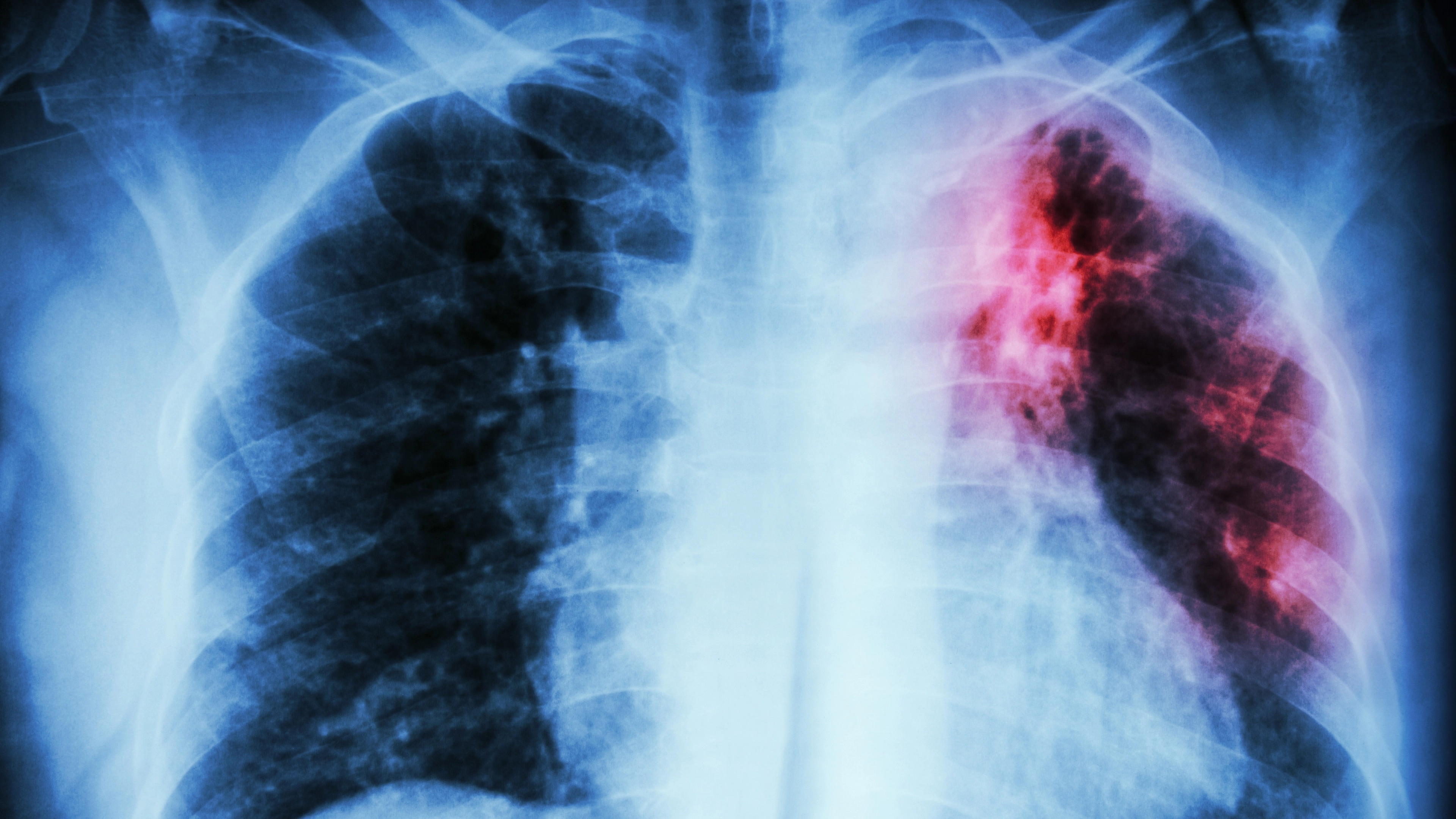
We are, of course, talking about tuberculosis - also known as 'TB' - it's a bacterial infection that primarily affects the lungs.
It is often described as a 'Victorian disease' given that the disease was rife throughout 1800s England, where crowded cities and weak sanitation enabled it to catch like wildfire.
For reference, this category of condition also includes the likes of cholera, scarlet fever, typhus, measles and smallpox.
The reason for the apparent 'comeback' of these illnesses? Everything from public health gaps, falling vaccination rates, antibiotic resistance and declining immunity have been suggested in a bid to answer this question.

The disease spreads through airborne droplets when an infected person coughs or sneezes. It's no surprise, therefore, that one case in a controlled area like a overcrowded, potentially poorly ventilated or unhygienic workplace can quickly cause numbers to multiply.
Despite predominantly wreaking havoc on a person's respiratory system, if not properly or efficiently treated, tuberculosis can spread to other regions of the body, including the abdomen, the lymph nodes, bones, and even a patient's nervous system.
In more serious cases, the disease can even prove fatal.
As such, as well as the outbreak sparking concern amongst union workers with regards to their right to safety in their place of work, it has raised questions over how in-person members of staff can best protect themselves.
Now, health experts are emphasising that both an early diagnosis and timely treatment are crucial when it comes to saving lives.

According to the NHS, key indicators of the condition include feeling severely fatigue, a high temperature or night sweats, a loss of appetite, sudden or unexplained weight loss, generally feeling unwell, suffering pain, and battling a cough that has lasted over three weeks.
On the latter symptom, a tuberculosis patient could cough up either mucus or blood.
In terms of indicators that the condition has spread to other areas of the body, a person might suffer from swollen glands, body aches and pains, swollen joints or ankles, tummy or pelvic pain, constipation, dark or cloudy pee, a headache, being sick, feeling confused, a stiff neck, or a rash on the legs, face or other part of the body.
Treatment most commonly consists of taking antibiotics for at least 6 months.
In cases whereby the disease has spread to either the brain, spinal cord or the area around a patient's heart, however, they may also be prescribed steroid medicine, which they'll need to take for a few weeks.

It's important to note, however, that most medics who've addressed the September outbreak publicly don't believe UK residents need to fear another global pandemic as of yet.
"The small number of individuals affected by tuberculosis are responding well to treatment and are no longer infectious, so pose no onward risk," Dr Roger Gajraj, a health protection consultant with UKHSA West Midlands, explained.
Topics: World News, News, Health, Life, Real Life, True Life, UK News
 Rhianna Benson