
Worrying data reveals outbreak in 'vicious' bug month after adenovirus spike

Just weeks after doctors in the UK sounded the alarm over a sudden surge in adenovirus cases, Brits have received a second warning over another agonising condition.
For those lucky enough to have avoided it, adenovirus tore its way through Britain - as well as other areas of the northern hemisphere - over the Christmas period.
It's a DNA condition that primarily affects a person's upper and lower respiratory tracts, spread from breathing in infected aerosol droplets.
It can affect a number of other organs, including the eyes, the stomach, and the bladder, causing peculiar symptoms like conjunctivitis or pink eye, enlarged cervical lymph nodes, gastrointestinal issues like diarrhoea, vomiting or general tummy pain, and a urinary tract infection.
Advert
Weeks after the nasty adenovirus cases finally plateaued, there seems to be a new illness in town that is reportedly hospitalising more and more Brits every day.

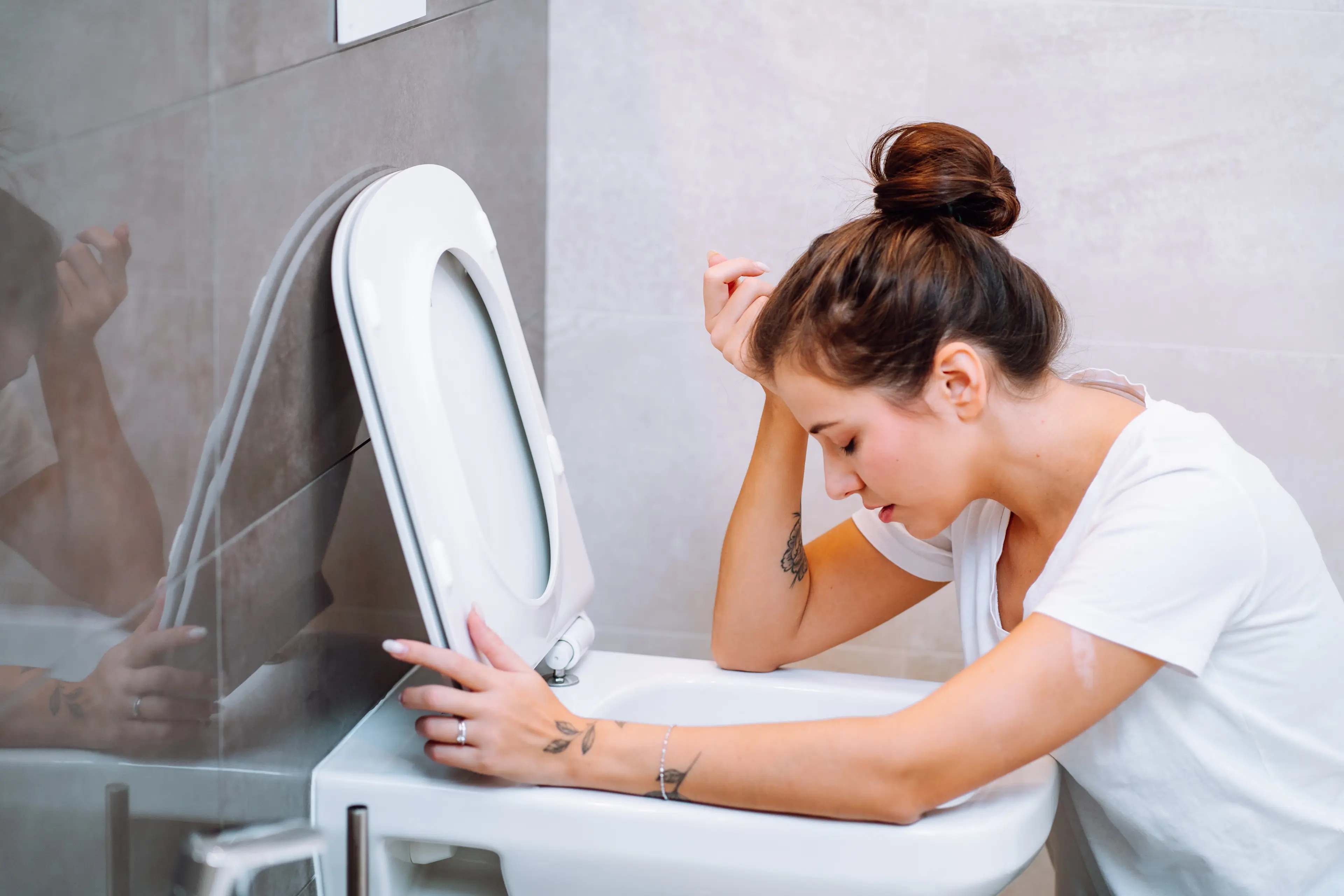
Commonly nicknamed the 'winter vomiting bug', norovirus cases are reportedly at an all time high, with latest NHS stats revealing rates that patients being given hospital beds over the condition has risen by 45 percent this week.
This totals to around 823 poorly patients being admitted each day.
While the numbers of these cases does peak over the winter months - with more and more people often crammed indoors together, allowing germs to spread more easily - this year's stats have reportedly knocked hospital staff for six.
"A rise in this vomiting virus is leaving hospitals under pressure," NHS England Medical Director, Professor Meghana Pandit explained this week.
"Norovirus cases didn’t peak until February last winter, so we’re monitoring closely for further increases ahead of another predicted cold snap this weekend."
She added: "Although hospitals are incredibly busy, people should come forward for care as normal if they need it. You can also help prevent the spread of norovirus by frequent handwashing with soap and water and you shouldn't return to work, school or visit hospitals until you are 48 hours symptom-free.
"If your symptoms are severe, persist beyond a few days or if you're concerned, call NHS 111 or your GP for advice."
The Centre for Disease Control and Prevention explains that a norovirus infection is the result of acute gastroenteritis - the inflammation of digestive organs - due to dangerous bacteria entering this system.
On top of triggering nausea, stomach pain, vomiting and diarrhoea - all predominantly gut-related side effects - symptoms also include headaches, a fever and bodily aches.

Despite these frustrating symptoms usually passing after a few days for most people, for the elderly, a battle with diarrhoea and vomiting can spark severe levels of dehydration.
Unsurprisingly, this state can pose a fatal threat, which is why so many OAPs are being admitted to hospital over norovirus.
Amy Douglas, Lead Epidemiologist at UKHSA, also warned Brits: "We should all remember the simple steps we can all take to stop norovirus spreading.
"Washing your hands with soap and warm water and using bleach-based products to clean surfaces will also help stop infections from spreading. Alcohol gels do not kill norovirus so don’t rely on these alone."
Douglas continued: "If you have diarrhoea and vomiting, don’t prepare food for others in that time either. If you are unwell, avoid visiting people in hospitals and care homes to prevent passing on the infection to those most vulnerable."
 Rhianna Benson