‘Alphacoronavirus’ sparks fear among experts after new discovery

Scientists have discovered a bat alphacoronavirus in Kenya, which has the potential to pass to humans.
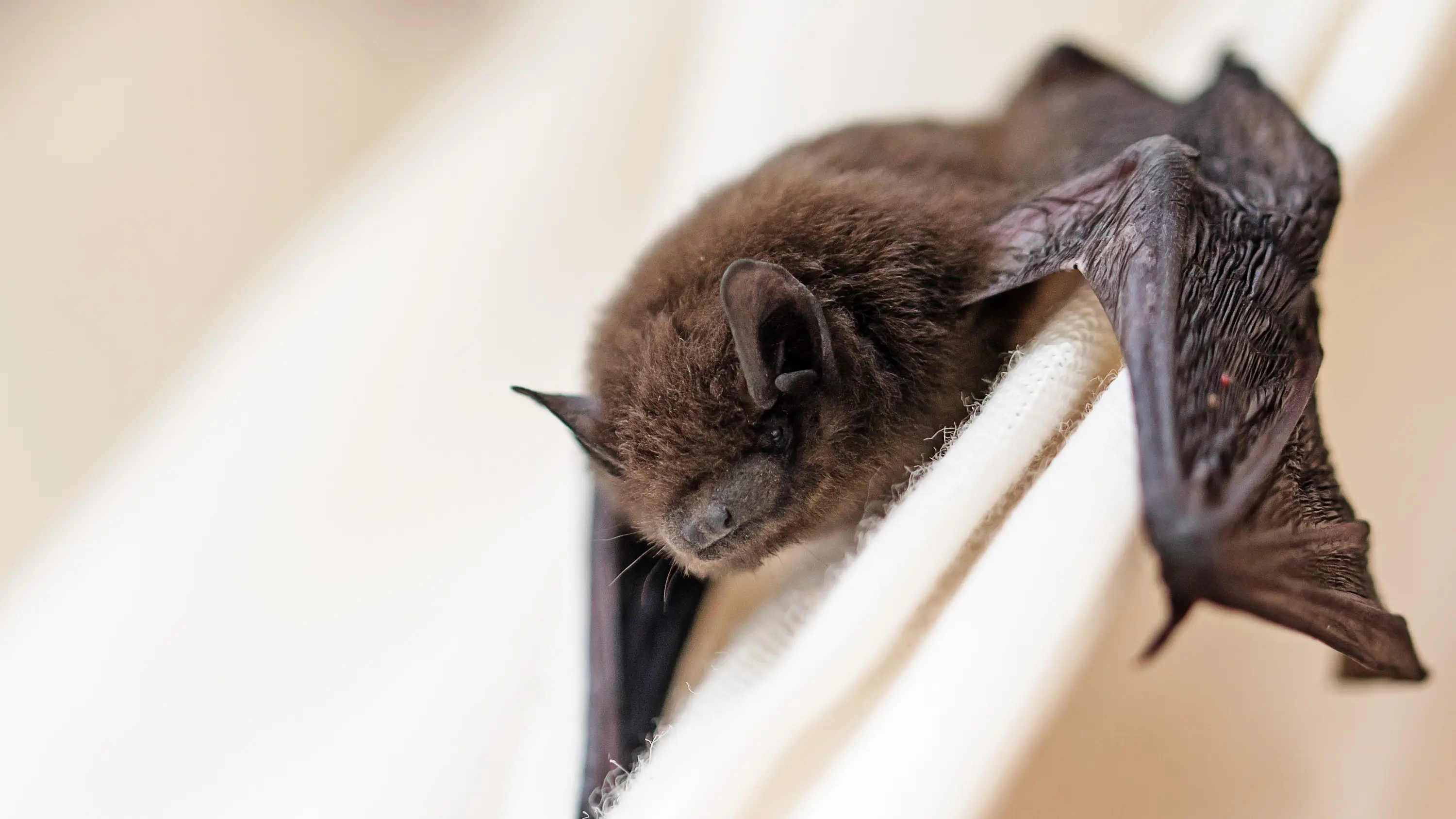
The new strain was originally found in heart–nosed bats in East Africa.
Called CcCoV-KY43, but informally known as alphacoronavirus, the researchers have been looking into whether it's a potential pandemic threat that could injure humans.
The researchers found the alarming possibility that the new coronavirus strain has the ability to bind to a cell receptor which is found in human lungs.
Advert
While there is no evidence of human infection yet, the scientists wish to be prepared.
According to the Daily Mail, the receptor is called CEACAM6, and it wasn't present in previous coronavirus infections.
The researchers examined the cells and the receptors, and found that the CEACAM6 receptor is susceptible to the coronavirus, which enables entry into otherwise resistant cells.

The scientists say this early detection offers a 'key early warning' to prepare for any future events.
It follows the news that the Cicada strain has been causing strong reactions in people, especially children, with parents being warned about infections.
"This work is important in flagging that these viruses could overcome one of the key hurdles that could lead to a future crossover event. Such possible crossover events could be the first step in future epidemics or even pandemics – though we are not at that stage yet and it isn’t inevitable," said Prof Aris Katzourakis, who is a Professor of Evolution and Genomics.
He added: "We don’t yet know if these viruses would successfully replicate in humans should a spillover occur, but we now have been forewarned that they can cross the first important barrier."
The study was led by The Pirbright Institute and was published in Nature, was carried out by the University of Cambridge, the University of York, the KEMRI-Wellcome Trust Research Programme, and the National Museums of Kenya.
It has been found in addition to a different strain discovered by researchers from Brazil worked with the University of Hong Kong for the research, and found the new strain after swabbing the mouths and rectums of bats.
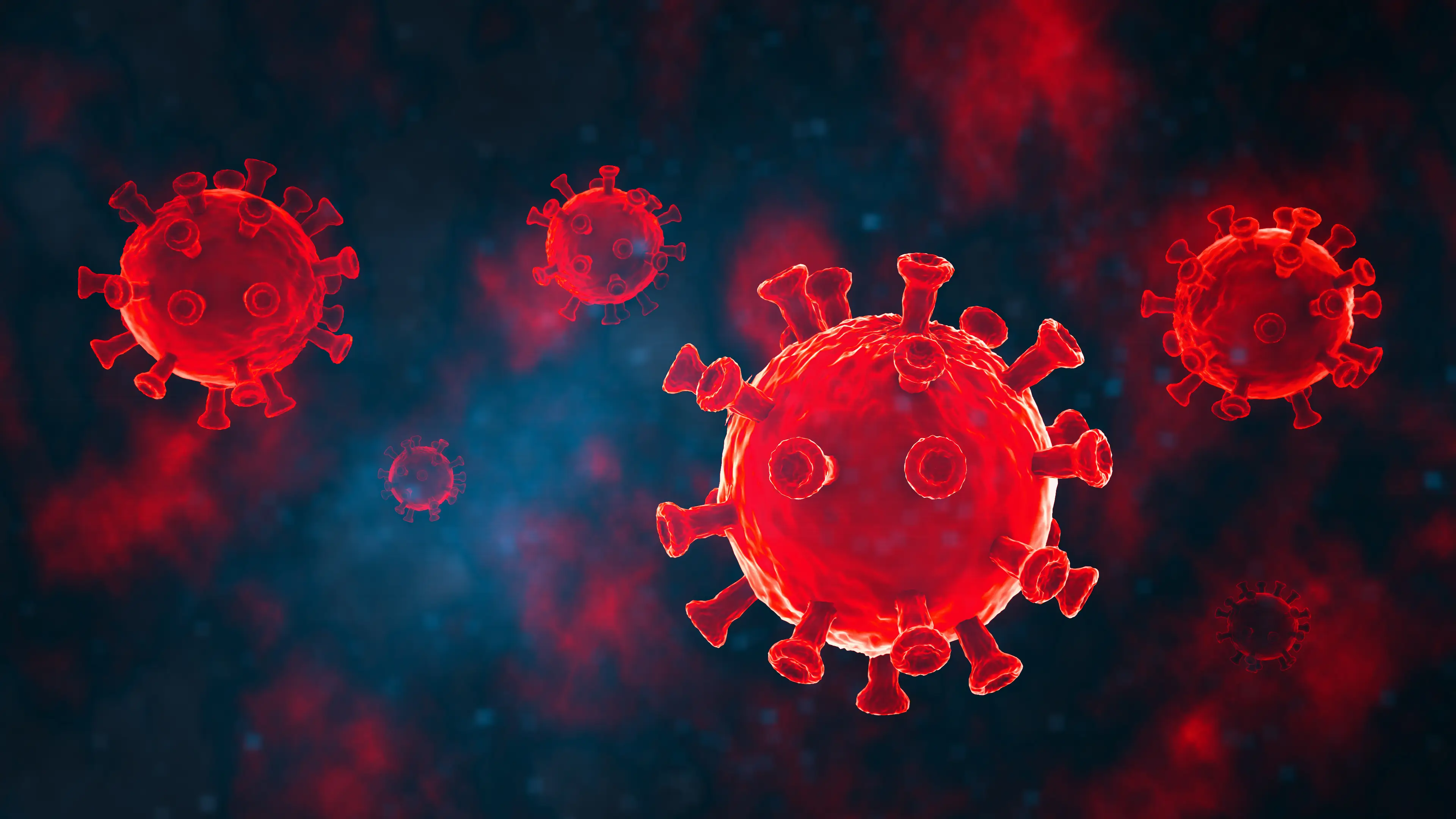
The virus is now being transported to China, as well as six other viruses which were discovered during the testing.
Lead researcher Dr Bruna Silverio, from the University of Sao Paulo, said: "Right now, we aren't sure it can infect humans.
"But we detected parts of the virus' spike protein (which binds to mammalian cells) suggesting potential interaction with the receptor used by MERS-CoV."
She added: "To find out more, we plan to conduct experiments in Hong Kong during the current year."
The science was published in the Journal of Medical Virology, revealing that lab analysis found seven coronavirus strains that are genetically different to any known pathogens.
They were found in the velvety free-tailed bat and great fruit-eating bat, in South America and Mexico.
Virologist Dr Ricardo Durães-Carvalho said: "Bats are important viral reservoirs and should thereofre be submitted to continuous epidemiological surveillance.
"This monitoring helps identify circulating viruses and risks of transmission to other animals, and even to humans."
Topics: Coronavirus, Science, World News, Health
 Jen Thomas