Wet wipes warning issued after several infected with life-threatening bacteria leaving one person dead

An urgent warning has been issued against four wet wipe brands, over ongoing fears they could be contaminated with a deadly bacteria.
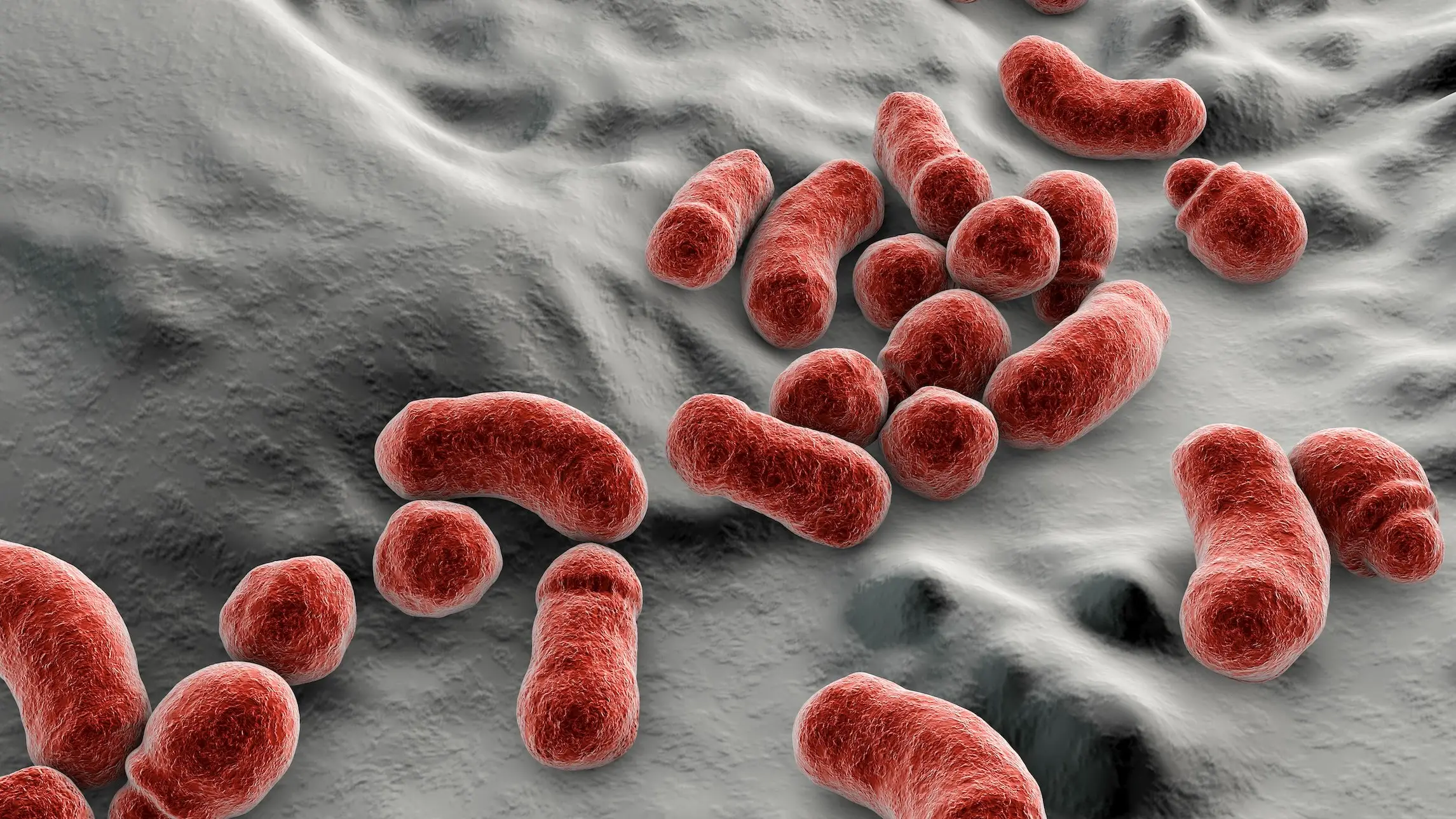
Brits are being told to avoid specific alcohol-free wipes, following an outbreak of of Burkholderia stabilis infection which took place between January 2018 and February 2026.
The UK Health Security Agency (UKHSA) shared a press release yesterday (Thursday 5 February) to issue an update on the situation.
They outlined that there have been 59 confirmed cases of the bacteria identified in the United Kingdom, which have been associated with several non-sterile alcohol-free wipe products, as well as one death.
Advert
To explain, Burkholderia are a type of bacteria found naturally in the environment, including in soil and water.
Burkholderia stabilis is one species within this group, and while many people never encounter problems with this type of bacteria, it can cause serious infections in certain circumstances, particularly among vulnerable individuals.
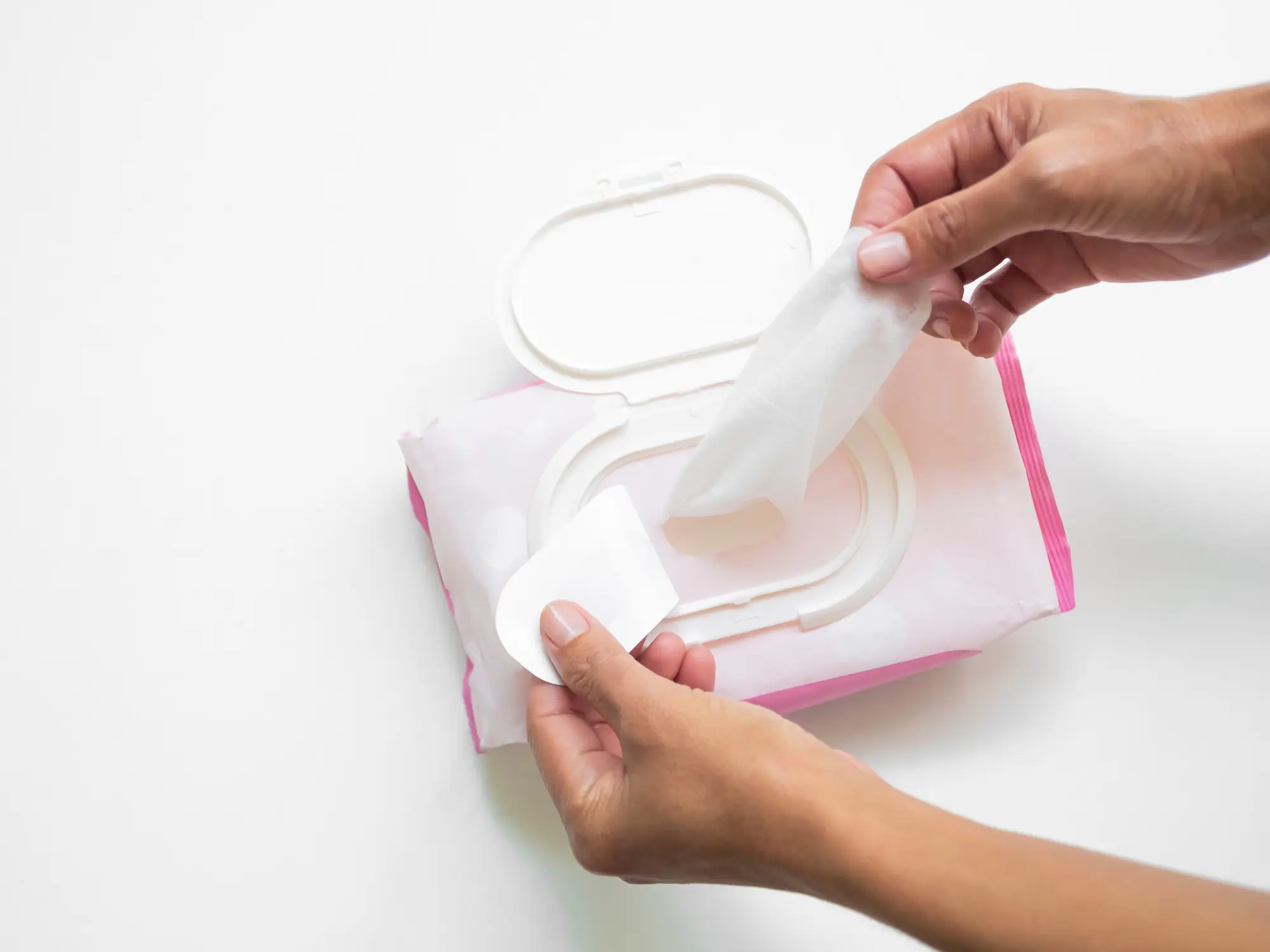
The UKSA has confirmed that affected products have been withdrawn from sale, however some may still be found in first aid kits or in people's homes.
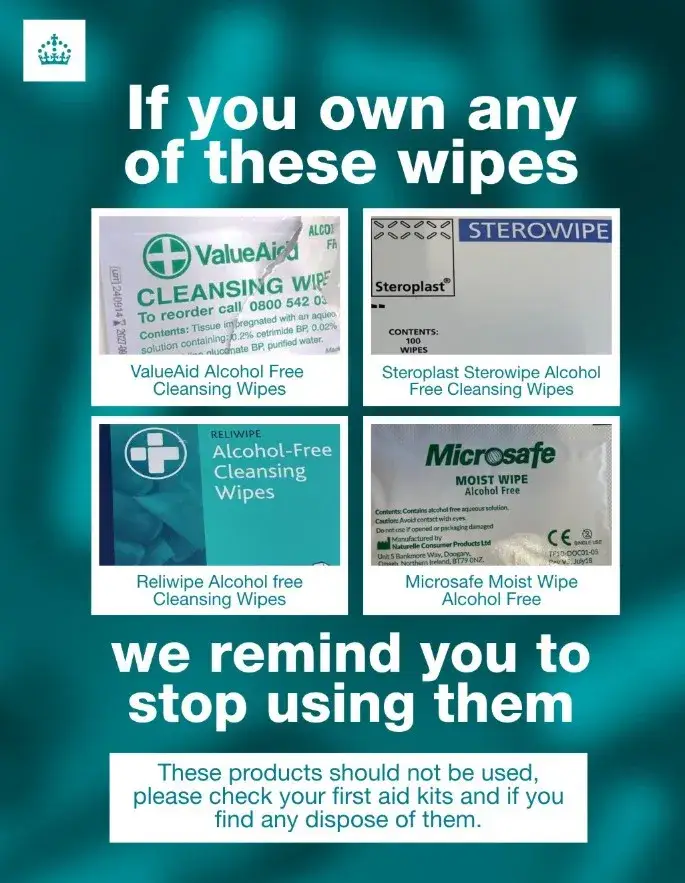
These products are wipes that are not labelled as 'sterile,' with the health agency specifically advising people to check for these wipes in their home, including in first aid kits:
- ValueAid Alcohol Free Cleansing Wipes
- Microsafe Moist Wipe Alcohol Free
- Steroplast Sterowipe Alcohol Free Cleansing Wipes
- Reliwipe Alcohol Free Cleansing Wipes (testing revealed contamination with a Burkholderia strain not related to the outbreak cases)
The organisation said: "If you have any of these products, stop using them immediately and dispose of them in standard household waste.
"It is important to only use wipes marked as ‘sterile’ on broken skin such as wounds, scratches, or where you can see blood - this reduces the chances of germs getting into the body and causing infections."
Those at the highest risk include patients who are managed at home with intravascular devices, immunocompromised people and people with other risk factors such as cystic fibrosis.
As reported by The Mirror, Dr James Elston, Consultant in Epidemiology and Public Health at UKHSA, said: "We are reminding the public not to use, and to dispose of, certain non-sterile alcohol-free wipes which have been linked to an outbreak of Burkholderia stabilis.
"The overall risk to the public remains very low, and affected products have been withdrawn from sale. However, we are continuing to see a small number of cases in vulnerable patients, and we are now aware of one associated death."
He urged: "Non-sterile alcohol-free wipes, of any type or brand, should not be used for the treatment of injuries, wounds, or broken skin; and they should never be used to clean intravenous lines.
"UKHSA uncovered the link to this outbreak through testing of wipes used by those affected and worked quickly to notify health professionals through a patient safety alert in June 2025. We have provided a further update to reinforce infection prevention and control guidance."
What are the symptoms of Burkholderia stabilis infection?
Symptoms can vary depending on the site and severity of infection, but you should look out for:
- Symptoms of a wound infection can include redness, swelling, increased pain, warmth around a wound or or break in skin, and pus or other drainage from the wound / break in skin
- Symptoms of infection involving an intravenous line can include signs such as redness, swelling, or pain around the insertion site and / or fever and chills
- In more serious cases, symptoms associated with bloodstream infection (sepsis)
The UKHSA urged that if you have concerns about a wound that isn't healing properly or you develop a fever following an injury, 'contact NHS 111 immediately'.
 Madison Burgess