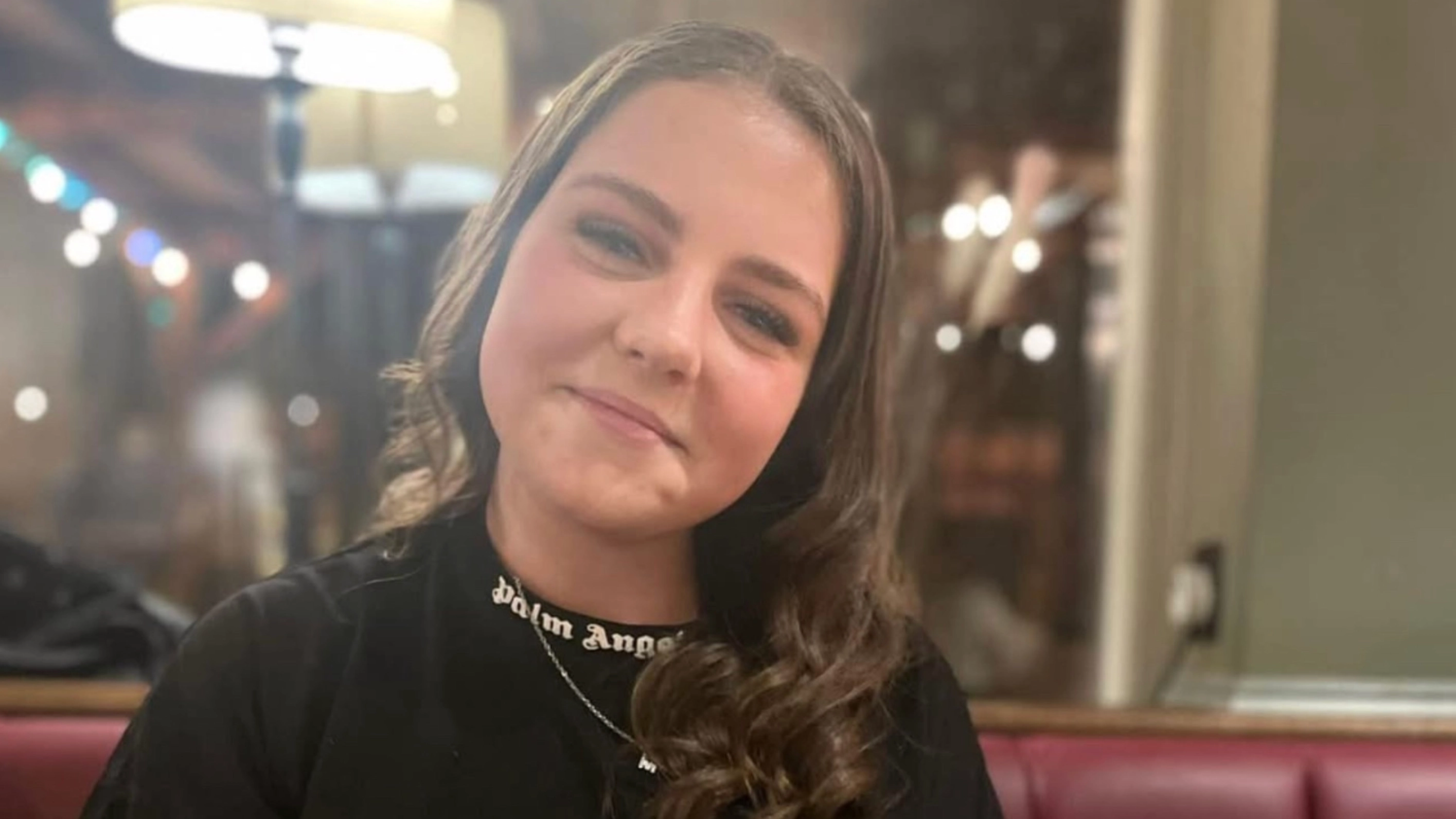
Coroner issues warning after 14-year-old girl died after 'stomach ache'

A coroner has issued a stark warning after the tragic death of a 14-year-old girl who didn't get a liver transplant in time.
Maisie Almond, from Manchester, lost her life on October 2, 2024, after being diagnosed with a rare form of acute liver failure.
Before getting ill, the teenager had been 'fit and healthy' and had 'no history of underlying health issues', an inquest into her death at Stockport Coroner's Court was told.
She came from her part-time job complaining of feeling unwell with a stomach ache on 15 September 2024. The following day, her parents noticed her eyes were turning yellow, and she was admitted to Tameside General Hospital, where she was diagnosed with hepatitis.
Advert
Maisie's family said the diagnosis 'was a complete shock but [they were] reassured it was treatable' on their website.
The inquest outlines that investigations were undertaken over the course of the following 10 days, which resulted in three separate admissions to hospital with worsening condition.
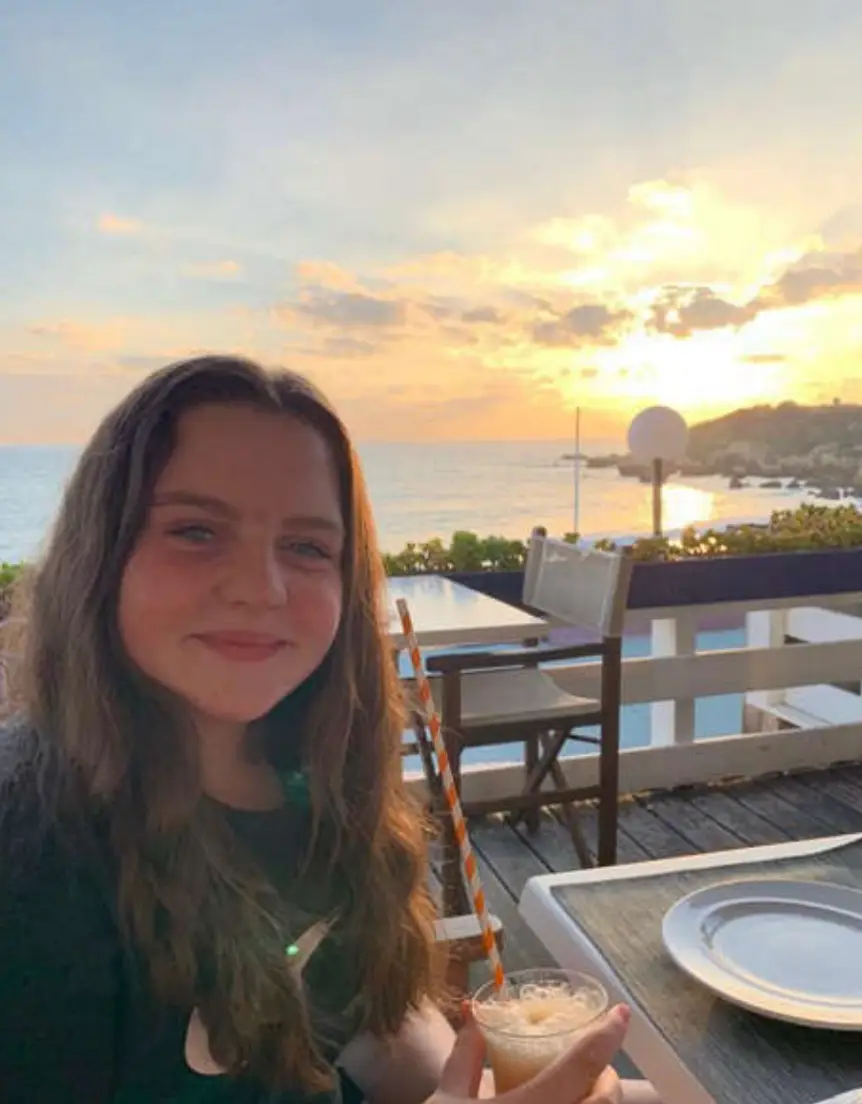
The investigations ruled out any identifiable infections, genetic or other causes of the acute failure of her liver.
As per The Sun, Maisie's parents previously said: "We thought it was just a tummy bug that goes round school and that, after a day off school, she’d be fine.
“We thought it was probably a run-of-the-mill tummy bug, especially with going back after the holidays.”
"She fought hard to stay"
While the doctors were trying to work out the cause of the liver failure, Maisie's condition worsened.
Just ten days after being admitted to the hospital, on 26 September, Maisie was transferred to the Liver Centre in Leeds, and the following day she was listed for a liver transplant.
However, a suitable donor didn't become available until 1 October.

By then, the teen had developed cerebral oedema, which is swelling of the brain, as well as other organ damage, which made the prospects of her survival so low that the transplant did not take place.
Her parents said: "She was taken to theatre just before midnight but was too unwell for the operation and she died in our arms in the early hours of Wednesday 2nd October 2024."
At Maisie's inquest, which ended late last month, assistant coroner Adrian Farrow ruled she died 'from the effects of a rare form of acute liver failure before a suitable donor liver could be found for priority transplantation'.
Her family said: "Maisie was the happiest, kindest, most positive person, always smiling, always chatting.
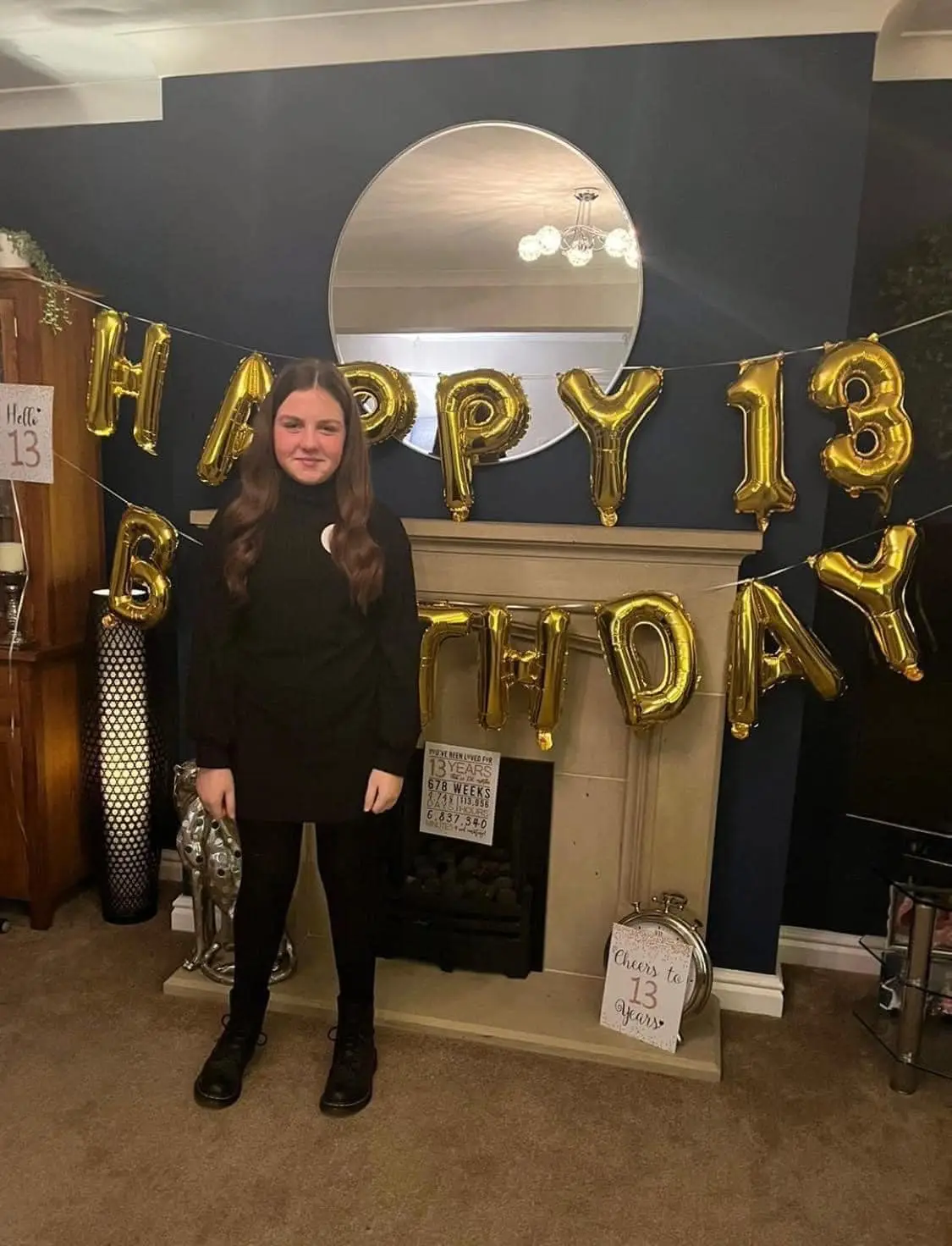
"She was a fit and healthy young girl with her whole life in front of her.
"She loved family holidays and travelling the world. Australia was her favourite country and she had plans to go backpacking for a year when she had finished her studies.
"She fought and fought to stay. Not once did she cry, not once did she complain.
"We don’t know what to do with ourselves most days. Her loss is beyond anything you could imagine."
"Clear risk lives will be lost"
Following the tragedy, he has issued a Prevention of Future Deaths report, which warns that changes need to be made to prevent something like this from happening again.
The report reads: "In my opinion, there is a risk that future deaths could occur unless action is taken."
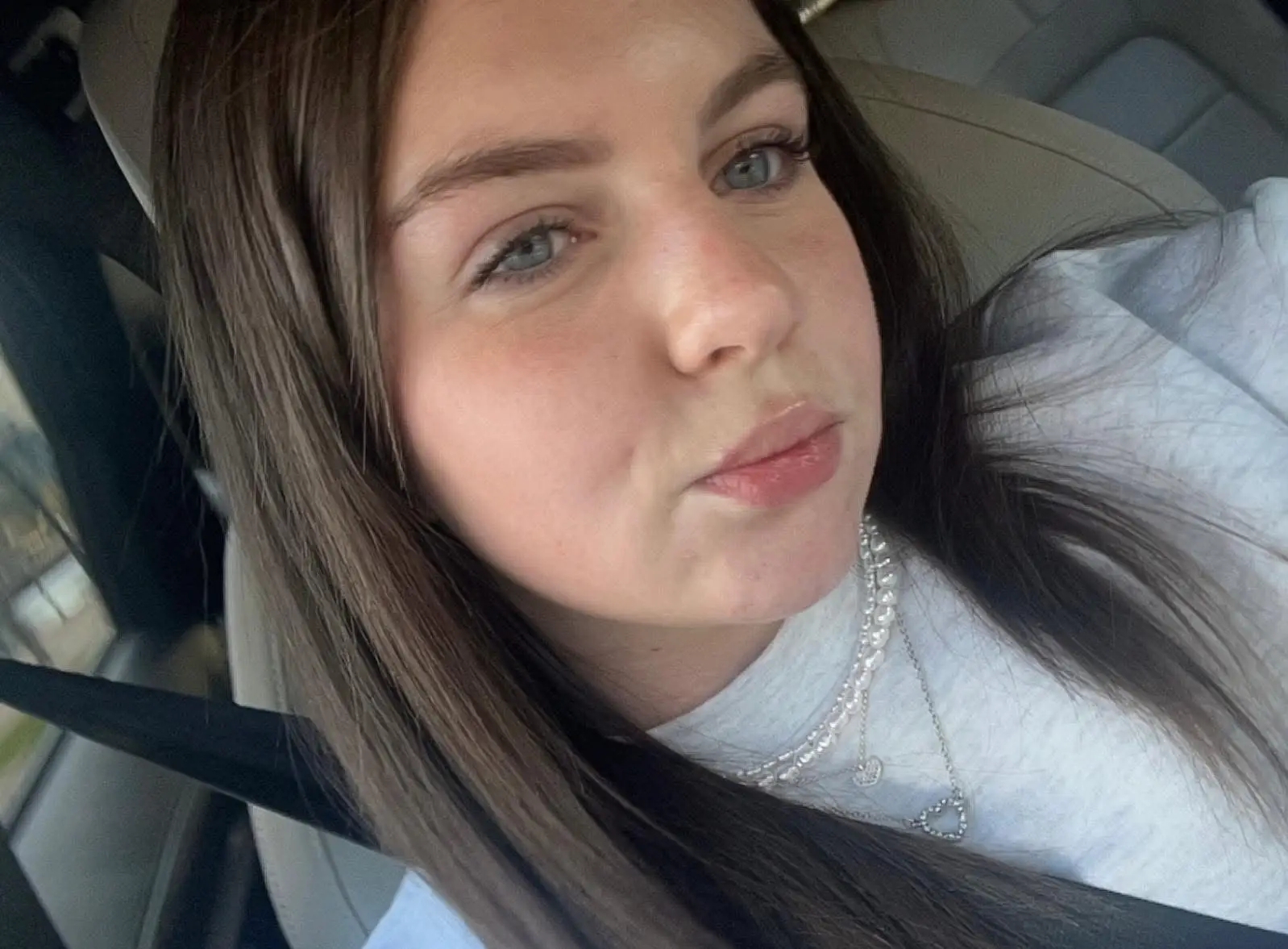
The coroner outlined: "During the inquest, I heard evidence from a consultant paediatric hepatologist that there is a national shortage of donor livers generally and particularly for children in the 'super urgent' category.
"The clinical guidance not to utilise cardiac death donor livers in such cases due to the poor historical outcomes has narrowed the pool of suitable donor livers to those arising from brain deaths. Altruistic living liver donations are generally not available for super urgent cases."
He added: "The evidence I received was that the number of donor livers has reduced by a third and the effect is that whereas, historically, a donor liver could be expected to be made available within 48 hours, the wait has now extended to up to a week.
"That delay gives rise to a clear risk that lives will be lost due to the unavailability of suitable donor organs."
Addressing the Department of Health and Social Care (DHSC) and the NHS Blood and Transplant Service, Farrow said they have a duty to respond to the report by 24 April 2026.
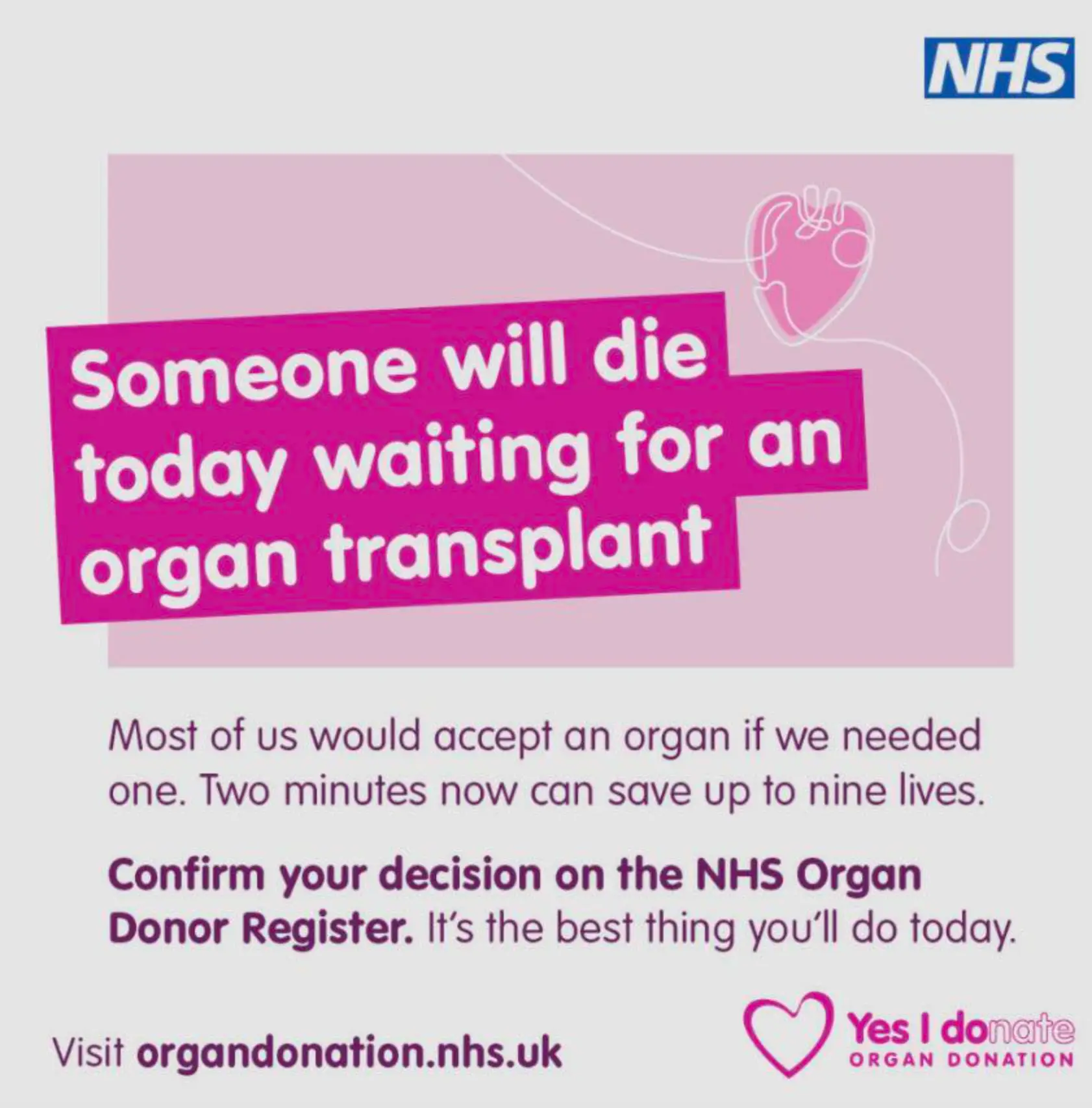
The 14-year-old's parents have since set up a fundraising page called Maisie Moo’s Missions, which has been raising awareness of organ and blood donation.
In a Facebook post following the report, they wrote: "Whilst we had some knowledge of a shortage of donor livers, it was absolutely heartbreaking to hear this actually being said in court.
"We were told that before Covid, a donor would usually have been found within 48 hours. Had that happened in Maisie’s case, she would have stood a very good chance of survival."
Maisie's parents continued: "Instead, she fought and fought for four days while the doctors and nurses did everything possible to keep her alive. When a donor liver was finally found, it was just too late.
"We learned that four days is now considered within the expected timeframe, and the wait is often at least a week. Hearing that was, is, and will always be incredibly difficult to understand."
You can follow the fundraising page here and donate here.
Tyla has contacted the Department of Health and Social Care (DHSC) and the NHS Blood and Transplant Service for comment.
NHS Blood and Transplant's response
An NHS Blood and Transplant spokesperson said: “It’s tragic that Maisie could not receive a lifesaving transplant in time, and our thoughts are with her family.
“Sadly, hundreds of people die waiting for a transplant every year while thousands of potentially lifesaving organs are not donated. More lives would be saved if more people donated.
“There is also a national challenge in how many people are healthy enough to donate. The potential donor pool is changing, as the population ages and people’s lifestyles change. The total number of donor livers has dropped by around 12% since the Covid pandemic.
“And fewer people can donate following the confirmation of death through brain stem death testing. More people become donors following the confirmation of death from circulatory death. This has more impact on paediatric liver patients, as they rely more on donors where death has been confirmed through brain stem death testing.
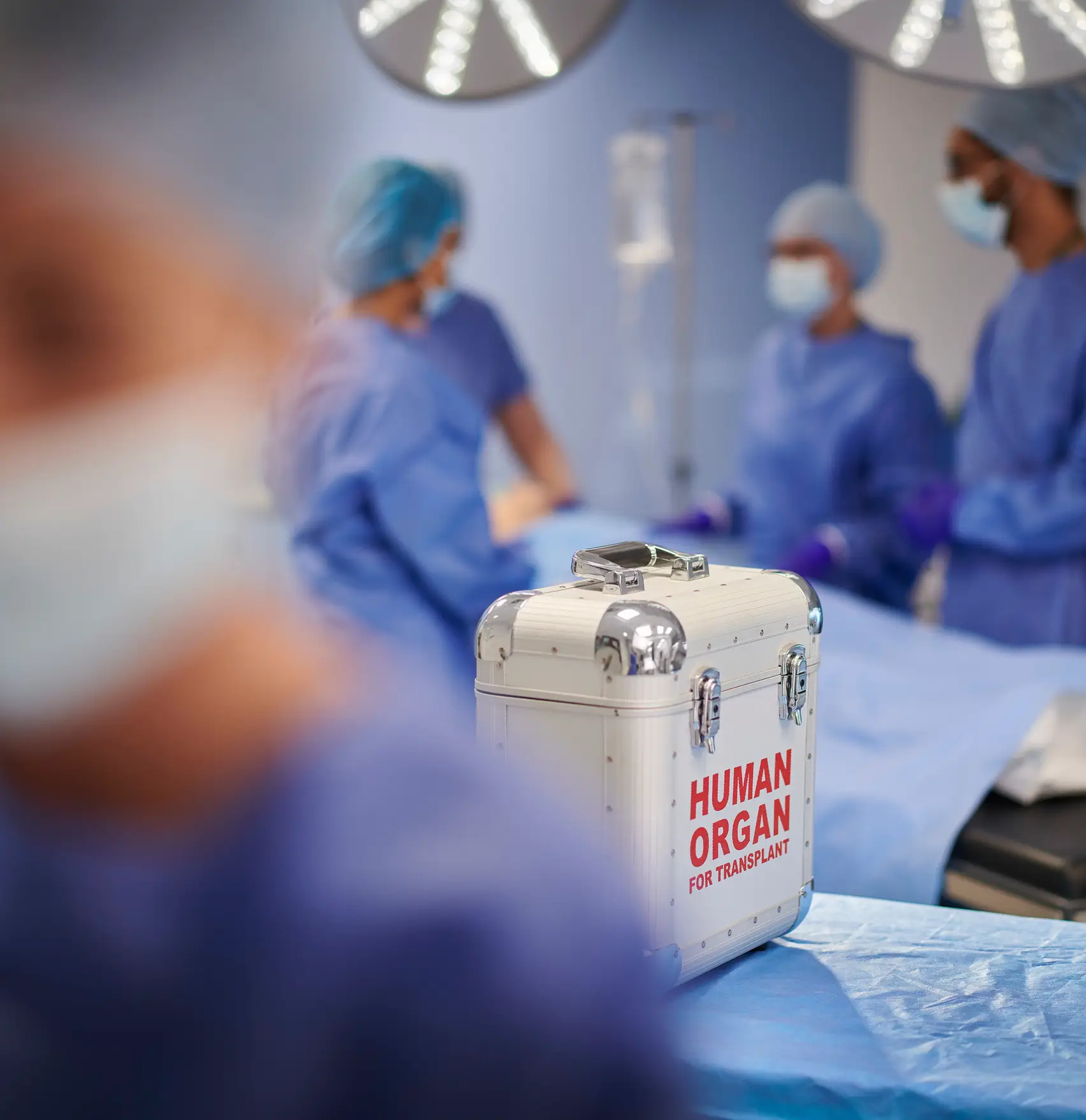
“We’re working with partners to maintain or increase donation. We are also trying to increase organ utilisation and the number of transplants through increasing the number of split liver transplants, increasing the use of new technology such as perfusion to keep livers healthy enough for transplant, and improving access to living liver donation.
“People on the super urgent list are given national priority for transplants. The national waiting time for super urgent paediatric liver transplants is comparable to pre-pandemic. Over 2022 to 2024, the median waiting time was four days. From 2018-2019 it was four days.
“Not enough people support donation for everyone who needs a transplant to receive one. You can help. Please confirm you want to save lives through organ donation at www.organdonation.nhs.uk."
 Madison Burgess