
There’s a surge in throat cancer among men and doctors think they know why

Experts have warned of a 'significant' rise in throat cancers among men over the past two decades.
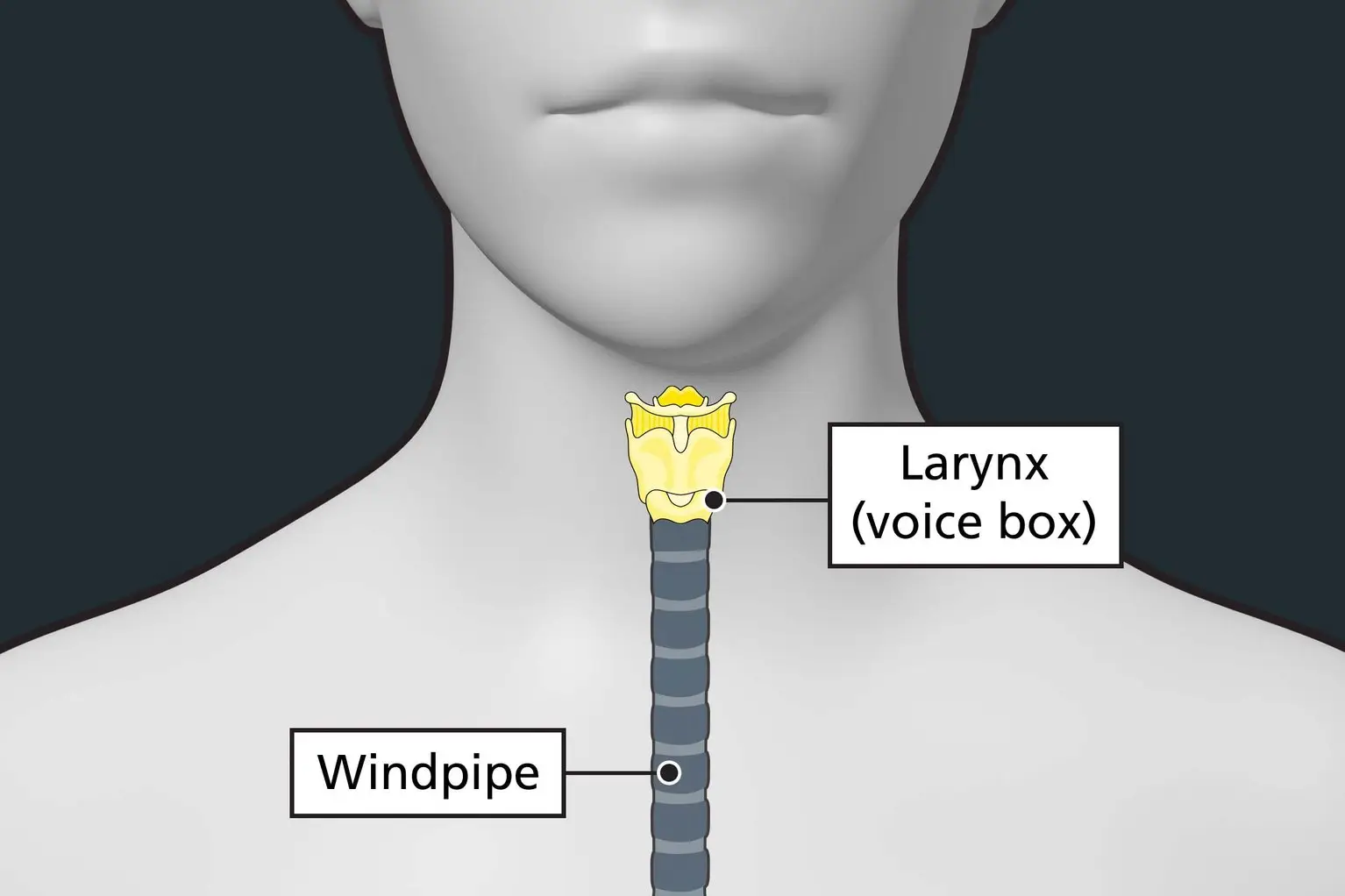
Laryngeal cancer is a type of throat cancer which affects the voice box (larynx), which is in the throat.
Cancer Research UK outlines that head and neck cancer accounts for 3 percent of all new cancer cases in the UK, with around 4,000 new cases in females and around 8,800 new cases in males every year (2017-2019).
Incidence rates in the UK are projected to increase by 3 percent between 2023-2025 and 2038-2040, with around 16,300 new cases each year by 2038-2040.
What are the symptoms of laryngeal cancer?
The NHS explains that the symptoms of laryngeal cancer vary depending on where in the voice box (larynx) the cancer is.
Advert
The most common symptoms include:
- a hoarse voice or a change in your voice that does not go away
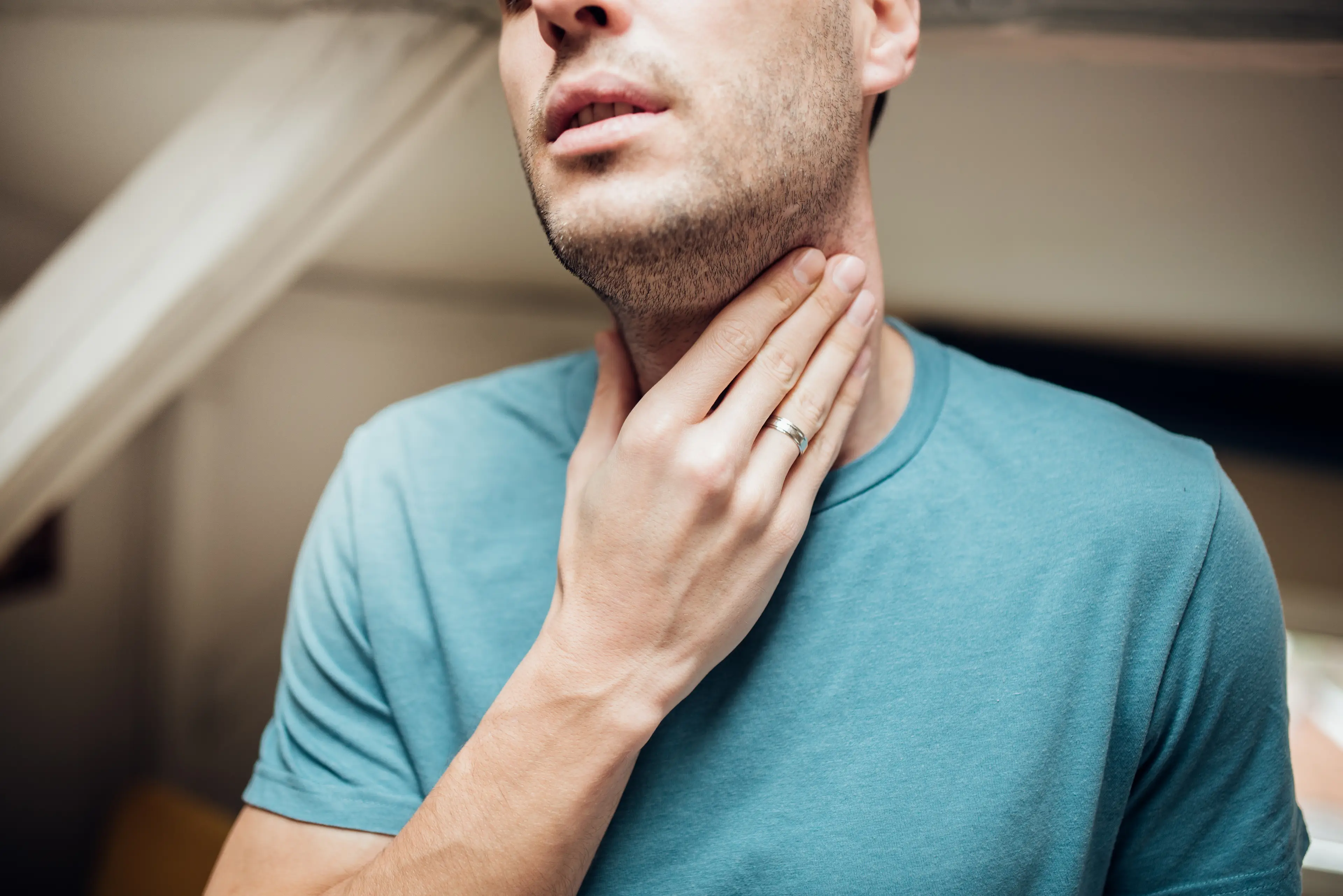
- a lump or swelling in your neck
- pain when swallowing or difficulty swallowing
- shortness of breath or difficulty breathing
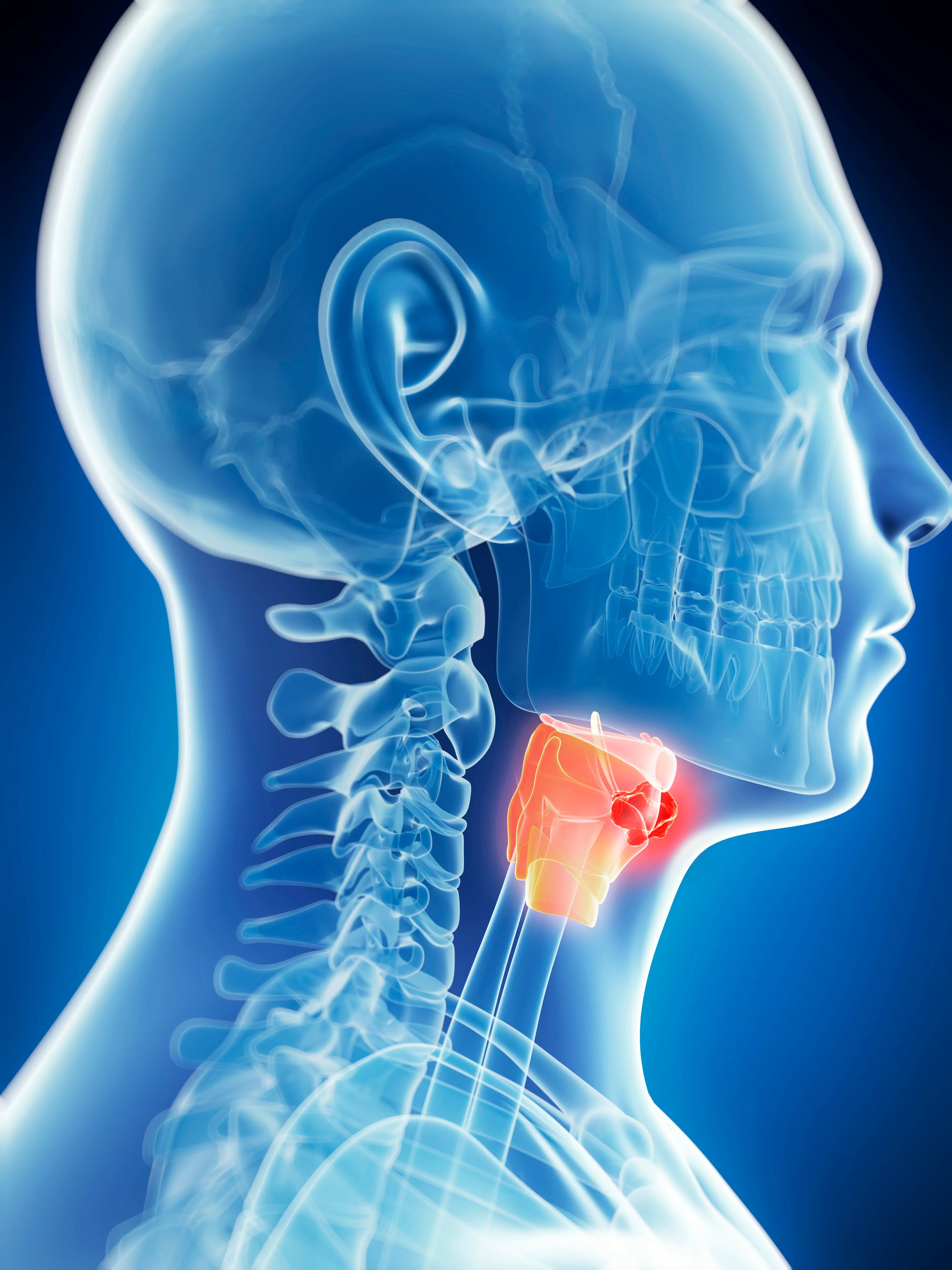
Other less common symptoms include:
- an earache that does not go away
- bad breath
- losing weight without trying
Who is more likely to get laryngeal cancer?
It's not always clear what causes laryngeal cancer.
Anyone can get laryngeal cancer, but you might be more at risk if you:
- are over the age of 40
- are a man, especially if you are Black
- have a brother, sister, parent or child who has had laryngeal cancer
- have certain conditions, such as acid reflux or gastro-oesophageal reflux disease, or have had radiotherapy treatment to your neck
Many laryngeal cancers are linked to lifestyle. For example, you're more likely to get it if you smoke or drink too much alcohol.
A surge in throat cancer among men
A national coalition has warned of falling vaccination rates as it highlighted a 'significant' rise in throat cancers among men over the past two decades linked to human papillomavirus (HPV).
HPV is the name of a very common group of viruses, and there are more than 100 different types.
You can get HPV from:
- any skin-to-skin contact of the genital area
- vaginal, anal or oral sex
- sharing sex toys
HPV has no symptoms, so you may not know if you have it.
It's very common, and the NHS outlines that 'most people will get some type of HPV in their lives'.
While there's no treatment for the HPV infection, the health body notes that most HPV infections do not cause any problems and are cleared by your body within two years.
According to The Irish Times, roughly 640 HPV-related cancers are diagnosed in Ireland each year, with 196 deaths, most of which could be prevented through vaccination.
Dr Cara Martin, associate professor in molecular pathology, tumour biology and cancer screening at Trinity College Dublin, said Ireland has made strong progress towards eliminating cervical cancer.
'Something we need to keep an eye on'
Awareness of other HPV-linked cancers, however, remains low.
"We have a well-defined elimination programme for cervical cancer, and we’re on target to reach those goals. But there is also the potential to eliminate the other cancers as well," she said.
"These are throat, penile and anal cancer, which affect men and women, and cervical, vulval and vaginal."
Martin said the past 20 years have seen a 'marked' rise in head and neck cancers, particularly cancers of the throat, believed to be linked to HPV.
"It used to be associated with smoking, but smoking rates have fallen. We’re seeing between 3.6 percent and 3.8 per cent rise per year in these cancers," she said.
"And we’re seeing them in younger age groups with little to no history of smoking. And men are disproportionately being affected."
The latest uptake figures for the HPV vaccine, from the 2023–24 academic year, show 74.9 percent coverage. That is down four percentage points on the previous year and well below the peak of 89.9 per cent recorded in 2014.
Martin described the decline as 'concerning', particularly because many HPV-related cancers have no screening programmes.
"That’s something we need to keep an eye on," she said, adding that vaccination remains one of the most effective ways to reduce future cancer cases.
Why are rates of HPV-related throat cancers higher in men?
Nola adds that rates are rising, driven largely by HPV, particularly in men over 55.
"We're not sure yet why incidence rates are going up," said Dr William Vernado, a medical oncologist at Mary Bird Perkins Cancer Center.
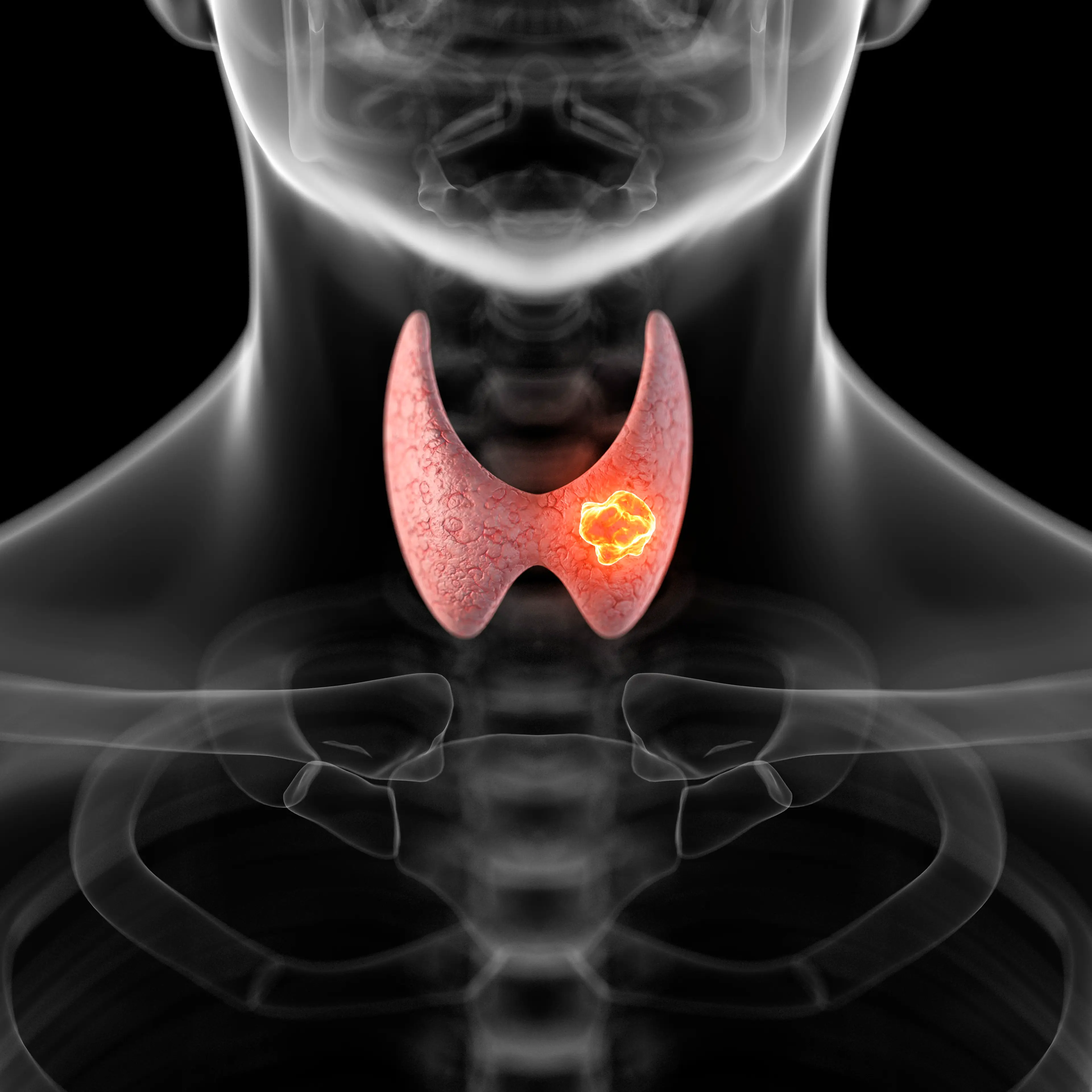
Head and neck cancers include diseases from the lips to the larynx and windpipe, while HPV-related cases usually occur in the oropharynx, at the back of the tongue and in the tonsils.
While most head and neck cancers are tied to smoking, the majority of oropharynx cancers are driven by HPV.
Rates of HPV-related throat cancers are higher in men. Women typically receive HPV vaccinations and regular screening linked to cervical cancer, while similar monitoring has not yet translated to men, according to Vernado.
"We expect, hopefully, for the incidence to go down over the next 10 to 15 years," Vernado said. "Because children who grew up with the HPV vaccination growing up will reach the age where these cancers are common."
Vaccination has already changed outcomes for cervical cancer, as the outlet states that new cases in the United States fell from 11.1 per 100,000 people in 1992 to 6.9 per 100,000 in 2022.
The American Cancer Society links the decline to widespread HPV screening and vaccination.
HPV vaccine coverage has stalled, however, as in 2023, about 77 percent of adolescents aged 13 to 17 received at least one dose, and about 61 percent were up to date on the vaccine.
Nearly all cervical cancers are caused by persistent HPV infection and are preventable.
"The idea is to initiate vaccination before any sexual intercourse or potential exposure to HPV," said Dr David Barrington, a gynecologic oncologist at Ochsner Health.
"We're getting more and more data that even one dose of the HPV vaccine (without a booster later in life) is effective at preventing any infection."
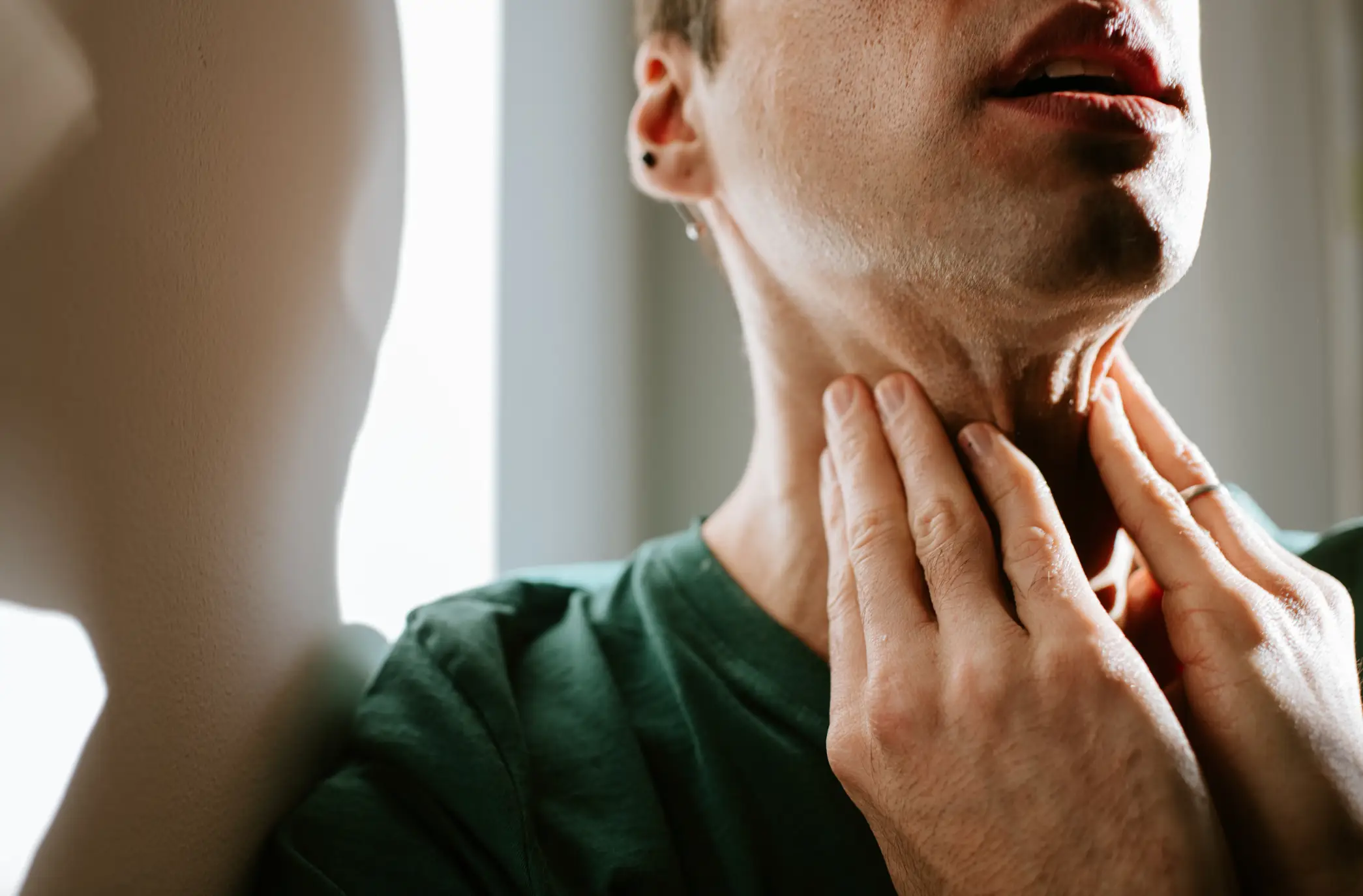
What are the treatments for laryngeal cancer
Laryngeal cancer is often treatable.
The treatment you have will depend on:
- the size and type of laryngeal cancer you have
- where it is
- if it has spread
- your general health
It may include surgery, chemotherapy, radiotherapy, or targeted medicines and immunotherapy.
Find out more about laryngeal cancer on the official NHS website here.
If you’ve been affected by any of these issues and want to speak to someone in confidence, contact Macmillan’s Cancer Support Line on 0808 808 00 00, 8am–8pm seven days a week.
Topics: Cancer, Health, Sex and Relationships, Life, News, World News, Explained, Advice
 Rhiannon Ingle