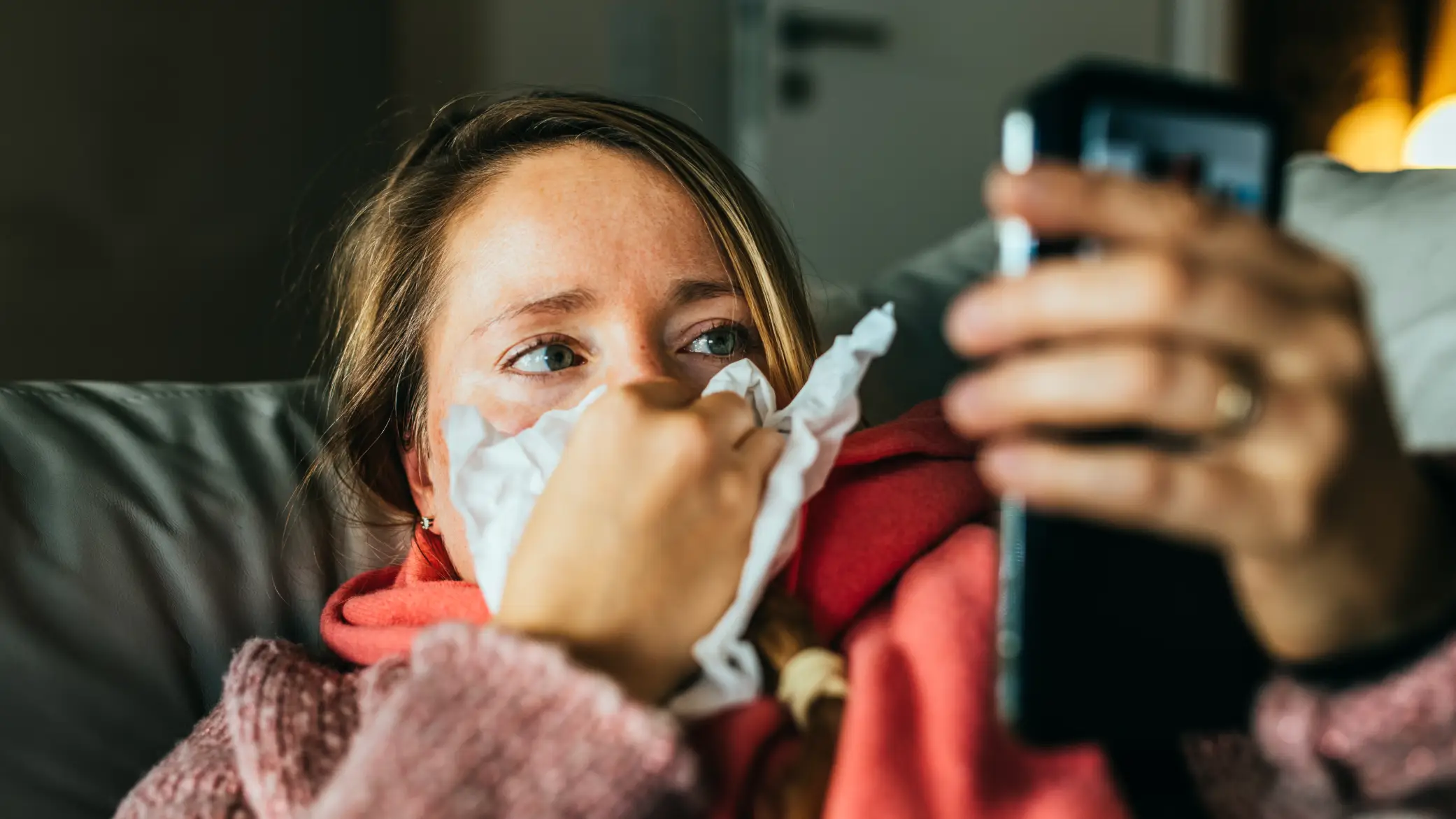
Brits urged to ‘stay at home’ as cases of horrific virus surge

Brits have been urged to 'stay at home' as cases of a seriously horrific virus surge.
Headlines about the dreaded norovirus sweeping across the UK have been popping up left, right and centre in recent weeks, and according to the latest data from the UK Health Security Agency (UKHSA), norovirus cases have surged by approximately 47% in the first fortnight of 2026.
Norovirus, also called the winter vomiting disease, is a stomach bug that causes vomiting and diarrhoea. It can be very unpleasant, but it usually gets better in about two to three days.
It's caused by a virus that spreads through poo and can spread to others very easily, and you can catch it from: close contact with someone with norovirus, touching surfaces or objects that have the virus on them, then touching your mouth, eating food that has been prepared or handled by someone with norovirus, and drinking unclean water or infected food.
Advert
To help combat the rise in cases, UKHSA has highlighted the importance of good hygiene practices to help stop the further spread.
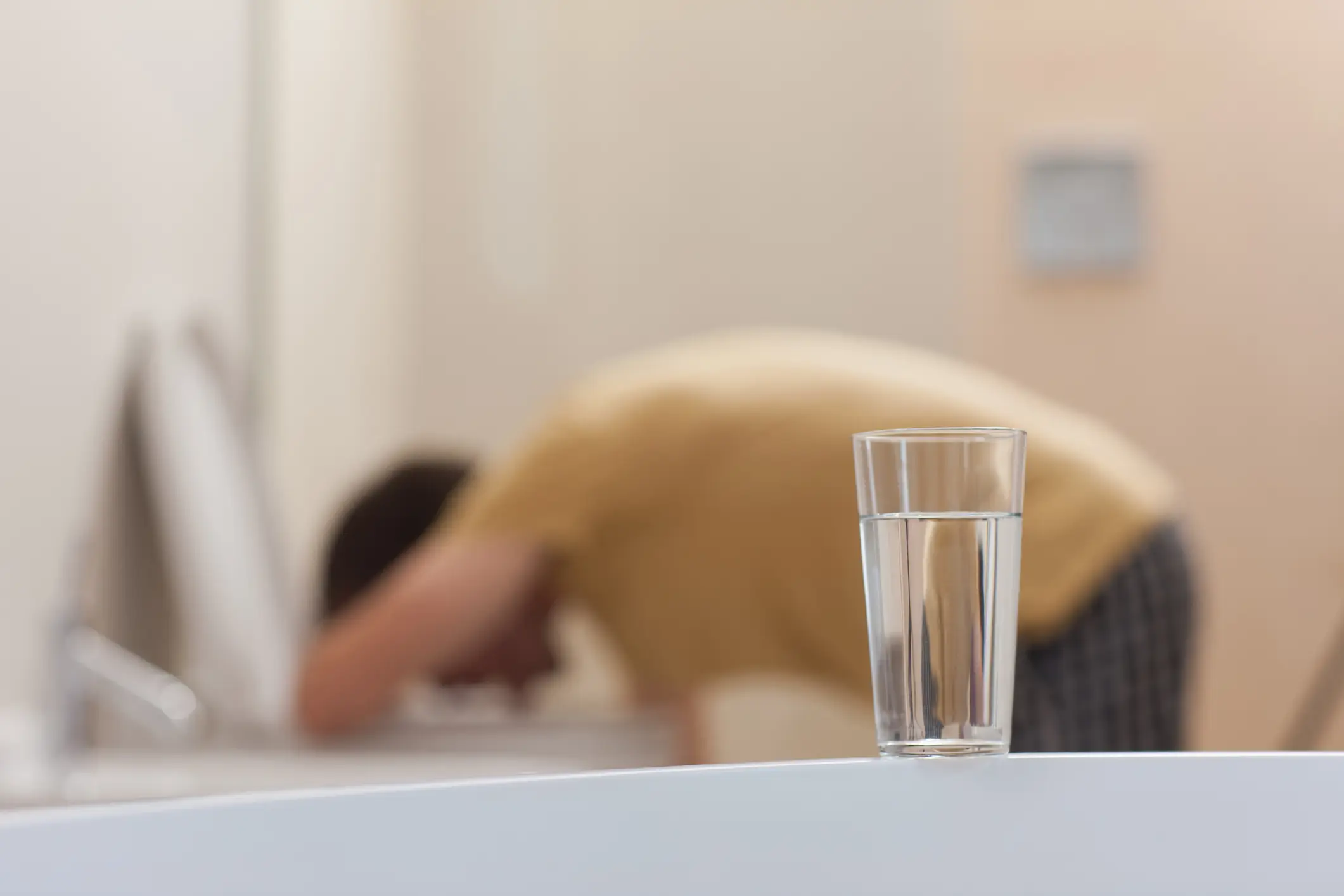
These include regular hand-washing with warm water and soap or bleach-based cleaning products, as alcohol gels are ineffective against norovirus.
As per the NHS, the main symptoms of norovirus usually start suddenly and may include: feeling sick, being sick (vomiting) and diarrhoea.
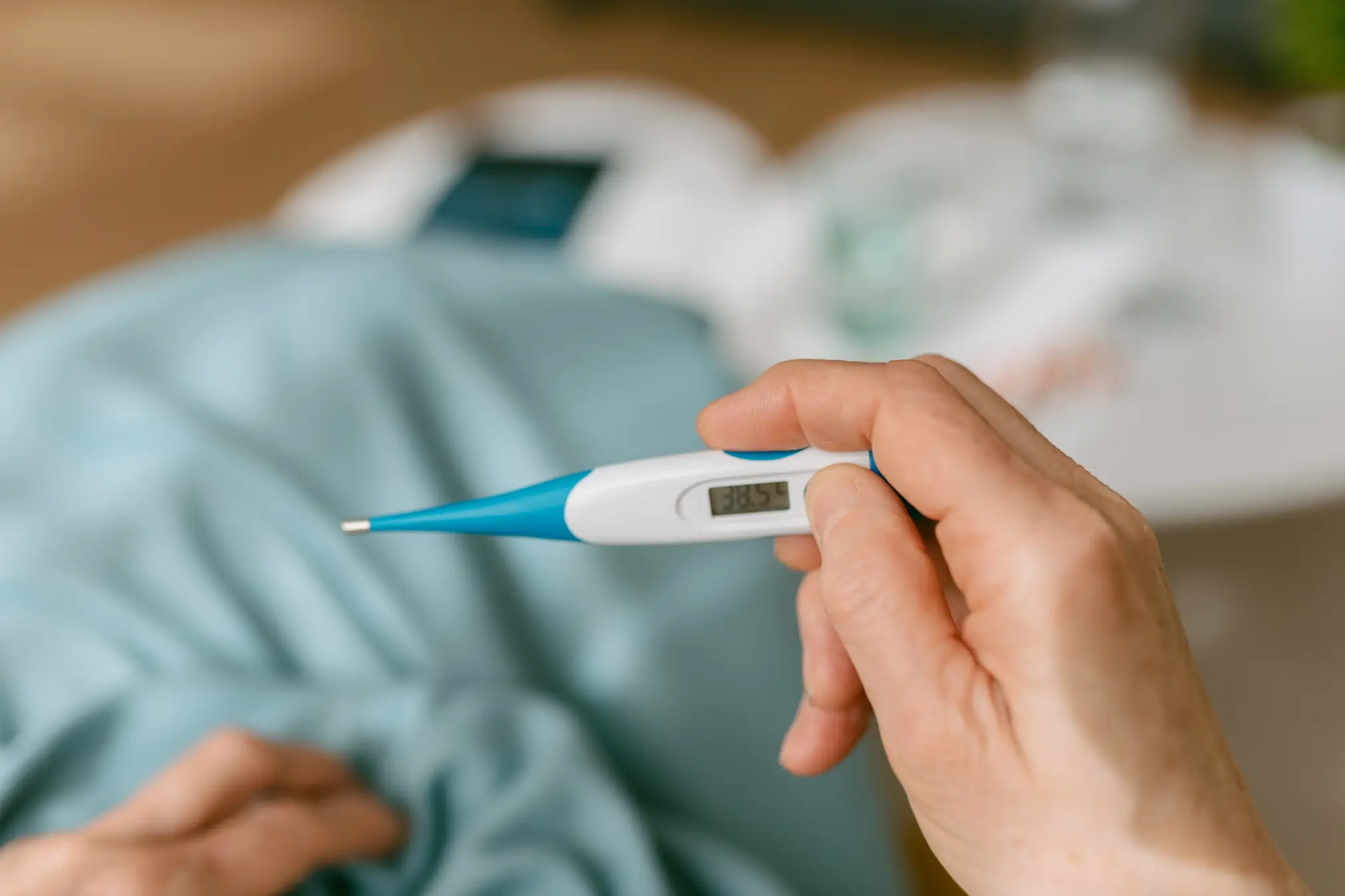
You may also have: a high temperature, a headache, tummy pain and body aches and pains.
As we say, those experiencing symptoms are advised to stay home if possible.
And, if you must leave the house, the UKHSA has recommended wearing a face covering, especially when visiting anyone who is vulnerable.
The NHS adds that 'the most important thing is to have lots of fluids to avoid dehydration'.
It also advises against having fruit juice or fizzy drinks as they can make diarrhoea worse.
Amy Douglas, lead epidemiologist at the UKHSA, explained: "We have seen a notable increase in norovirus cases in recent weeks among those aged 65 years and over, with more hospital outbreaks also being reported.
"While this is still within expected levels, there are simple steps that people can take to reduce the spread of norovirus and ensure levels don't rise further.
"If you have diarrhoea and vomiting, don't return to work, school or nursery until 48 hours after your symptoms have stopped and don't prepare food for others in that time either.
"If you are unwell, avoid visiting people in hospitals and care homes to prevent passing on the infection to those most vulnerable."
You can find out more about norovirus on the official NHS website here.
 Rhiannon Ingle