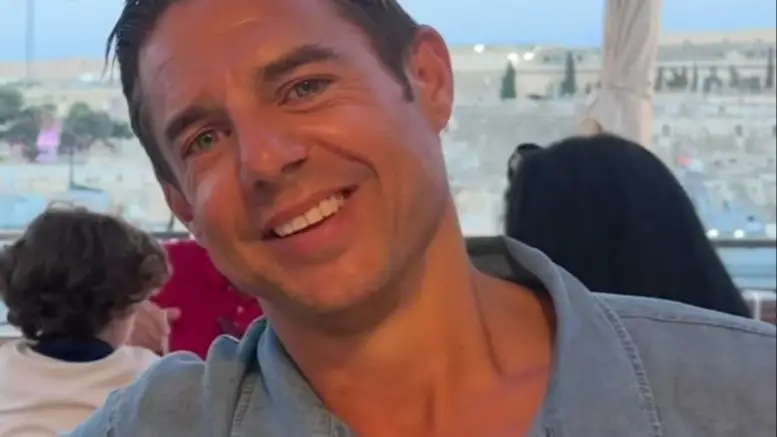
Family of ‘Putney pusher’ suspect Nicholas Brandram speak out after he took his own life as Met Police issue response

Warning: This article contains discussion of suicide which some readers may find distressing.
The family of a man who was investigated over the infamous 'Putney pusher' incident have spoken out following his death, insisting he was not responsible for the attack.
Nicholas Brandram, 44, was found unresponsive at a property in Chiswick, Hounslow, on Tuesday evening (15 September), believed to have been his West London home.
Brandram had been arrested in June in connection with an incident which took place on Putney Bridge nearly a decade ago, when a jogger was filmed shoving a woman headfirst into the path of an oncoming bus.
Advert
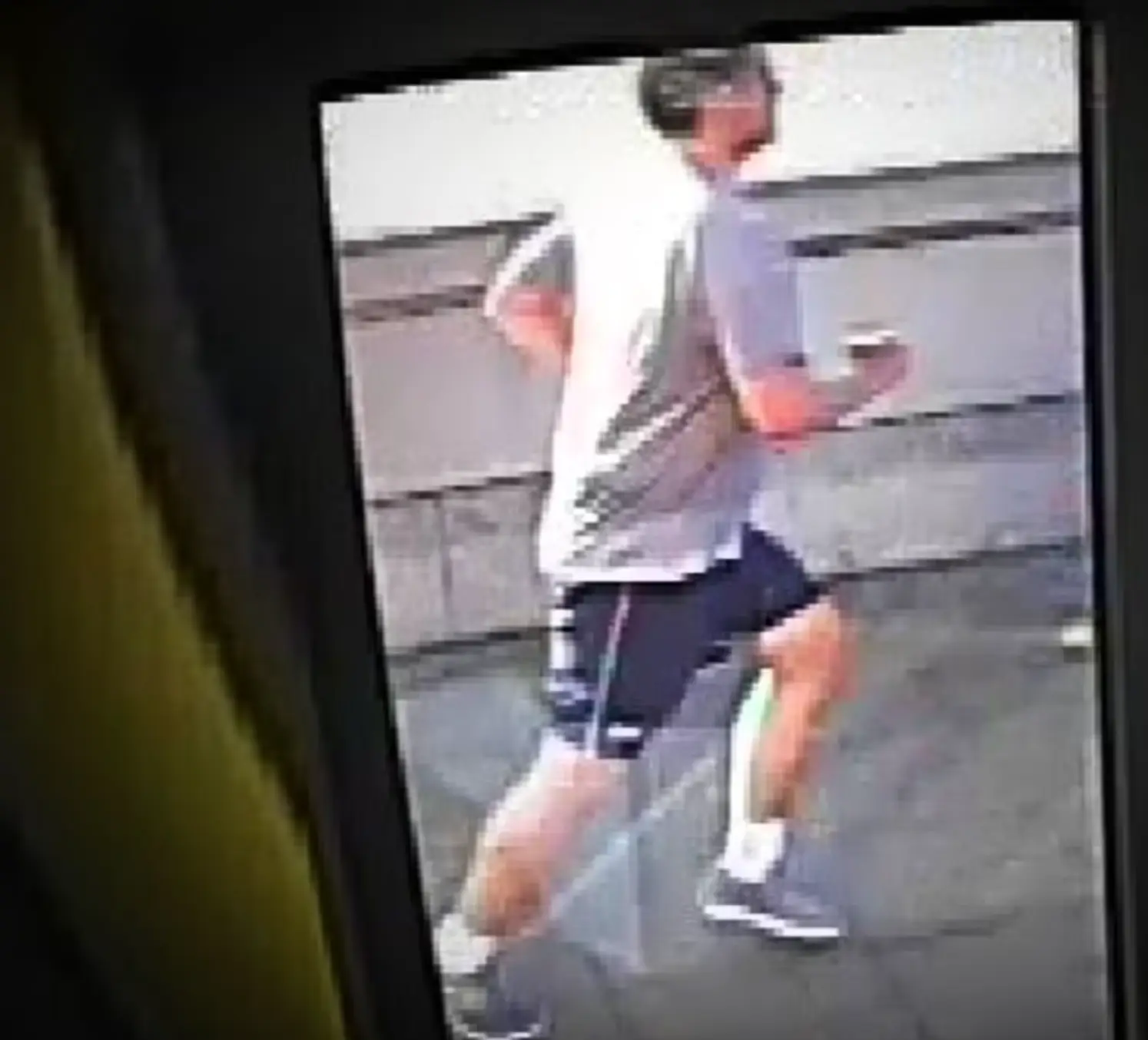
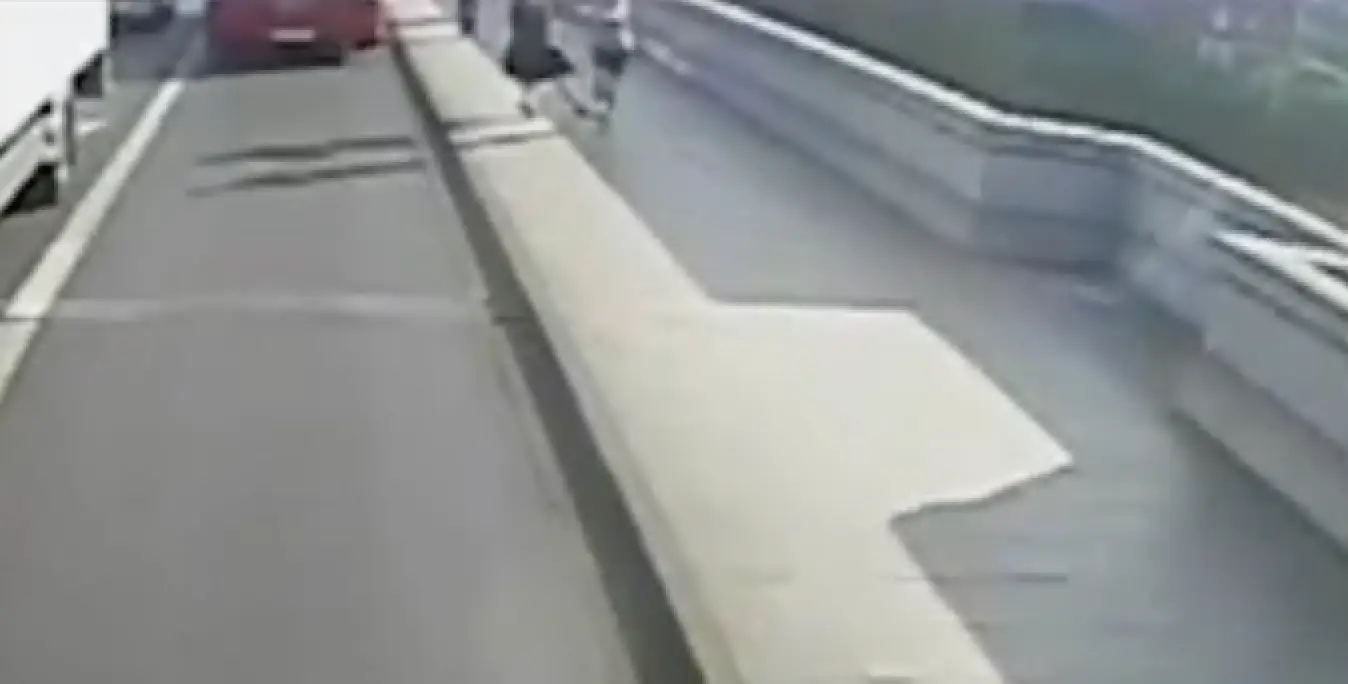
The incident happened on 5 May 2017 and sparked a major police investigation after CCTV footage showed the jogger running towards the woman before appearing to deliberately push her into the road.
Take a look at the Metropolitan Police footage:
Bus driver Oliver Salbris later told the Sunday Times that he swerved to avoid hitting her, saying: "I would have smashed her head," before adding: "The consequences would have been terrible for her – and for me."
It was reported that around 15 minutes after the incident, the jogger returned across the bridge in the opposite direction and ignored the woman when she attempted to speak to him.
Detectives identified more than 50 people of interest during the investigation before closing the case in 2018, saying all lines of inquiry had been exhausted.
The case was reopened years later, with Brandram arrested earlier this year in June and released under investigation.
The Metropolitan Police said he had also been arrested on suspicion of possession of class A and class B drugs.
Following his death, the force referred itself to the Independent Office for Police Conduct (IOPC) over its contact with Brandram.
The Met previously said his death was being treated as 'unexpected' but not suspicious.
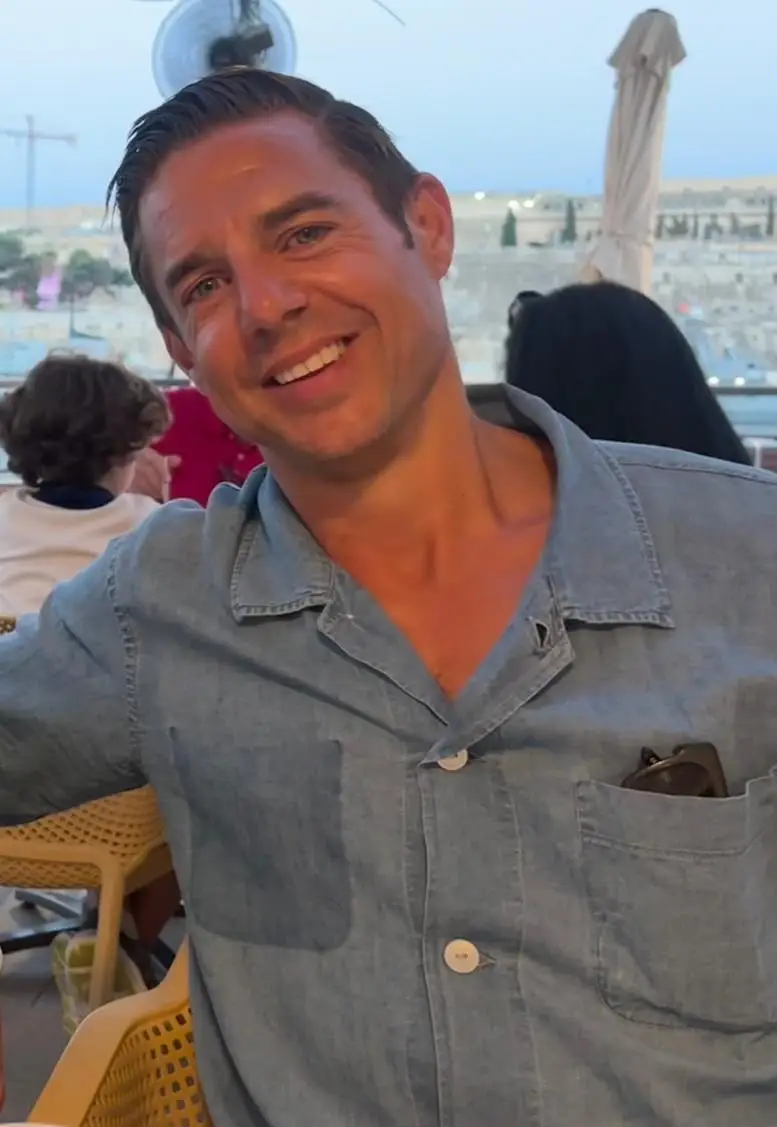
Now, a statement released on behalf of Brandram's immediate family on Thursday (17 September) has disputed his involvement in the 2017 incident.
The family said Nicholas had 'taken his own life after months of immense pressure caused by a Metropolitan Police investigation into whether he was the so-called 'Putney Pusher'".
They also claimed there was no forensic evidence linking him to the attack.
The statement continued: "There was no forensic evidence linking Nick to it, no evidence placing him on Putney Bridge at that time, and no credible evidence that he was the man shown in the footage. In fact, the evidence proved the opposite.
"Despite that, the police chose to arrest Nick rather than invite him to attend for interview. They searched his home, and the Met Police press team then released information which inevitably led to speculation and Nick being identified in subsequent reporting."
The family said the investigation had continued to affect Brandram despite the original case having been closed years earlier.
"For Nick, the consequences did not disappear. He was left for months carrying the stigma of an appalling allegation which the police themselves clearly recognised was unsupported by the evidence," they said.
"He lived with the shame, anxiety, humiliation, and extraordinary pressure created by a wholly unnecessary investigation."
They said they had repeatedly asked police to end the investigation and had warned them about its impact on Brandram's mental health.
"Even then, the investigation was not brought to an end. As a result, Nick is dead."
The IOPC has confirmed it received a mandatory referral from the Metropolitan Police.
An IOPC spokesperson said: "We have received a mandatory referral from the Met Police relating to prior contact officers had with Nicholas Brandram, who was sadly found unresponsive and declared deceased on 15 September. We are currently assessing the referral before deciding whether further action is required from us."
Tyla has reached out to the Metropolitan Police for further comment.
If you’ve been affected by any of these issues and want to speak to someone in confidence, please don’t suffer alone. Call Samaritans for free on their anonymous 24-hour phone line on 116 123 or contact Harmless by visiting their website https://harmless.org.uk.
 Rhiannon Ingle