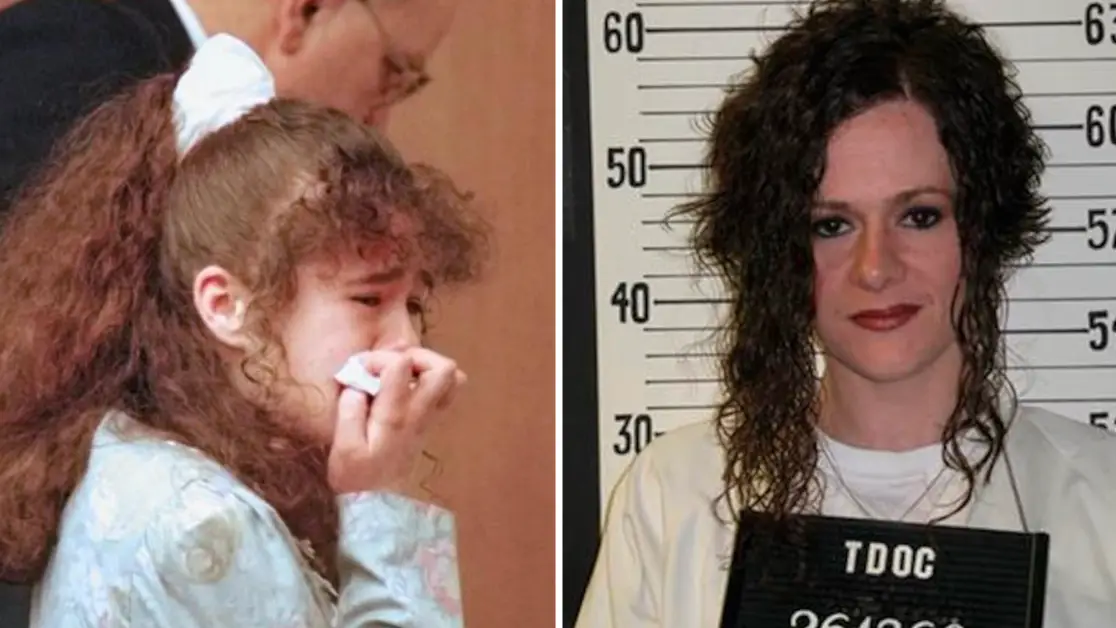
Life and words of Christa Pike - the youngest woman on death row still awaiting execution 30 years on

Three decades ago, Christa Pike sat in a Tennessee courtroom as a judge delivered a sentence that would define nearly her entire adult life.
The young woman, who had just turned 20, was told she'd be put to death for the brutal murder of 19-year-old Colleen Slemmer.
Now, nearly 30 years later, Pike is facing the end of that sentence.
The convicted killer's execution has been scheduled for 30 September 2026 at Riverbend Maximum Security Institution in Nashville. Her state-authorised death will make her the first woman executed by the state of Tennessee in more than 200 years.
Advert
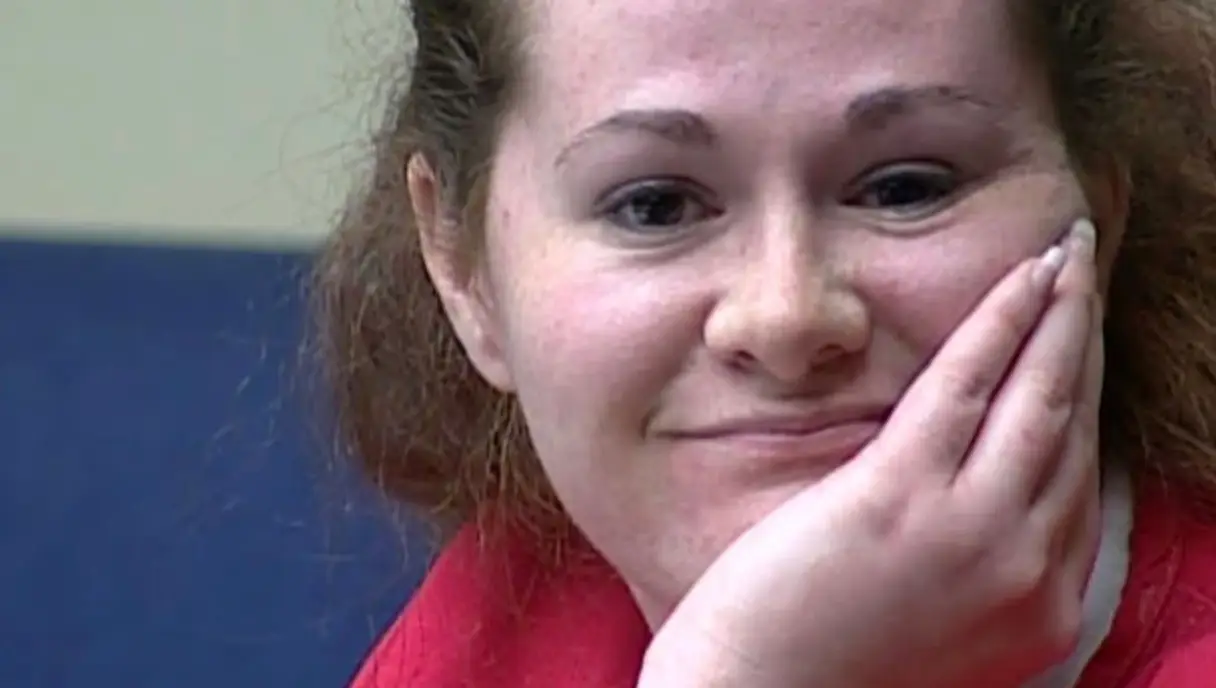
But footage from the day Pike was sentenced has resurfaced as her final days loom, capturing an extraordinary moment as the reality of her capital punishment appeared to overwhelm her.
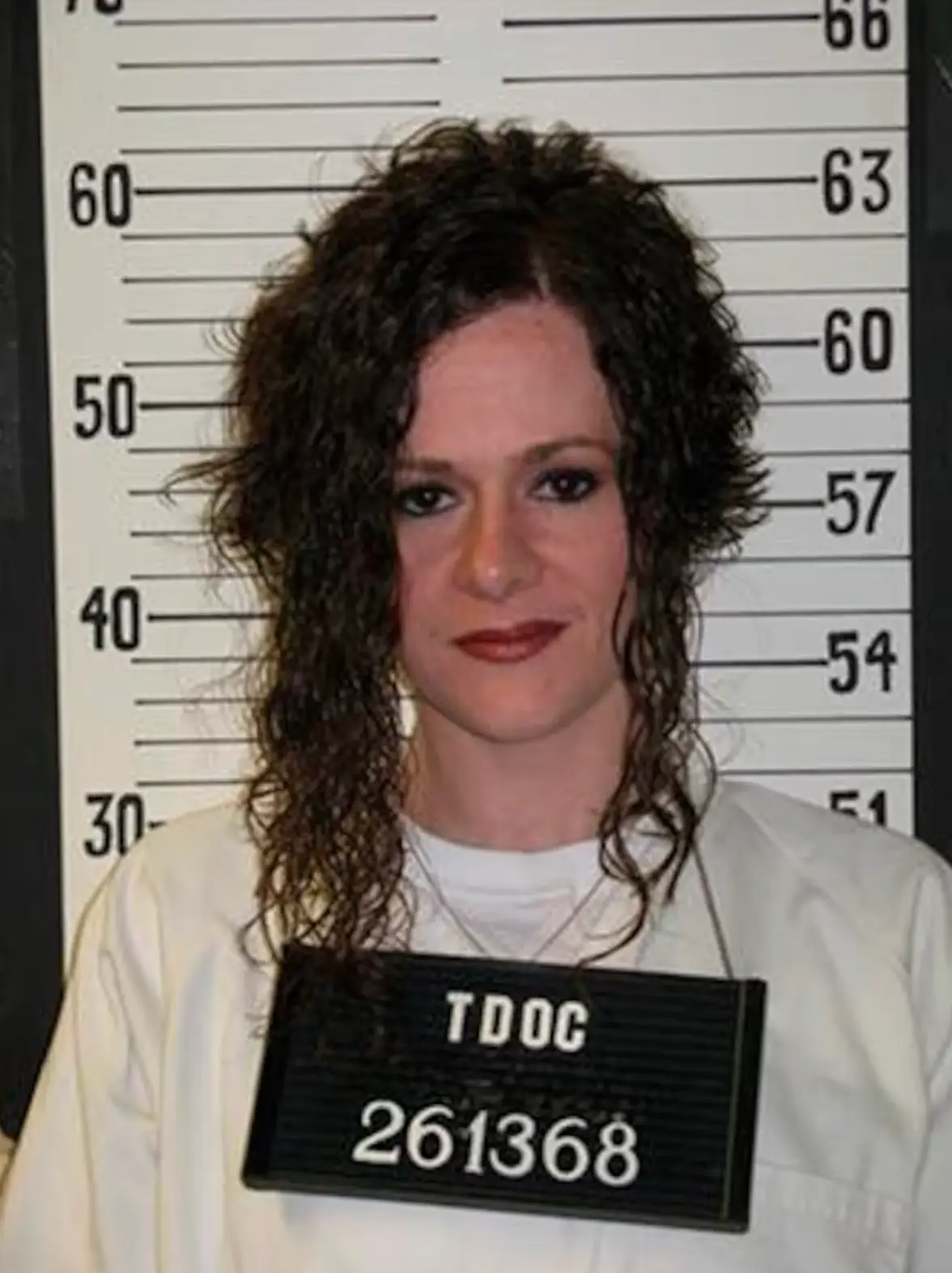
After her sentence, she made a desperate plea to the woman sitting behind her.
And, according to the latest reporting, those were the final words she spoke before she was taken away to begin nearly a lifetime on death row.
Who was Christa Pike?
Pike had been born prematurely in West Virginia, arriving in a troubled home, where she quickly experienced periods of neglect.
Her childhood was marked by instability, abuse and mental health struggles. She later said she had been sexually assaulted as a child, including being raped at 11, and was raped again by a stranger at 17.
She ran away from home as a teenager, struggled at school and spent time in a juvenile facility before eventually earning her GED.
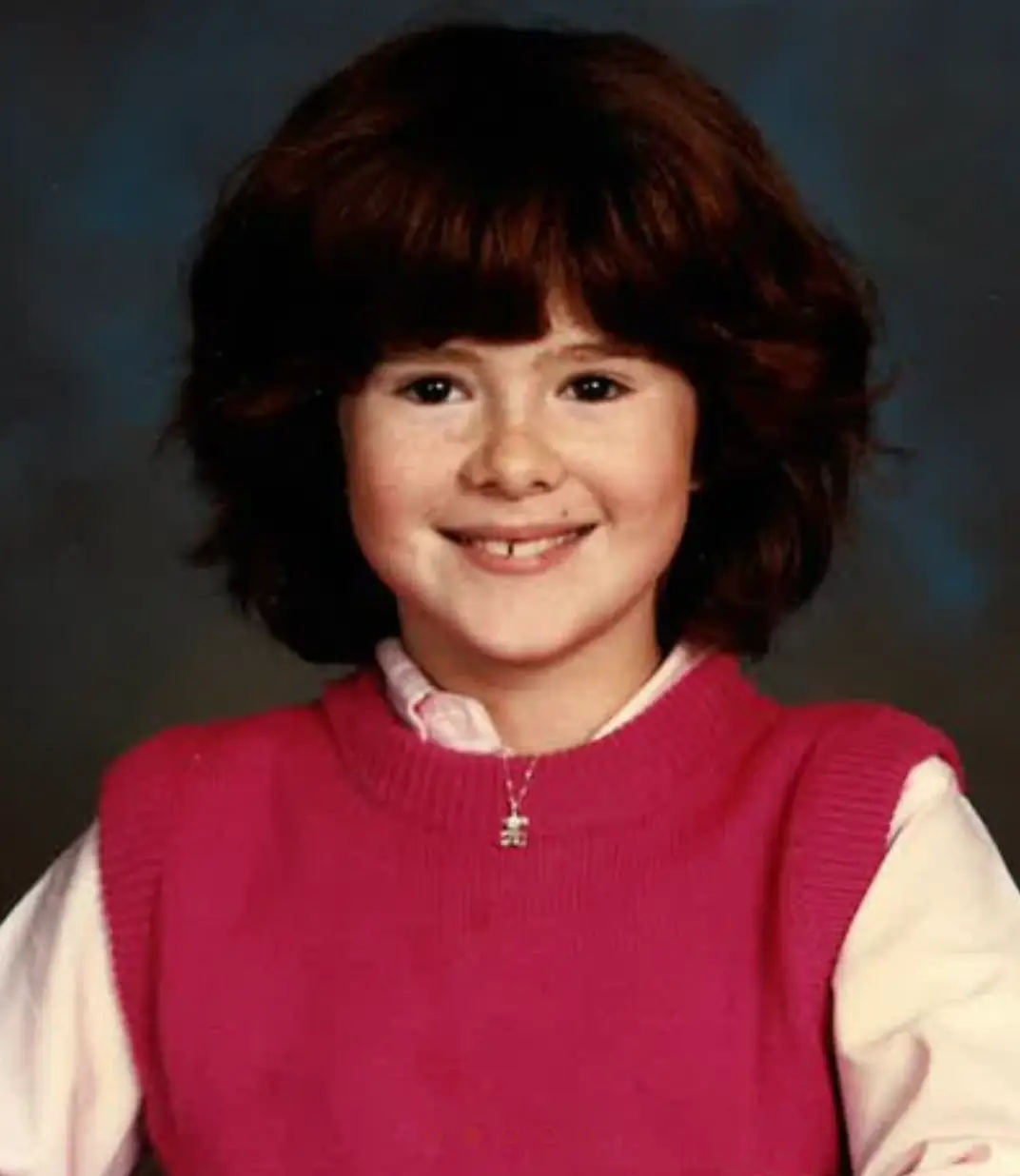
At 18, Pike enrolled at the Job Corps centre in Knoxville in late 1994, hoping to train as a nursing assistant.
It was there that she met Tadaryl Shipp, a 17-year-old fellow student with whom she began a relationship, which would become central to the blood-curdling events that followed.
What happened to Colleen Slemmer?
On 12 January 1995, when Pike was still just 18, she brutally murdered fellow Knoxville Job Corps student, Colleen Slemmer.
In the weeks prior, she'd become convinced that Slemmer had been trying to capture Shipp's attention.
The couple - along with a friend, Shadolla Peterson, 18 - lured Slemmer to an isolated area near the University of Tennessee's Agricultural campus, reportedly telling her they wanted to make peace and offering her marijuana. Instead, they attacked her.

Court testimony described a prolonged assault lasting as long as 30 minutes, during which she was stabbed and beaten.
Pike was also accused of carving a pentagram into Slemmer's chest before smashing her head with a piece of asphalt. According to reports, she later kept a piece of the victim's skull, which she showed to another student, resulting in her, Shipp and Peterson being arrested.
The brutality of the killing would become central to the prosecution's case against Pike.
But there was another question hanging over what happened next - what should be done with an 18-year-old who had committed such a horrific crime?
Why was Pike sentenced to death?
Pike never denied the role she played in Slemmer's murder, but insisted she was merely trying to scare her fellow student, and that their plan quickly spun out of control.
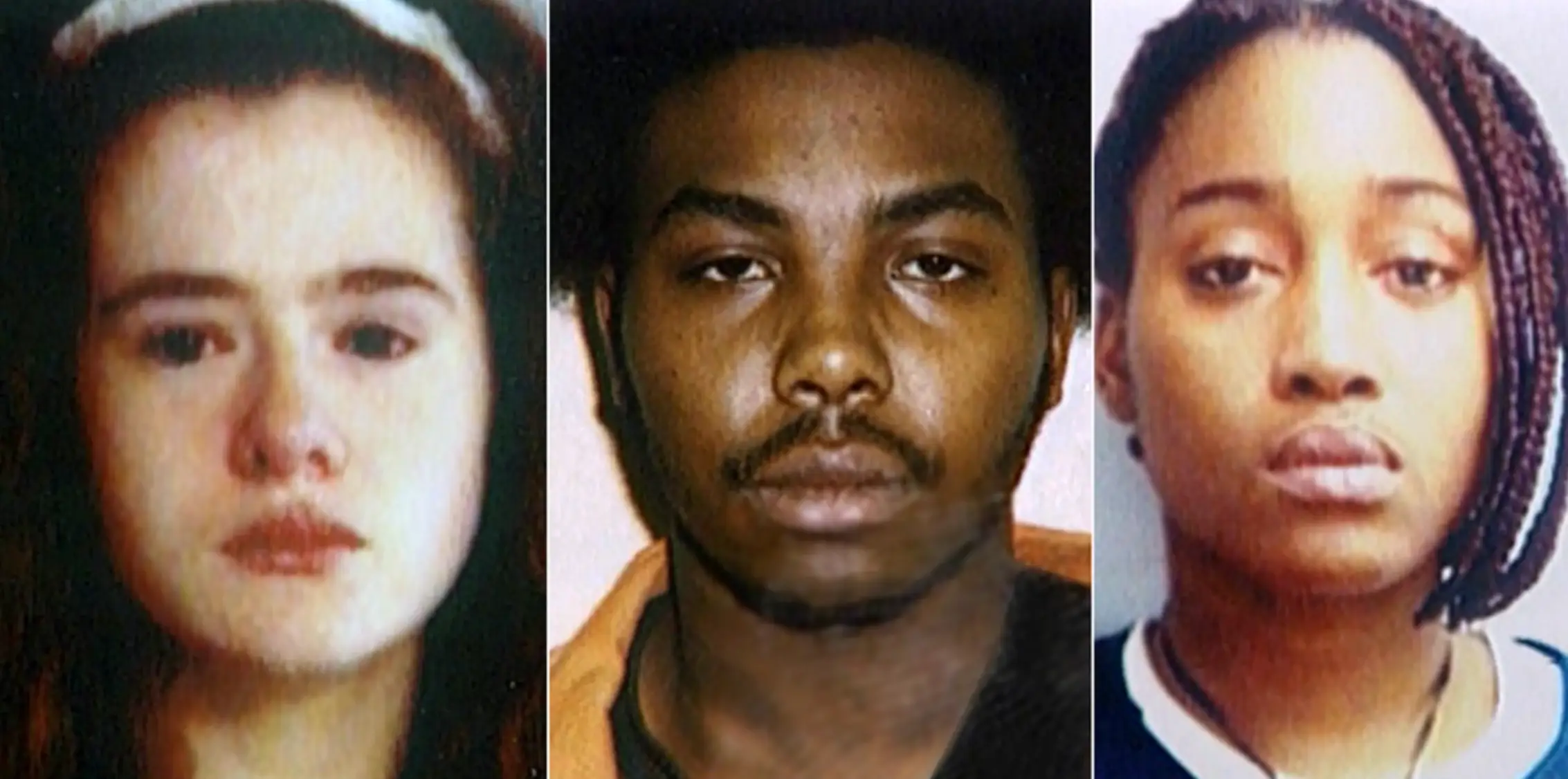
Shipp, who had participated in the killing despite being younger than 18, was convicted of first-degree murder but received a life sentence.
Peterson testified against Pike and Shipp and received probation.
Pike, meanwhile, was formally sentenced to death by a judge, who convicted her of first-degree murder, as well as conspiracy to commit murder, a year after the frenzied attack upon Slemmer.
At the time, she became the youngest woman in modern US history to receive a death sentence, with the punishment initially specifying electrocution.
It was as the judge read that sentence aloud that a young Pike began to break down.
What were Pike's final words before being taken away?
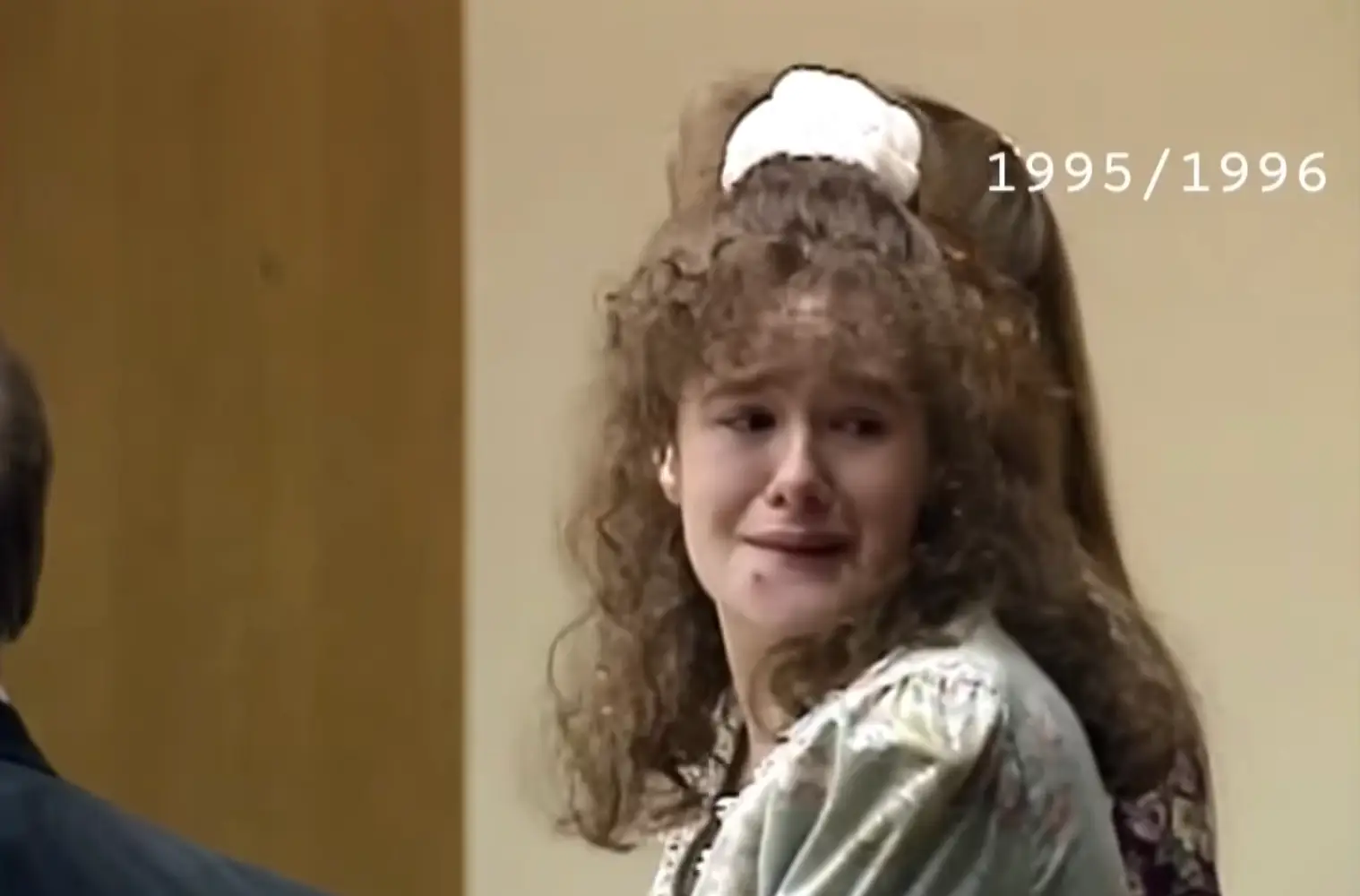
The footage from 30 March 1996 shows Pike crying, her shoulders shaking, as the judge tells her that she will be put to death.
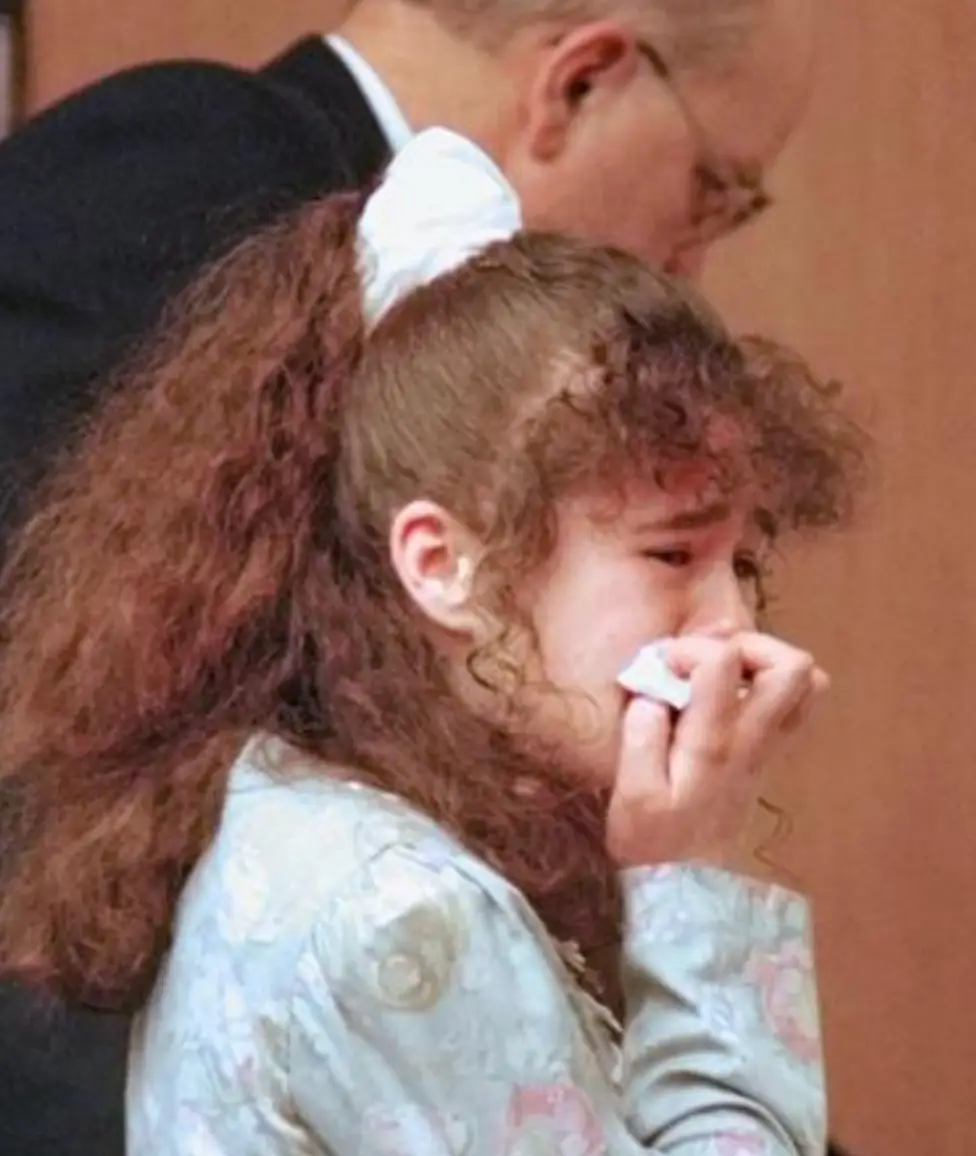
"Your body shall be subjected to a shock by sufficient current of electricity that you shall die," she was told. "May God have mercy upon you."
Hearing the words, Pike turned to the back of the courtroom, searching desperately for her mother.
She then pleaded with the judge: "Can I please hug my mom before I go?"
Pike then wailed: "Please, just let me have a hug. I love you."
She wasn't permitted to approach her mother, and instead was transported directly to death row.
What has Pike said in the years since?
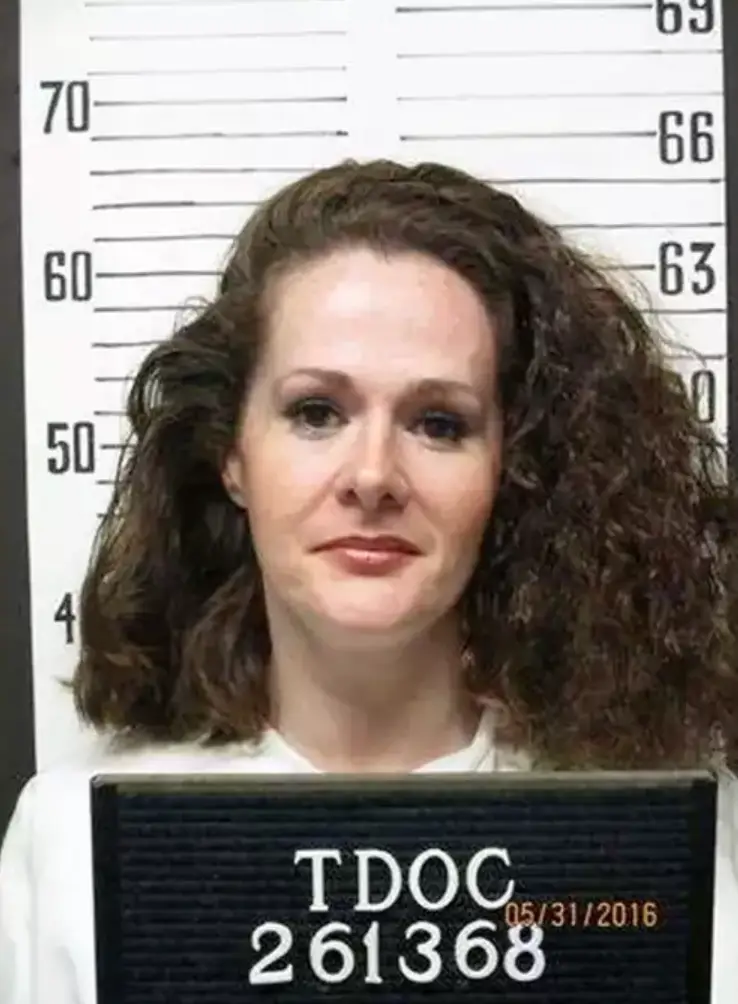
During her almost 30 years on death row - much of which has been spent imprisoned in extreme isolation - Pike has had time to reflect on her crime.
Her lawyers previously argued that her being housed separately from other prisoners amounted to prolonged solitary confinement, with Pike spending up to 24 hours a day in a cell measuring around 8ft by 10ft.
In 2024, Pike won a lawsuit that loosened the restrictions, allowing her to spend some time outside her cell with one or two other female prisoners. Her lawyers have also argued that the isolation had a serious impact on her mental health.
In a handwritten letter she wrote during this time, Pike penned: "Think back to the worst mistake you made as a reckless teenager. Well, mine happened to be huge, unforgettable and ruined countless lives. I was a mentally ill 18-year-old kid."
She also acknowledged the devastating consequences of what she'd done to Slemmer.
"It took me numerous years to even realise the gravity of what I'd done," Pike continued. "Even more to accept how many lives I affected. I took the life of someone's child, sister, friend.
"It sickens me now to think that someone as loving and compassionate as myself could commit such a crime."
Her legal team now have long argued that Pike accepts that she should remain imprisoned for life, insisting she should not be executed.
Their latest clemency campaign- a 226-page petition submitted to Tennessee Governor Bill Lee in September - placed much greater emphasis on Pike's childhood, asking him to commute her death sentence to life without parole.
The petition argued that Pike experienced years of severe sexual and physical abuse and neglect before she committed the murder, and pointed to mental-health problems, including bipolar disorder, which was diagnosed only after her trial.
Crucially, Pike's lawyers say the jury which decided whether she should live or die never heard the full extent of her traumatic childhood.
Kelleigh Gleason, one of her clemency lawyers, said: "None of the rapes, none of the sexual abuse as a child, were introduced."
What will happen now?
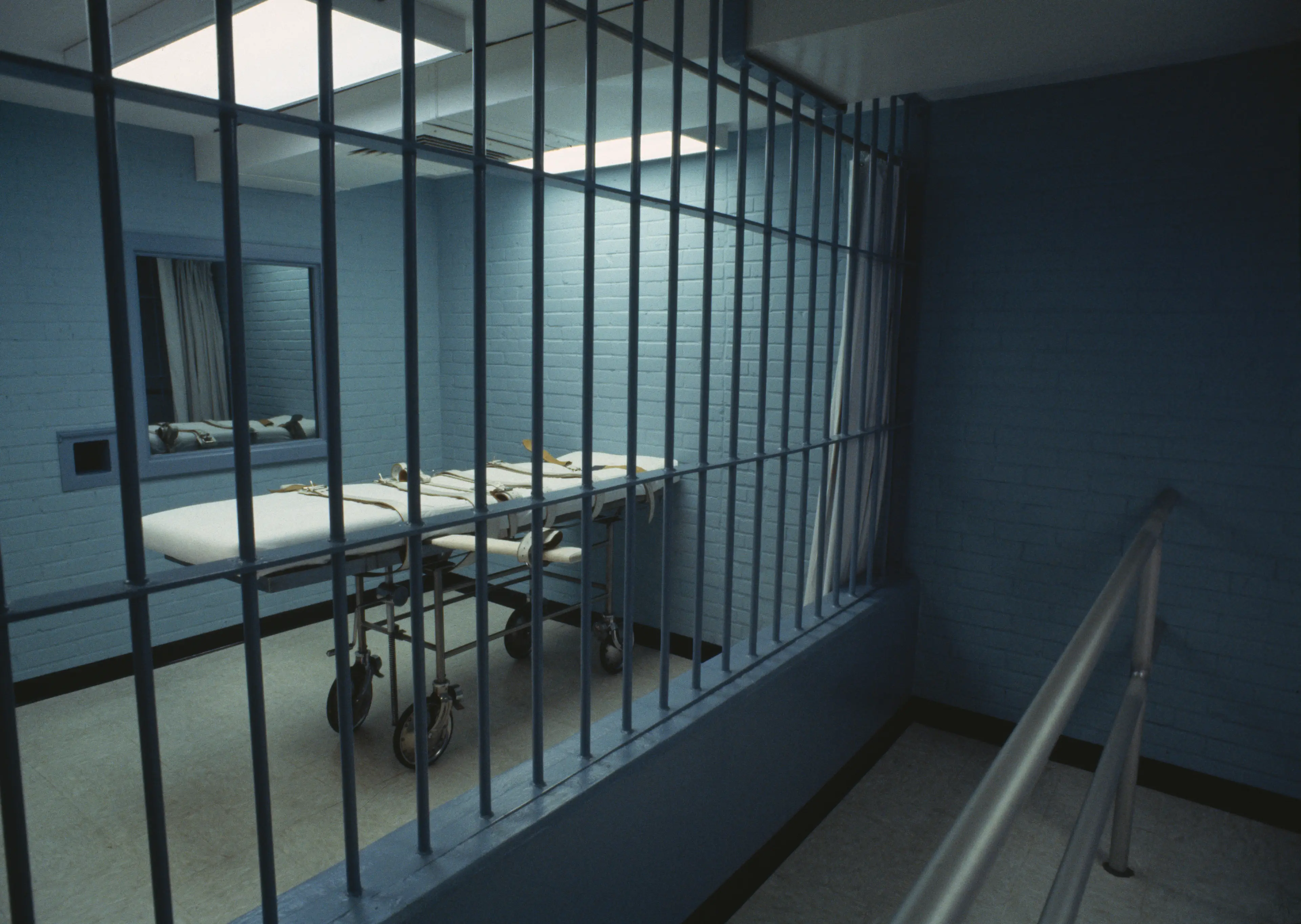
At the time of writing, Pike's execution remains scheduled for 30 September 2026, when she's now due to die by lethal injection.
The Tennessee Department of Correction confirmed last week that it was already accepting applications for media witnesses for the execution, which is scheduled for 10 am local time.
Pike has continued to challenge the method by which Tennessee intends to execute her.
In August, a three-day evidentiary hearing examined whether the state's lethal-injection protocol could expose her to an unconstitutional risk of pain or suffering, including because of her medical and psychological circumstances.
Her lawyers also raised concerns about the way she would be transferred to the execution facility and the potential psychological impact of being handled and restrained.
Despite this, the challenge was rejected, leaving the execution date in place.
Other legal avenues remain possible, however, meaning a scheduled execution is not necessarily the same thing as an execution certainly taking place.
The biggest remaining question may now sit with Governor Lee.
Topics: True Crime, Crime, US News, Real Life, News
 Rhianna Benson