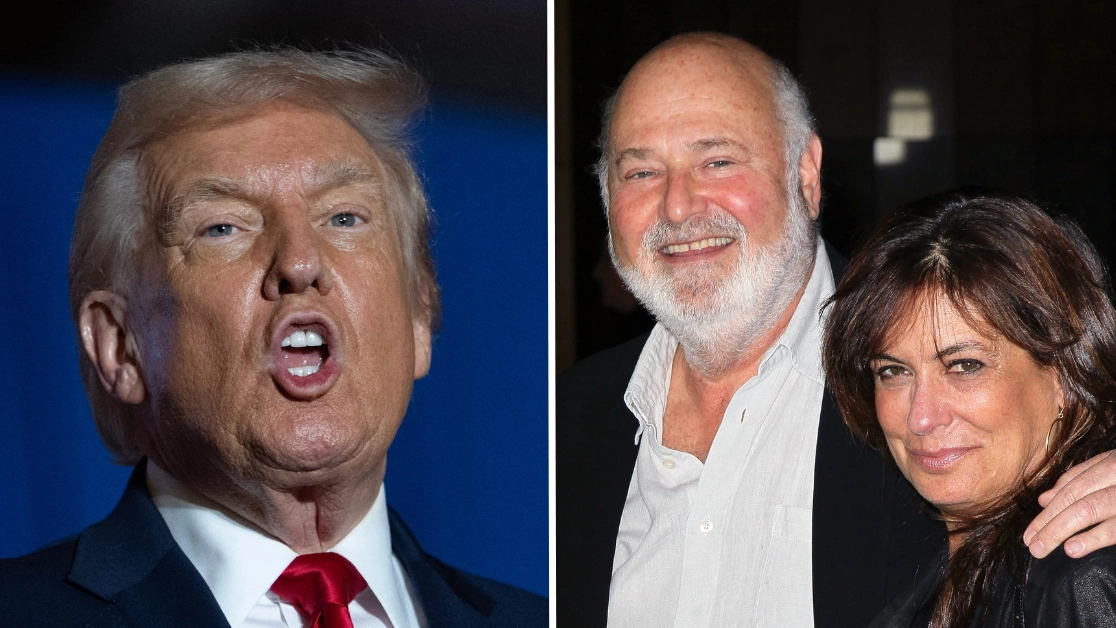
'Trump derangement syndrome' explained as Trump facing criticism over 'vile' Rob Reiner claim

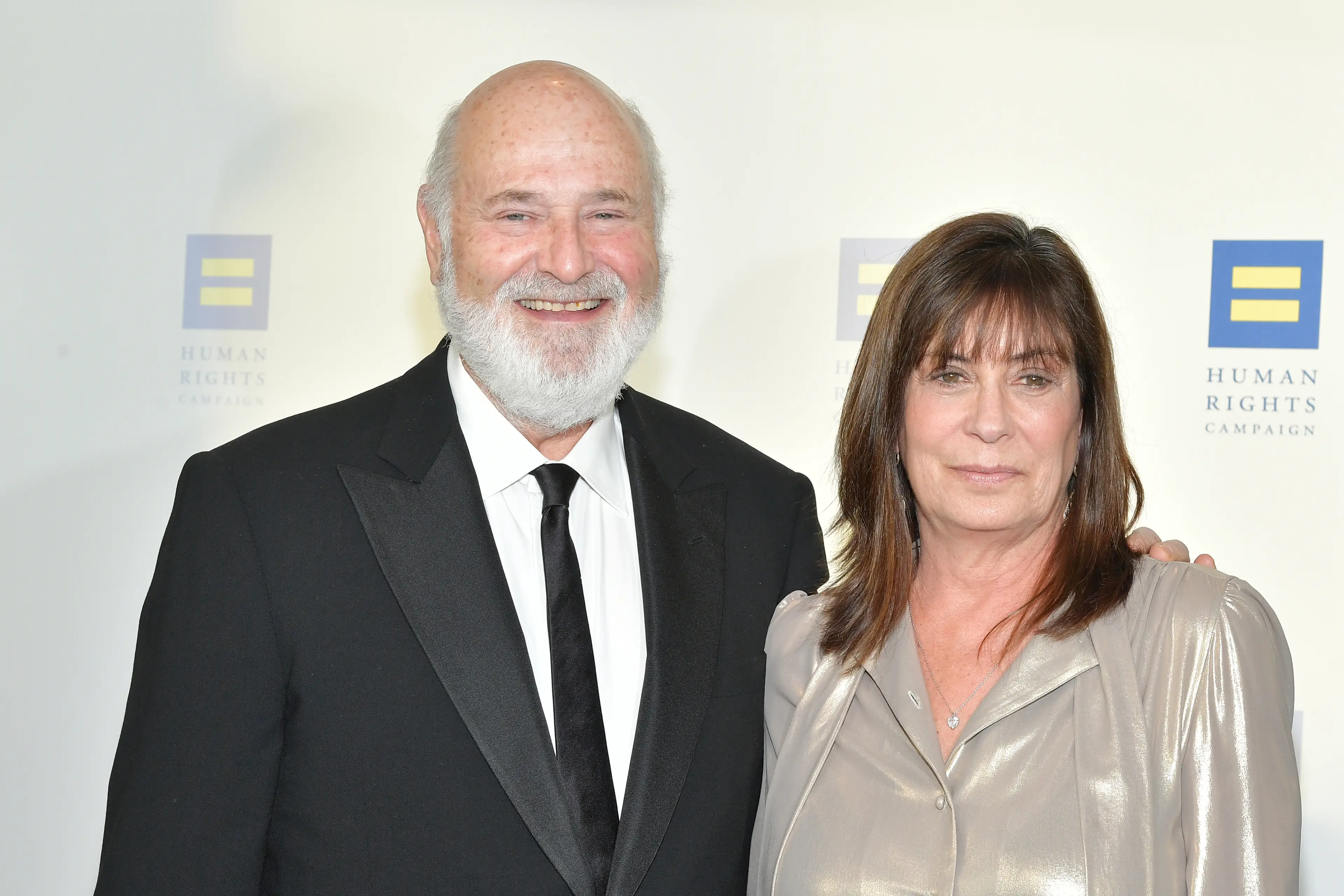
Questions have been raised this week after Donald Trump addressed the tragic deaths of actor Rob Reiner and his wife Michelle Singer, by referencing a 'condition' dubbed 'Trump derangement syndrome'.
The pair had been found dead in their Los Angeles home on Sunday (14 December), in what police described as an 'apparent homicide'.
Investigating officers in California later confirmed that the couple's 32-year-old son Nick had been arrested and 'booked for murder' - though, he has yet to be charged with a crime.
The sad news was quickly followed by a horde of online tributes, written by both fans and fellow A-listers, including Jane Fonda and Michelle Obama.
Advert
Also among those to speak out, was President Trump. The Republican frontman's message was far from an honourable commemoration, however, and more like a sour rant against Reiner and his family.
What did Trump say about Reiner?
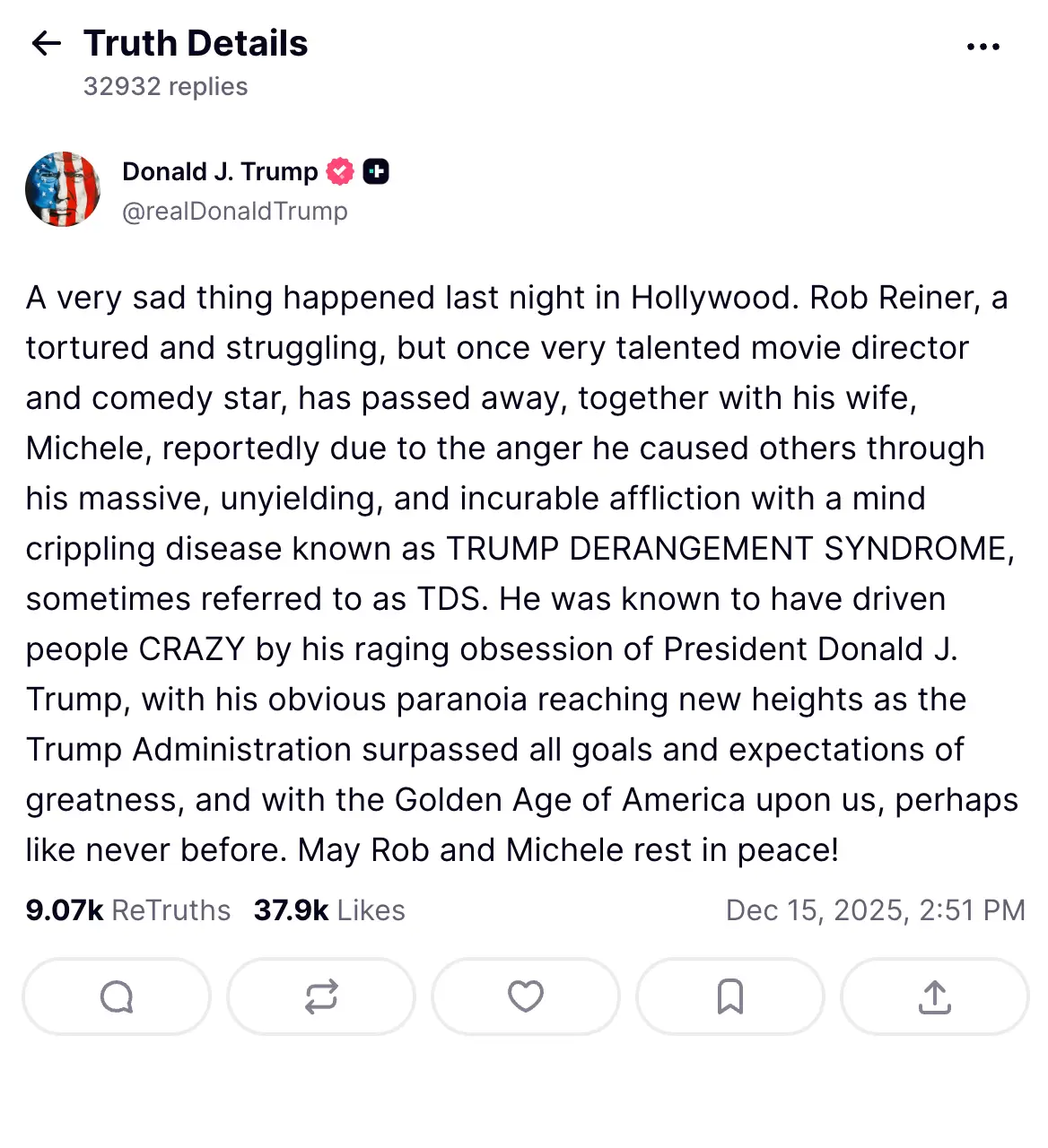
"A very sad thing happened last night in Hollywood," the 79-year-old wrote on Truth Social.
"Rob Reiner, a tortured and struggling, but once very talented movie director and comedy star, has passed away, together with his wife, Michele, reportedly due to the anger he caused others through his massive, unyielding, and incurable affliction with a mind crippling disease known as TRUMP DERANGEMENT SYNDROME, sometimes referred to as TDS."
Trump continued: "He was known to have driven people CRAZY by his raging obsession of President Donald J. Trump, with his obvious paranoia reaching new heights as the Trump Administration surpassed all goals and expectations of greatness, and with the Golden Age of America upon us, perhaps like never before. May Rob and Michele rest in peace!"
Unsurprisingly, the right-wing leader's controversial comments were met with immediate backlash, with critics slamming them as 'vile'.
Actor Patrick Schwarzenegger hit out on X: "What a disgusting and vile statement."
Movie star Whoopi Goldberg also added: "I don't understand the man in the White House. He spoke at length about Charlie Kirk and about caring, and then this is what he puts out.
"Have you no shame? No shame at all? Can you get any lower? I don't think so."
When Trump was later asked in the Oval Office whether he stood by his social media post, he said: "Well, I wasn't a fan of his at all. He was a deranged person as far as Trump is concerned."
What is 'Trump derangement syndrome'?
What do Republicans say?
Senior members of Trump's administration have many numerous public references to 'Trump derangement syndrome' since the father-of-five returned to the White House back in January.
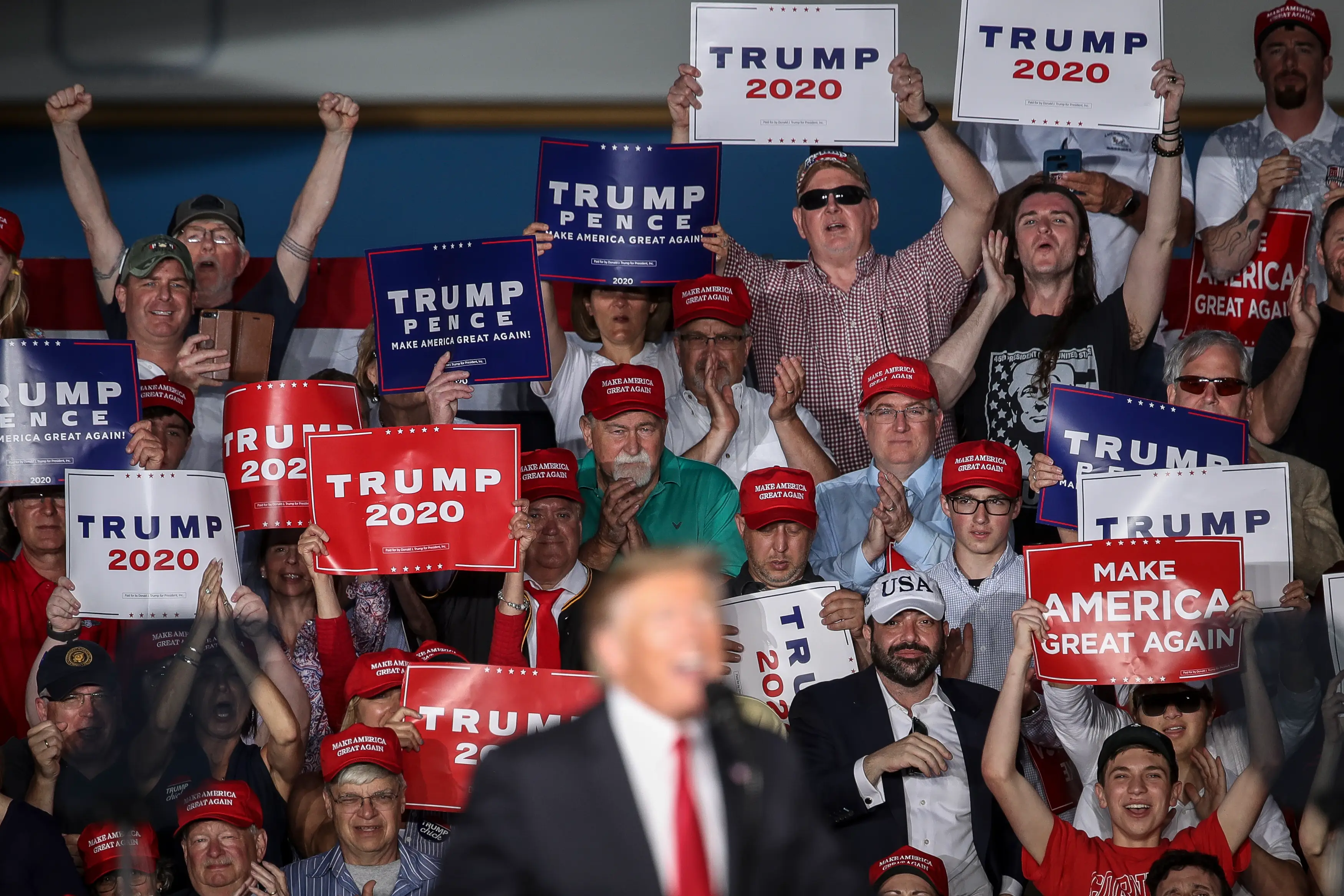
But what exactly is TDS? What are its symptoms, and most importantly, can you catch it? Well, according to MAGA fans' favourite 'psychiatrist', Dr Carole Lieberman, you can.
Speaking to the Daily Mail earlier this year, she described TDS as a 'legitimate psychological phenomenon', adding: "The symptoms mirror mass psychosis, where people lose all rational thinking when it comes to Trump."
In her view, indicators include lashing out verbally or physically when confronted by one of the the politician's outlandish policies, programmes and big-name pals - and apparently, even his face can trigger an inability to remain calm.
"TDS causes otherwise logical individuals to become obsessive, paranoid, and even violent at the mere mention of Trump’s name," Lieberman continued. "This level of emotional instability has real-world consequences."
What do mental health experts say, however?
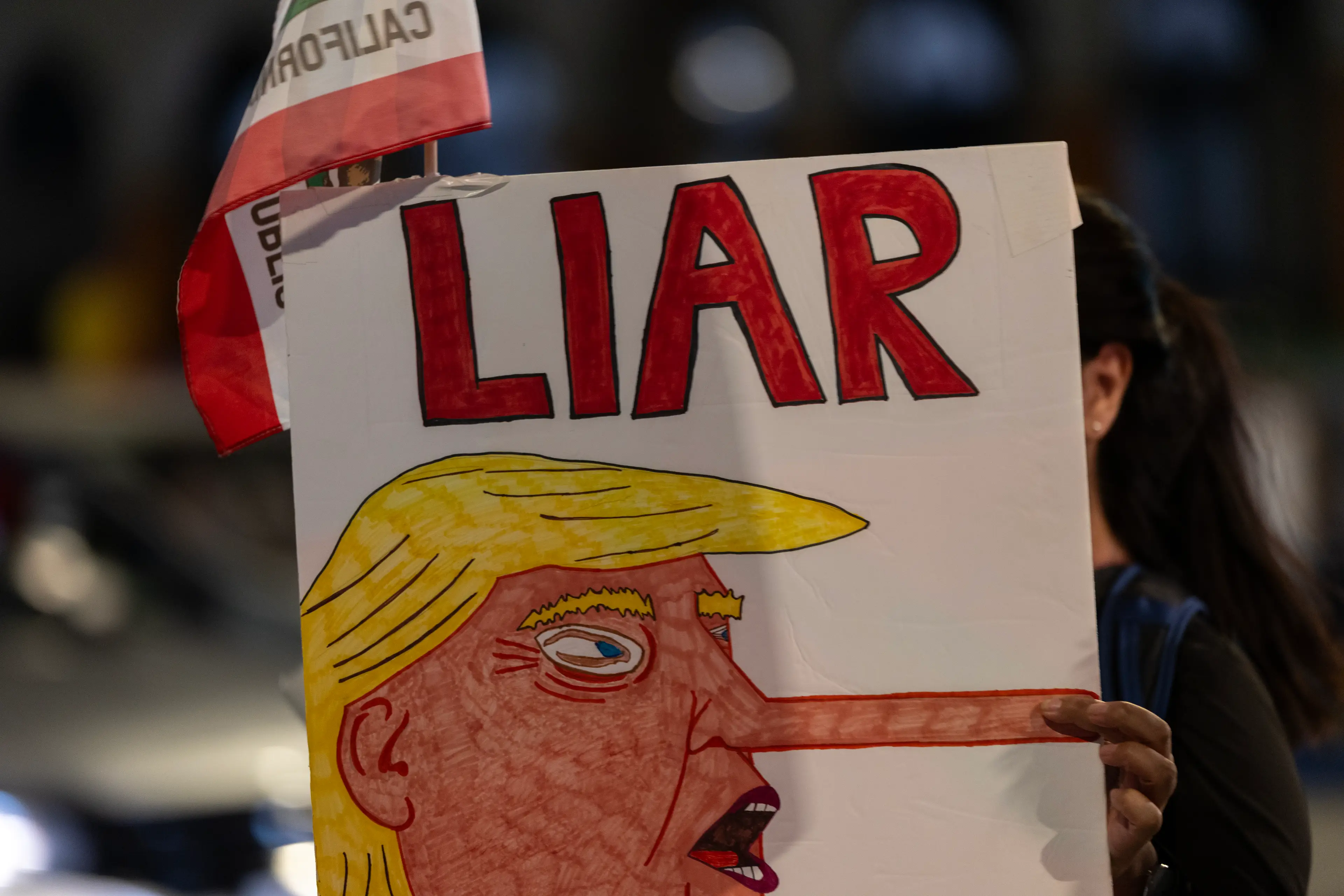
Having grown tired of the term being posed as an actual psychiatric diagnosis, however, therapist Brad Brenner, Ph.D recently attempted to offer up answers to bizarre questions surrounding 'Trump derangement syndrome'.
"TDS is political slang - not a diagnosis listed in the DSM-5 or any other clinical manual," he explained. "Supporters of President Donald Trump coined it as a rhetorical jab, claiming critics and political opponents are so blinded by dislike that they can’t perceive reality."
Brenner continued: "The label discredits rather than describes and its very existence shows how political language can blur the line between clinical insight and partisan insult."
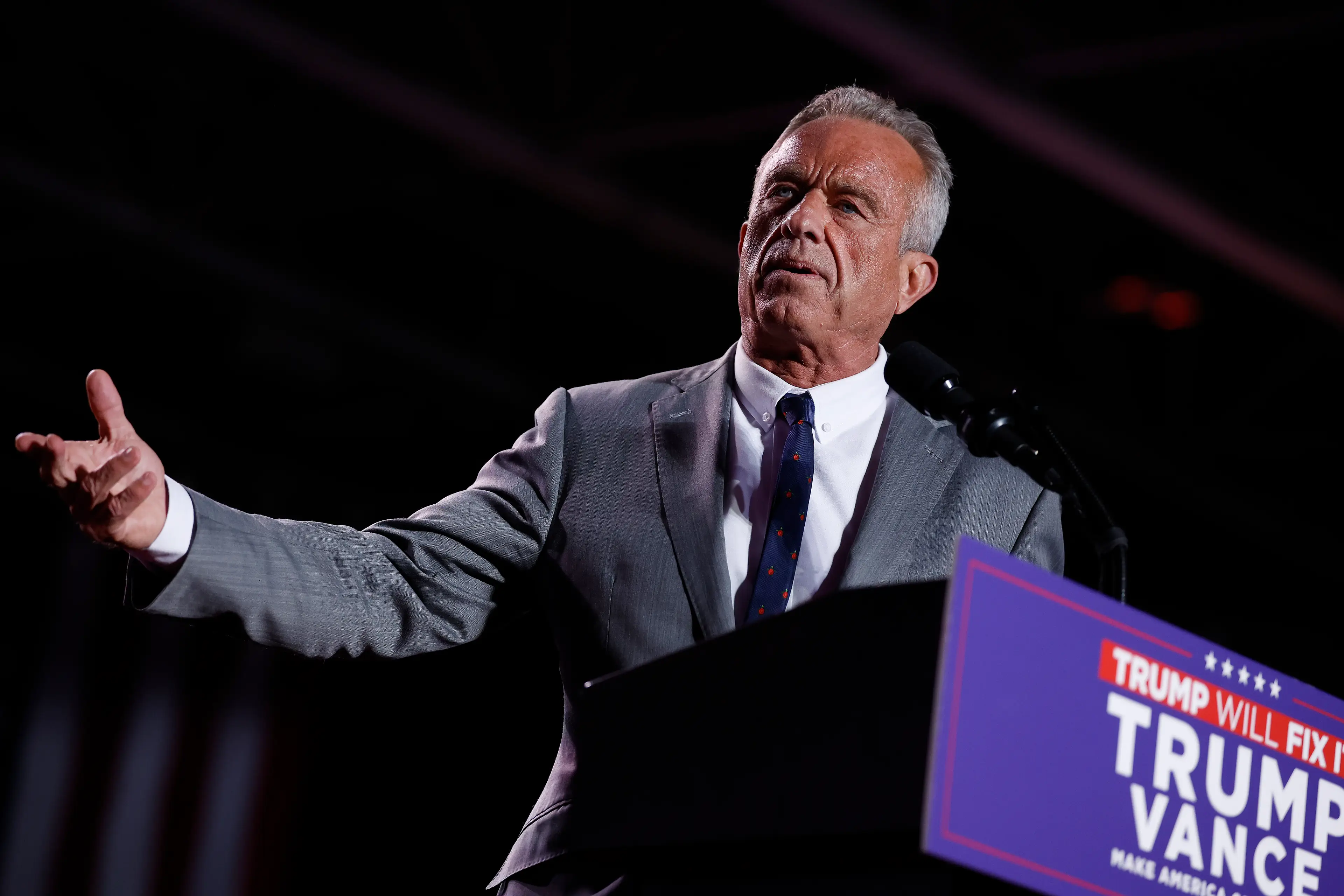
Recently, Trump's secretary Robert F. Kennedy Jr referenced TDS while making a bizarre false claim about female anatomy.
"This morning before I came in here somebody showed me a TikTok video of a pregnant woman, eight months pregnant," RFK Jr said, during an Oval Office conference. "She is saying 'f**k Trump' and gobbling Tylenol with her baby in her placenta.
"The level of Trump Derangement Syndrome has now left the political landscapes and it has now in the realm of pathology."
Another example came recently, when a White House spokesperson was approached by Tyla about the nine-figure renovations of the presidential residence, to which they replied: "Only people with a severe case of Trump Derangement Syndrome would find a problem with that."
With recent events showing that MAGA fans and frontrunners are willing to thrust the description onto left-leaning voters, Brenner went on to point out that TDS insults demonstrate 'how politics can hijack both mental health and the language we use to discuss it'.
"Stirring powerful emotions that affect even otherwise non-partisan people," he added. "And underscores why the grounding strategies we cover next are so important for safeguarding our minds, relationships, and civic dialogue."
The term serves as means of stigmatising Trump's opponents, coming for their person as well as their politics, with some Republicans seemingly convinced that the two are mutually exclusive.
"Over the past several decades, public conversation about mental health has generally moved toward respectful, stigma-free language," Brenner continued. "Terms like 'crazy' or 'lunatic' are fading from serious discourse.
"That’s why labels such as 'Trump Derangement Syndrome' feel like back-sliding: they revive the old habit of using mental-health language as an insult."
Topics: Donald Trump, US News, Politics, Health, Mental Health, Celebrity
 Rhianna Benson