Symptoms of hantavirus as two Brits head home to self-isolate following outbreak on cruise

Questions are arising over the symptoms of hantavirus after two Britons departed the illness-stricken cruise ship to self-isolate at home.
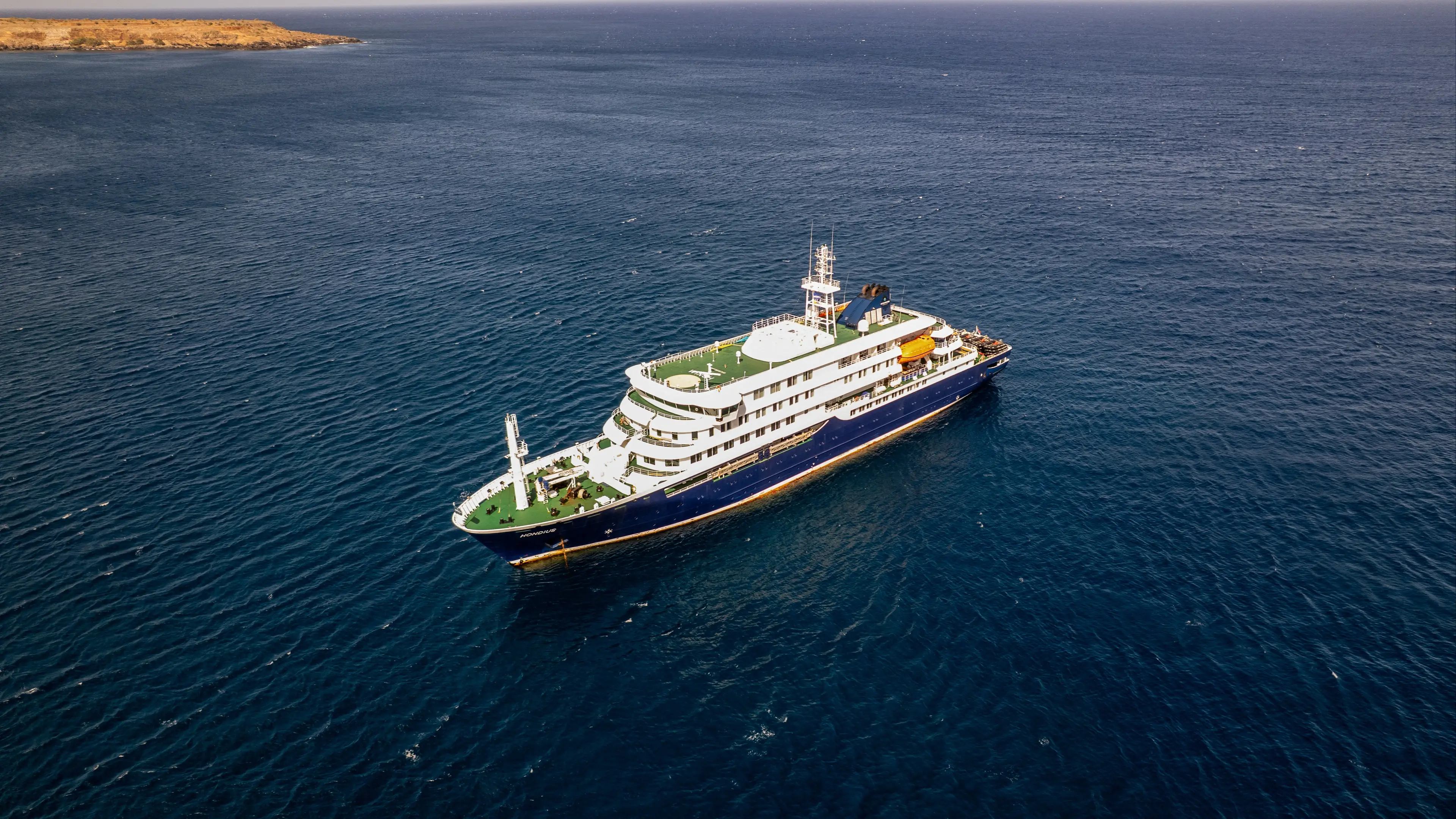
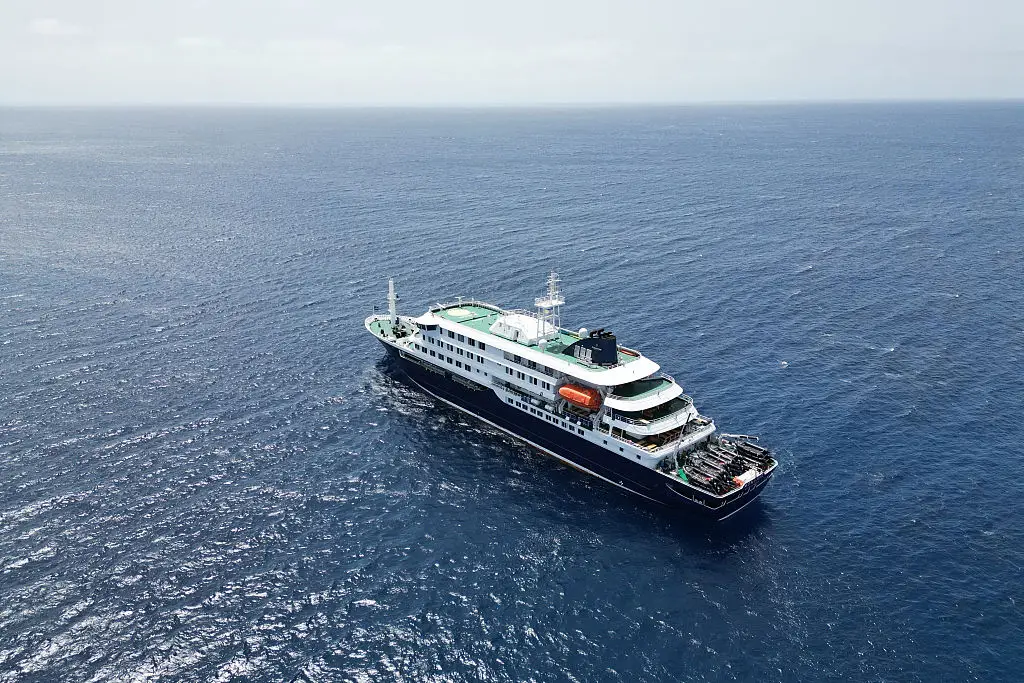
MV Hondius, which is a vessel operated by Oceanwide Expeditions, set sail from Ushuaia in Argentina on 1 April carrying 149 people - 88 passengers and 59 crew members.
Since then, three people have died either on board or after travelling on the ship, with the first fatality taking place on 11 April.
The boat is currently on its way to the Canary Islands and is due to arrive on Saturday (9 May) after local authorities were overruled by Spain's PM, who ordered for the ship to dock so passengers and crew members could be checked by medics.
Advert
However, in an update on Thursday (7 May), Oceanwide Expeditions explained that 30 people, including seven Britons, had already disembarked from the ship at St Helena on 24 April, with health authorities attempting to trace them.
Officials also confirmed that two passengers had since returned to the UK after failing to report any symptoms linked to hantavirus, where they're expected to self-isolate until told otherwise.
Once they heard of the ship's cases, they contacted health officials.
So far, eight cases of hantavirus have been reported, including three deaths, Dr Tedros Adhanom Ghebreyesus, director-general of the World Health Organisation (WHO), confirmed.
He said today: “Five of the eight cases have been confirmed as hantavirus, and the other three are suspected.
"Given the incubation period of the Andes Virus, which can be up to six weeks, it’s possible that more cases may be reported. While this is a serious incident, WHO assesses the public health risk low."
What is hantavirus?
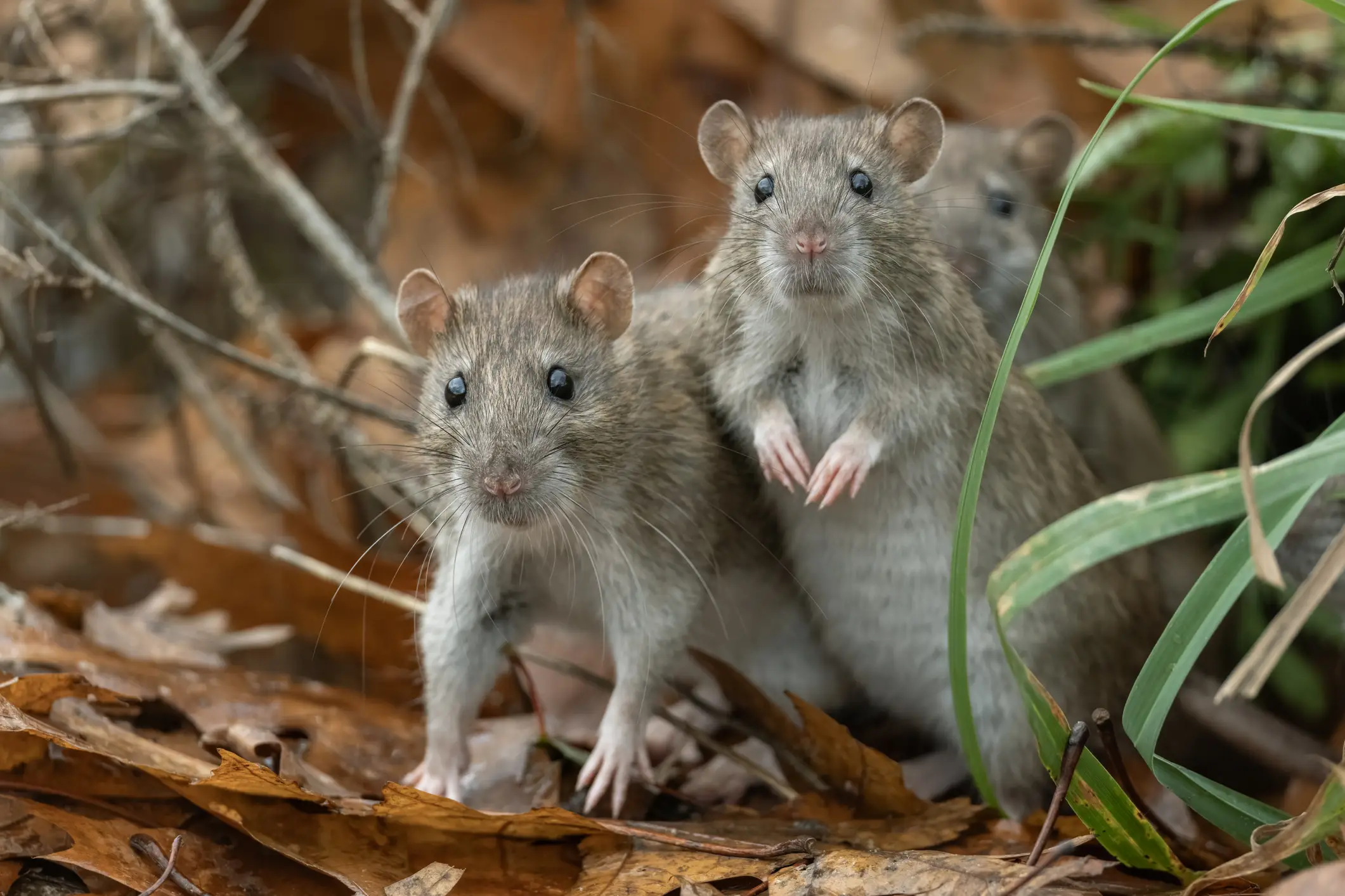
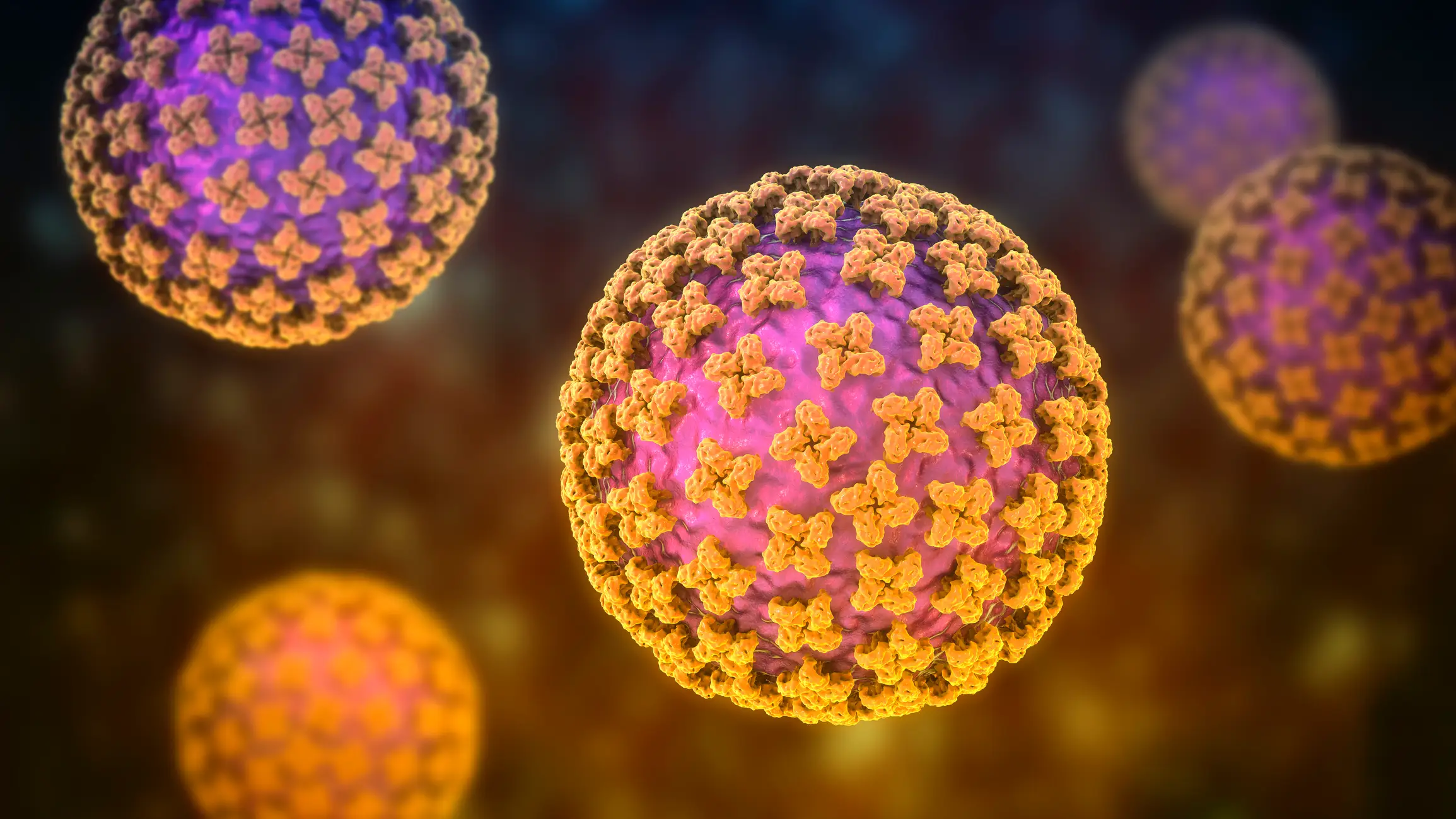
Hantavirus is a group of viruses carried by rodents that can be found in some areas of Europe, Africa, and Asia.
Most hantaviruses don't spread between humans, although person-to-person transmission has happened with the Andes virus strain in rare cases, which is the strain identified on the cruise ship.
When humans are infected, this tends to happen in places where people and rodents coexist, such as rural, agricultural settings, cleaning sheds, barns, and holiday homes where rodents might have nested.
People usually become infected by breathing in air contaminated that's been contaminated with virus particles from rodent urine, droppings, or saliva.
However, transmission between people occurs only through close contact, which is why the cruise passengers are self-isolating.
It begins with flu-like symptoms but rapidly progresses to more severe disease, which can lead to fatal and life-threatening lung and heart problems.
What are the symptoms of hantavirus?
As outlined by the UK Health Security Agency, symptoms of hantavirus infection include:
- Fever
- Extreme fatigue
- Muscle aches
- Stomach pain
- Nausea
- Vomiting
- Diarrhoea
- Shortness of breath
In some cases, people can develop severe breathing difficulties requiring hospital care.
Symptoms usually appear between two to four weeks after being exposed to the virus, there are reports of symptoms occurring up to 40 days after exposure.
The UKHSA advises that it's highly unlikely that you will have been exposed to this virus, and contact tracing teams will contact you directly if there is any risk that you have been exposed.
If you have been in contact with someone who has been identified as a contact of a person with hantavirus, you don't need to take any action and can continue your normal activities.
FCDO staff have already been in direct contact with British nationals on board the ship.
Topics: Cruise Ship, Health, Travel, News, World News, UK News
 Madison Burgess