Hantavirus outbreak on cruise ship that killed three could have been caused by landfill site visit

Health officials have provided an update after three cruise ship passengers died of hantavirus, believing they may have found the origin of the outbreak.
A rare strain of the virus called the 'Andes' variant - known to spread between individuals living in close quarters - was identified in patients linked to the epidemic this week.
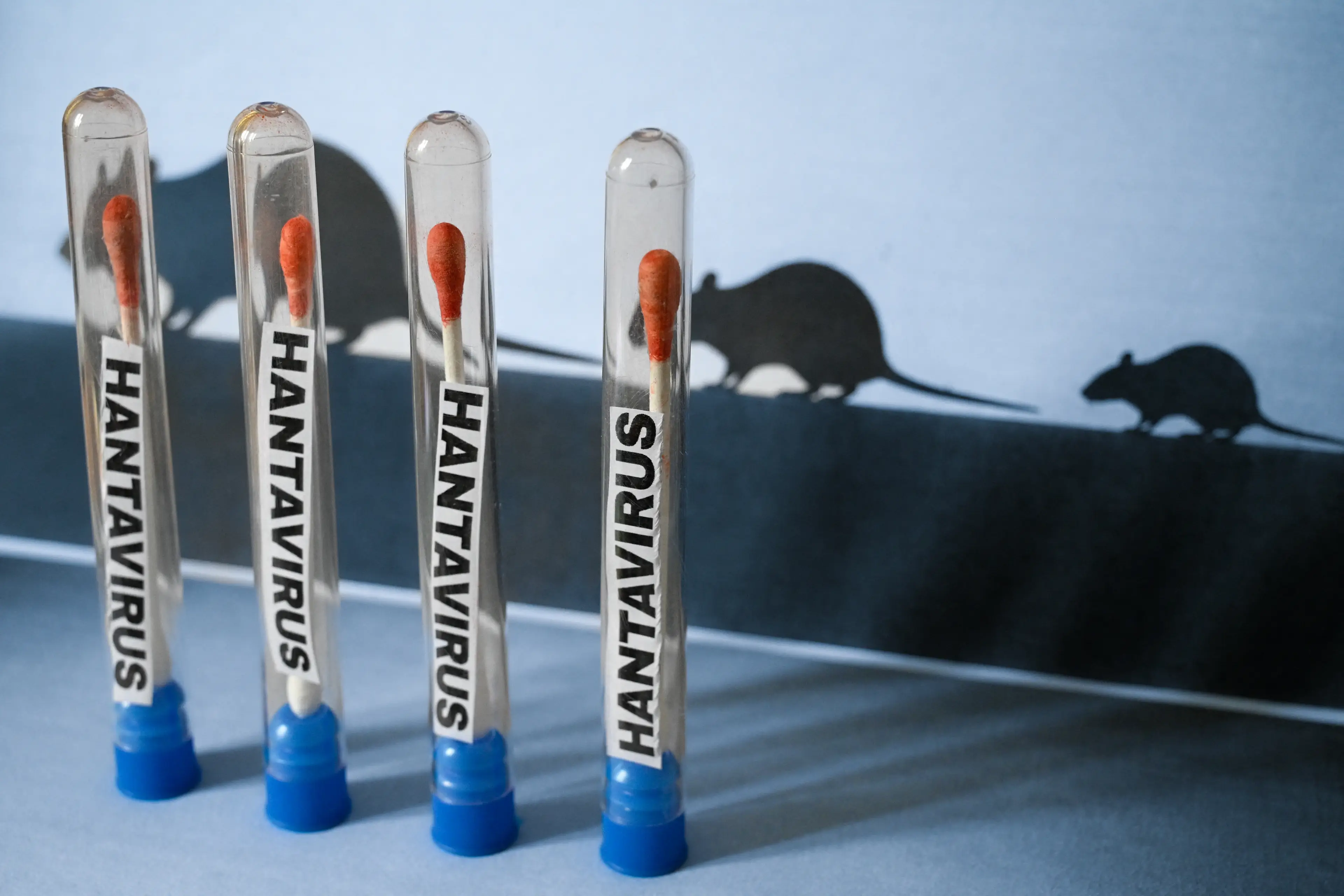
Hantavirus is traditionally spread through contact with the urine or faeces of rodents like rats and mice via the inhalation of airborne particles from dried rodent droppings. According to the US Centres for Disease Control and Prevention (CDC), it's also transmissible through rodent bites or scratches.
The condition can start with symptoms like a fever, chills, muscle aches and headache, but has also been associated with severe conditions such as haemorrhagic fever and kidney failure.
Advert
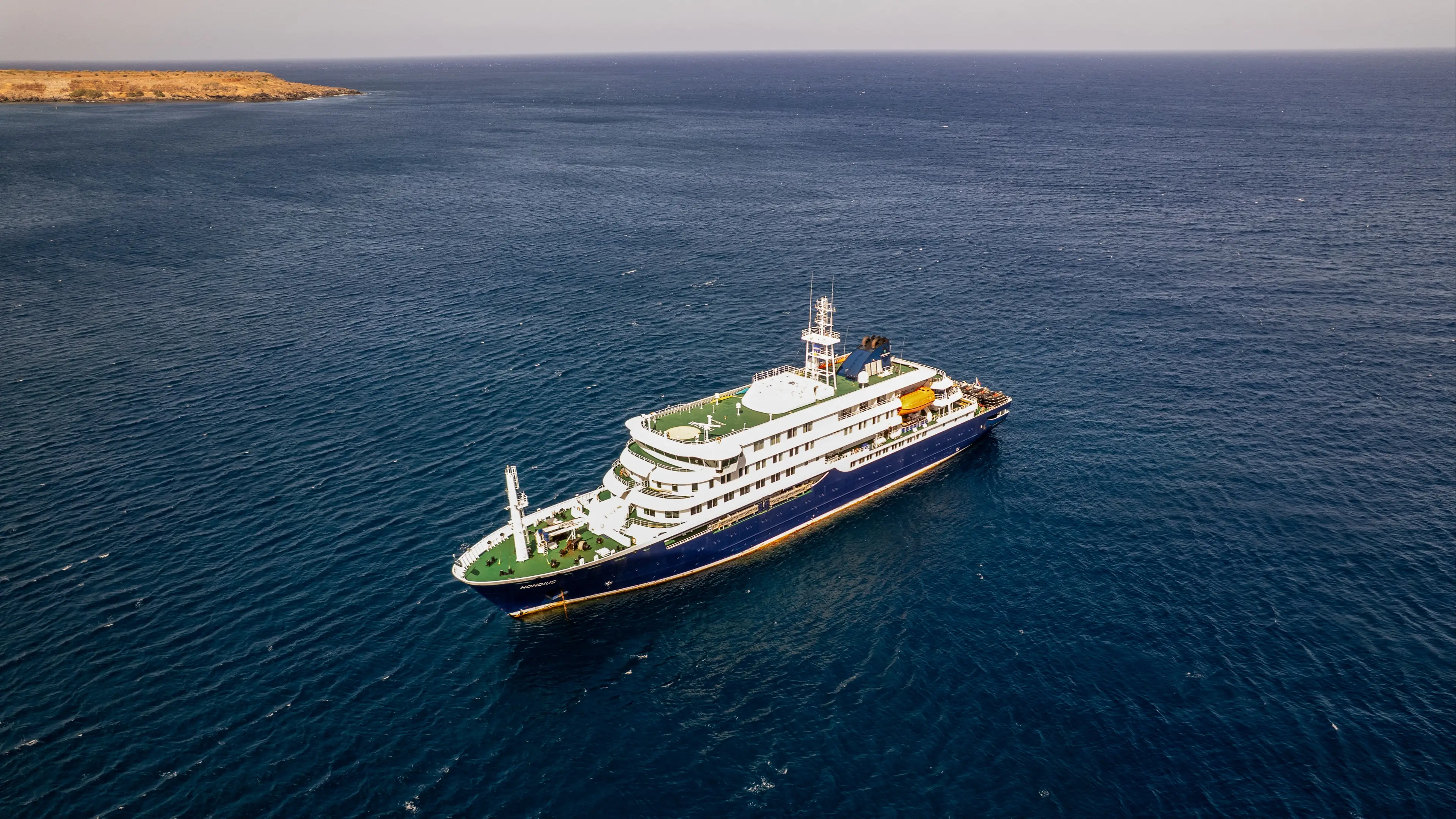
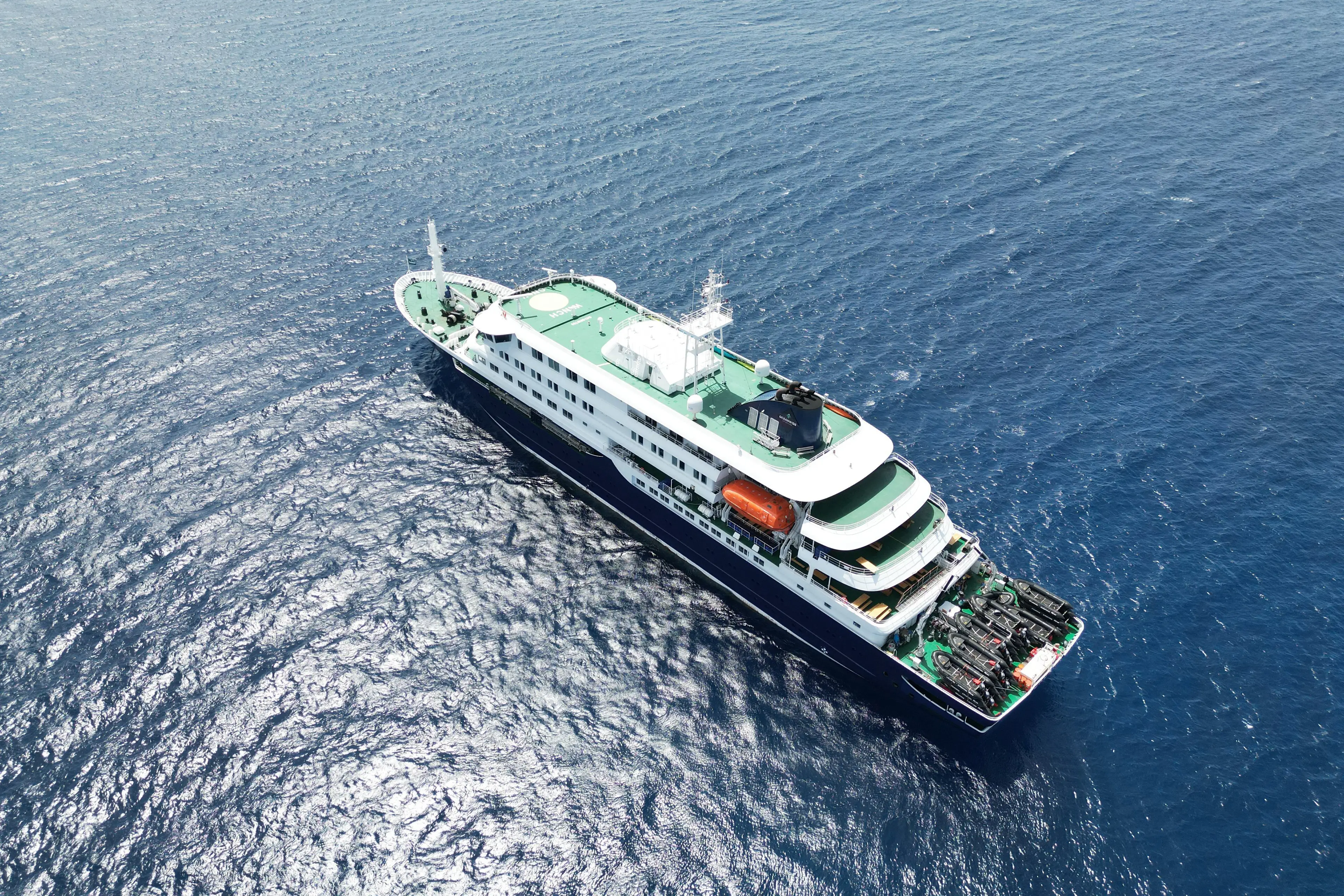
Three passengers were reported to have died on board the MV Hondius during its journey from Argentina to Cape Verde.

Until today (6 May), over 150 passengers were stranded on the coast of the island until health leaders were able to assess the situation. Its captain has now been given the go-ahead to dock in the Canary Islands.
Officials now believe they may have gotten to the bottom of the outbreak's source, believing a couple's recent trip to a birdwatching trip to a landfill site may be to blame.
Argentine officials told Associated Press today that the country's government are almost certain that a Dutch couple had contracted the virus during a birdwatching expedition in Ushuaia in the southernmost area of the country, which took them to a landfill site, likely littered with rodents.
The pair are then believed to have carried the infection onto the ship.
They haven't yet named the couple, however, given that the official investigation is still ongoing.
It was also reportedly earlier today that a British doctor who worked aboard the boat had been medically evacuated after contracting the lethal virus, which has also left over a hundred passengers stranded at sea.
According to the World Health Organisation (WHO), the medic, who is now in stable condition, was removed from the vessel along with a Dutch crew member and another passenger before being transported to the Netherlands for further treatment.
Two of these people were identified as having the 'Andes' strain of the virus.
Professor Sir Andrew Pollard, director of the Oxford Vaccine Group at the University of Oxford, told the BBC: "With this particular hantavirus, the Andes virus, it is known very rarely to spread between people with close contact, usually symptomatic individuals who are in close contact with each other.
"That’s important because it means it is very easy to isolate people who are unwell and to follow a sort of quarantine and so on to avoid spread to other people."
He went on to emphasise: "It’s not like the situation we had with Covid-19 in the pandemic, where people could spread even without symptoms, and therefore it was able to spread very easily in the population.
"I think the risk is essentially zero of spread outside of this particular outbreak, because the authorities have recognised this and they know exactly what to do to make sure that the individuals are isolated and there’s no one with transmission now that we know what we’re dealing with."
Topics: Health, World News, News
 Rhianna Benson