Hantavirus transmission between humans explained as two British passengers from cruise ship self-isolate

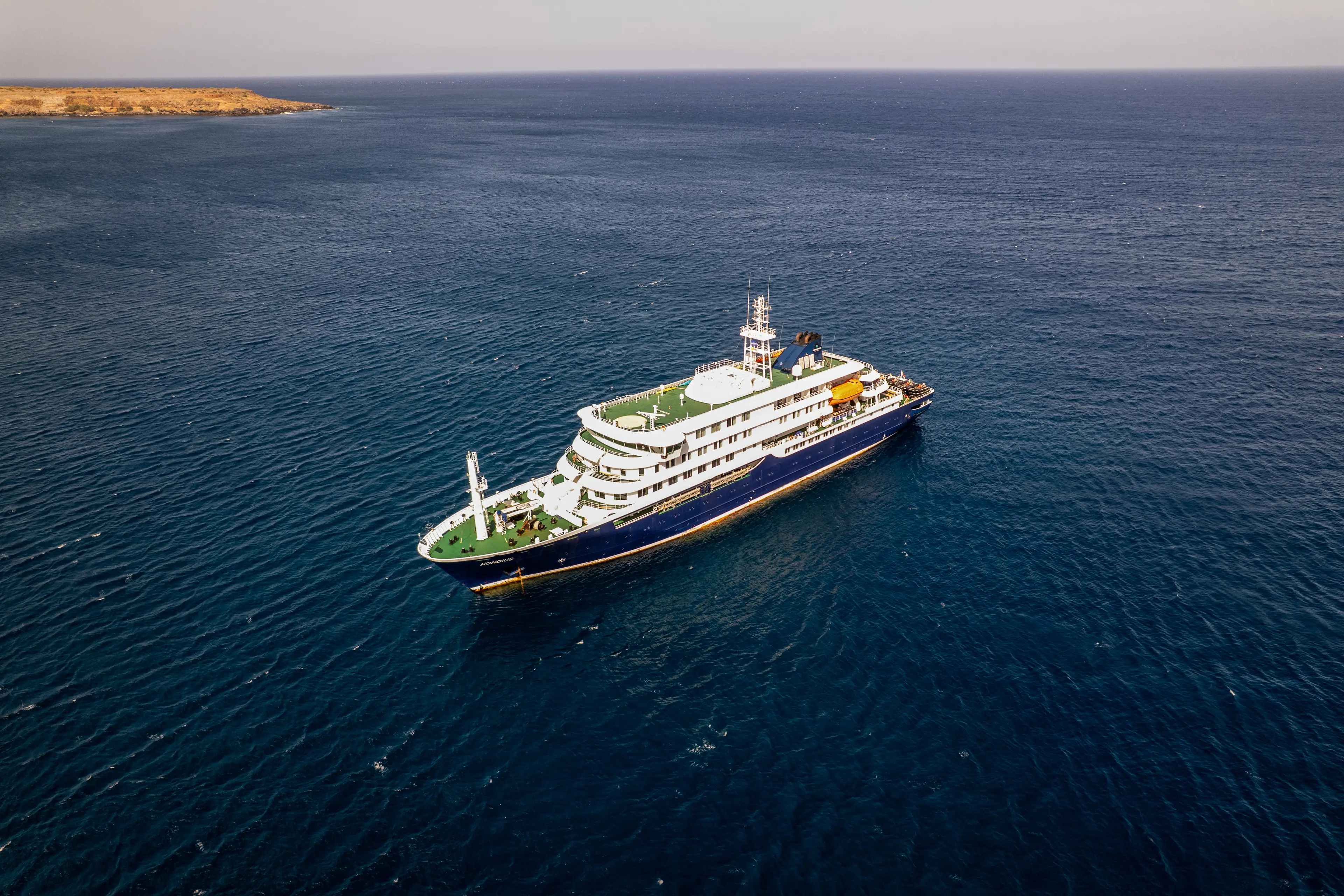
Questions have been raised over the contraction of hantavirus after two Brits were removed from the MV Hondius and placed into self-isolation following a deadly outbreak.
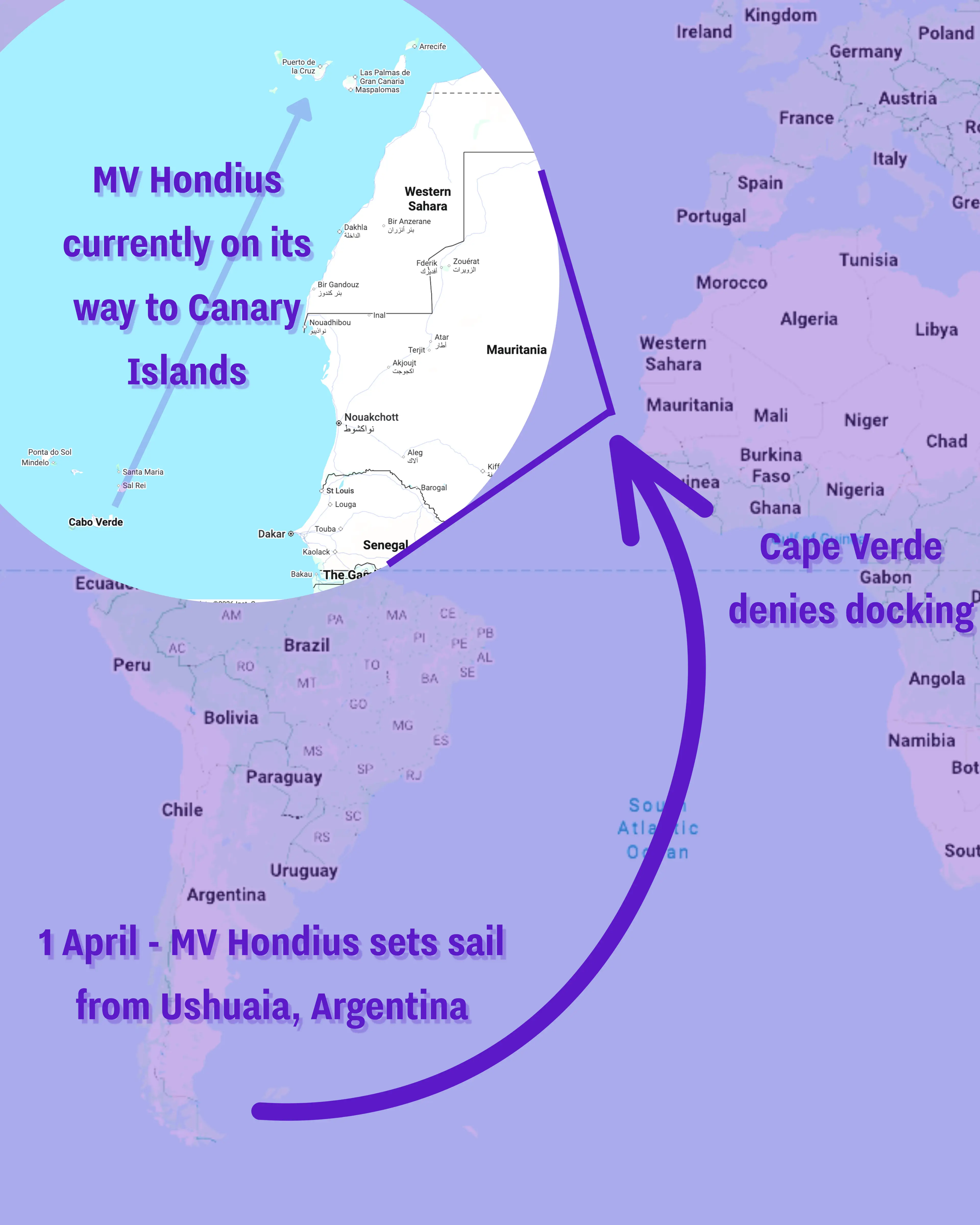
Three cruise ship passengers already died after contracting the condition as the Dutch vessel made its way from Argentina to Cape Verde last week.
150 passengers were also left stranded on the island's coast while health leaders assessed the situation.
Following a go-ahead yesterday (6 May), however, the Dutch ship has since docked in the Canary Islands.
Advert
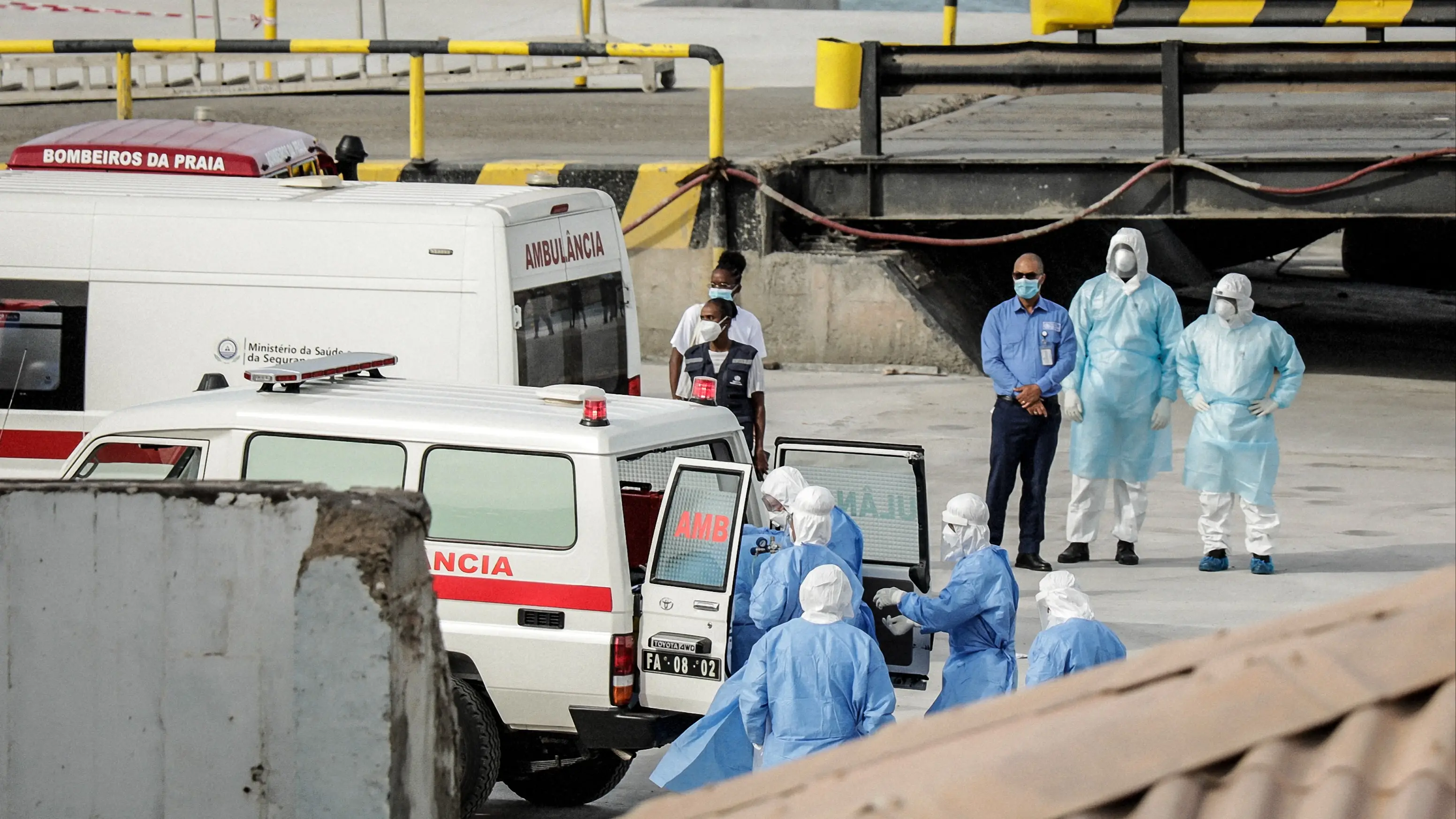
UK Health Security Agency (UKHSA) officials subsequently confirmed that two passengers had since returned to the UK after failing to report any symptoms linked to hantavirus, where they're expected to self-isolate until told otherwise.
The agency added that close contacts of those who were onboard the ship when the epidemic occurred are being 'offered support and are also self-isolating', and that individuals from the same flight as the couple are being traced.
Three other passengers - a Brit, a German and a Dutchman - suspected of having contracted the virus were also medically evacuated from the vessel yesterday, after which they were flown to the Netherlands to receive specialist medical care.
Hantavirus is a rare disease traditionally spread through contact with the urine or faeces of rodents like rats and mice. It can be contracted by inhaling contaminated airborne particles from dried rodent droppings or through rodent bites or scratches.
This week's outbreak is believed to involve an even rarer strain of the virus called the 'Andes' variant, which World Health Organisation (WHO) leaders have suggested was spread from human to human due to the close living quarters prevalent on cruise ships.
"When you have people sleeping in the same bed, or sex partners, or people sharing food, the virus can transmit that way. But it doesn't transmit to huge groups of individuals," immunologist and hantavirus researcher Steven Bradfute told National Geographic.
According to reports, the three holidaymakers who sadly died experienced fever and gastrointestinal symptoms prior to their deaths, followed by a rapid progression to pneumonia, which caused cardiovascular collapse.
In other cases, the virus first emerged with symptoms including fever, chills, muscle aches and headache, but has also been associated with severe conditions such as haemorrhagic fever and kidney failure.
Health officials in Argentina announced yesterday that the country's government are almost certain that a Dutch couple contracted the virus during a birdwatching expedition in Ushuaia in the southernmost area of the country, which took them to a landfill site, likely littered with rodents.
They then carried the infection onto the ship.
University of Oxford Vaccine Group professor, Sir Andrew Pollard, previously told the BBC: "With this particular hantavirus, the Andes virus, it is known very rarely to spread between people with close contact, usually symptomatic individuals who are in close contact with each other.
"That’s important because it means it is very easy to isolate people who are unwell and to follow a sort of quarantine and so on to avoid spread to other people."
Topics: Health, True Life, Real Life, World News, News
 Rhianna Benson