Rare hantavirus explained after three dead following cruise ship outbreak

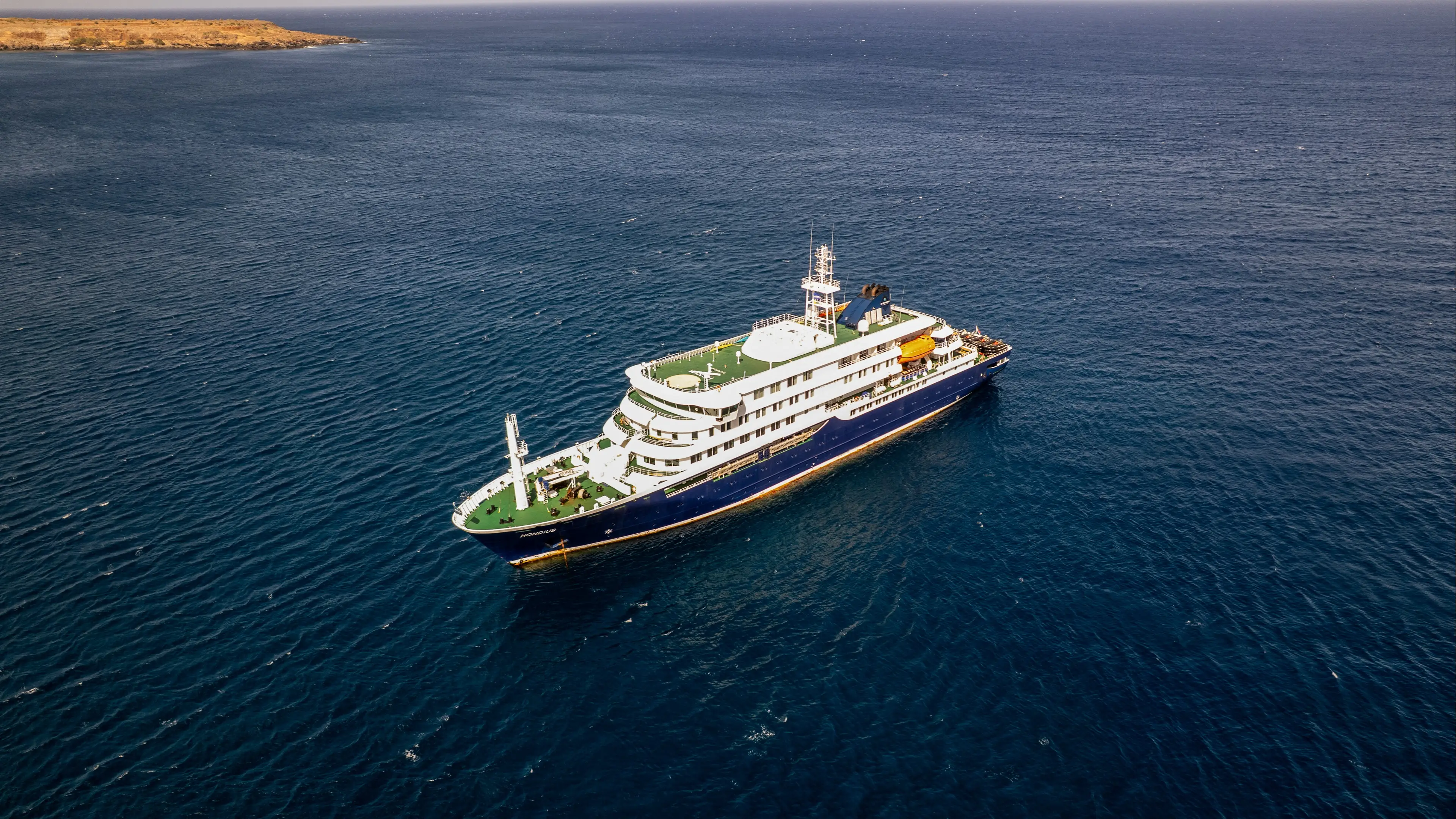
Three people have died and a Brit is in intensive care, while more than a hundred passengers are stranded on a cruise ship following a virus outbreak.
The ship is off the coast of Cape Verde, and around 150 passengers were reported to be on board, according to South Africa's health department.
According to the World Health Organization (via the BBC), one hantavirus case has been confirmed, with five more suspected cases awaiting confirmation.
It says 'detailed investigations' into the terrifying outbreak are 'ongoing, including further laboratory testing'.
Advert
The outbreak was reported onboard the MV Hondius cruise ship, which was partway through a journey from Argentina to Cape Verde.
Metro reports that a 70-year-old passenger was the first to show hantavirus symptoms.
Oceanwide Expeditions revealed the third victim’s body was still onboard the ship.
They say a letter was sent to passengers, which reads: "As you are aware, we are responding to several cases of an unidentified virus.
"We regret to share that, overnight, a guest presenting severe symptoms has passed away."
It continued: "We are currently anchored offshore of Cape Verde and awaiting approval from the Cape Verde authorities to disembark, with priority given to those who require immediate medical care.
"At this stage, we do not have authorisation from the Cape Verde authorities to disembark."
Passengers have been advised to ‘follow best practices, wear face masks, maintain distancing, and, where possible, minimise contact with fellow guests’.
‘Local health authorities have visited the vessel to assess the condition of the two symptomatic individuals,’ the company said.
‘They are yet to make a decision regarding the transfer of these individuals into medical care in Cape Verde.’

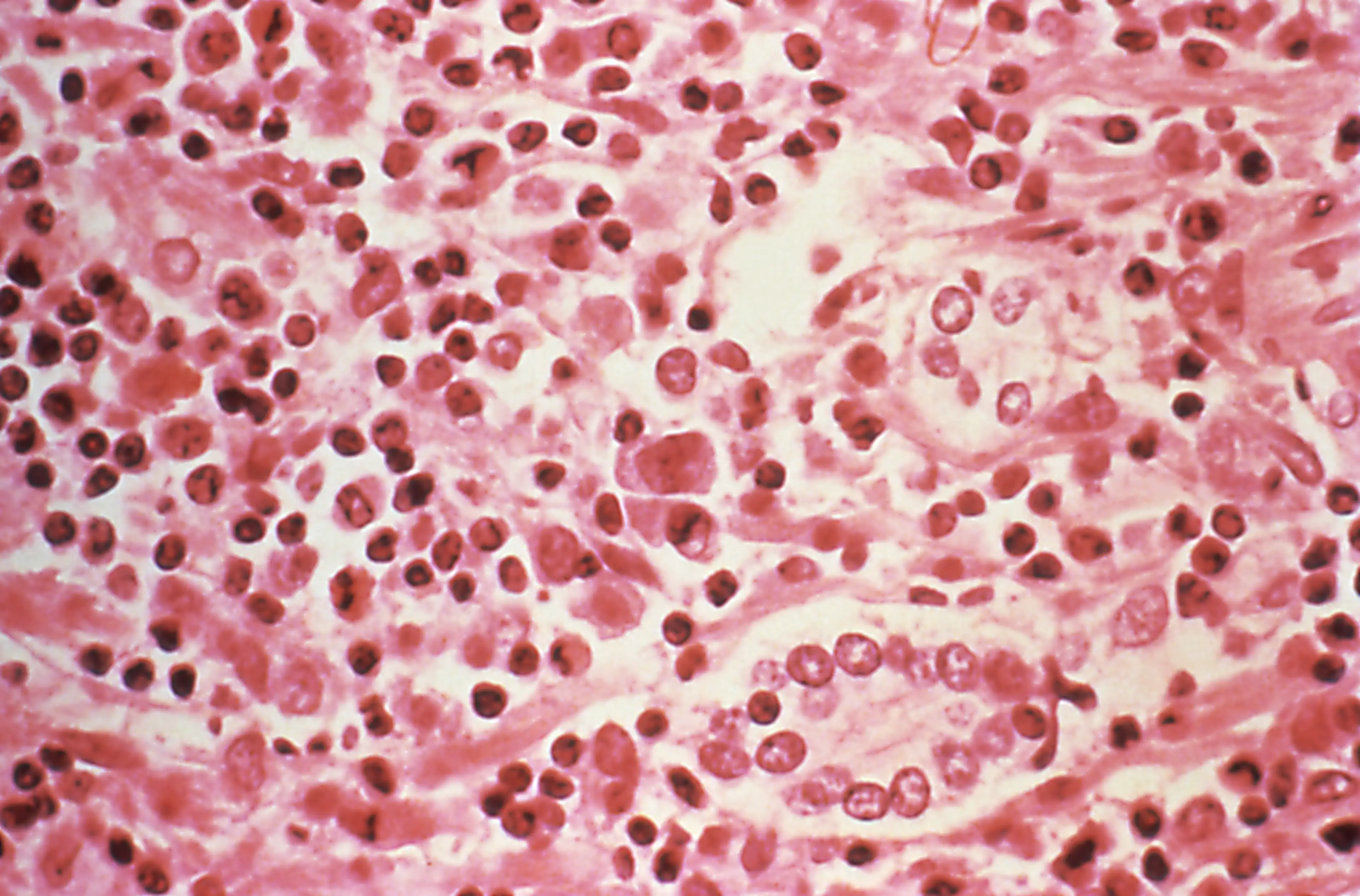
What is hantavirus?
Hantaviruses is spread through contact with urine or faeces of rodents like rats and mice.
It is primarily transmitted to humans through airborne particles from dried rodent droppings, and is transferred by breathing them in.
The US Centers for Disease Control and Prevention (CDC) also says that it is much rarer but the disease can also spread through rodent bites or scratches.
Two rare diseases can result.
The first is Hantavirus Pulmonary Syndrome (HPS), or it can also cause Haemorrhagic Fever with Renal syndrome (HFRS).
HFRS is the much more serious of the two as it can cause kidney failure.
HPS causes fatigue, fever, and muscle aches, followed by headaches, dizziness, chills, and abdominal issues.
It has a mortality rate of approximately 38%, according to the CDC, if respiratory problems develop.
There are said to be around 150,000 cases of HFRS worldwide each year.
More than half of the cases are found in China.
Worringly, there is no specific treatment for hantavirus infections.
The CDC recommends supportive care to treat symptoms, but warns that 'complete recovery can take several weeks to months.'
This can include things like oxygen therapy, antiviral medications, or for cases of HFRS where the kidneys are involved then dialysis may be necessary.
The CDC has also encouraged workers to wear protective gear when cleaning up rodent droppings, and said the most important thing is to avoid inhaling contaminated air.
Topics: Travel, Cruise Ship, Cruise, Health
 Jen Thomas