
Hantavirus researcher reveals key difference between cruise ship outbreak and Covid-19, insisting they're not the same

An immunologist has warned that the transmission rate of hantavirus won't be as high as that of Covid-19 following a deadly cruise outbreak.
Steven Bradfute, who also works as a researcher for the rare disease at the University of New Mexico Health Sciences Centre, has been assessing the ongoing health crisis from afar.
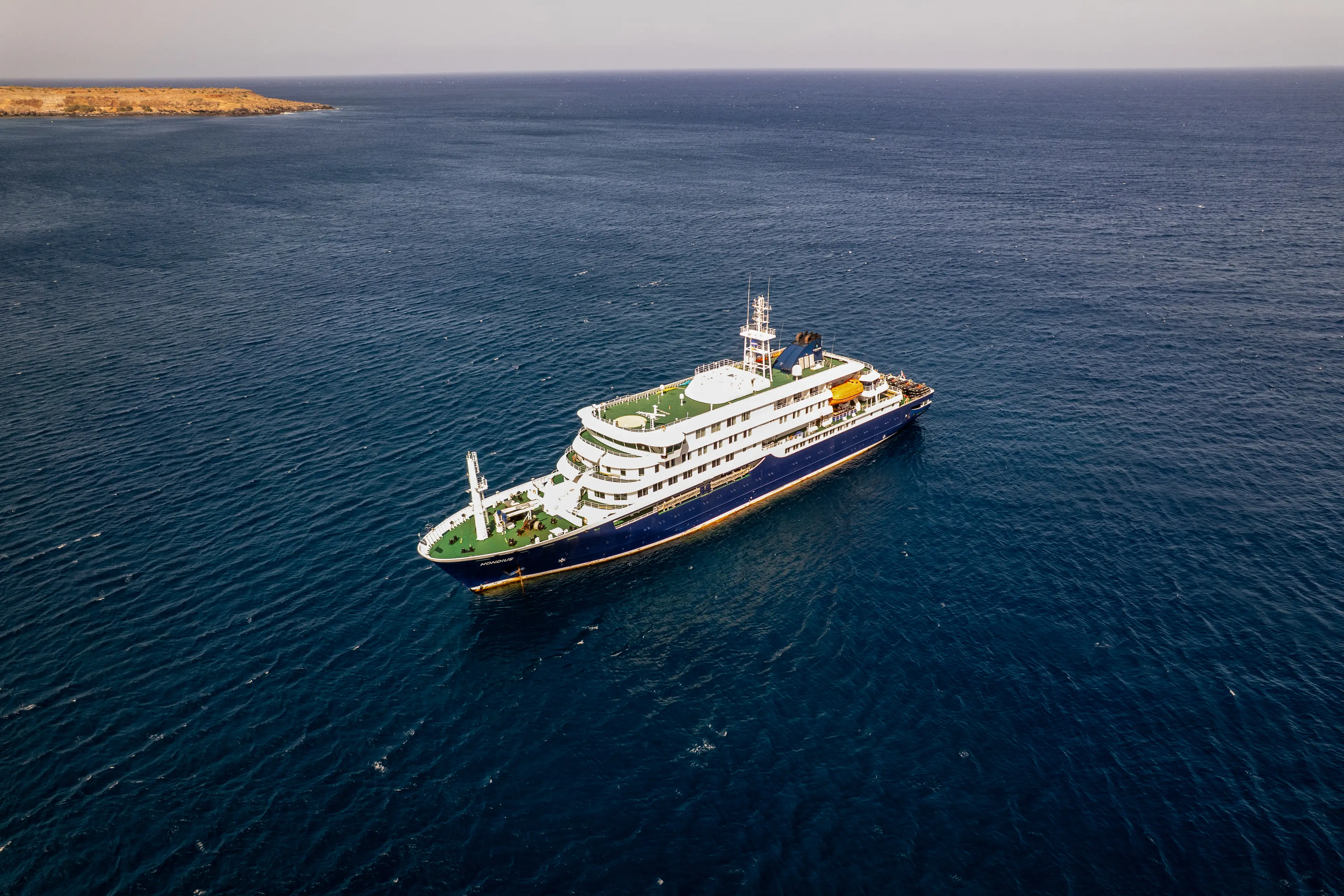
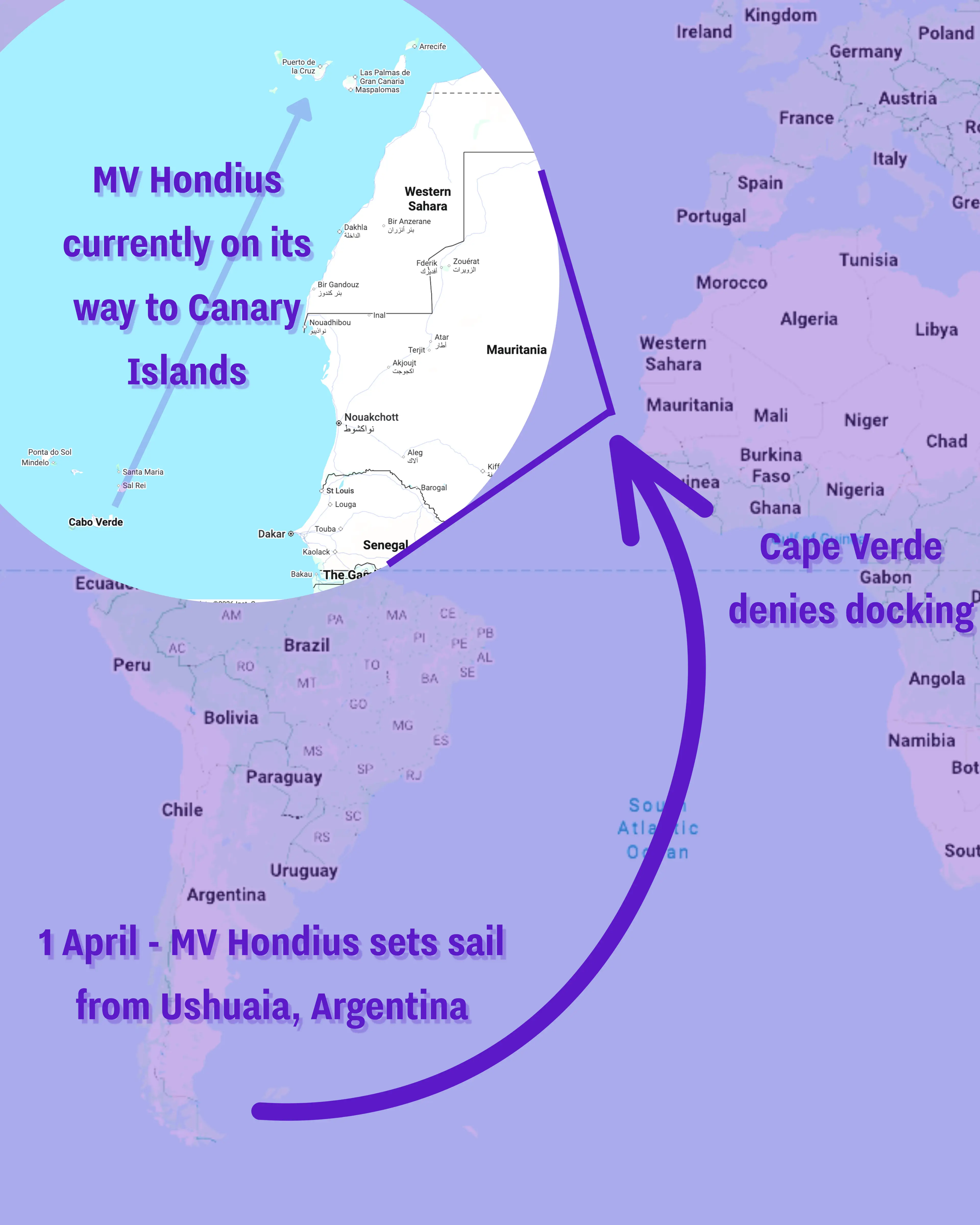
Health authorities first reported earlier this week that three passengers onboard the MV Hondius had died after contracting hantavirus during the ship's expedition from Argentina to Cape Verde.
Three other holidaymakers - a Brit, a German and a Dutchman - suspected of having contracted the virus were also medically evacuated from the vessel yesterday (6 May), after which they were flown to the Netherlands to receive specialist medical care, and two US residents removed from the boat, returned home and placed into self-isolation.
Advert
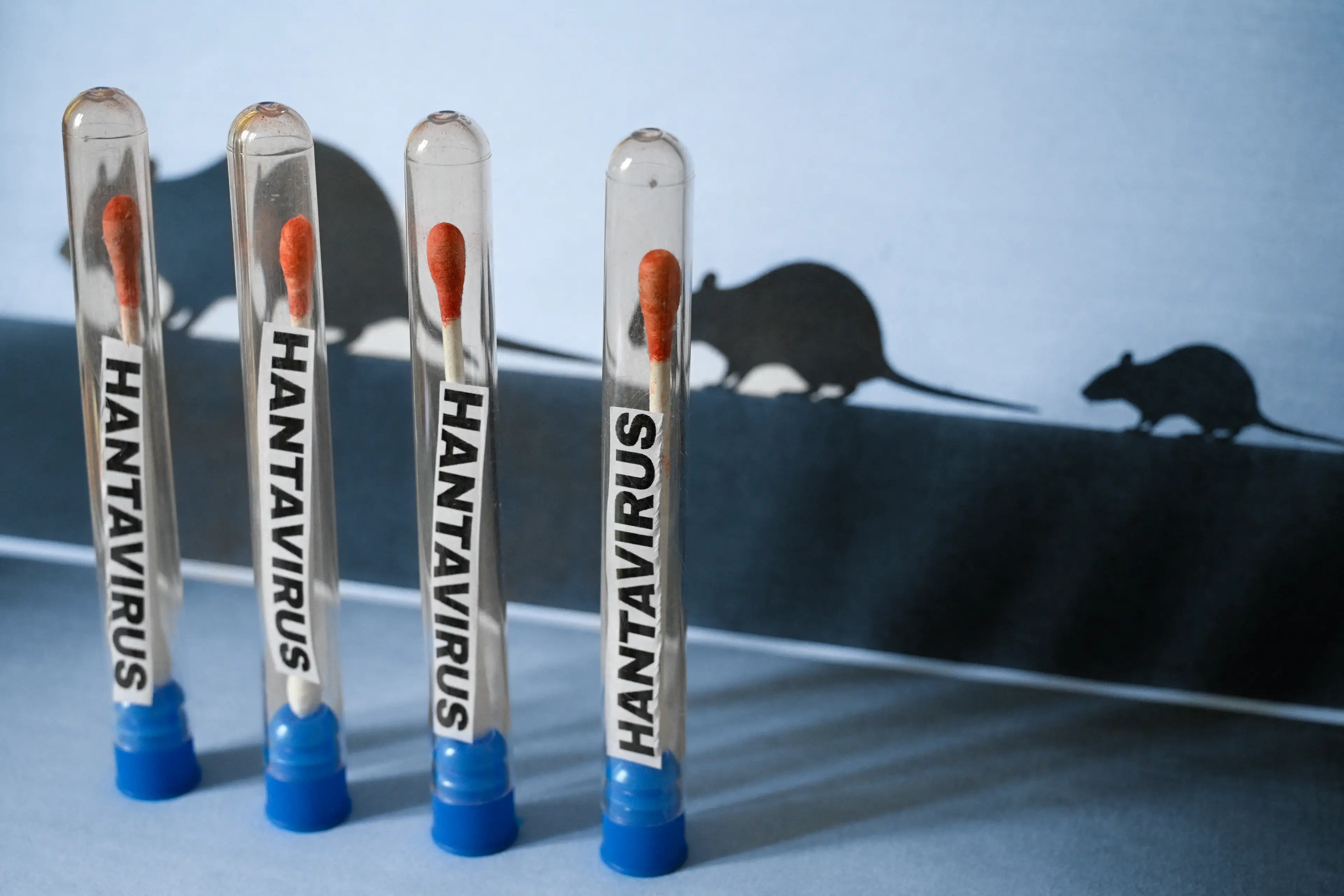
Hantavirus is a rare disease traditionally spread through contact with the urine or faeces of rodents like rats and mice, via the inhalation of contaminated airborne particles from droppings, or through bites or scratches.
World Health Organisation (WHO) leaders recently suggested, however, that week's outbreak - which involves an even rarer strain of the virus called the 'Andes' variant - had begun spreading between humans as a result of the close living quarters prevalent on the ships.
As to the damage it's done so far, it has also been suggested that the Andres strain is uniquely resistant to the antiviral elements of human saliva.
Speaking to National Geographic, Bradfute emphasised, however, that this 'jump' from animal-human to human-human isn't necessarily something that the majority of the world's population needs to concern themselves with as of yet - and certainly shouldn't be compared to the Coronavirus pandemic.
"So when you have people sleeping in the same bed, or sex partners, or people sharing food, the virus can transmit that way," he explained.
"But it doesn't transmit to huge groups of individuals."
Bradfute went on to point out that the key difference between hantavirus and highly-infectious conditions like Covid, or even measles, is that the latter two can be spread by viruses hanging around in the air, even after a poorly person has evacuated.
Health officials in Argentina announced yesterday that a Dutch couple had likely contracted the initial virus during a birdwatching expedition in Ushuaia in the southernmost area of the country, which took them to a landfill site, likely littered with rodents.
The man and woman, both 69, are two of the three people to have died.
As to the risk the latest outbreak currently poses, Bradfute agreed with WHO officials that the risk to the general population is pretty low.
"[Hantavirus] transmits rather poorly," he added. "So, even though they're dangerous viruses, they are not super widespread.
In terms of precaution, Sir Andrew Pollard of the University of Oxford's Vaccine Group told the BBC: "With this particular hantavirus, the Andes virus, it is known very rarely to spread between people with close contact, usually symptomatic individuals who are in close contact with each other.
"That’s important because it means it is very easy to isolate people who are unwell and to follow a sort of quarantine and so on to avoid spread to other people."
Hantavirus can cause two life-threatening syndromes, according to the WHO: hantavirus pulmonary syndrome (HPS) and hemorrhagic fever with renal syndrome (HFRS).
The early symptoms of HPS, which attack the lungs, start one to eight weeks after infection, and include:
- Fatigue
- Fever
- Muscles aches
- Headaches
- Dizziness
- Chills
- Nausea and vomiting
- Diarrhoea
Later symptoms include:
- Coughing
- Shortness of breath
- Tightness in the chest
Early symptoms of HFRS, which affects the kidneys, start one to two weeks after infection, and include:
- Intense headaches
- Back pain
- Abdominal pain
- Fever/chills
- Nausea
- Blurred vision
Later symptoms include:
- Low blood pressure
- Internal bleeding
- Acute kidney failure
Topics: Health, True Life, Real Life, World News, News
 Rhianna Benson