
Scientists warn anyone with particular health condition ‘uniquely vulnerable’ to H3N2 flu

Scientists have issued a warning to anyone with a specific health condition that makes them 'uniquely vulnerable' to the H3N2 flu going around at the moment.
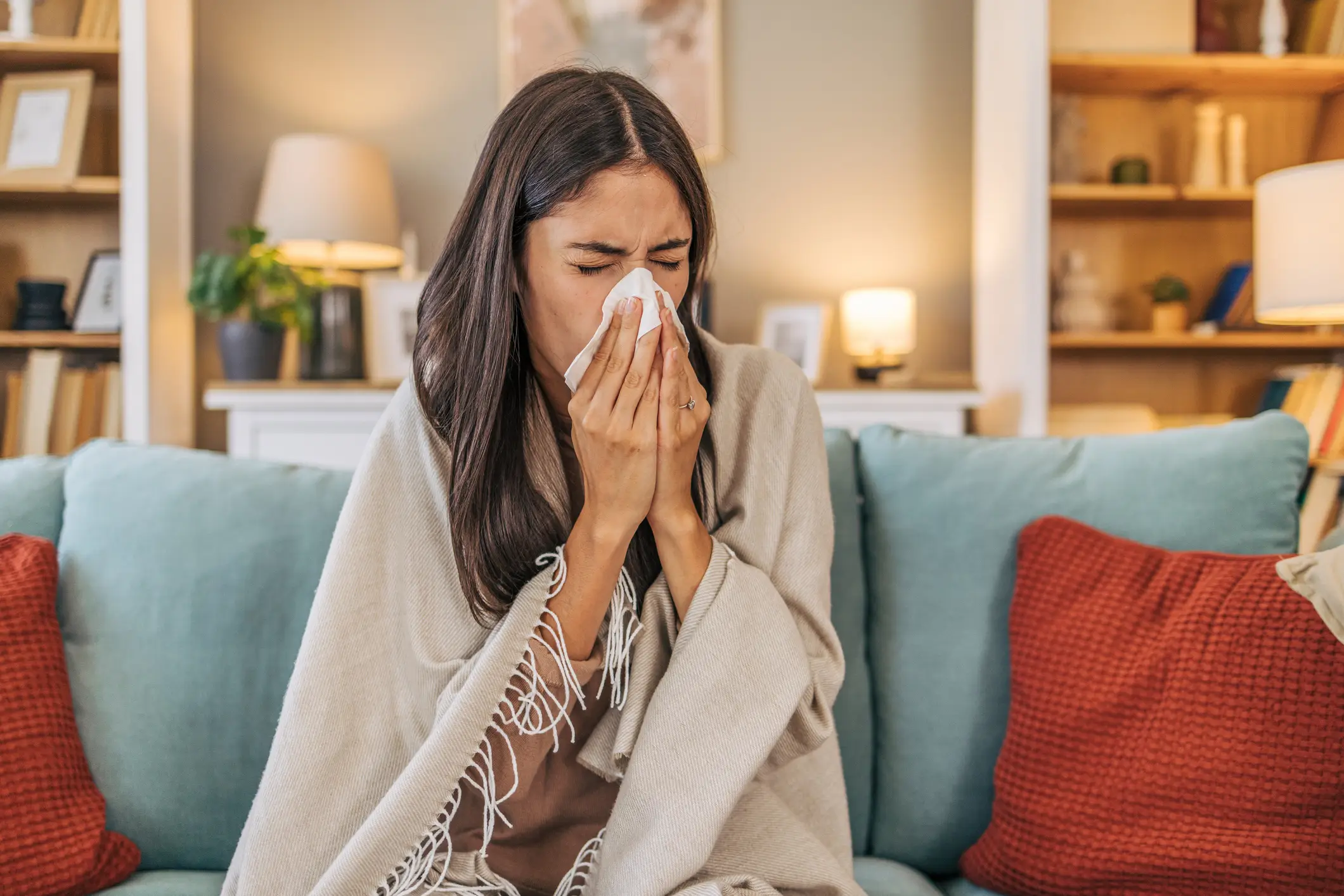
It seems like we're all very much trying to avoid the dreaded H3N2 flu, which is a strain of influenza A also dubbed as the 'super flu', given its 'hellish' symptoms of a super high fever (over 38°C, splitting headaches, body aches and relentless fatigue) - just to name a few.
We're seeing a surge of cases in the UK right now, with an official NHS England press release from last week (11 December), stating that an average of 2,660 patients per day were in a hospital bed with flu in early December, which is the highest ever for this time of year.
Now, while people are coming down with the nasty bug left, right and centre, a group of people is especially vulnerable to it, according to a researcher from the University of Manchester.
Advert
Professor Alex Horsley said that winter viruses like the flu can be 'especially challenging and damaging' to people with cystic fibrosis (CF).
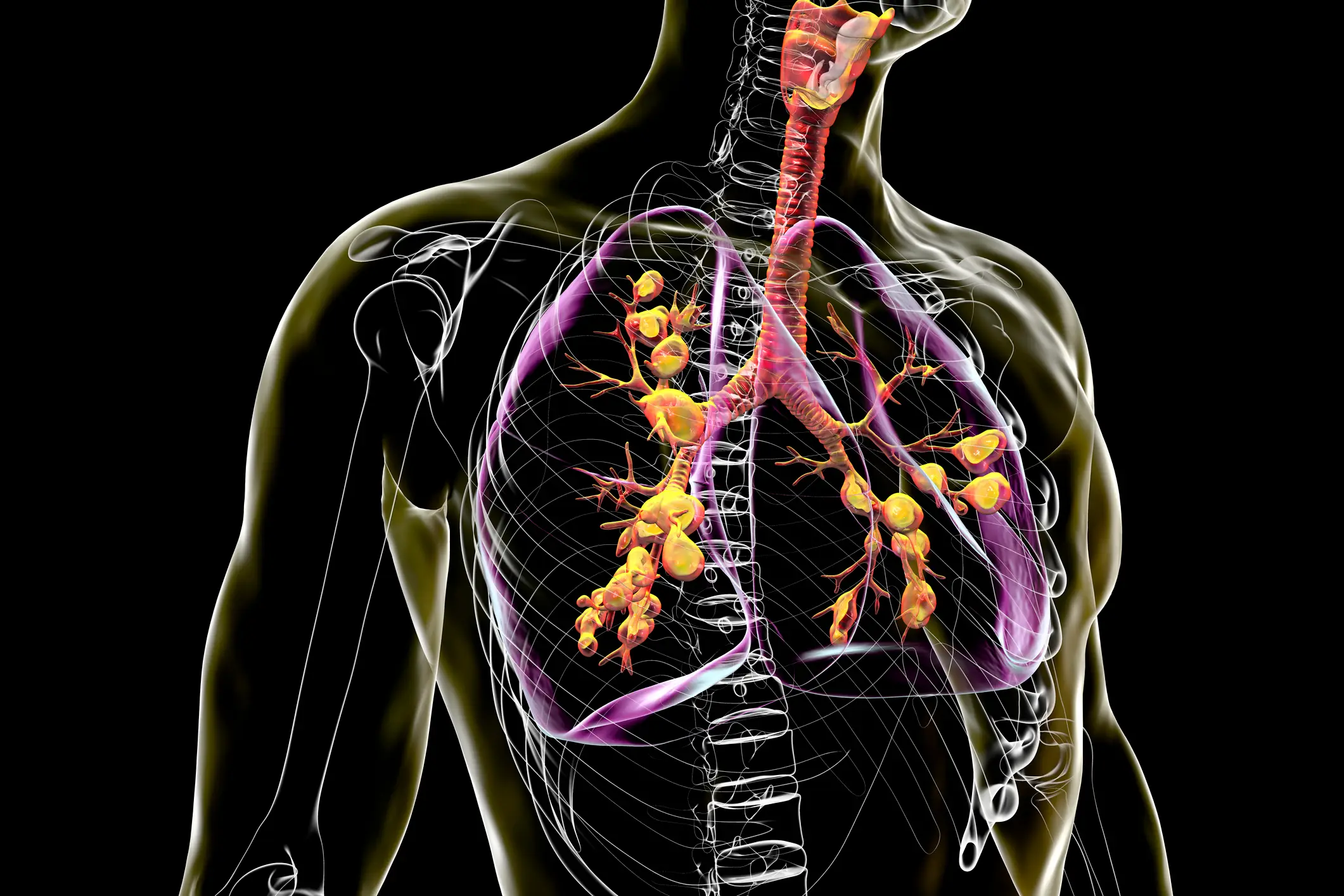
The NHS explains that CF is 'a rare inherited genetic condition that causes breathing and digestive problems'. There is currently no cure, but there are medicines and supportive treatments that can help.
If you have cystic fibrosis, your body makes a thick sticky mucus that can affect your lungs and digestive system, which can cause lots of symptoms and make you more likely to get infections.
Symptoms affecting your lungs include:
- a cough that does not go away and brings up mucus
- wheezing and shortness of breath
- frequent sinus infections (sinusitis) and chest infections
As a result, the NHS is urging eligible groups, including people with CF, to come forward for flu vaccination as soon as possible to avoid becoming seriously ill.
Professor Horsley, a leading expert in cystic fibrosis, explained: "For people with CF, the winter wave of flu and flu-like illnesses can be especially challenging and damaging.
"That is why it is so important people take care at this time of year, make sure they have had their flu vaccine, and do their best to avoid being exposed to those with viral symptoms.
"In our cystic fibrosis centre at Wythenshawe Hospital, we run emergency reviews every weekday to see people acutely unwell and start treatment as soon as possible. But we're also researching better ways to help people with CF and are leading a new study to understand and prevent it."
The new study, called 'CF-Tracker', aims to identify which viruses are most responsible for serious infections in people with CF and how treatment can prevent it.
Laura Beattie, who lives with cystic fibrosis, was left 'completely floored' by flu in 2022 and ended up in A&E with laboured breathing and low oxygen levels.

"It was doubly bad because I spent the Christmas period on 24/7 oxygen, IV antibiotics throughout the day, and having intravenous infusions continually. It took a long time to get back to any kind of normality, and it affected me for months afterwards," she said.
"Earlier this year, I was admitted again for another virus. This admission ended up being one of the longest I've ever had. Even now, at home, I'm still recovering, and I'm nowhere near my usual self."
Laura added that it's 'incredibly frustrating' not knowing what exactly can trigger 'an exacerbation', especially when it isn't known how long it would affect you or 'how much they might change things long-term'.
"That uncertainty is really scary, and the impact on how your CF progresses can be huge," she said.
You can find out more about the flu on the official NHS website here.
Topics: Science, NHS, UK News, Life, Health, Advice, Explained, News
 Rhiannon Ingle