Medical condition to be aware of if you 'pee yourself a little' every time you go to the toilet

More women than you'd expect pee themselves a little when they suddenly get the urge to go, but the good news is that there are ways to treat this.
Before becoming absolutely desperate for a wee, people commonly feel the need to 'go' building up gradually, which helps them gauge just how long they can leave it before nipping to the toilet.
However, not everyone has that experience as, instead, they feel an overwhelming need to pee all of a sudden without any prior build-up - something which often ends up in people 'peeing themselves a little' every time they go to the bathroom.
Or, you may find yourself not taking it to the toilet bowl in time after waking from your sleep with a desperation to wee so bad it's as if you've been holding it in for a lengthy car journey.
Advert
If that sounds at all familiar, it may actually be down to a pretty common medical condition known as urge incontinence.

What is urge incontinence?
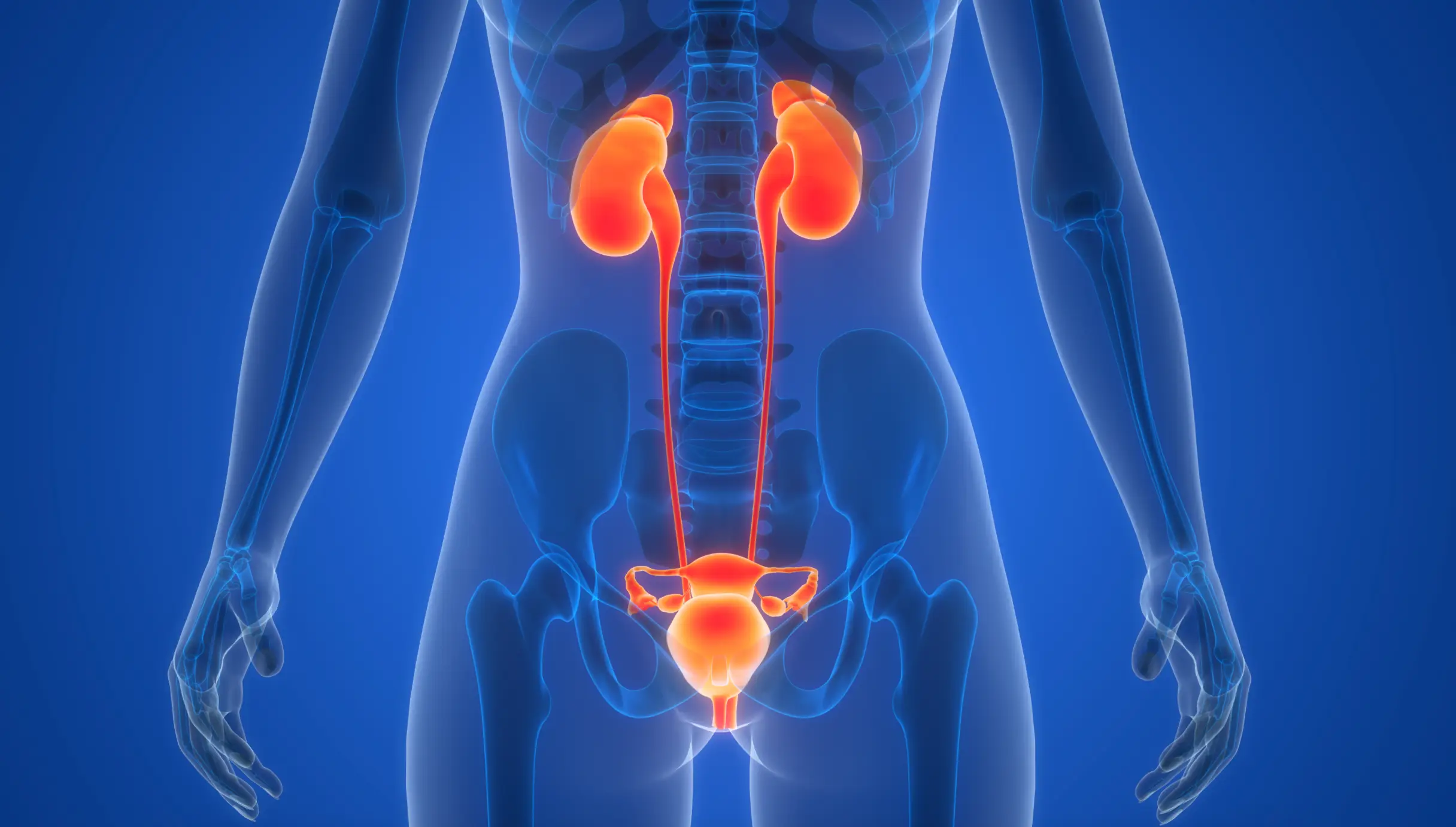
The NHS explains that urge incontinence is a type of urinary incontinence, AKA the unintentional passing of urine.
Urge, or urgency, incontinence is when urine leaks as you feel a sudden, intense urge to pee, or soon afterwards.
"You have a sudden, intense urge to urinate followed by an involuntary loss of urine. You may need to urinate often, including throughout the night," the Mayo Clinic explains.
Other than urge incontinence, there are several types of urinary incontinence, including:
- stress incontinence – when urine leaks out at times when your bladder is under pressure; for example, when you cough or laugh
- overflow incontinence (chronic urinary retention) – when you're unable to fully empty your bladder, which causes frequent leaking
- total incontinence – when your bladder cannot store any urine at all, which causes you to pass urine constantly or have frequent leaking
What are the symptoms of urge incontinence?
As the experts say, urge incontinence is categorised by feeling a sudden and very intense need to pass urine and you're unable to delay going to the toilet.
There are often only a few seconds between the need to urinate and the release of urine.
Now, your need to pass urine may be triggered by a sudden change of position, or even by the sound of running water.
Additionally, you may also pass urine during sex, particularly when you reach orgasm.
The NHS notes that this type of incontinence often occurs as part of a group of symptoms called 'overactive bladder syndrome', which is when the bladder muscle is more active than usual.
"As well as sometimes causing urge incontinence, overactive bladder syndrome can mean you need to pass urine very frequently, including several times during the night," the health body adds.
Cleveland Clinic warns that urge incontinence can also affect your mental health.
"Some people with severe urge incontinence may be afraid to go out in public," they explain. "They may worry about being too far from a restroom or not knowing where the nearest restroom is when they have an urge to pee. These worries may increase your risk of stress, anxiety and depression."
How common is urge incontinence?
Cleveland Clinic states that approximately 40 percent of females and 30 percent of males experience urge incontinence at some point in their lives.
When to see a doctor?
While discussing incontinence may be uncomfortable, experts say that if incontinence is frequent or is affecting your quality of life, it's important to seek medical advice because urinary incontinence may:
- Cause you to limit your social activities
- Reduce your quality of life
- Make older people more likely to fall if they have to rush to the toilet
- Be a sign of something more serious
What are the treatments for urge incontinence?
Treatments can help alleviate your symptoms but that will entirely depend on the severity of your symptoms. These may include:
- Pelvic floor physical therapy, such as Kegel exercises and/or pelvic muscle relaxation
- Bladder retraining
- Lifestyle changes
You can find out more about urge incontinence on the official NHS website here.
Topics: Advice, Explained, Health, Life, Women's Health, NHS
 Rhiannon Ingle