GLP-1 drugs such as Ozempic and Mounjaro ordered by FDA to add risk warning on severe side effect

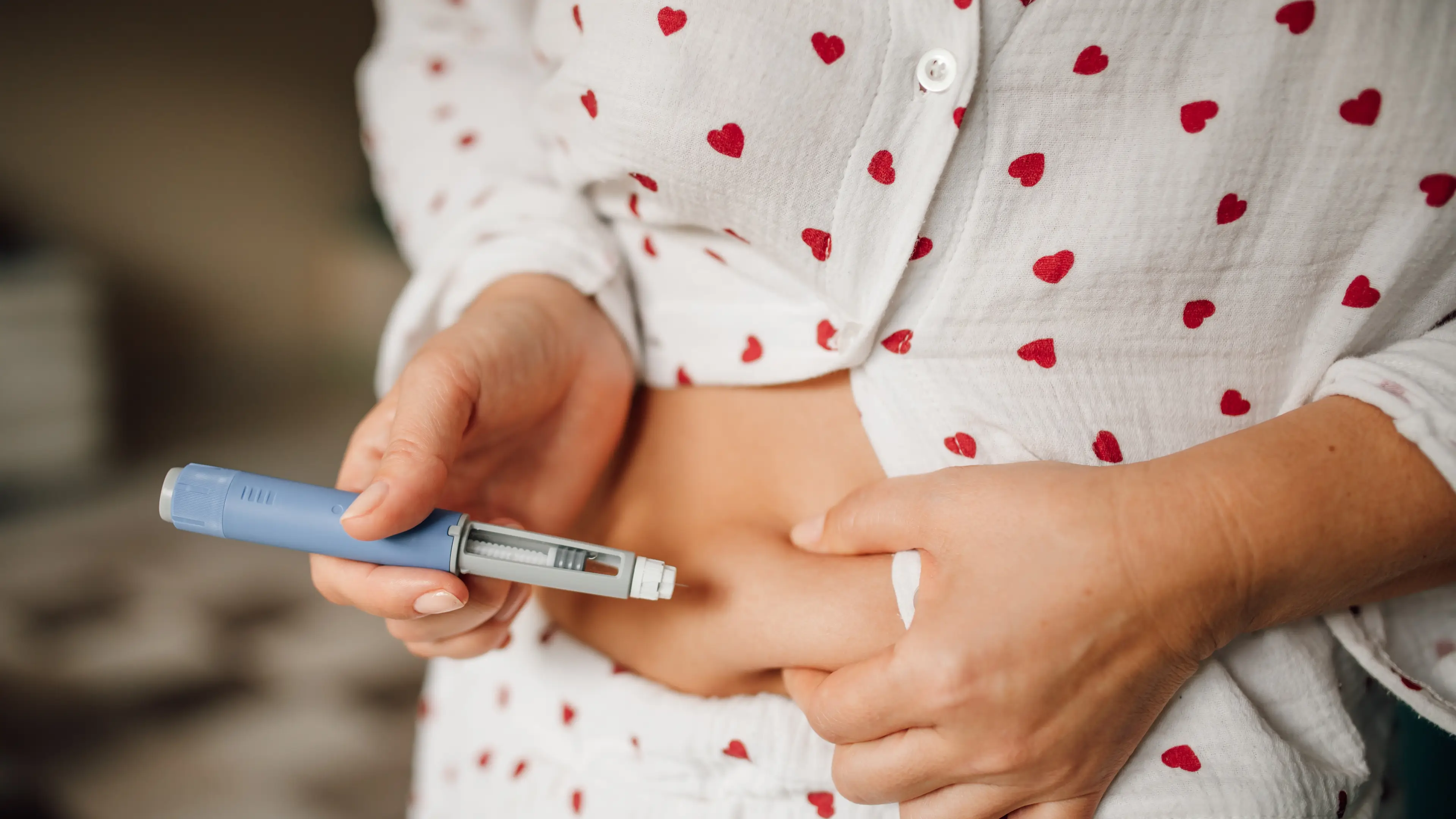
Manufacturers of popular GLP-1 drugs that are commonly used for weight loss will be required to add warnings about the risk of permanent vision loss to their product labels.
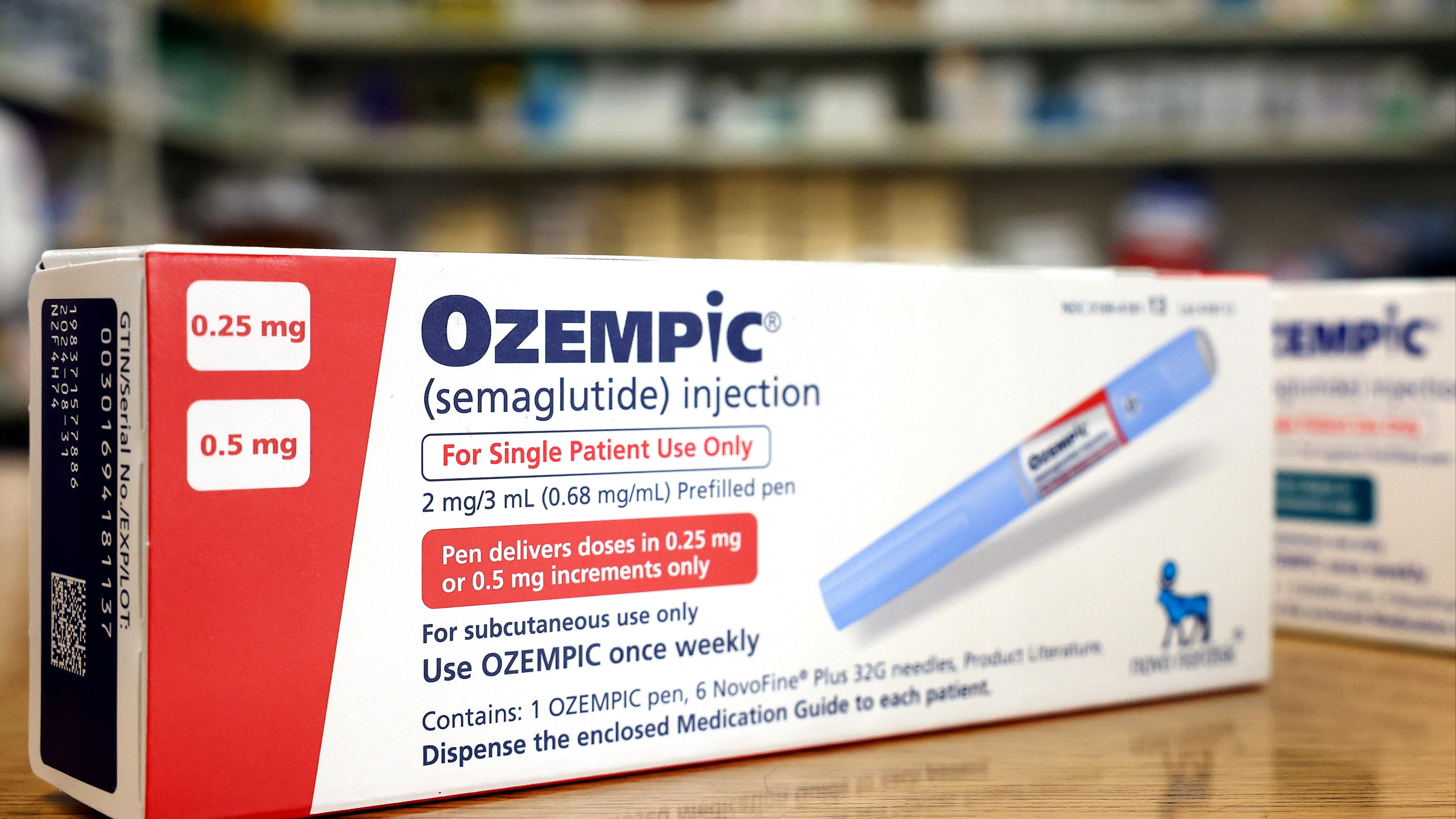
The US Food and Drug Administration (FDA) has said that companies producing medicines such as Ozempic and Wegovy must alert users to the risk of a rare eye condition called non-arteritic anterior ischaemic optic neuropathy (NAION), which can cause permanent damage to vision.
The FDA said cases of NAION had been reported in connection with all currently marketed GLP-1 drugs, a class of medicines used to treat obesity, diabetes and several other medical conditions.
NAION occurs when blood flow to the optic nerve is reduced, although its underlying cause is not fully understood, according to the FDA. Symptoms can include blurred vision, blind spots, distorted colours and other visual disturbances.
Advert
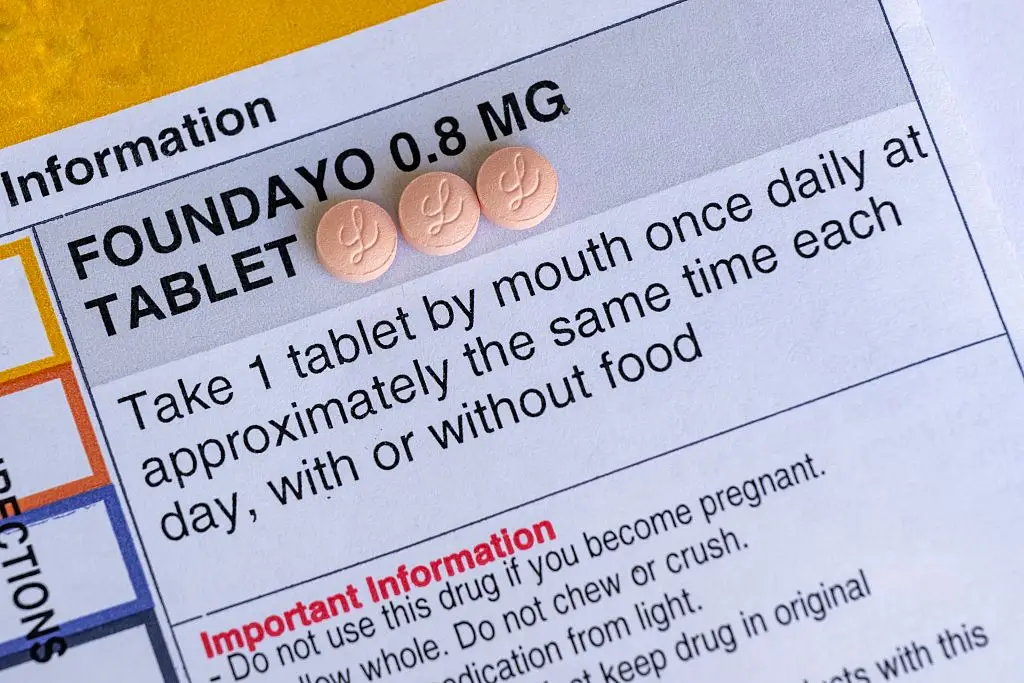
The new warning requirement covers injectable and tablet-based drugs, including widely prescribed brands such as Zepbound and Mounjaro. The oral tablets have now been approved for weight loss in both the US and UK.
The agency has urged anyone experiencing these symptoms to contact a healthcare professional immediately.
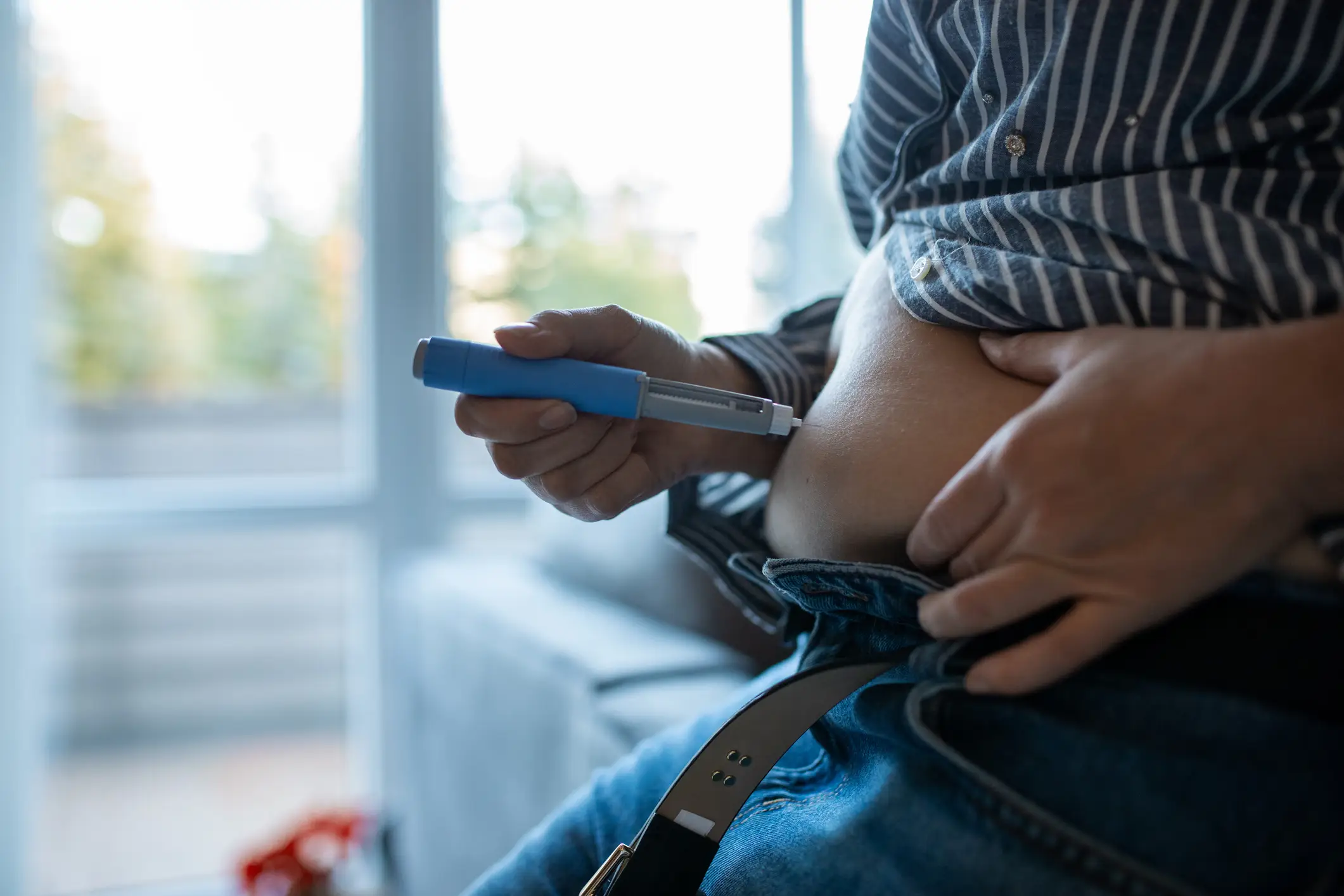
The FDA began investigating the potential link after a 2024 medical paper suggested an association between NAION and semaglutide, the active ingredient in Ozempic, which is made by pharmaceutical company Novo Nordisk.
An FDA analysis of more than 125 clinical trials found that NAION occurred in approximately six out of every 100,000 patients who had taken a GLP-1 drug for at least a year.
The comparable rate among patients taking a placebo or other types of glucose-lowering medication was fewer than four cases per 100,000, the FDA said.
The agency also identified reports of NAION in its adverse event reporting system, which collects information about suspected drug-related injuries and side effects.
In the UK, Wegovy is prescribed on the NHS for weight management, while Ozempic is licensed for the treatment of Type-2 diabetes, according to the Department of Health.
Novo Nordisk, the maker of Wegovy and Ozempic, said in a statement to LADbible Group: “We recognise that NAION can have a profound impact on patients and their families. Patient safety is a top priority for Novo, and we continue to monitor the safety of our medicines, review new research and work with health authorities around the world.”
Eli Lilly, the makers of Zepbound and Mounjaro, said it was ‘carefully evaluating the update and will respond to FDA promptly’.
"Patient safety is Lilly's top priority," its statement read. "FDA’s drug safety communication applies to all medicines with GLP-1 RA activity and does not reference any findings specific to Lilly medicines."
Tyla has contacted Eli Lilly and Novo Nordisk for further comment.
Dr Manjot Gill, an ophthalmologist at Northwestern Medicine in Chicago, told NBC News that the FDA's decision to require a warning label was appropriate.
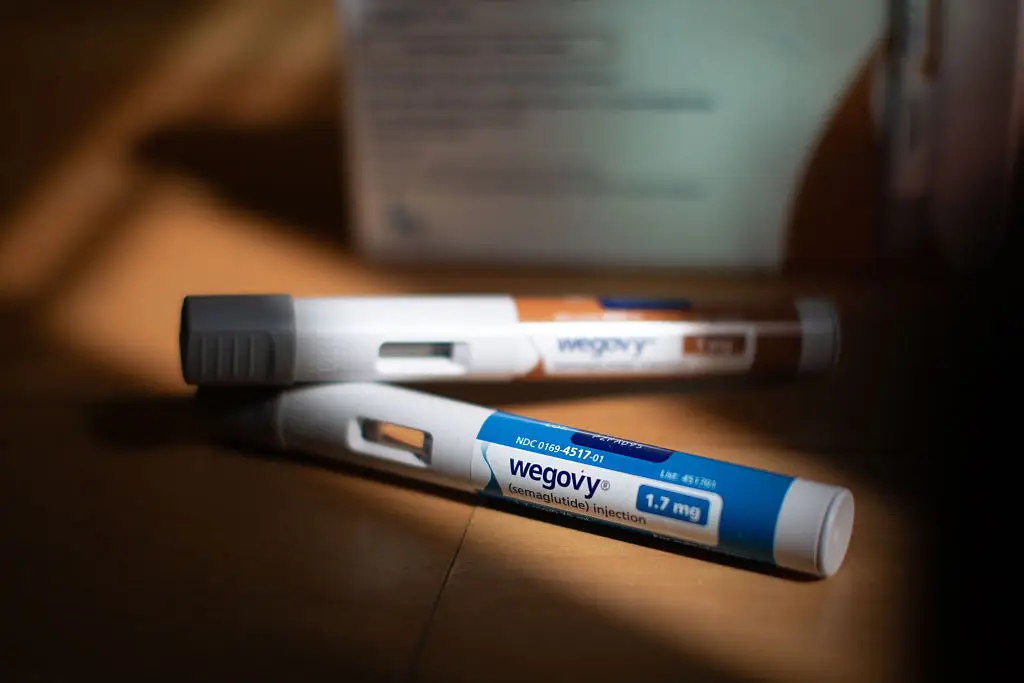
Although it remains unclear whether the drugs directly cause the eye condition, Gill said there is well-documented evidence of a potential increased risk among patients taking them. However, she also cautioned that the condition is very rare.
“It’s fine to issue this warning more so for public awareness so that patients, should they experience any kind of change in vision, that they do actually go and seek the care of an eye provider," she said.
The drug labels issued by Novo Nordisk and Eli Lilly already include warnings about other potential complications, including inflammation of the pancreas, known as pancreatitis, gallbladder problems such as gallstones, and acute kidney injury.
 Greg Harris