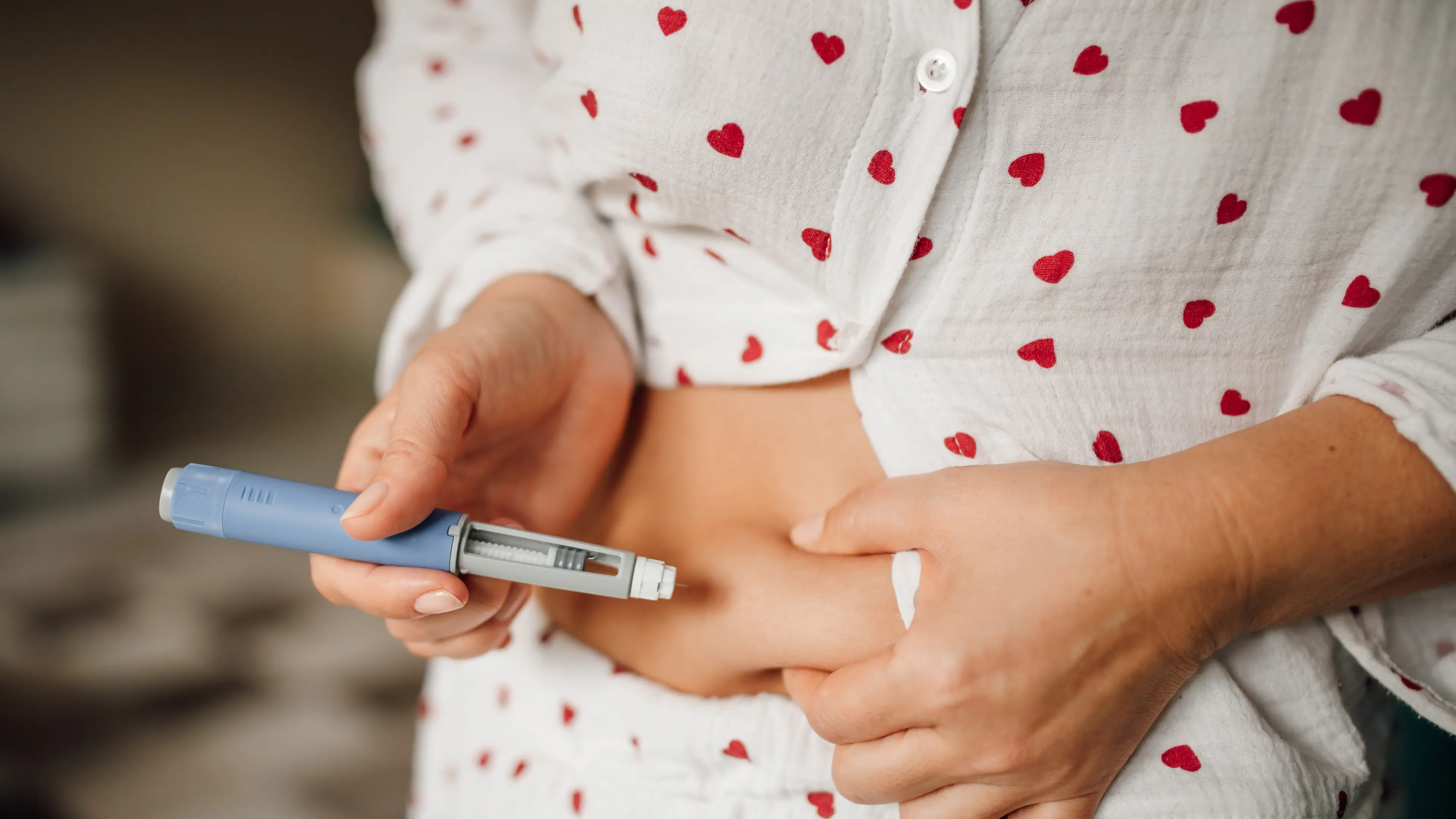
Warning issued to Mounjaro users as doctor reveals 'unexpected' period side effect

Doctors have issued warnings to Mounjaro users over how the GLP-1 drug can affect your menstrual cycle.
Now, we know the weekly weight loss injectables have seen a huge surge in popularity in recent years and users have been reporting a whole slew of side effects that come along with them.
Drugs like Mounjaro, Wegovy and Ozempic have become more mainstream, the latter of which is approved to treat type 2 diabetes rather than weight loss.
According to Nesta, 1.5 million people in the UK are estimated to be accessing GLP-1 treatment privately.
Advert
As well as the most common knock-on effects to expect like feeling and being sick and diarrhoea, others that have popped up include hair loss, an increased sex drive and more extreme toilet habits like not being able to go for a whole week.
But one aspect of weight loss drugs that women in particular have to take into consideration is how it will affect our menstrual cycle.
Periods can be enough of a nightmare on their own without adding anything extra into the mix, so it's important to know the facts before making any kind of decision.
While there's currently no evidence that Mounjaro directly affects the menstrual cycle, tirzepatide affects hormones that regulate appetite and glucose metabolism, so it's possible that changes in hormone levels and insulin sensitivity can influence the menstrual cycle.
As per Simple Online Pharmacy, research has found that weight and menstruation are closely linked and so any weight loss or gain can cause changes in oestrogen - a hormone that regulates your cycle.
Although formal studies on the topic are limited, some women have reported that their periods have become lighter and less painful, while others have noticed delayed cycles, spotting, or even more intense cramps during the initial adjustment phase, SheMed explains.
Dr Amit Kumar said: "For women, especially those with underlying hormonal conditions like polycystic ovary syndrome (PCOS), even small shifts in insulin levels, body weight, or inflammation can have a ripple effect on oestrogen balance, ovulation patterns, and menstrual symptoms.
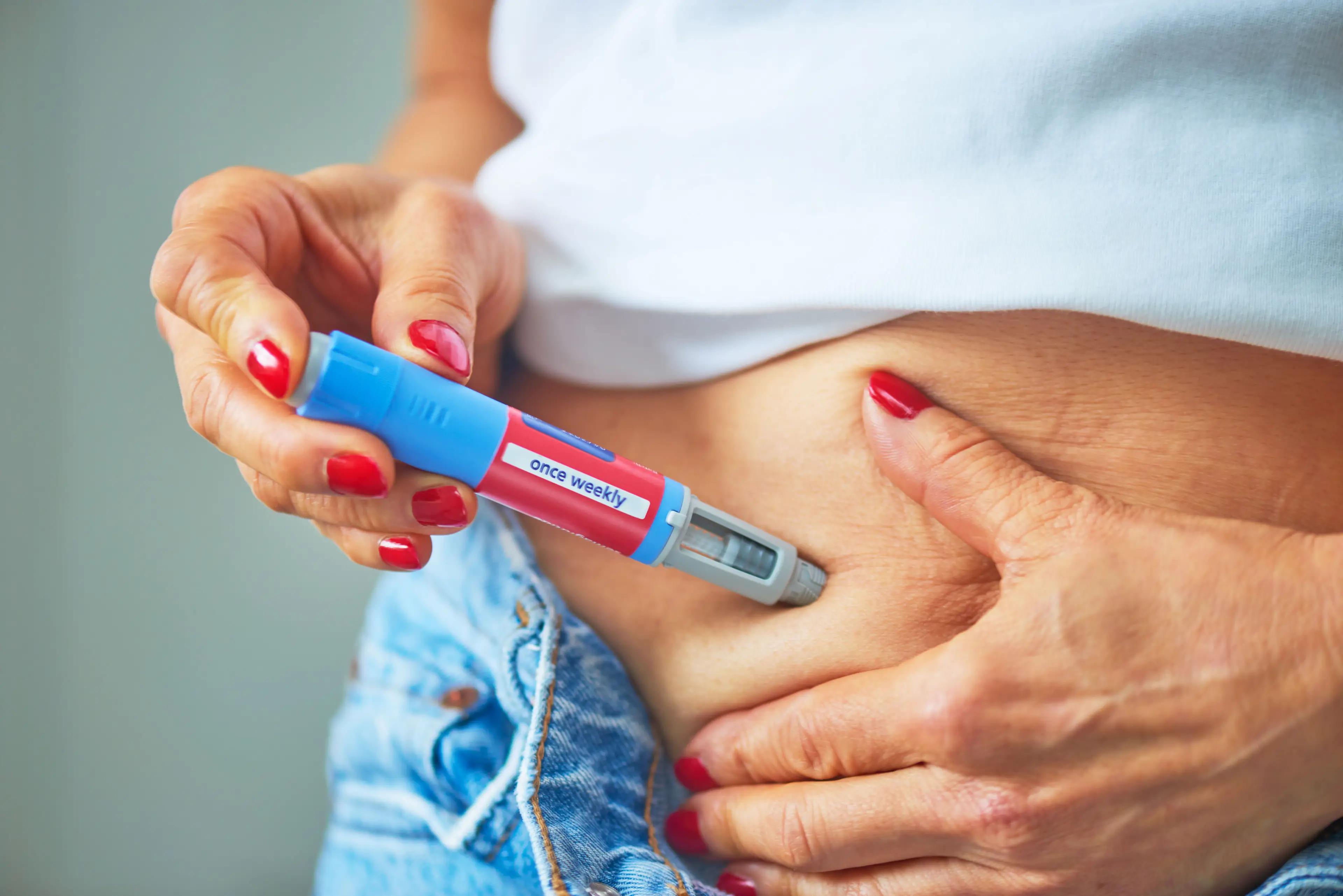
"This means that although Mounjaro is not designed to act on reproductive hormones, its metabolic actions can influence menstrual health in meaningful ways."
Talking about their experience, one Reddit user shared: "It's made my period longer, heavier, and more painful - I get so many more cramps then I did before" while someone else added: "I’m on week 4 of my MJ and just got my period and holy crap, worst cramping I have ever experienced (I usually have little to none)."
And a third chimed in with: "I started my injection two weeks ago and my period hasn’t stopped since then. Otherwise beforehand I had a very normal cycle."
But it's actually not all negative and a lot of people's experiences appear to be different.
Experts have pointed out that by promoting steady and sustained weight loss, the GLP-1 medication can help rebalance oestrogen levels, restore hormonal equilibrium and contribute to more predictable menstrual patterns - essentially, it might make your period more regular.
This is not due to the Mounjaro itself, but because weight loss can lead to more regular cycles, as well as a reduction in PMS symptoms, and a decrease in systemic inflammation.
On top of this, weight loss also significantly improves insulin sensitivity, which is a crucial factor for women with PCOS.
Tyla has contacted Eli Lilly for comment.
Topics: Mounjaro, Periods, Women's Health, Ozempic, Health, News, Life
 Madison Burgess