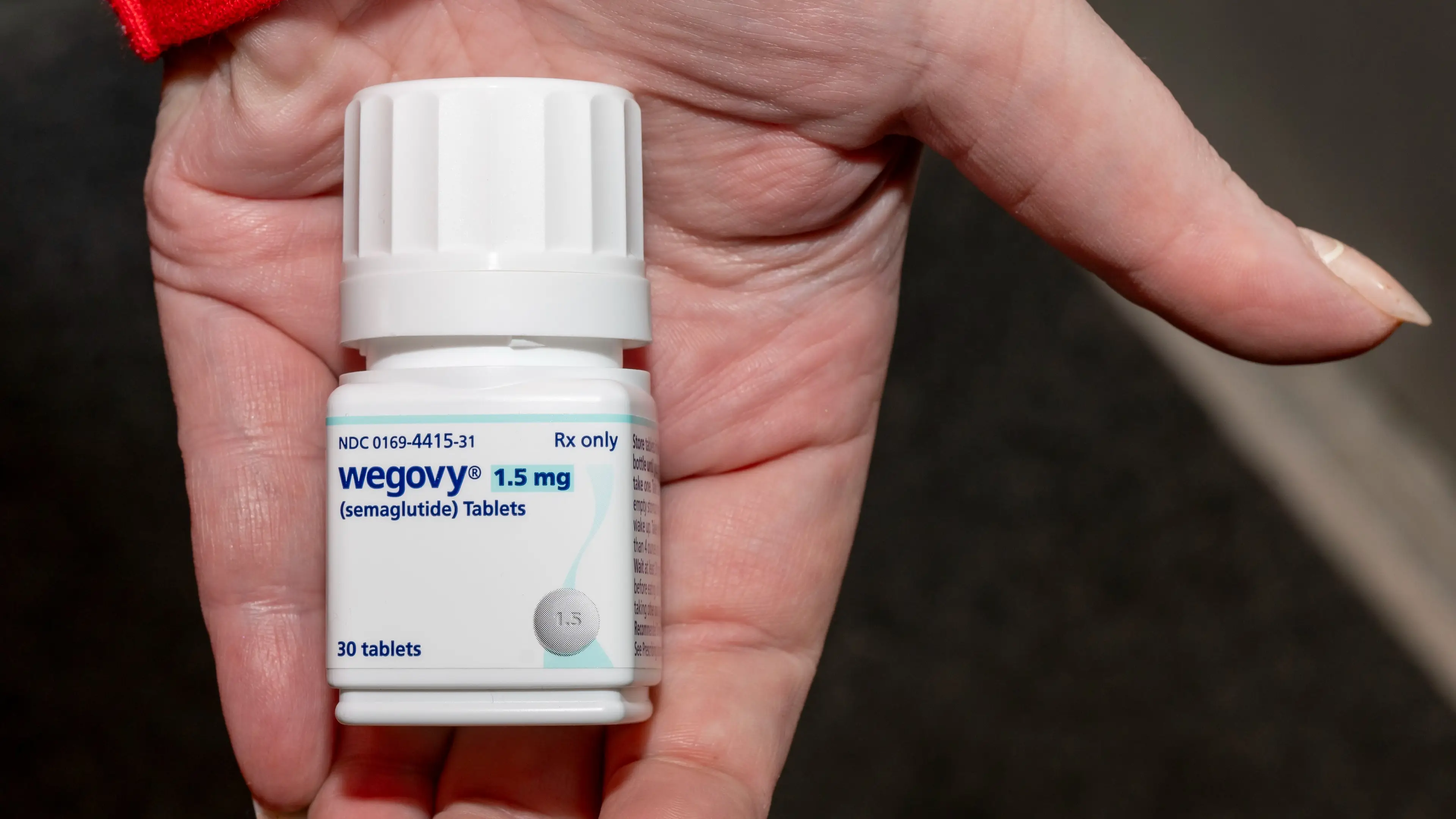
Everything you need to know about new Wegovy weight loss pill

The new Wegovy pill has officially launched, and here's everything you need to know so far.
In December last year, the Food and Drug Administration (FDA) approved a pill version of Wegovy, the brand name for semaglutide, a GLP-1 medication developed by Novo Nordisk. The approval means the pill can now be prescribed for weight loss.
Until now, Wegovy and many other popular weight loss medications have only been available as weekly injections. The new formulation offers a once-daily oral alternative, removing the need for injections. It can also be taken without any food or drink restrictions, making it a more convenient option for many people.
The pill is currently the first oral version of a GLP-1 drug, though it is expected to be joined by a similar pill from Eli Lilly, which is the manufacturer of Mounjaro.
Advert
As of Monday (6 July) the Wegovy pill is now available to buy privately from High Street and online pharmacies in the UK.
How do you take the Wegovy pill?
There are a number of guidelines in place to make sure it is absorbed into the body. It is advised that the pill is used alongside a healthy diet and increased physical activity.
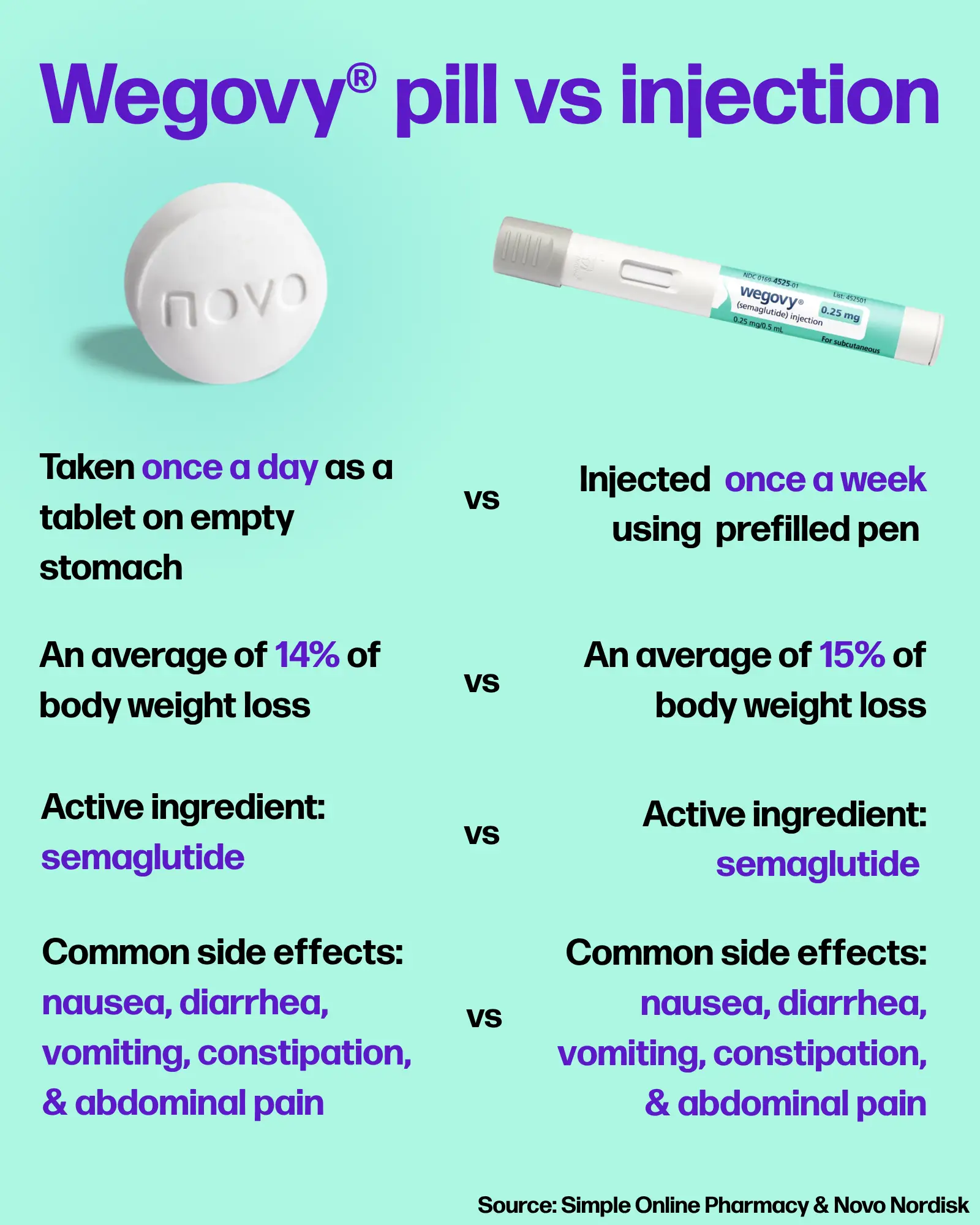
Those taking the pill must do so on an empty stomach after not eating for at least eight hours and at least 30 minutes before eating and drinking anything else or taking other tablets.
The pill must be taken with a sip of up to 120ml of plain water and swallowed whole. You cannot take it with carbonated water or coffee or tea.
Ideally, users should take the pill at the same time every day so it becomes routine.
It is advised that in the event a dose is missed, the entire day’s dose should be skipped. You should get back on schedule by taking the dose at her regular time the next day.
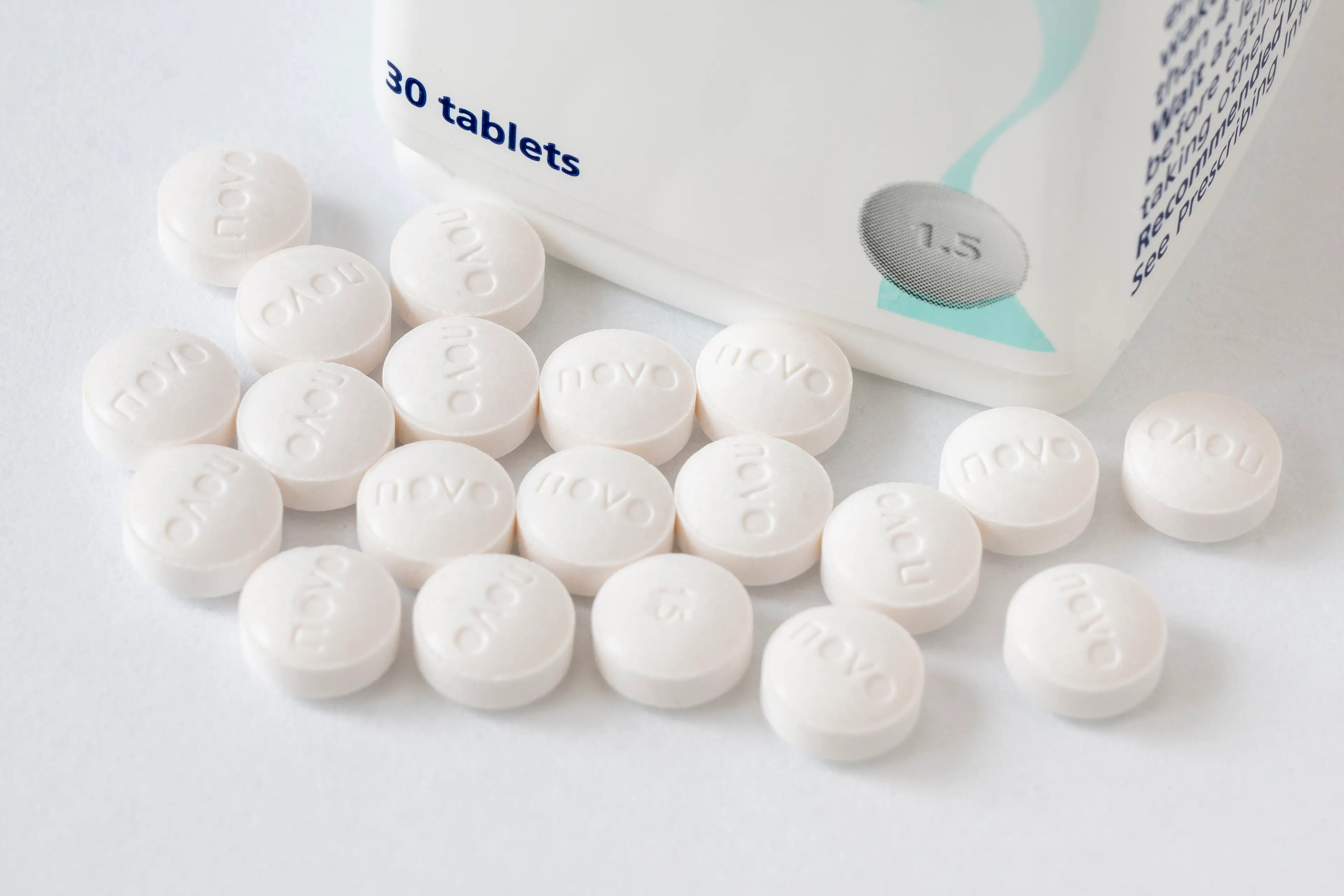
What are the differences between the pill and the jab?
Aside from the obvious difference that one is a pill and the other is an injection, both treatments work well, with clinical trials having found they are similarly effective.
If you're not a fan of needles, the tablet might be the better option.
On the other hand, if remembering to take a pill every day feels like a hassle, or fasting for at least eight hours before taking it doesn't fit your routine, you may find the once-weekly injection easier to manage.
You can take the injection at any time of day, but it does need to be kept in the fridge.
Who is the pill for?
It’s recommended for people with a BMI of 30 or above, which is generally classed as obese. It may also be suitable for people with a BMI between 27 and 30, which is generally classed as overweight, if they also have weight-related health conditions such as type 2 diabetes or high blood pressure.
This is essentially the same criteria for taking the injection.
A consultation is needed, either face-to-face or online, to establish if the injection is right for you and this practice is the same for the pull.
GLP-1 drugs are not intended to be short-term fix nor are they meant for cosmetic weight loss.
What are the side effects?
The active ingredient in both the pill and the injection is semaglutide. It works by mimicking a natural hormone called GLP-1, which your body releases after you eat.
The hormone helps regulate your appetite by acting on areas of the brain that control hunger. As a result, you feel fuller for longer, are less hungry and tend to have fewer food cravings.
The most common side effects are digestive problems, including feeling sick, vomiting, constipation and diarrhoea. But similar to other medicines, side effects are expected.
If you're using the injection, you might also notice some mild redness, itching or swelling where you inject it.
Some people taking either the tablets or the injection also experience stomach pain, headaches or tiredness.
More serious side effects are rare but can include low blood sugar, pancreatitis and severe allergic reactions.
For a full list of possible side effects and safety information, remember to read the patient information leaflet.
Semaglutide isn't suitable if you're under 18, pregnant or breastfeeding. Before starting treatment, speak to your doctor about any medical conditions you have and any medicines you're taking to make sure it's safe for you.
Earlier this month, it became the first weight loss tablet of its kind to be approved by the Medicines and Healthcare products Regulatory Agency (MHRA).
It's not yet clear if or when it will be available on the NHS.
The next step is for the National Institute for Health and Care Excellence (NICE) to review the evidence and decide whether to recommend it for use on the NHS.
How much does it cost?
This is expected to vary depending on where you buy the pill.
Some pharmacies have limited-time offers as the drug is introduced.
The price may also partly depend on the dosage.
Some pharmacies are offering the lowest dose (1.5mg) for £99 for a month’s supply and the highest dose (25mg) at £199 for a 30-day supply.
 Greg Harris