
Surgeon issues warning over horrific new side-effect of weight loss drugs

A surgeon has issued a stark warning over a particularly unpleasant reported side-effect of GLP-1 weight loss drugs.
Such drugs work by mimicking the natural hormone glucagon-like peptide-1 to help lower blood sugar and aid in weight loss. They increase insulin release from the pancreas, reduce the amount of sugar your liver produces, and slow the emptying of your stomach, which helps you feel fuller for longer.
And, by suppressing appetite, they lead to reduced calorie intake, resulting in weight loss.
They've boomed in popularity over the past year, including amongst the likes of celebrities - but that doesn't mean they don't come without side effects.
Advert
And now, one of the UK's leading orthopaedic surgeons, Tim Sinnett, has claimed that such a side-effect has left GLP-1 users unable to lift their limbs due to nerve dysfunction, telling the Mail Online he 'expects to see more patients presenting these symptoms over time'.
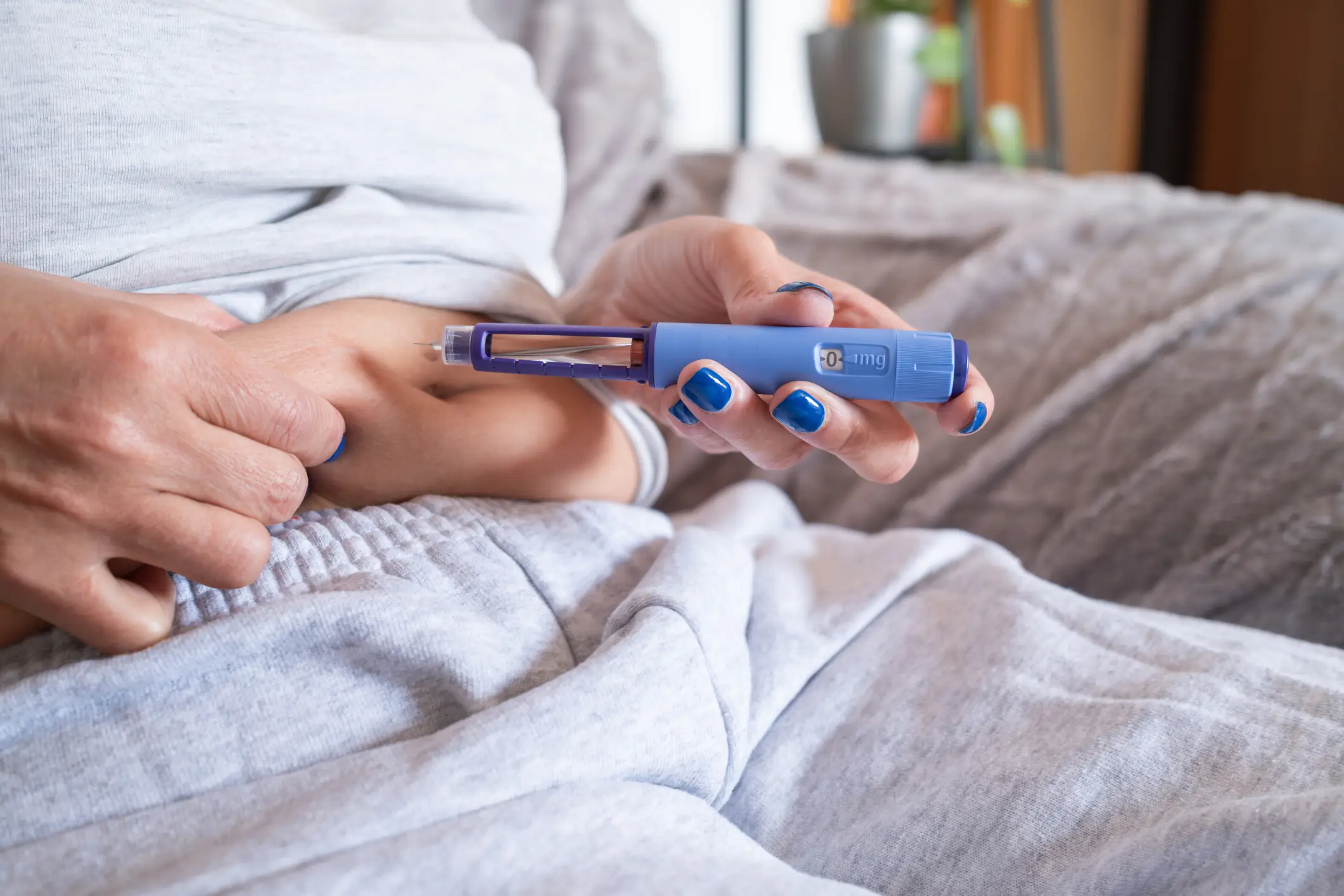
Sinnet, a foot and ankle surgeon, who is part of the Grosvenor Orthopaedic Partners group, added: "In the past six months, I have seen a handful of patients with foot drop related to weight-loss jabs - a phenomenon which has only presented itself this year.
"The sudden loss of weight, associated with this medication, is what is causing the problem."
He explained that all nerves have a 'natural rim' of fat around them and that suddenly losing weight and the fat surrounding nerves can cause nerve dysfunction in the foot and ankle.
"Patients with foot drop can have difficulty lifting the front part of the foot, causing it to drag on the floor," Sinnet warned.
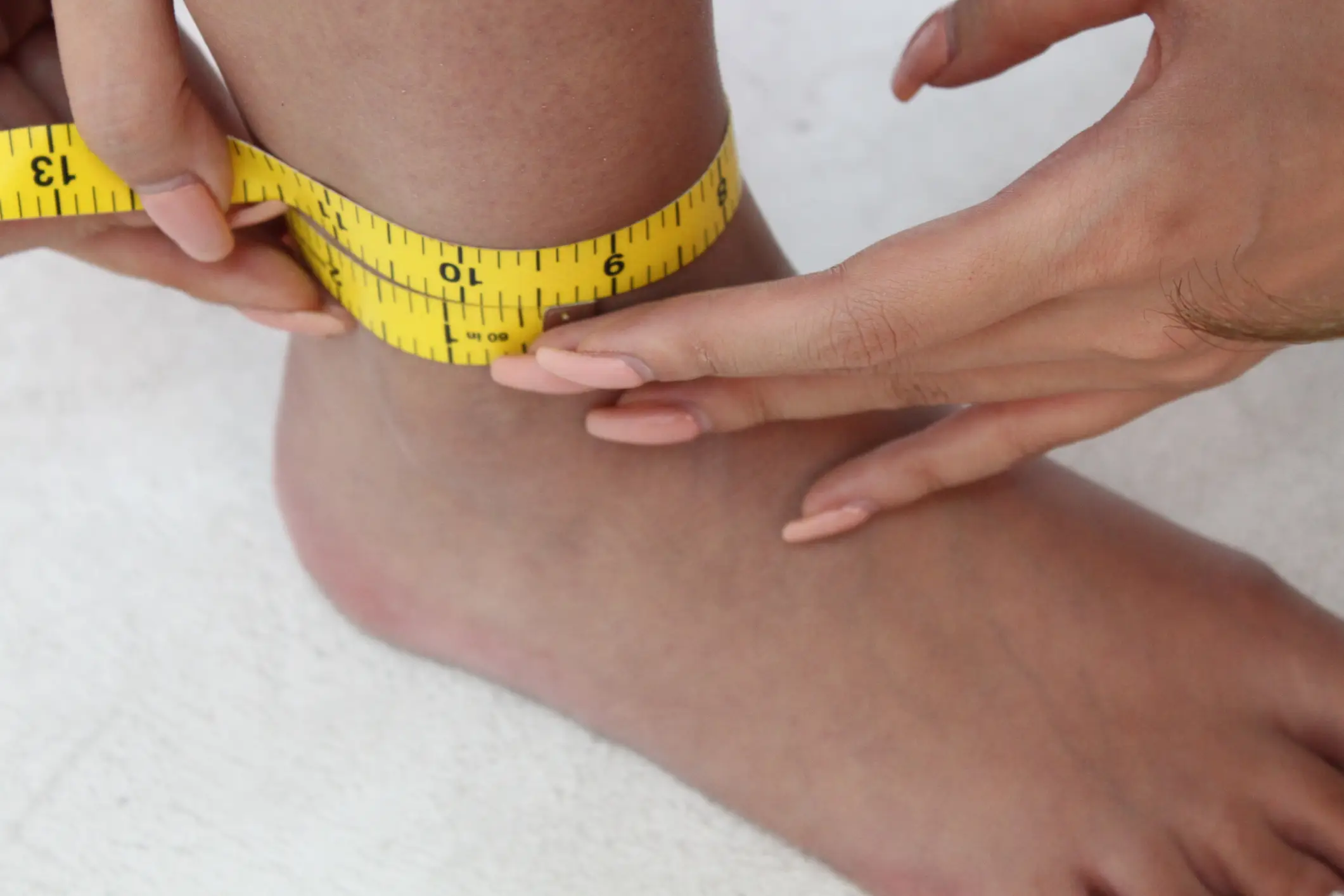
"Although losing weight is generally beneficial for the feet and ankles, in terms of reducing the force on the joints, the speed of the weight loss appears to be causing the nerves to malfunction."
He assured that, fortunately, the nerves are not damaged - but noted that restoring their function 'takes time and months of physio'.
"Quite often, I will ask them to use a splint to help with their walking. It is a slow process and also involves patients having to stabilise their weight, which can be difficult in some circumstances," Sinnet said of his patients, warning that there was unfortunately 'no way of preventing foot drop' for those on the jabs.
He added: "I expect to see more patients presenting these symptoms over time, as I believe this is just the start of the trend.
"It is likely that more patients presenting with foot drop are weight-loss jab users; they just have not disclosed it or even considered it to be the cause."
 Rhiannon Ingle