Experts share countries most at risk from El Niño predicted to be ‘strongest ever recorded’

Various countries across the globe are set to experience adverse weather conditions, including drought, flooding, and an increased hurricane risk, as experts declare El Niño conditions could be ‘strongest ever recorded’.
Those who aren’t well-versed in weather patterns may be hearing the phrase ‘El Niño’ for the first time whilst scrolling through news channels and social media.
If you’re trying to wrap your head around the warnings, then here’s everything you need to know about the issue, including which nations are most at risk of what weather event.
What is El Niño?
El Niño, in simple terms, is a natural climate pattern where the surface waters of the Pacific Ocean, specifically the central and eastern parts of the watery expanse, become much warmer than usual, as per the Met Office.
Advert
Due to the excess heat, the Pacific weather pattern causes not only the water itself to heat up but also the air above it.
Experts at the US National Oceanic and Atmospheric Administration (NOAA) have officially declared that El Niño conditions are now underway in the tropical Pacific.
They estimate it could be the ‘strongest ever recorded’ and that we may experience its implications through until November and possibly into 2027 and beyond.
“El Niño conditions developed over the past month, as shown by above-average sea surface temperatures (SSTs) across the central to eastern equatorial Pacific Ocean," the agency said.
They claim it may turn into a powerful or ‘super’ El Niño, a very strong version which is declared when sea surface temperatures increase by 2C or greater.
Countries most at risk from El Niño
Typically, higher temperatures can bring heavier rainfall and increase flood risk in certain countries. Other nations are more likely to experience droughts and wildfires due to hotter, drier conditions.
“We do need to worry about the impacts," said Prof Adam Scaife, head of monthly to decadal prediction at the UK Met Office, told the BBC.
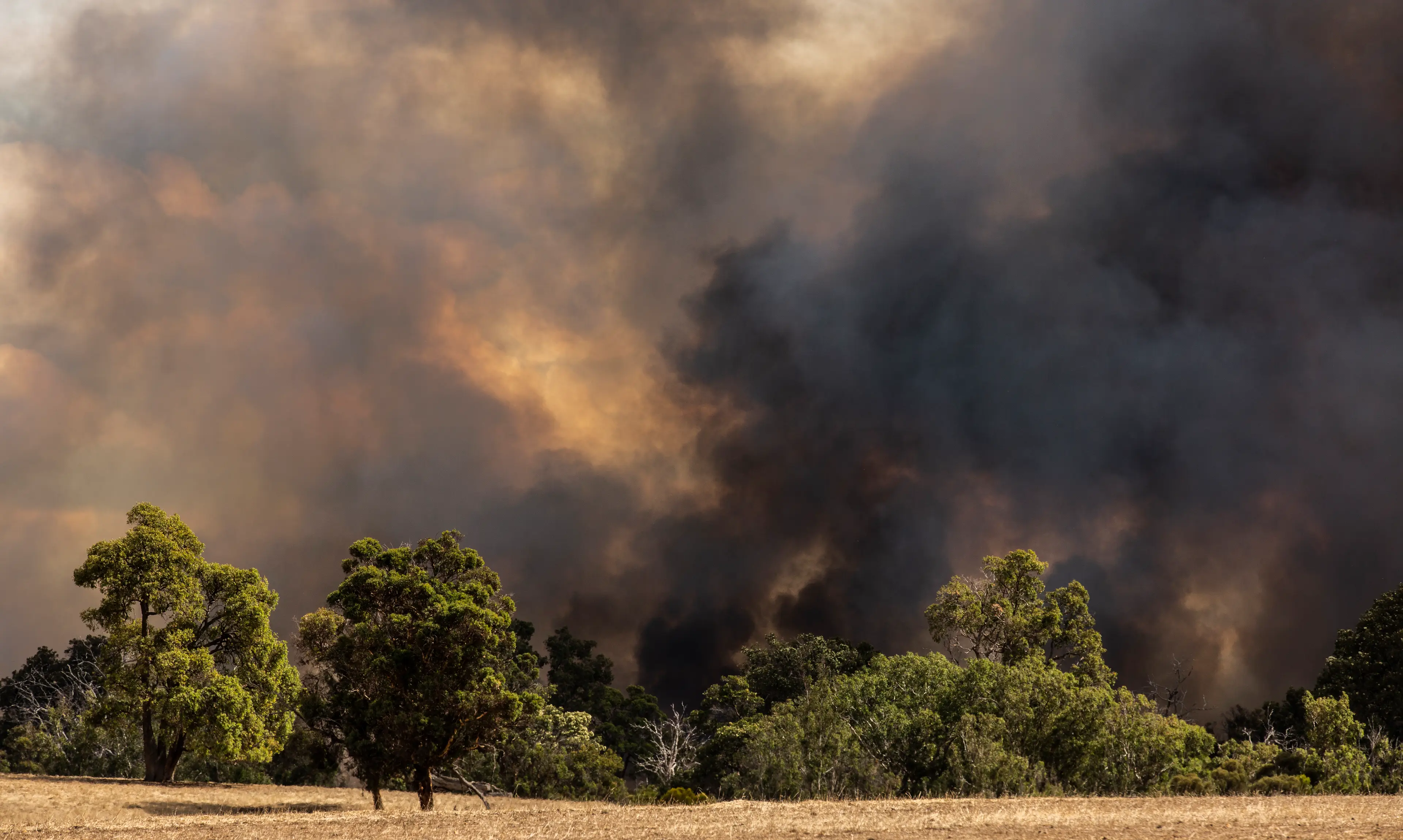
"The current El Niño is… riding on top of a substantial amount of global warming.
"This means that the actual temperatures in affected regions could well be unprecedented, as the warming from El Niño is being topped up by climate change."
Flooding
It’s understood that while many growing states in North America, including California, and a myriad of drought-stricken Middle Eastern countries will benefit from increased rainfall due to El Niño, other places may not be so lucky.
Countries in north-eastern Africa, including Egypt, Somalia, Ethiopia, and Djibouti, may experience dangerously heavy rains and flooding, as will parts of Central Asia, northern Peru and southern Ecuador.
Mohamed Adow, director of campaign group Power Shift Africa, warned that East Africans will also bear the brunt.
“In East Africa especially, this will land on communities already battered by droughts and floods in recent years,” he warned.
Hurricanes
The Guardian wrote that the phenomenon often dampens, but does not eliminate, the Atlantic hurricane season.
So, while parts of America, including the East and Gulf coasts, may experience a reprieve, places such as the Hawaiian archipelago may not have the same kind of luck, experts warned.
Drought
While a hurricane reprieve sounds like a good thing, for Central America it can lead to a ‘lot less rainfall and potentially drought conditions’, warned Liz Stephens, professor of climate risk and resilience at the University of Reading.
This could impact fishing communities and reduce food availability for marine species, such as anchovies.
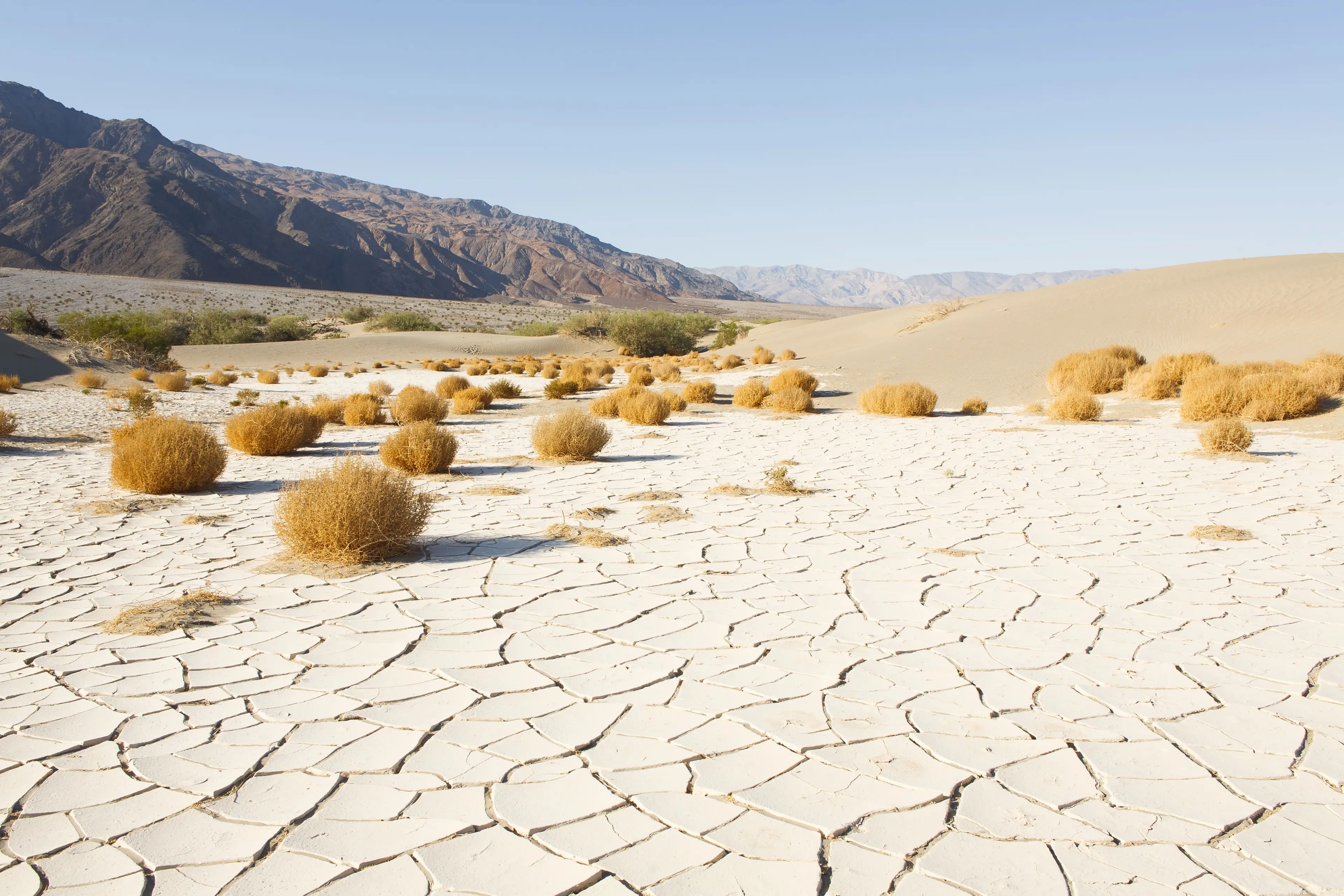
Australia and Southeast Asia may also experience hotter, drier conditions, increasing the chances of wildfires, as per the BBC.
It can also weaken the Indian monsoon season, running from June to September, and cause more intense heatwaves.
Not only is the rainfall relied upon for agricultural output, but it is also used to replenish drinking water reservoirs.
UN Secretary-General’s El Niño warning
António Guterres, a Portuguese and East Timorese politician who has served as the ninth Secretary-General of the United Nations since 2017, has issued a video warning following the declaration of El Niño.
“The science is clear: El Niño is arriving on our doorstep in the coming months with 90% certainty,” he warned.
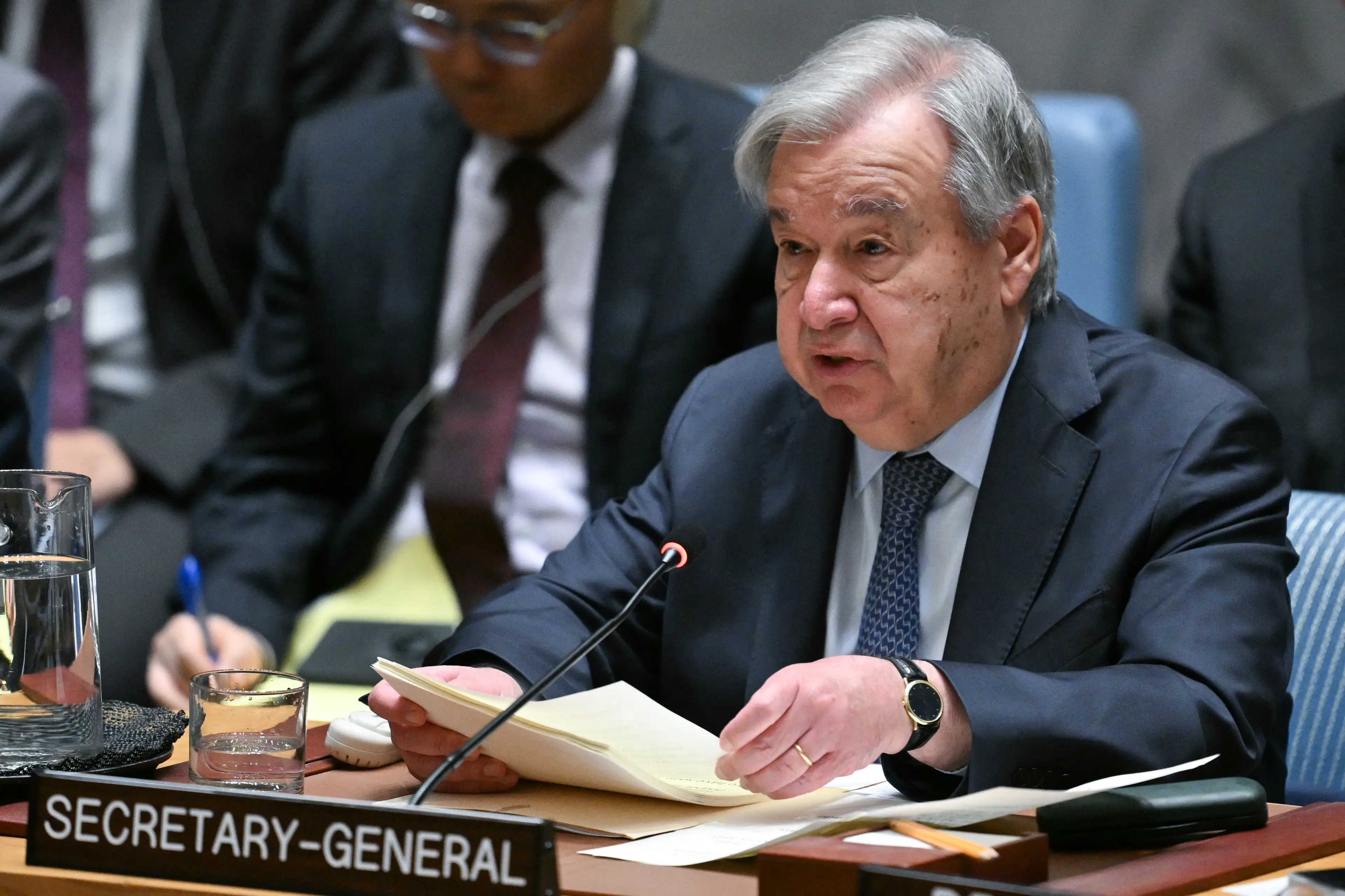
“The world must treat it as the urgent climate warning it is. El Niño conditions will pour fuel on the fire of a warming world.
“Impacts will hit even harder, travel even farther, and cross borders with devastating speed.”
He continued, claiming the only ‘effective response is climate action equal to the crisis’ would be to end the world’d ‘addiction to fossil fuels’ whilst ‘accelerating the shift’ to renewable energy sources.
The 77-year-old said officials should ‘protect the most vulnerable’ while delivering ‘early warning systems for all’.
 Ella Scott