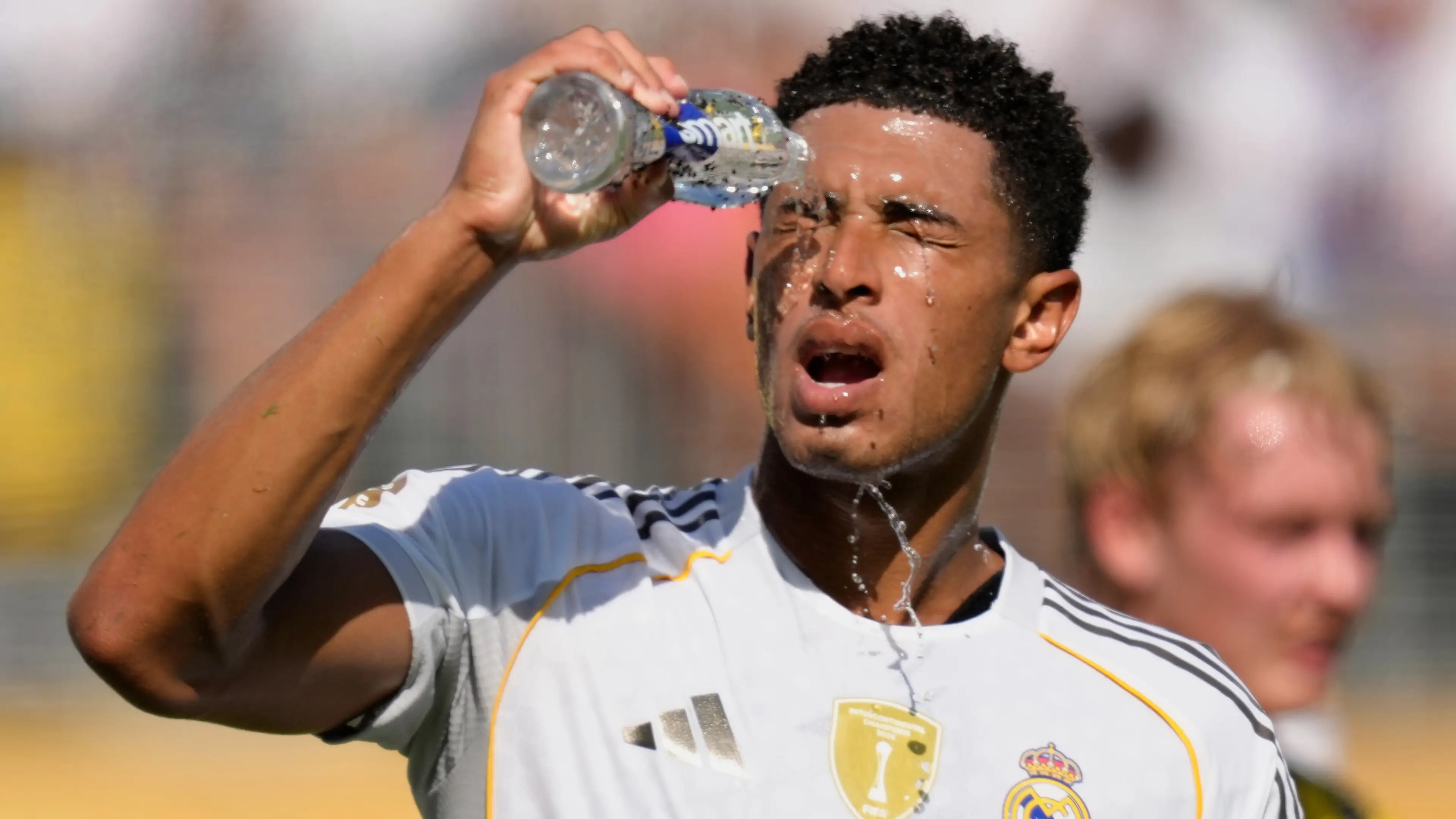
El Niño could have serious consequences for the 2026 World Cup

A climate scientist has warned of how scorching El Niño conditions could have a worrying effect on the World Cup.
Dr Ella Gilbert told Sky Sports that ‘we shouldn’t underestimate the impact’ of the rising temperatures and adverse weather conditions that are set to come.
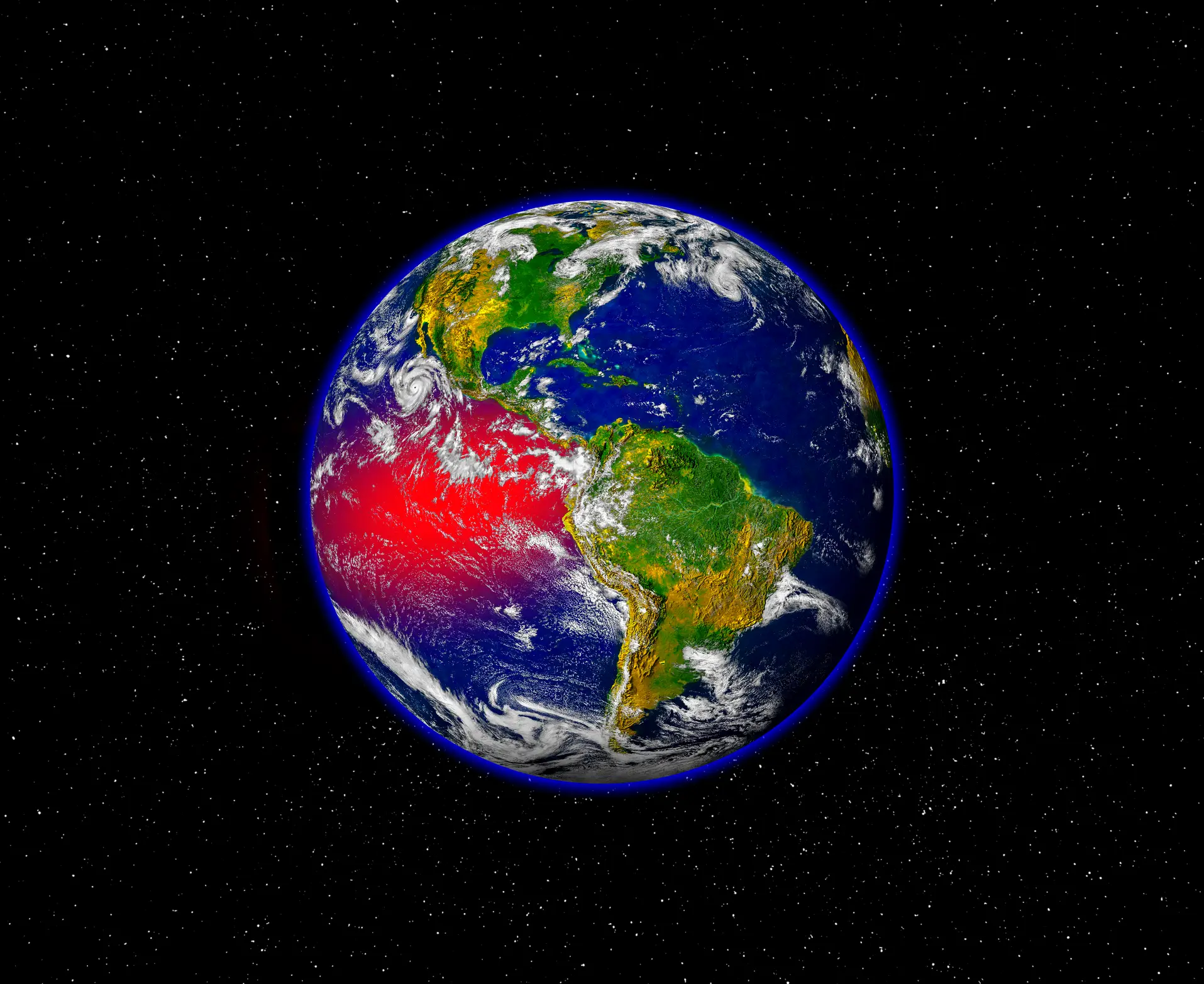
For those who are unfamiliar with the term, an El Niño event is declared when sea temperatures in the tropical eastern Pacific rise 0.5 degrees celcius above the long-term average.
At the beginning of the month, the World Meteorological Organisation (WMO) issued a warning that there’s an 80 per cent likelihood of an El Niño event happening during June and August this year.
Advert
Experts are predicting that we could actually be faced with a ‘Super’ El Niño, with UN Secretary-General António Guterres warning in a statement that it will ‘pour fuel on the fire of a warming world’.
Speaking about the impact of the extreme weather on the World Cup tournament, Gilbert told Sky: “It will depend on the conditions on the day, but we should never underestimate the impact on people of extreme heat and other types of extreme weather.”
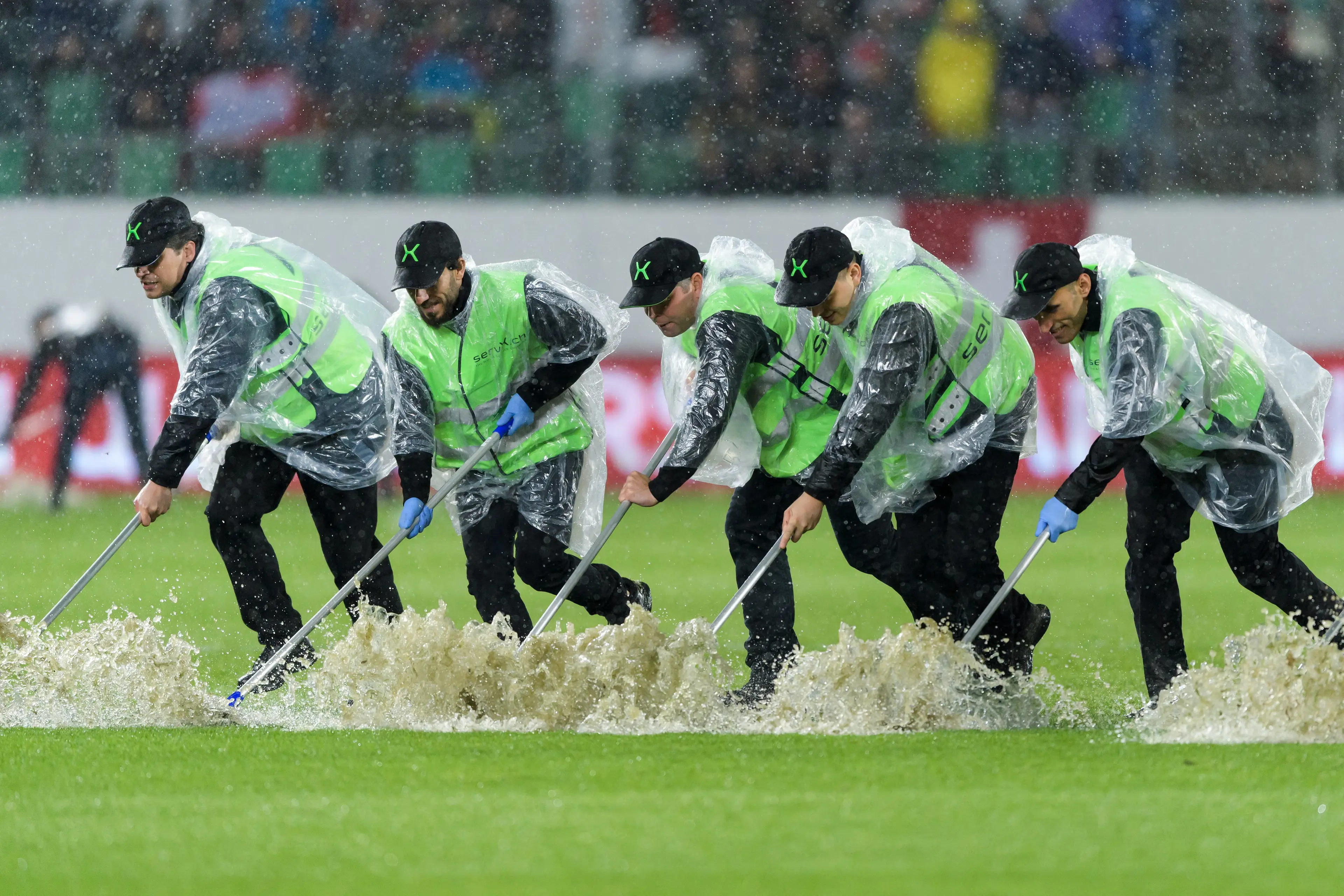
She explained: "We are more likely to see hot conditions, and because of every degree of warming, we get more humidity, so it will be less comfortable to be a player in those conditions. It is more humid and hotter.
"We are more likely to see players stopping to get hydrated or getting rained off by some intense downpour which appears out of nowhere.”
The expert outlines that interruptions like that are ‘more likely’ and so an adapted strategy will need to be in place to ‘manage player health’.
Gilbert added: "Both teams experience the same conditions so in that sense it is fair, but, inevitably, it is going to change the game. We should all bear that in mind when we are watching."
This year’s FIFA World Cup tournament is being jointly hosted by Canada, Mexico, and the United States, with the games taking place at stadiums across these nations.
A hydration break rule has already been introduced to protect athletes from extreme heat, with three-minute pauses taking place midway through each half of the games, regardless of temperatures.
The sports governing body said the move was to ‘ensure equal conditions for all teams, in all matches’.
However, as per the BBC, some fans have criticised the new rules as ‘commercial interruptions to appease US broadcasters’.
Joshua L. DeVincenzo, assistant director of applied research services at Columbia University's National Center for Disaster Preparedness, said: "When we look at the three-minute hydration breaks, we're really looking at this as a way to mitigate anything that could potentially lead to an incident or an emergency,” as reported by NPR.
New rules for the FIFA World Cup 2026
This year, there’s been a whole host of rule changes, many of which are designed to speed up the game and penalize players who drag things out. Some of the new regulations are likely to prove controversial.
10-second substitution
Subbed players now have to get a move on and leave the pitch within ten seconds by the nearest exit point. If they haven’t, their replacement will get held up by one minute until the next stoppage of play, and until then, their side will have to play with 10 men.
5-second throw-ins and goal kicks
If a referee thinks a player is taking too long for a throw-in or goal kick, they’ll start a five-second countdown, by which time the ball needs to be back in play. If it’s not, for throw-ins the opposing team will get their own throw-in, or for a goal kick the other side gets a corner.
Injured players to remain off the pitch for one minute
An injured player treated by medical staff off-field has to stay off the pitch for one minute, leaving their side with just 10 players.
More VAR
VAR can now be used to review an incorrectly awarded corner kick; second yellow cards resulting in a red card; when a player is incorrectly awarded a yellow or red card for another player’s actions; and any attacking fouls that occur before the ball is in play.
Players can’t cover their mouths
Players who cover their mouths in confrontational situations will be handed a red card. It’s believed players might cover their mouths to guard against lip readers while racially abusing other players, which some suspect has happened in the past.
Red cards for players leaving the pitch
Any player who leaves the pitch in protest over a referee’s decision will be handed a red card, and if a team walks off and causes a match to be abandoned, they’ll forfeit the game.
Topics: Climate Change, Weather, World News, US News, World Cup
 Madison Burgess