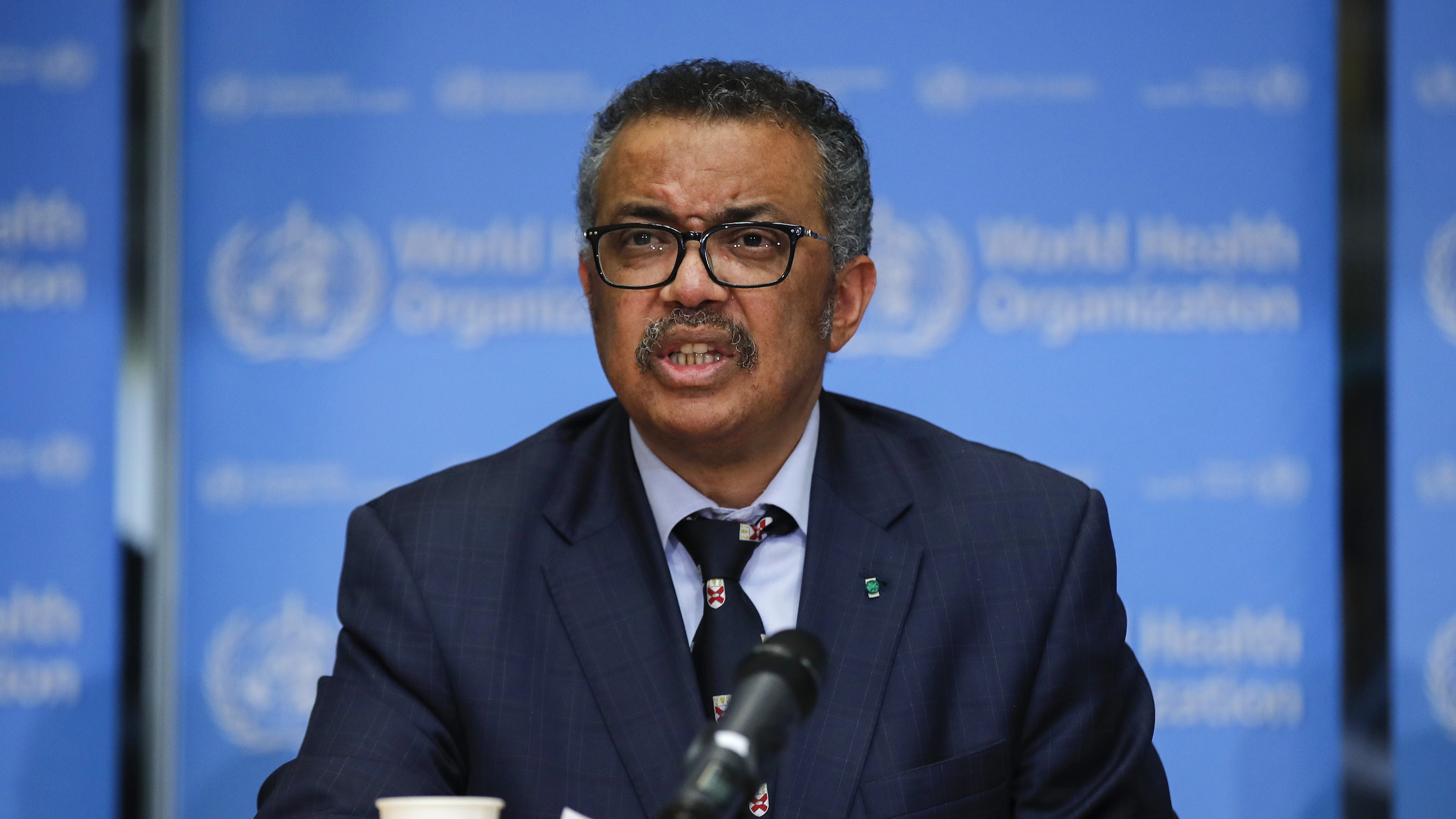
WHO chief reacts to Ebola outbreak in Central Africa with move he's 'never made before'

Dr Tedros Adhanom Ghebreyesus, the chief of the World Health Organisation (WHO), has issued an official update in response to a deadly Ebola outbreak.
131 people have died across Central Africa after contracting the dreaded Bundibugyo strain of the viral disease, which causes severe inflammation and tissue damage throughout the body, leading to internal bleeding.
This specific variant, which does not yet have an approved vaccine, is spread via close contact with the bodily fluids of infected or dead patients, including their sweat, blood, faeces and vomit.
According to the European Centre of Disease Prevention and Control, the virus can remain in the body undetected for several weeks before causing illness. It is understood that this delay is now preventing health agents from being able to curb further spread.
Advert
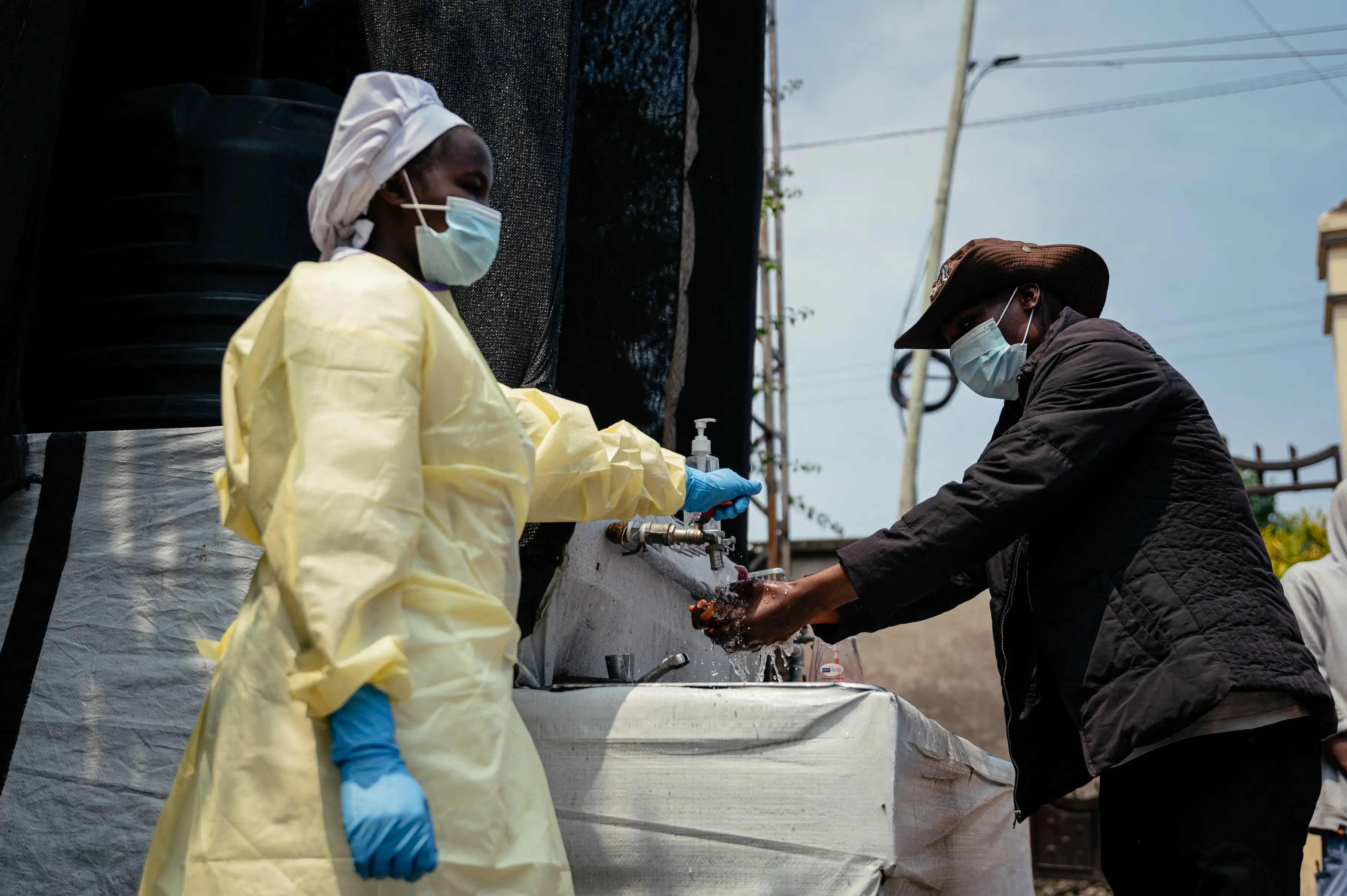
Georgetown University Centre for Global Health Policy and Politics professor, Matthew M Kavanagh, explained the fatal fallout caused by this delay.
"Because early tests looked for the wrong strain of Ebola, we got false negatives and lost weeks of response time," he previously told AP. "We are playing catch-up against a very dangerous pathogen."
500 infection cases have also been recorded in the region so far, including throughout the Democratic Republic of Congo (DRC) and Uganda.
This was deemed a sharp increase from the suspected 300 cases recorded earlier this week.
The rise spurred WHO representatives to declare the situation a public health emergency of international concern on Sunday.
Dr Ghebreyesus of the organisation subsequently called for an emergency meeting to be held between health experts in Geneva today (19 May), something he claimed he 'did not do lightly'.
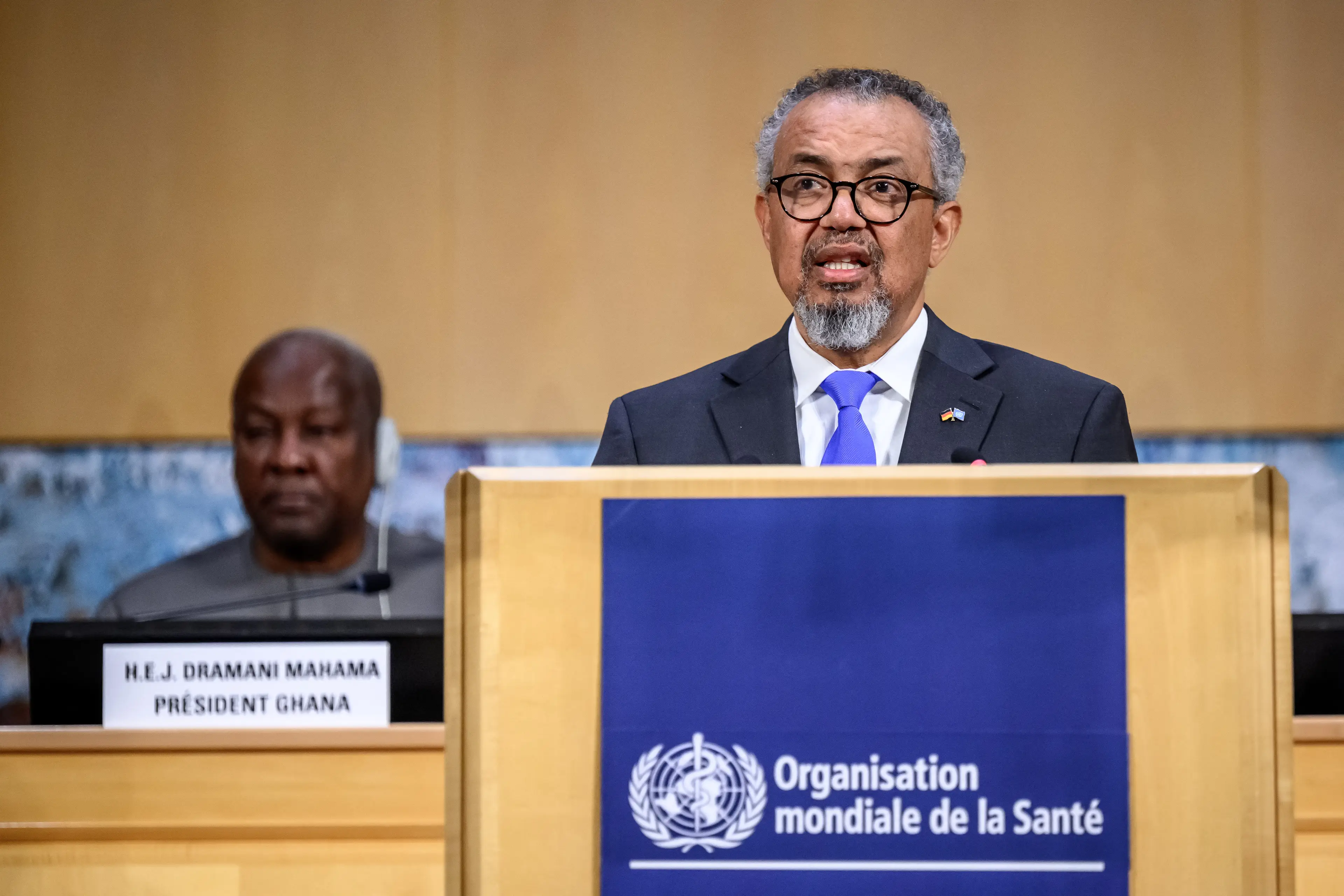
"This is the first time a director general has declared a PHEIC before convening an emergency committee," he began in an eerie update. "I am deeply concerned about the scale and speed of the epidemic.
"There are several factors that make us concerned about the potential for further spread and further deaths.
"First, beyond the confirmed cases, there are more than 500 suspected cases and 130 suspected deaths. These numbers will change as field operations are scaling up, including strengthening surveillance, contact tracing and laboratory testing."
The WHO official continued: "Second, cases have been reported in urban areas, including Kampala, and the city of Goma in DRC. Third, deaths have been reported among health workers, indicating healthcare-associated transmission.
"Fourth, there is significant population movement in the area."
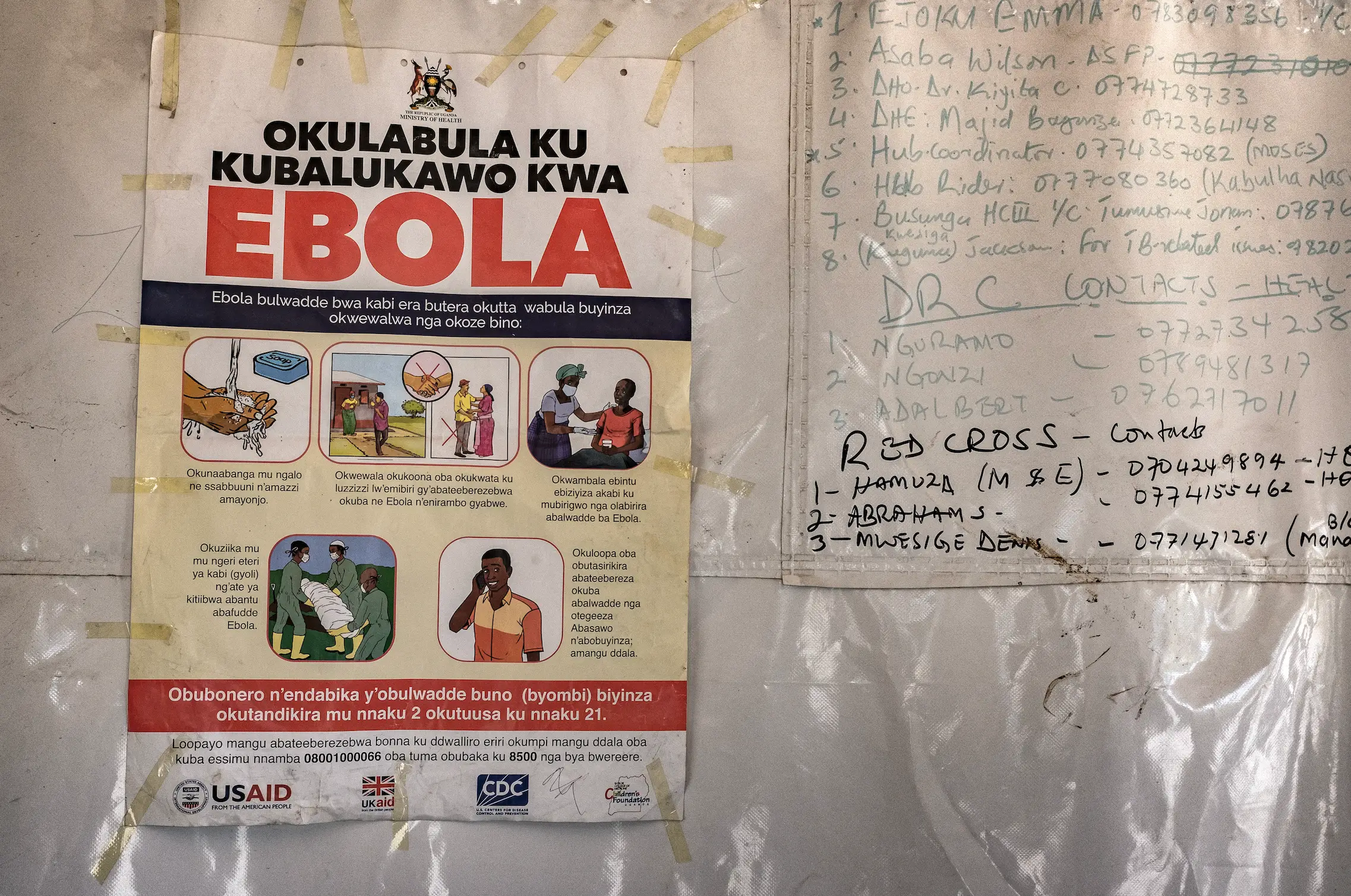
Discussing the risk to global wellbeing, Dr Craig Spencer, a Brown University School of Public Health associate professor, who survived Ebola over 10 years ago after contracting the disease in Guinea, said the speed at which the world learned of the most recent outbreak is the 'most concerning'.
"There’s no doubt that this is probably much worse than what we think right now," he told CNN. "I suspect the true case total is much higher than what’s being reported."
Dr Spencer also told PA: "Ebola is very much a disease of compassion in that it impacts the people who are more likely to be taking care of sick folks."
Topics: World News, Health, News
 Rhianna Benson