Experts issue pandemic warning after Ebola outbreak emergency and hantavirus spread

Experts are warning that the world is becoming less resilient to outbreaks of infectious diseases after the recent hantavirus and Ebola outbreaks.
A new report by the Global Preparedness Monitoring Board, called A World on the Edge: Priorities for a Pandemic‑Resilient Future, has found that worryingly, as infectious disease outbreaks become more frequent, they are also becoming more damaging.
The report outlines that there are ‘widening health, economic, political and social impacts, and less capacity to recover from them’.
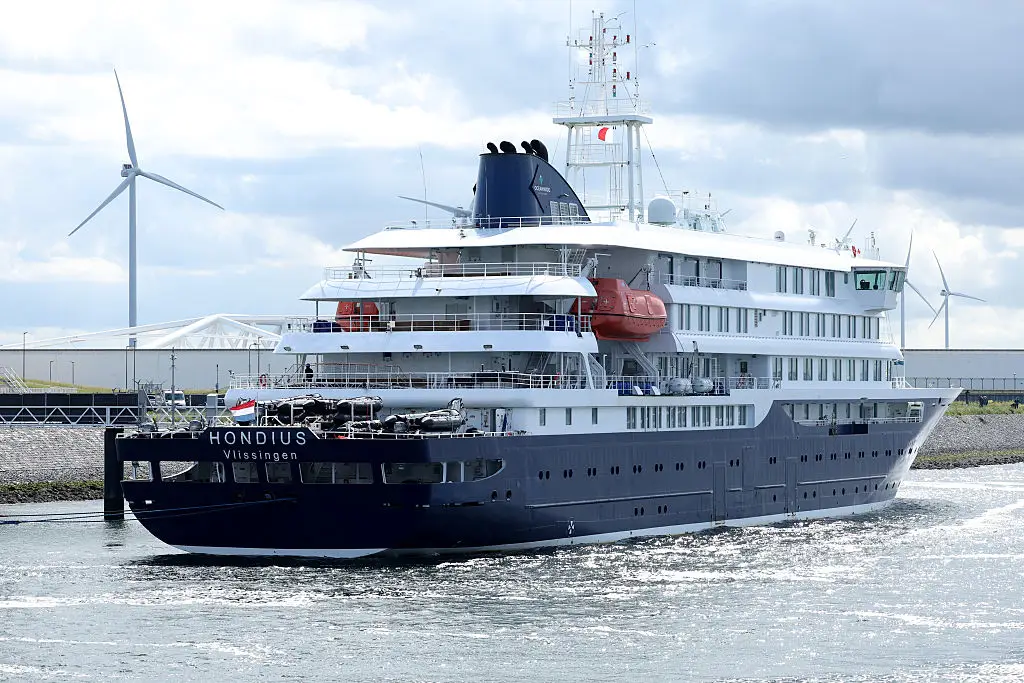
It comes after an outbreak of hantavirus on the MV Hondius cruise ship dominated the headlines this month, with the number of those affected reaching 11 cases, nine of which have been confirmed.
Advert
Three passengers have died, including a Dutch couple who health officials believe were the first exposed to the virus while visiting South America.
However, the World Health Organisation has reassured that the risk to the public is very low.
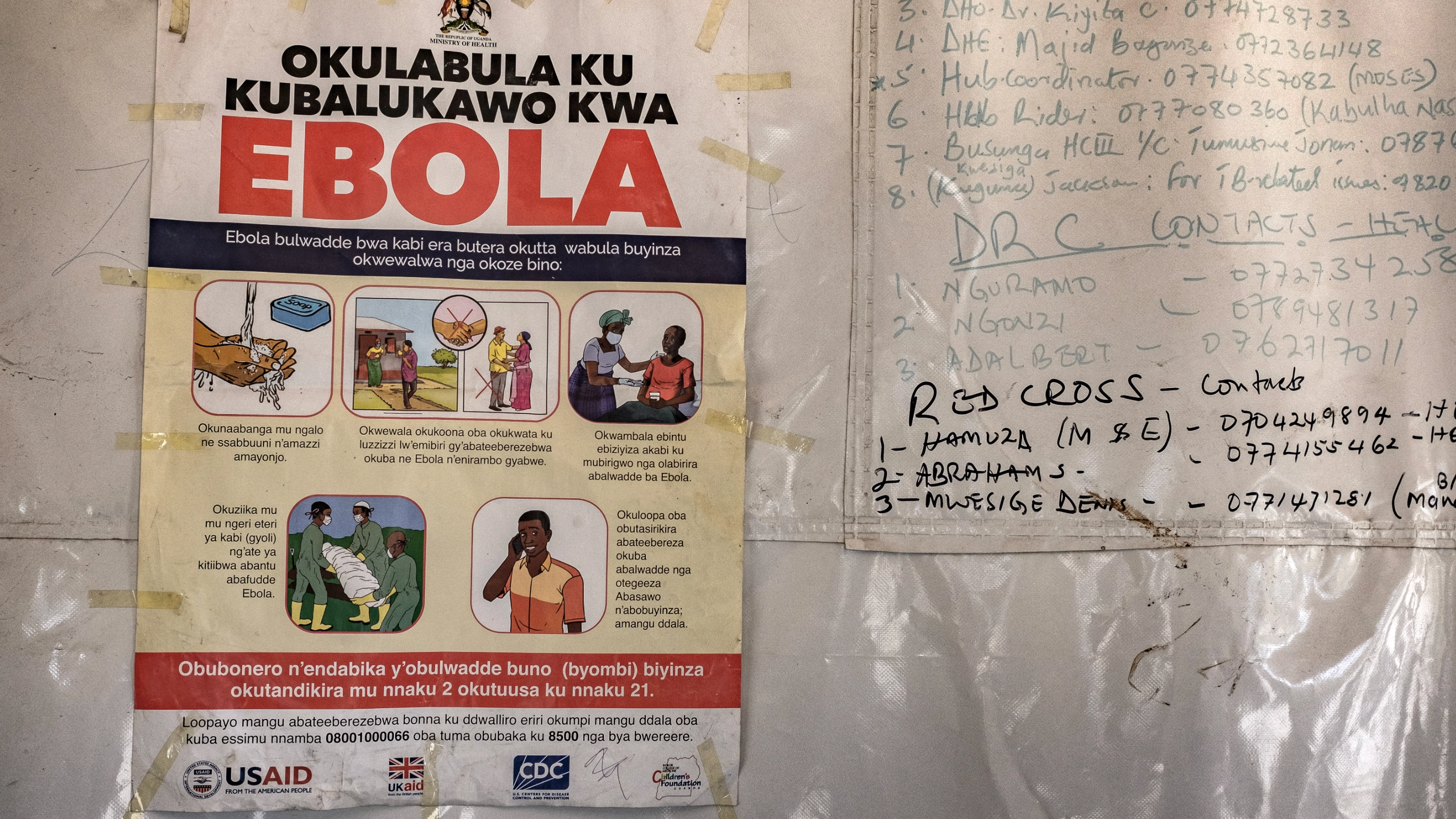
At the same time, health authorities in the Democratic Republic of the Congo and Uganda are currently trying to contain an outbreak of Ebola involving more than 100 deaths.
WHO declared the Ebola disease outbreak a public health emergency of international concern on Sunday (17 May).
As reported by The Guardian, the Director General of WHO, Dr Tedros Adhanom Ghebreyesus, said there had been at least 500 suspected cases of Ebola and 130 suspected deaths in DRC since the new outbreak began.
Health authorities have confirmed that the current outbreak, is caused by the Bundibugyo virus, which is a rare variant of the Ebola disease that has no approved therapeutics or vaccines.
On Tuesday (19 May), Tedros said, “This is the first time a director general has declared a PHEIC before convening an emergency committee. I did not do this lightly … I’m deeply concerned about the scale and speed of the epidemic.”
The new GPMB report warns that ‘a decade of investment has not kept pace with rising pandemic risk’.
The board says that while new initiatives have improved aspects of preparedness, overall these efforts are ‘being offset by the growing effects of rising geopolitical fragmentation, ecological disruption, and global travel, especially as development assistance falls to levels not seen since 2009’.
Shockingly, the report says that on some key measures, such as equitable access to diagnostics, vaccines, and therapeutics, the world is ‘moving backwards’.
The board has advised political leaders of three measures they can take to reverse these trends
- Establish a permanent, independent monitoring mechanism to track pandemic risk
- Advance equitable access to life-saving vaccines, tests and treatments by concluding the Pandemic Agreement
- Secure robust financing for both preparedness & ‘Day Zero’ response activities
GPMB Co-Chair, H.E. Kolinda Grabar-Kitarovic said: “The world does not lack solution. But without trust and equity, those solutions will not reach the people who need them most.
“Political leaders, industry and civil society can still change the trajectory of global preparedness - if they turn their commitments into measurable progress before the next crisis strikes.”
Topics: Health, News, World News, UK News
 Madison Burgess