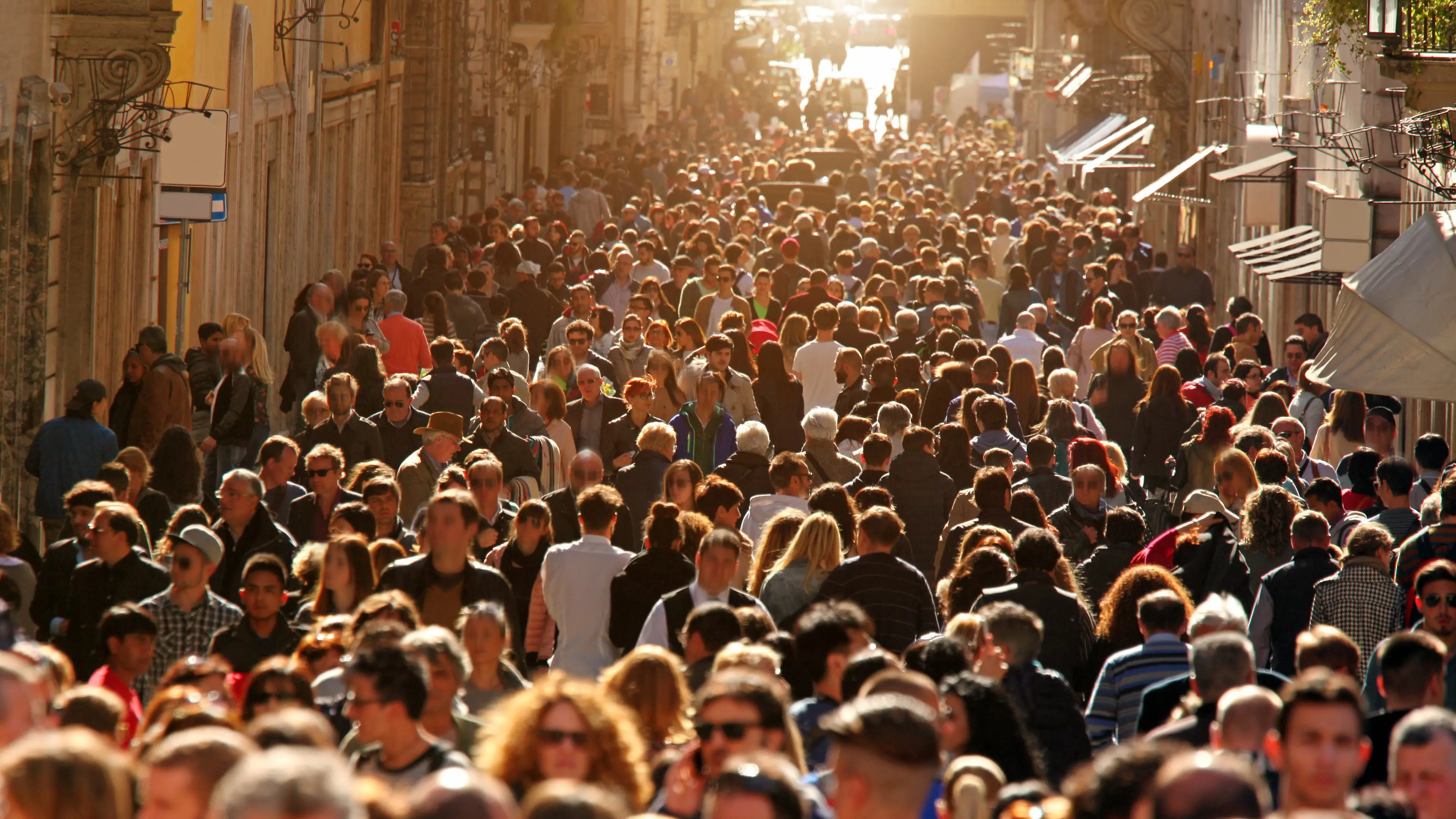
Scientists think they miscounted how many people are actually on Earth

A startling new study has accused scientists of grossly underestimating the number of people currently living on planet Earth.
For years, United Nations officials have put the world's population at around 8.2 billion.
It first hit the 1 billion mark not long after the start of the 19th century, after which the figure rapidly grew.
By 1925, scientists claimed that the figure had doubled exactly before quadrupling again to 4 million half a century later.
Advert
The 8.2 billion estimate was first given on 15 November 2022, when UN officials announced the birth of the eight-billionth person.
The group landed at this figure by dividing the surface of the planet into a grid. Census data was then used to calculate roughly how many human beings lived in each square.
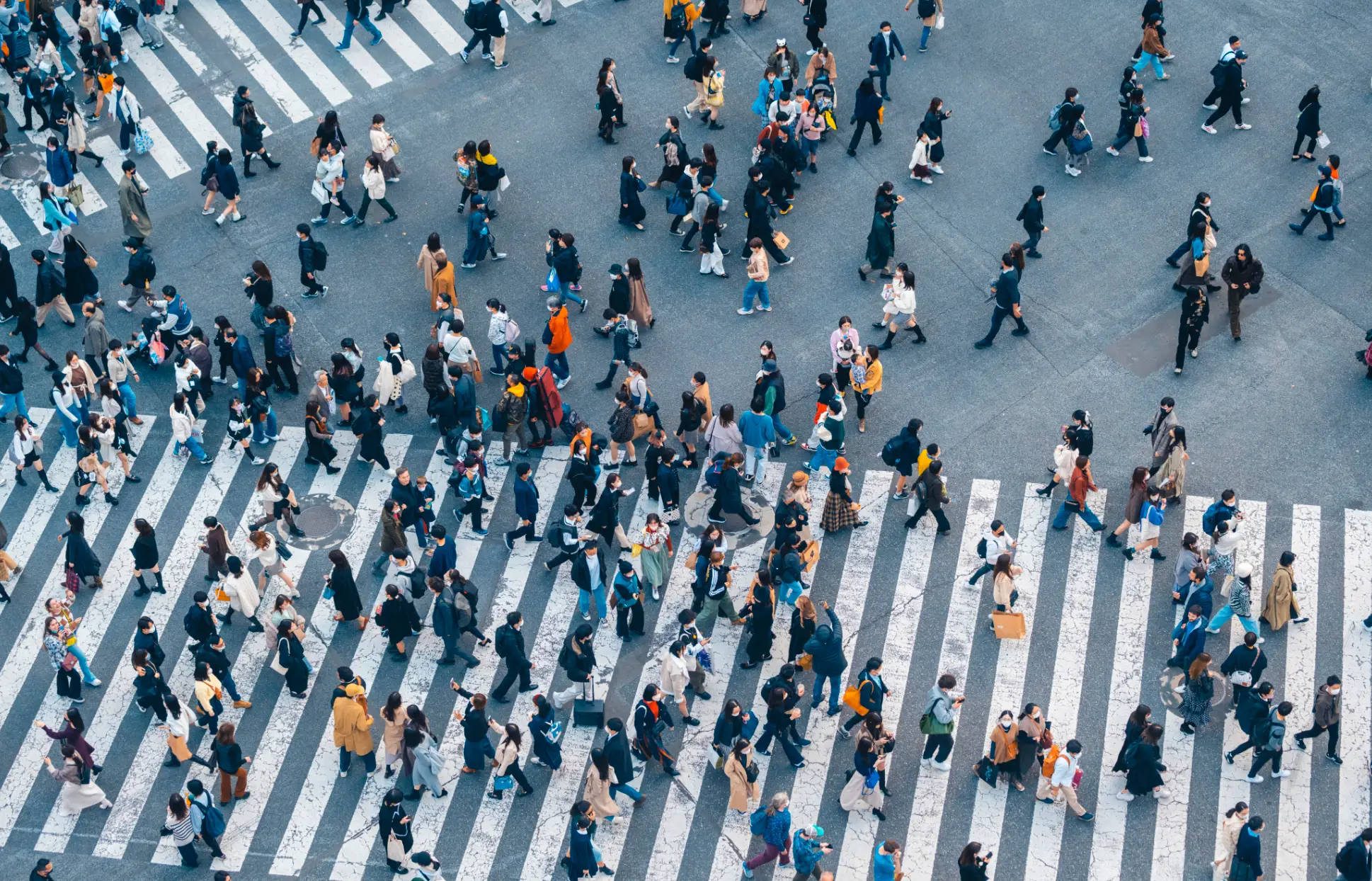
A recent investigation carried out by staff at the Aalto University in Finland (cited by The Guardian), however, has implied that, for a while now, scientists have actually been way off in their estimations.
Apparently, the findings tell us that there could actually be millions, if not billions, more citizens residing on Earth than the original 8.2 billion estimate.
The study has raised issues with the method of calculating population that we'd previously relied upon.
Dr Josias Láng-Ritter, one of the leaders of the investigation, has argued that UN estimates miscount how many people are living in rural areas by over 50 per cent, likely because census data in the southern hemisphere is unreliable outside of large, busier cities.
What this underestimation implies is that the total population figure could be off by several billion.
"We were surprised to find that the actual population living in rural areas is much higher than the global population data indicates," Láng-Ritter explained.
"Depending on the dataset, rural populations have been underestimated by between 53 per cent and 84 per cent over the period studied.
"The remarks are remarkable, as these datasets have been used in thousands of studies and extensively support decision-making, yet their accuracy has not been systematically evaluated."
Unsurprisingly, the news has sparked widespread concern surrounding resources, especially given that 'overpopulation' was already viewed by many as one of the world's biggest issues.
This notion has also been utilised by several right-leaning politicians in a bid to vilify certain ethnic groups and immigration.
"No wonder resources feel so stretched — the world might be even fuller than we thought!" one X user noted.
"So we might already be 10B humans in disguise? No wonder the planet feels extra crowded," another added.
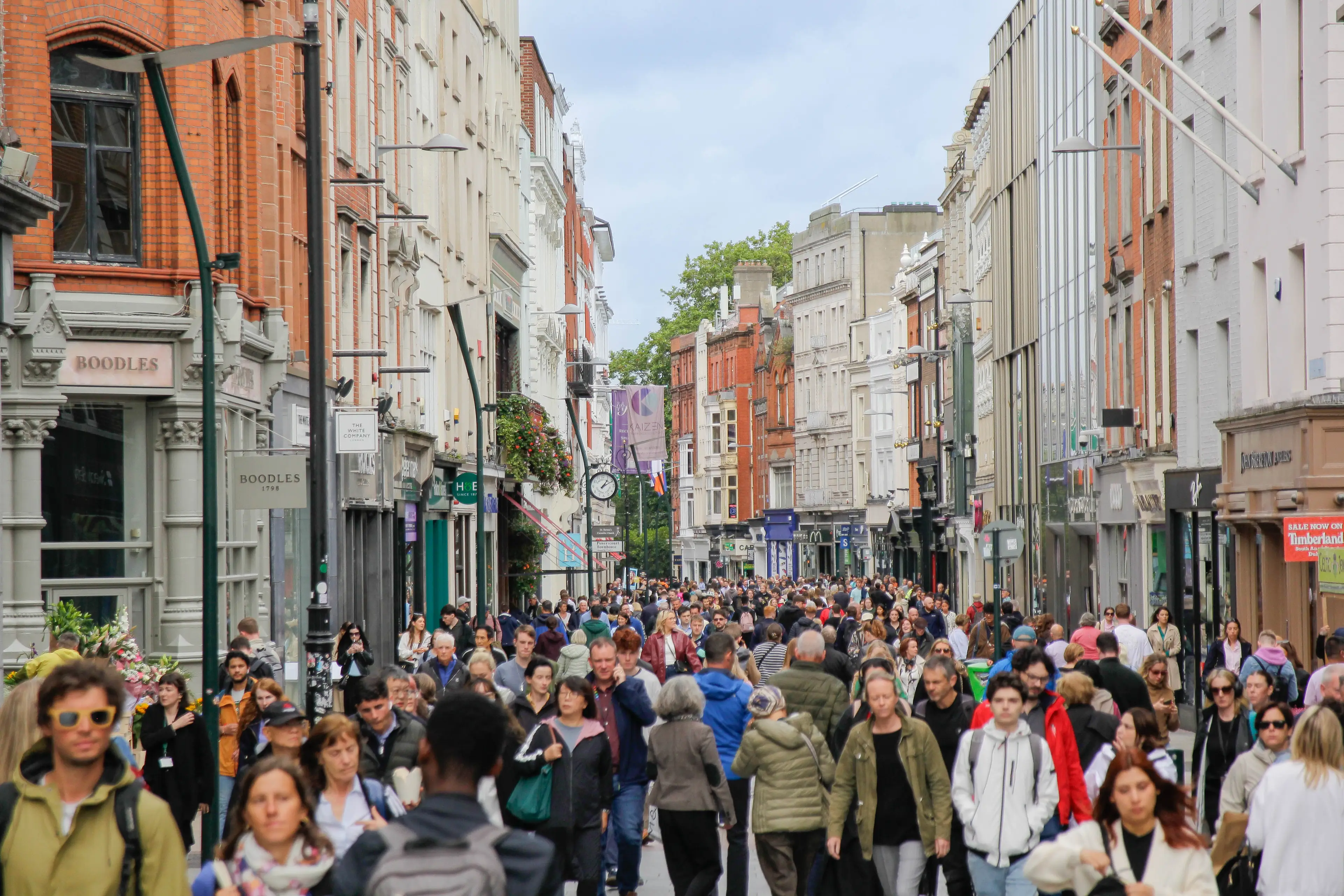
Others, however, have taken the view that we're doomed either way.
"With disregard, disdain and indifference increasing exponentially among the people, it's only a matter of time before the human race starts wiping itself out, one way or another - take the ongoing global conflicts, for instance," one user wrote on X.
"So it might not matter as much whether we are 8.3 billion or 20 billion."
Another agreed, asking: "What difference does it make? We will still fight for each other’s territory."
Topics: World News, News, Politics, Environment, Science
 Rhianna Benson