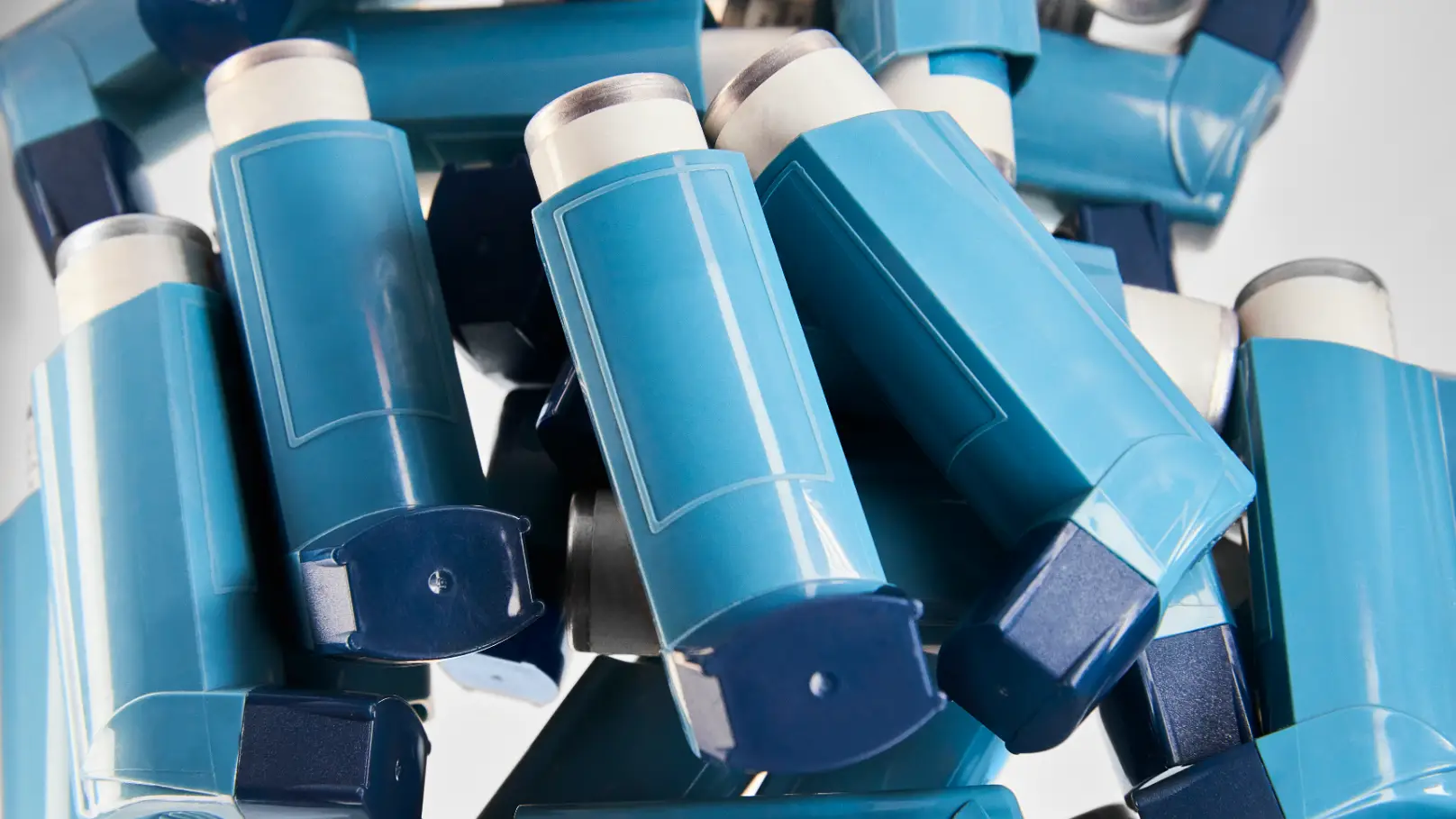
Urgent warning for asthma sufferers still using blue inhalers as experts issue 'landmark' guidelines

Anyone with asthma who uses blue inhalers has been told to immediately get in touch with their GP after doctors warned overuse has been linked to higher 'hospital admissions and death'.
The NHS explains that asthma is a common condition that affects your breathing. While it cannot currently be cured, if it's well-treated, you should not have problems with symptoms.
Sufferers are encouraged to use their asthma reliever inhaler if they have one in order to treat an asthma attack.
Asthma is very common in the UK, with 7.2 million Brits having the condition.
Advert
The blue inhaler had been recommended by health professionals, with the NHS writing: "If you have a blue reliever inhaler, take one puff every 30 to 60 seconds until you feel better, up to a maximum of 10 puffs. Shake the inhaler between each puff and use a spacer with the inhaler if you have one."
But the National Institute for Health and Care Excellence (NICE) changed its guidelines.
'Masks the problem without fixing it'
An official press release reads: "The landmark guideline recommended that patients move away from the traditional blue inhaler - known medically as a short-acting beta2 agonist or SABA - towards combination inhalers that don't just relieve symptoms but tackle the underlying inflammation that causes attacks in the first place."
NICE adds that 'the problem with the blue inhaler, doctors say, is that it masks the problem without fixing it'.
"Overuse is linked to a higher risk of attacks, hospital admissions and death," the release continued.
Lee Newton-Proctor, 41, was diagnosed with asthma when he was just three years old. Over the years, he had been admitted to hospital 18 times and was using up to 18 blue inhalers annually.
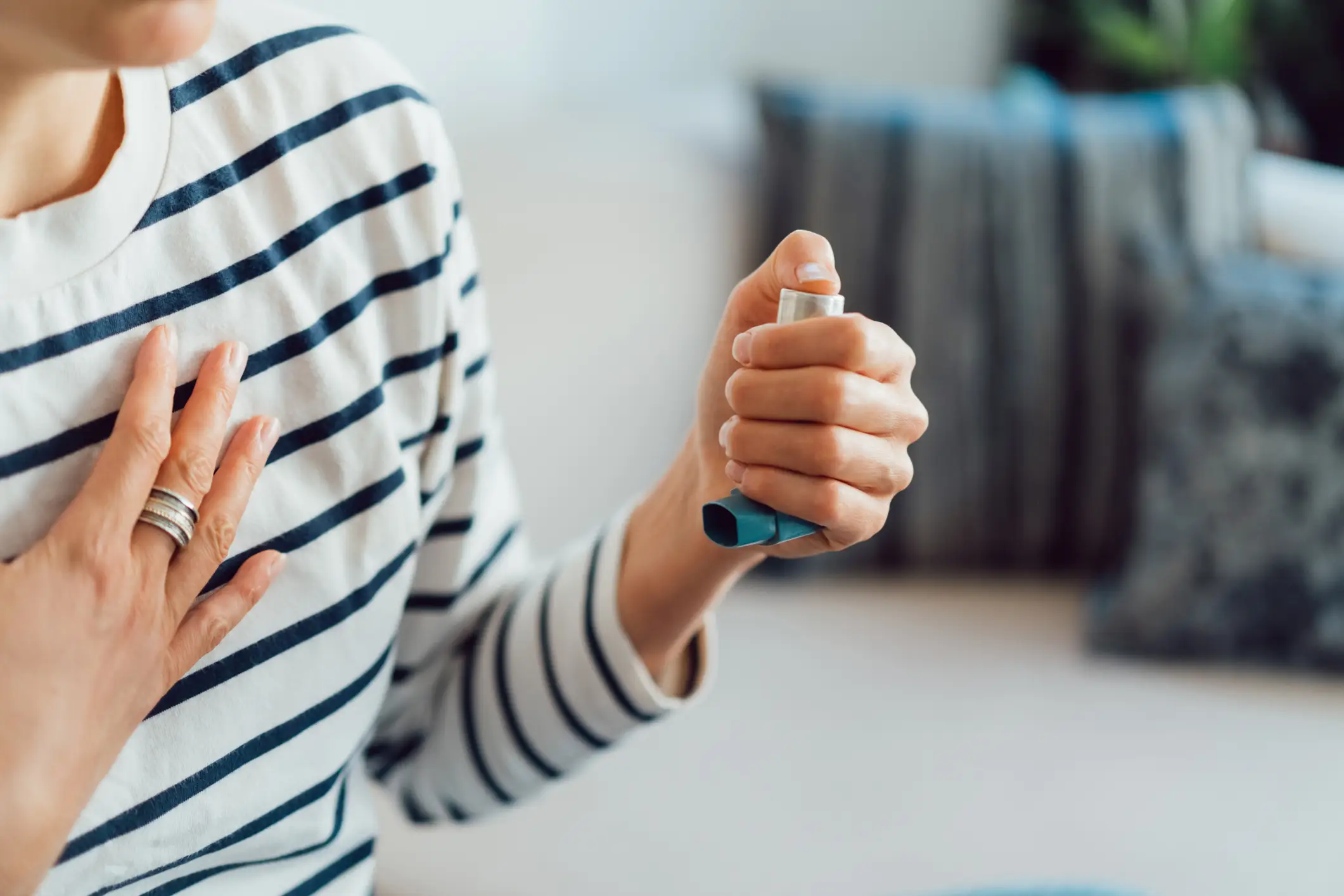
"I was dependent on it for day-to-day activities," he said. "It was my psychological safety net."
After following his doctor's recommendation and switching inhalers, Lee now exercises regularly and freely.
"My life has been transformed. I no longer feel asthmatic. I can do what I want, when I want," he admitted.
'Seeing a blue inhaler used alone is now a dangerous sign to me'
The issue, doctors say is that blue inhalers were only briefly relieving asthma sufferers symptoms.
Dr Amina Al-Yassin, a GP and clinical lead for children and young people's services at Brent Integrated Care Partnership, said: "We now know that over time, they are likely to make asthma worse. Seeing a blue inhaler used alone is now a dangerous sign to me."
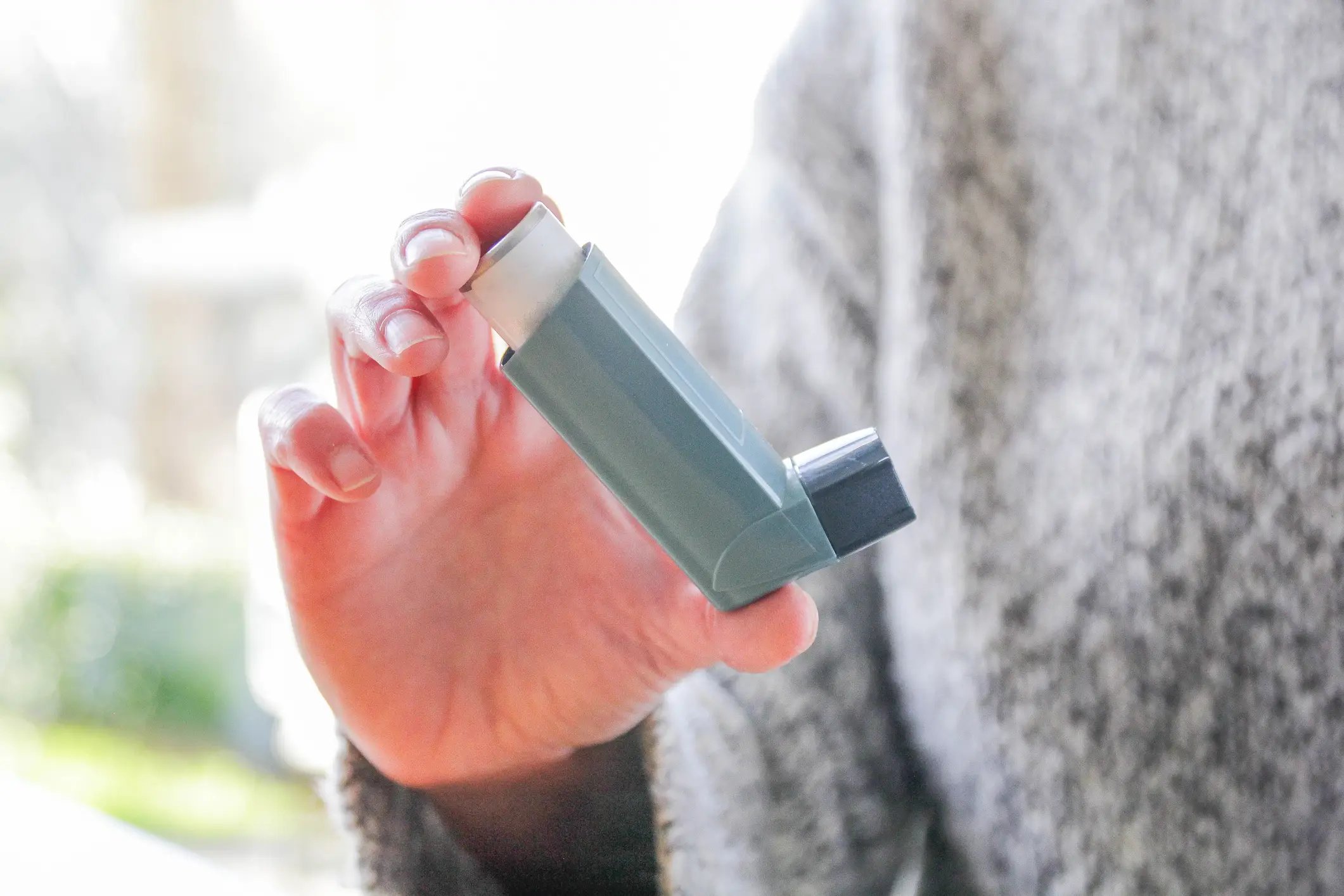
With good asthma control, a person should have few or no symptoms and rarely need to use their reliever inhaler.
Following the new guidelines, people aged 12 and over who are newly diagnosed or need step‑up treatment are expected to move to combination inhalers.
NICE outlines that these combine an inhaled steroid and a long-acting beta2 agonist (LABA) medicine called formoterol in a single device.
They treat the inflammation and prevent flare-ups while also providing immediate relief.
The new treatment plans are known as AIR (Anti-inflammatory Reliever), which uses the inhaler only as needed, and MART (Maintenance and Reliever Therapy), which uses the inhaler daily as well as when needed, for those with more frequent or severe symptoms.
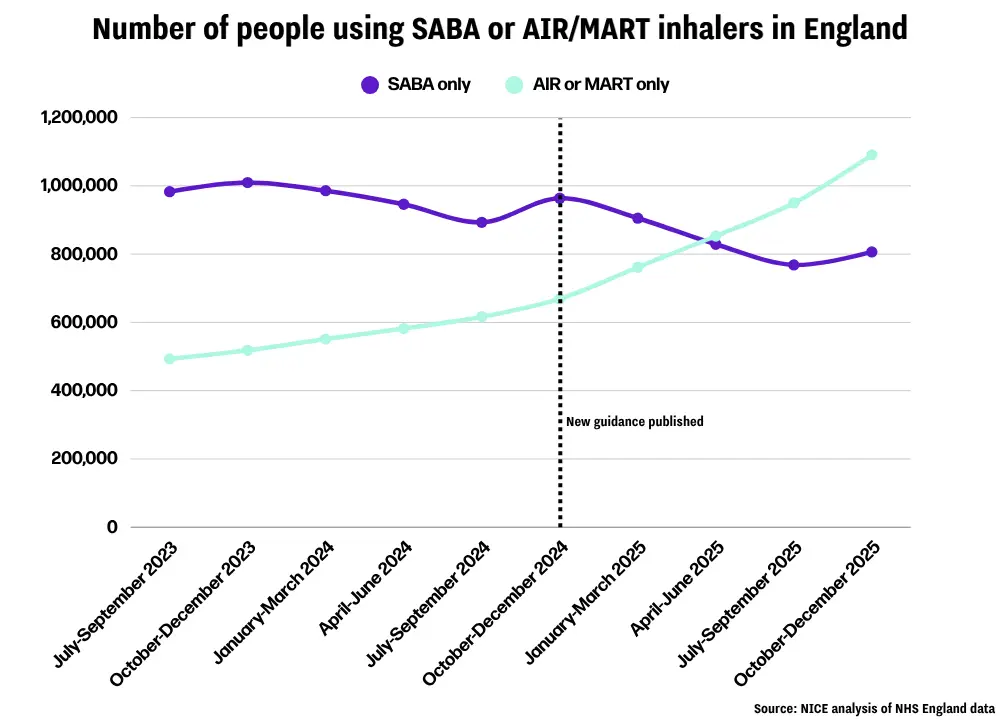
NICE explained: "The number of people using AIR or MART inhalers has been growing while SABA use has fallen. This shift was already under way before the guideline was published, but it has accelerated considerably since.
"For the first time, more people are now managing their asthma without the blue inhaler than those still relying on it alone."
Donna Peat, Respiratory Advanced Practitioner working in acute care at Lancashire Teaching Hospitals NHS Trust, explained to NICE: "The guideline has led to a significant shift in the management of asthma, focusing on prevention and that will help reduce the risk of attacks.
"AIR and MART inhalers are suitable for most people with asthma, not just those with poor control."
 Rhiannon Ingle