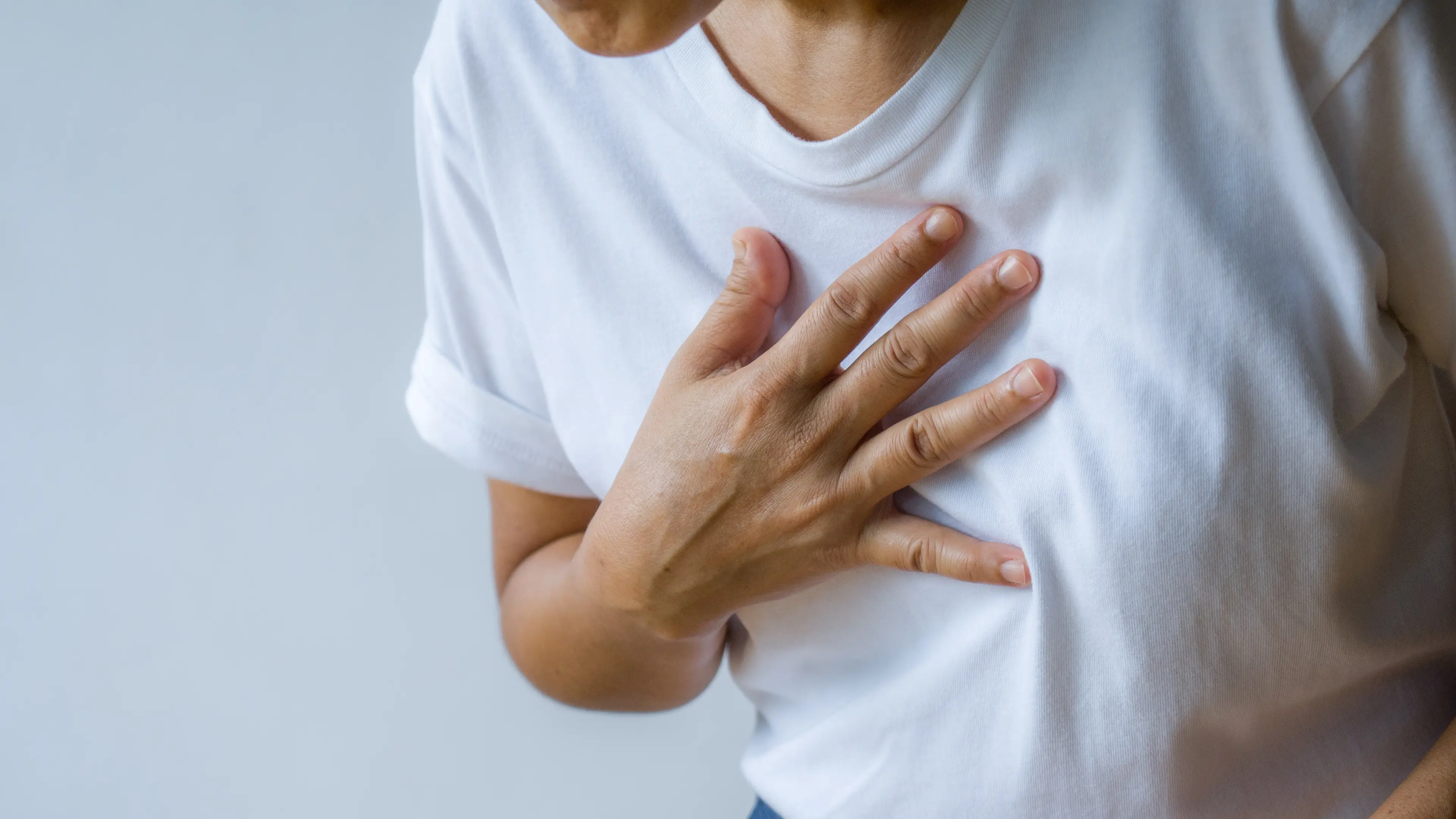
Cardiologist shares six things they would never do after 6pm

A cardiologist has revealed some of the things that they would never do after 6pm, in a bid to boost heart health and avoid cardiovascular disease.
There are a number of ways to improve heart health and reduce the chances of heart disease, including lowering cholesterol and blood pressure.
Eating a healthy diet, including plenty of fresh fruits and vegetables, avoiding too many saturated fats and being more physically active are all great starting points, meanwhile giving up smoking and cutting back on alcohol consumption can also significantly reduce the chance of heart disease.
Experts have also been speaking out about small changes that can be made, including cardiologist Dr Francesco Lo Monaco, founder of the National Heart Clinic on London’s Harley Street, who revealed the six things that should be avoided after 6pm.
Advert
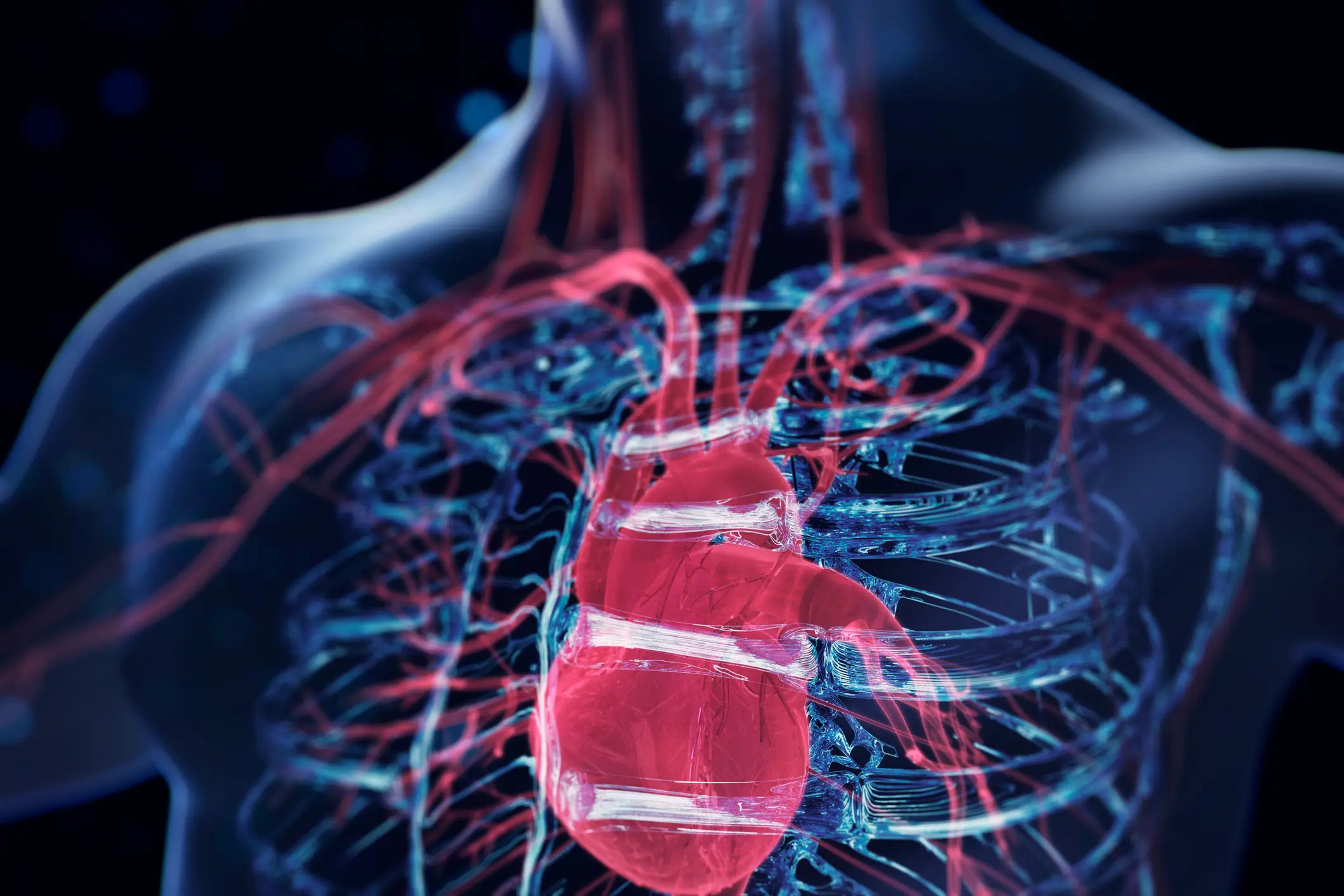
Avoid strong mouthwash
Dr Monaco explained its important to avoid using strong mouthwash, as this can actually have an impact on heart health.
He explained: “The bacteria in your mouth helps convert compounds from food into nitric oxide, which keeps your blood vessels flexible and able to relax when needed.
“However, some powerful mouthwashes can wipe out this bacteria, which can raise blood pressure, which is not what you want when your body should be resting and recovering from the day.”
No blue light
Most of us know not to be scrolling social media just before bed, and while it can impact sleep, it can also have an impact on your heart health, too.
Blue light suppresses melatonin, which Dr Monaco explains is a protective antioxidant for the blood vessels within the body.
“Bright blue-rich light in the evening, especially through the eyes, can suppress melatonin, which isn’t just for sleep, it’s actually one of the most protective antioxidants for your blood vessels," he explained.
“So less melatonin means more oxidative stress in your arteries over time.”
Avoid intense static exercise
Dr Monaco warns against some specific exercises before bed, explaining that they can actually elevate blood pressure within the body for a number of hours.
These include: planks, wall sits and dead hangs.
Instead, opt for lighter exercise and low-intensity movement.
“If you’ve already had a stressful day, your nervous system is in overdrive, and heavy late-night strain keeps it there,” said Dr Monaco.
“Train hardest early in the day and keep any late-evening exercise sessions lighter to help your heart.”
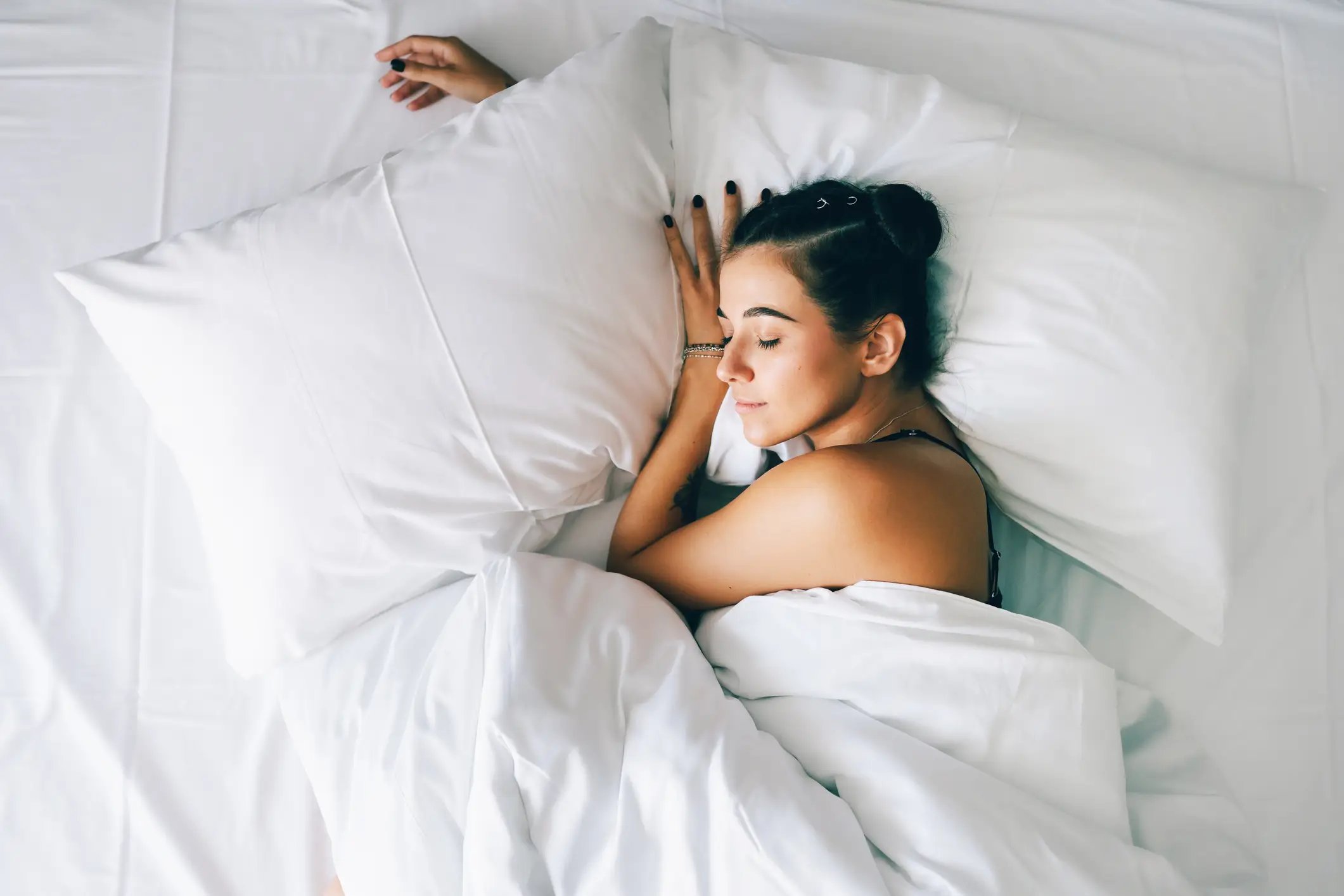 It's best to avoid blue light and certain supplements before sleep (Getty Stock Photo)
Ditch the calming supplements
If your bedtime routine includes opting for a green tea to help you nod off, you might want to think again. In fact, it's best to avoid any kind of supplement or drink that includes the amino acid, L-theanine.
“Something such as L-theanine, found in green tea, influences your stress response and nervous system, and your heart rhythm is directly connected to that," said Dr Monaco.
“With the wrong dose, timing, or context, supplements can interact with sleep in ways we don’t always predict, which can unbalance your natural heart rhythm.”
Avoid breath holding for too long
While Dr Monaco isn't against breathwork to help with relaxation, he warns not to hold the breath for too long, as this can place stress on the heart.
“I value breathwork, but long or repeated breath-holding can drop oxygen levels and put extra load on the heart in some people," he explained.
“During REM sleep your blood is slightly more prone to clotting. If someone already has underlying vascular or sleep issues, stacking extra stressors on top of that isn’t wise.”
Fast for three hours
Dr Monaco explains that fasting before sleep can help to reduce stress on the heart, lower blood pressure and improve sleep quality.
“If you eat too close to when you sleep, your body is being forced to increase sympathetic activity when it should be resting,” he said. “By simply fasting three hours before bed you will reduce endothelial stress and improve vascular flexibility, meaning less oxygen demand on your heart and more efficient overnight recovery during sleep.”
Topics: Health, News, Sleep, Food and Drink
 Lucy Devine