Five groups of people who are most likely to be conscripted in WW3

With World War III fears higher than ever, Brits have been wondering exactly what a global conflict would look like in 2026.
Now, before you panic, there isn’t currently any official prediction that WW3 is imminent; however, the military and government say the risk of conflict is growing.
In June 2025, the Government warned that the UK must ‘actively prepare for the possibility of coming under direct threat, potentially in a wartime scenario’.
Also last year, a YouGov survey conducted in Britain, France, Germany, Italy and Spain revealed that between 41 per cent and 55 per cent of people in each country think that another World War is likely to occur within the next 5-10 years.
Advert
And the country’s current push on stockpiling and ‘black sky event’ warnings probably isn’t helping anything either - not to mention the Doomsday Clock moving to 85 seconds to midnight earlier this year.
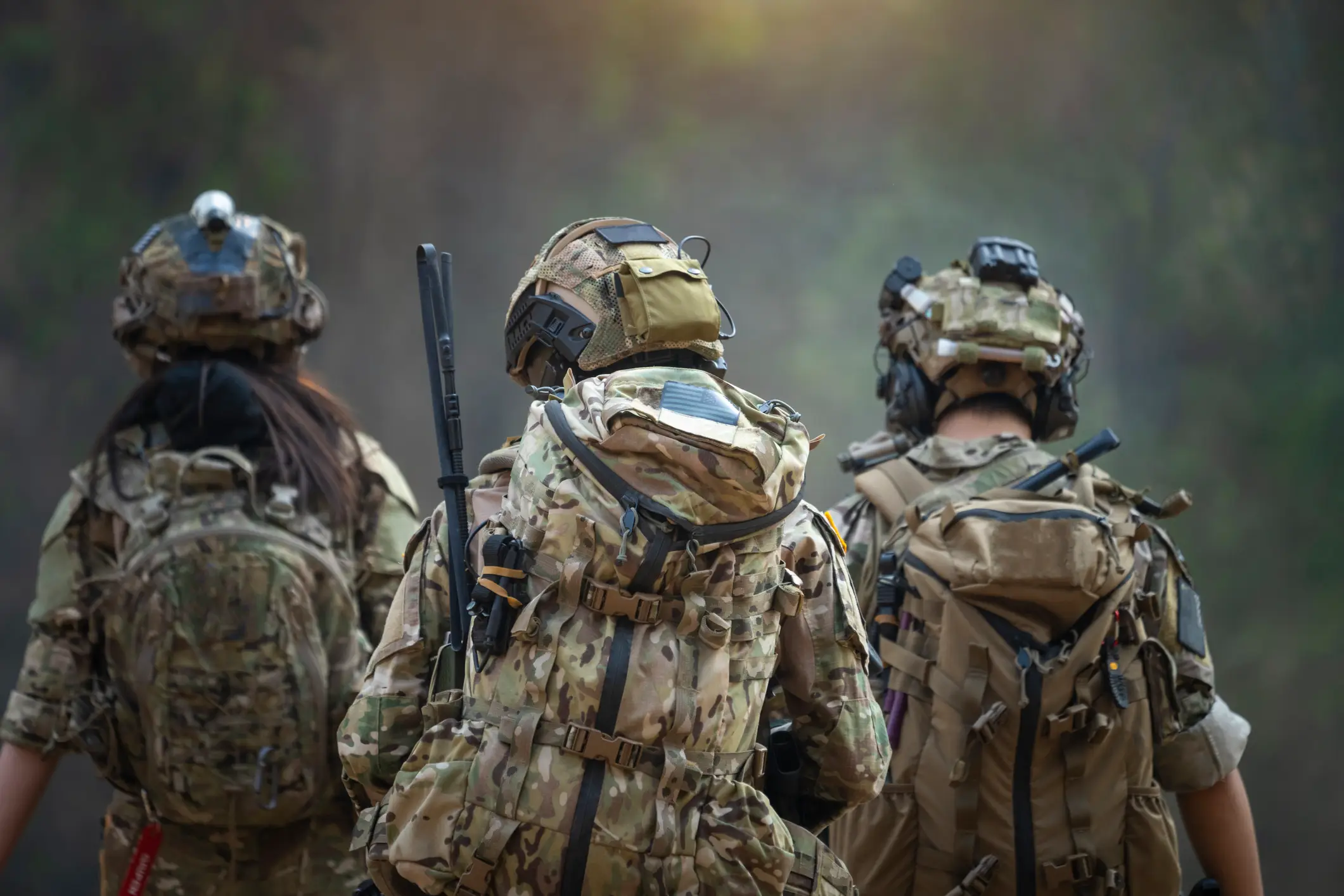
Former MP and ex-British Army officer Dr Mike Martin has warned that conscription would be needed in the case of a Third World War.
He explained to the Big Issue last year: “Would we need to conscript? Yeah, we would. Because ultimately, we’re not at a stage yet where you can replace people with drones.
“We’re a long way off from that. Drones are fine, as far as they go, but you still need people to occupy villages, hold ground, and all the rest of it. And that’s not going to change for quite some time.”
So, in a potential conscription scenario, who would be on the front lines?
According to The London Economic, there are five groups who could be called up in a potential scenario, under different circumstances
Young men
It’s not hard to guess that first of all, young and fit men would be the most likely to get drafted in to serve.
The publication reports that those aged 18 to 25 would be first up, as when we look back to 1939, those aged 21 and 22 were conscripted before the war had even started, before men aged 18 to 41 were later included.
Single people without kids
According to the London Economic, the next group on the list would be single people who don’t have children.
This reflects what happened during WW2, when people who weren’t parents were drafted first, to avoid it affecting families.
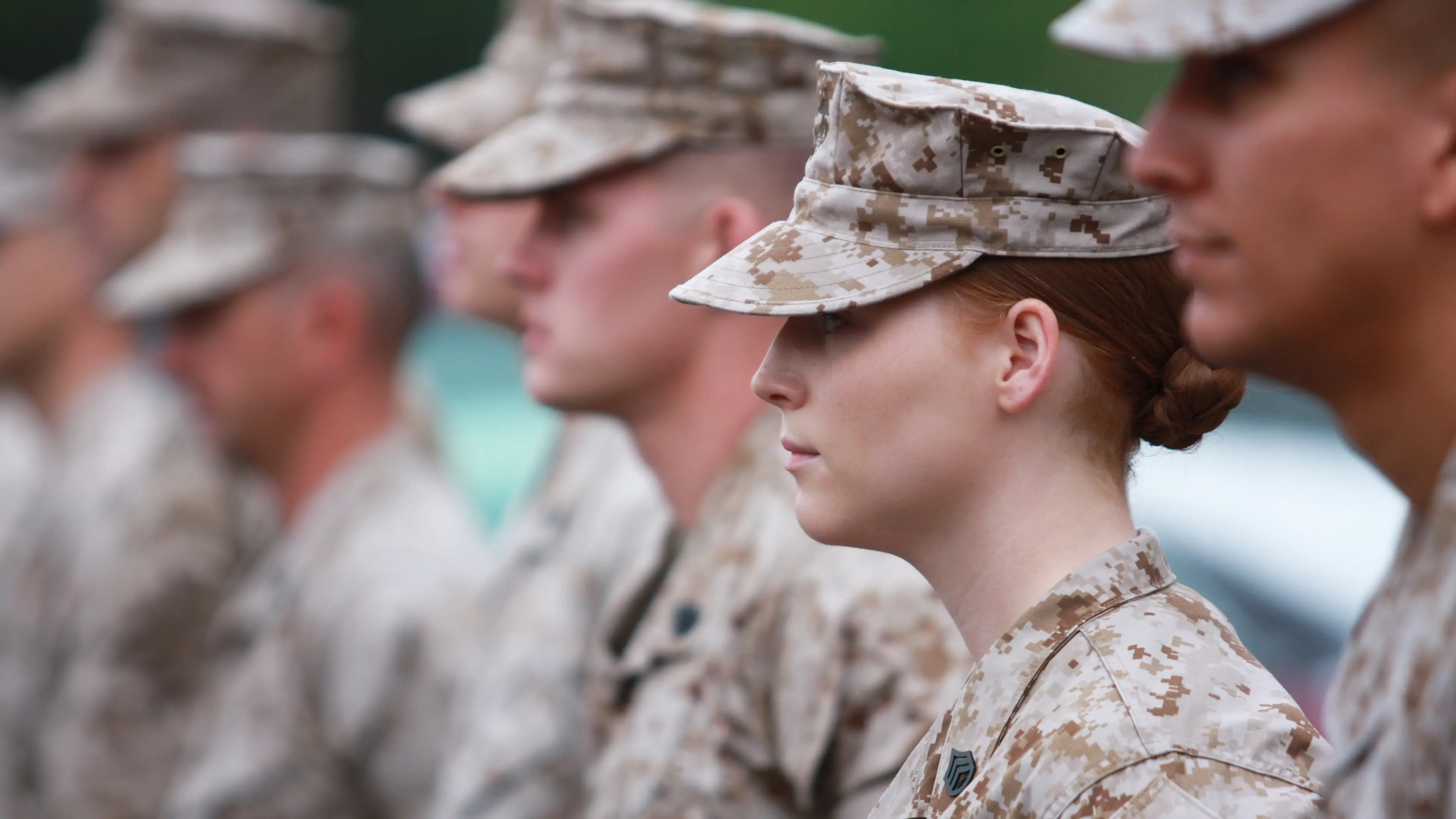
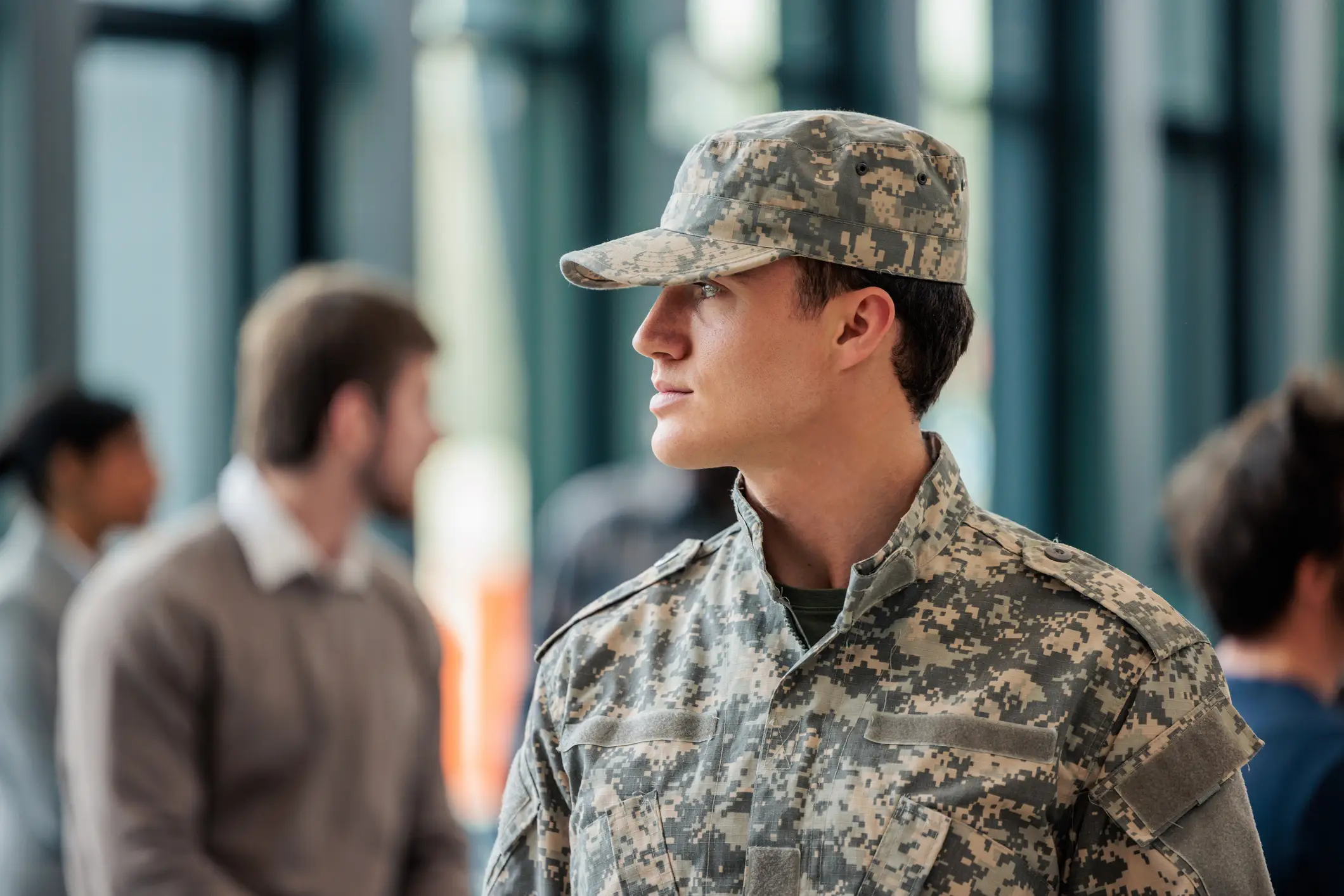 If we're going off of history, young men would be the first group to be drafted (Getty Stock Image)
Women
Third on the list are women, and although we have never been previously drafted for actual combat, during WW2 women took on a variety of roles ranging from nursing, mechanics, and engineers, to munitions workers and air raid wardens.
In December 1941, Parliament passed a second National Service Act, making unmarried women and childless widows aged between 20 and 30 liable for call-up.
It’s currently unknown what role gender would play in conscription in 2026 - who knows, maybe women would be doing some of the fighting this time around.
A YouGov survey carried out in 2025 found that 72 per cent of Brits support women on the front lines.
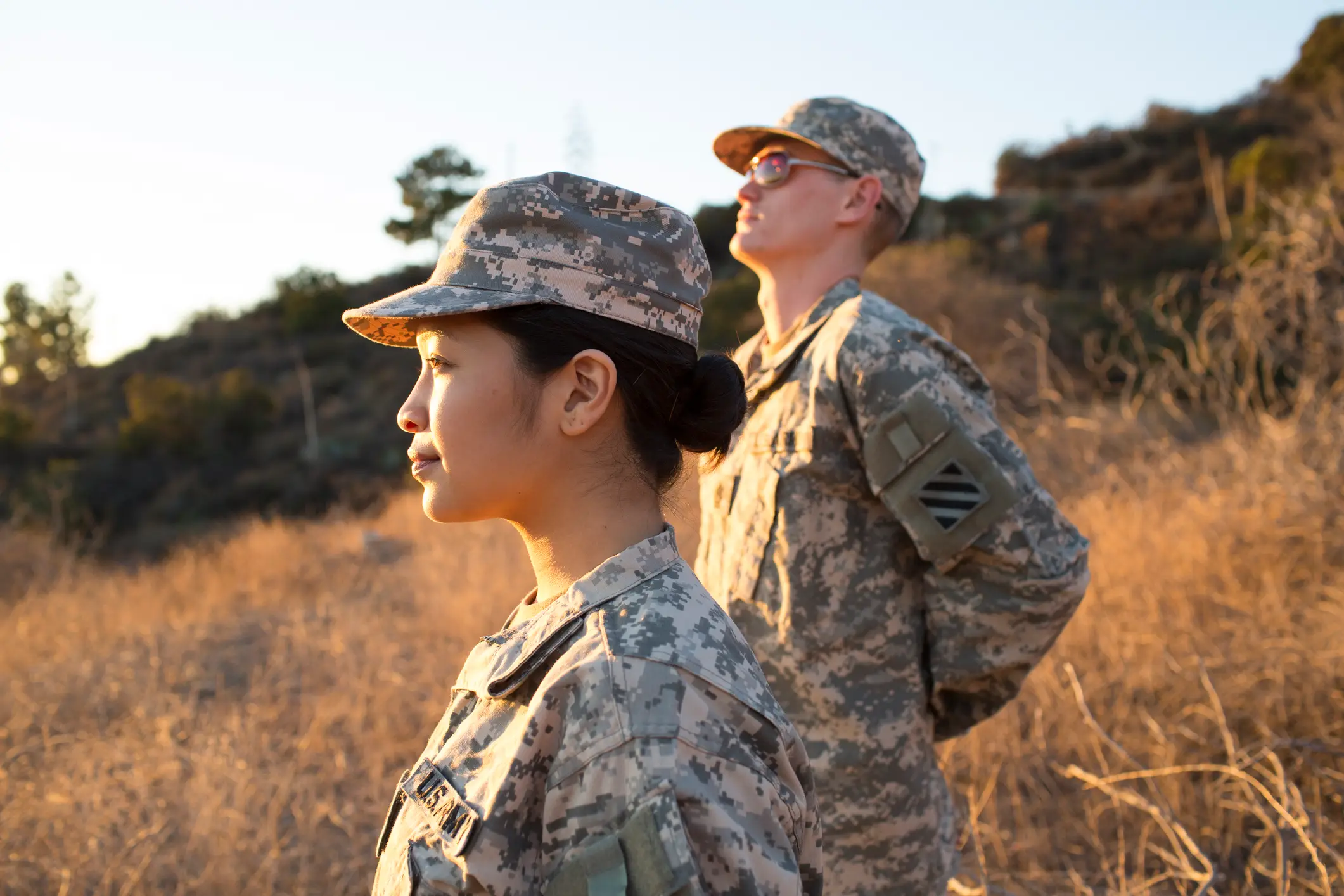
Former soldiers and reservists
The outlet reports that former soldiers and reservists are also quite likely to be drafted, for the simple reason being that they already know what they’re doing.
Because they already have the military training and experience, they can be deployed or put to work much faster than new recruits.
Older people
Finally, although this is unlikely, if the war went on for a long time, older people could even have a part to play.
In 1941, people aged 52 to 60 were legally required to take on non-combatant National Service roles, primarily in civil defence and home front roles.
Topics: UK News, World News, Politics
 Madison Burgess