'Black sky event' explained as Brits issued an alarming warning

UK residents have been warned to prepare for a potential emergency that could leave households without electricity, running water, internet or even a way to pay for their shopping.
The scenario, referred to by scientists as a 'Black Sky event', has prompted fresh attention after details emerged of Britain's contingency plans for a prolonged and widespread power outage.
While it might sound like something out of an end-of-the-world blockbuster movie - probably starring Tom Cruise - the term is technically used to describe a catastrophic failure of critical infrastructure, particularly the national electricity grid, which could have a knock-on effect on other essential services.
And while there is currently no specific threat of a nationwide blackout, authorities are making preparations in case such an emergency were ever to happen.
Advert
Before we get into these possibilities, however, it's probably best to recap exactly what a Black Sky event consists of.
As we say, it refers to a prolonged, widespread power outage severe enough to disrupt other essential services people rely on every day.
According to Open Magazine, this obscure experience could unfold following extreme weather, flooding, damage to electricity infrastructure, technical failures or a deliberate cyberattack.
There's also the fact that consequences could extend far beyond simply switching off the lights.
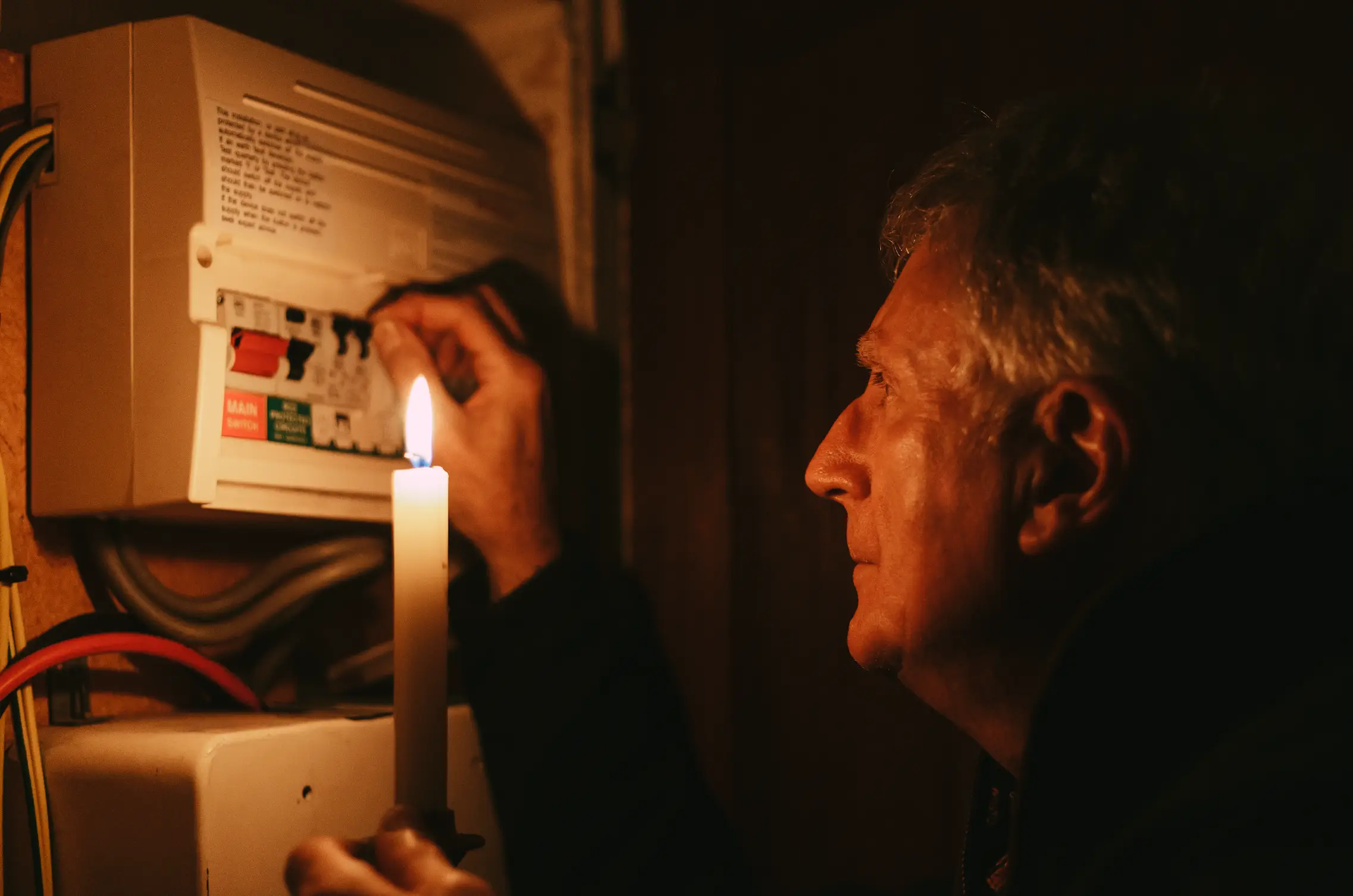
Without electricity, water pumping stations could stop working, mobile phone networks and internet services could become unavailable, and cash machines and card payment terminals could stop functioning.
Petrol stations, shops and public transport could also experience significant disruption.
An example of how quickly things can escalate was seen in Lancaster in December 2015, when flooding knocked out a substation and left around 61,000 properties without electricity.
The incident affected card payments, cash machines, petrol stations, heating and hot water in some care homes, as well as mobile and internet connections.
One of the biggest parts of the UK's contingency planning involves the BBC, which has reportedly developed an emergency broadcasting system to keep the public informed if a major blackout occurs.
According to reports, around 100 staff members would be involved in operating a specially prepared emergency radio studio, which would be capable of functioning independently of the internet for at least 72 hours.
The facility would have its own supplies of food, drinking water and fuel, alongside secure communication systems.
Emergency government announcements would then be broadcast using FM radio transmitters supported by backup diesel generators.
This would allow people to receive important information even if their usual communication methods stopped working.
The broadcasts could include advice on accessing drinking water, maintaining hygiene and managing without functioning sewage systems.
Satellite phones would also be available to help BBC staff communicate with regional emergency centres.
Interestingly, Open Magazine also reports that the National Energy System Operator (NESO) is working towards having the capability to restore 60 per cent of electricity demand in each region within 24 hours, and 100 per cent across Great Britain within five days.
These are restoration capability targets, rather than a guarantee that every household would have its electricity restored within that timeframe.
In terms of how us average Brits can prepare for a Black Sky event, the Government's Be Ready campaign, launched on 22 October, encourages households to keep at least three days' worth of essential supplies at home.
Telecommunications expert Andrew White previously explained the potential severity of a Black Sky event, telling LADbible: "A 'black sky event' is typically characterised as a catastrophic, long-duration failure of critical national infrastructure, especially the electric grid, lasting weeks or months, triggered by extreme natural hazards or deliberate attacks."
He also warned that getting everything back up and running could be a complicated process.
"For example restarting a 'dark' electricity grid isn’t as simple as just 'turning it back on'," he continued. "Once the grid is restarted, all of the other services need to be 'restarted'."
Households are therefore being encouraged to gradually build up their emergency supplies rather than panic buy.
Recommended essentials include bottled water, non-perishable food, a battery-powered or wind-up torch, a charged power bank, spare batteries and essential medication.
A battery-powered or wind-up FM radio is also particularly important, as it could allow people to hear emergency broadcasts without relying on mobile data or internet access.
Other suggested items include first aid supplies, blankets, warm clothing, cash, baby formula and pet food where needed.
For drinking water alone, the recommendation is three litres per person per day, meaning one person would need nine litres for three days.
However, it's important to stress that the Government has not announced an imminent nationwide blackout.
The preparations are intended to make sure people and essential services are better equipped to cope with a range of emergencies, should they ever occur.
Topics: UK News, News, Science, Technology
 Rhianna Benson