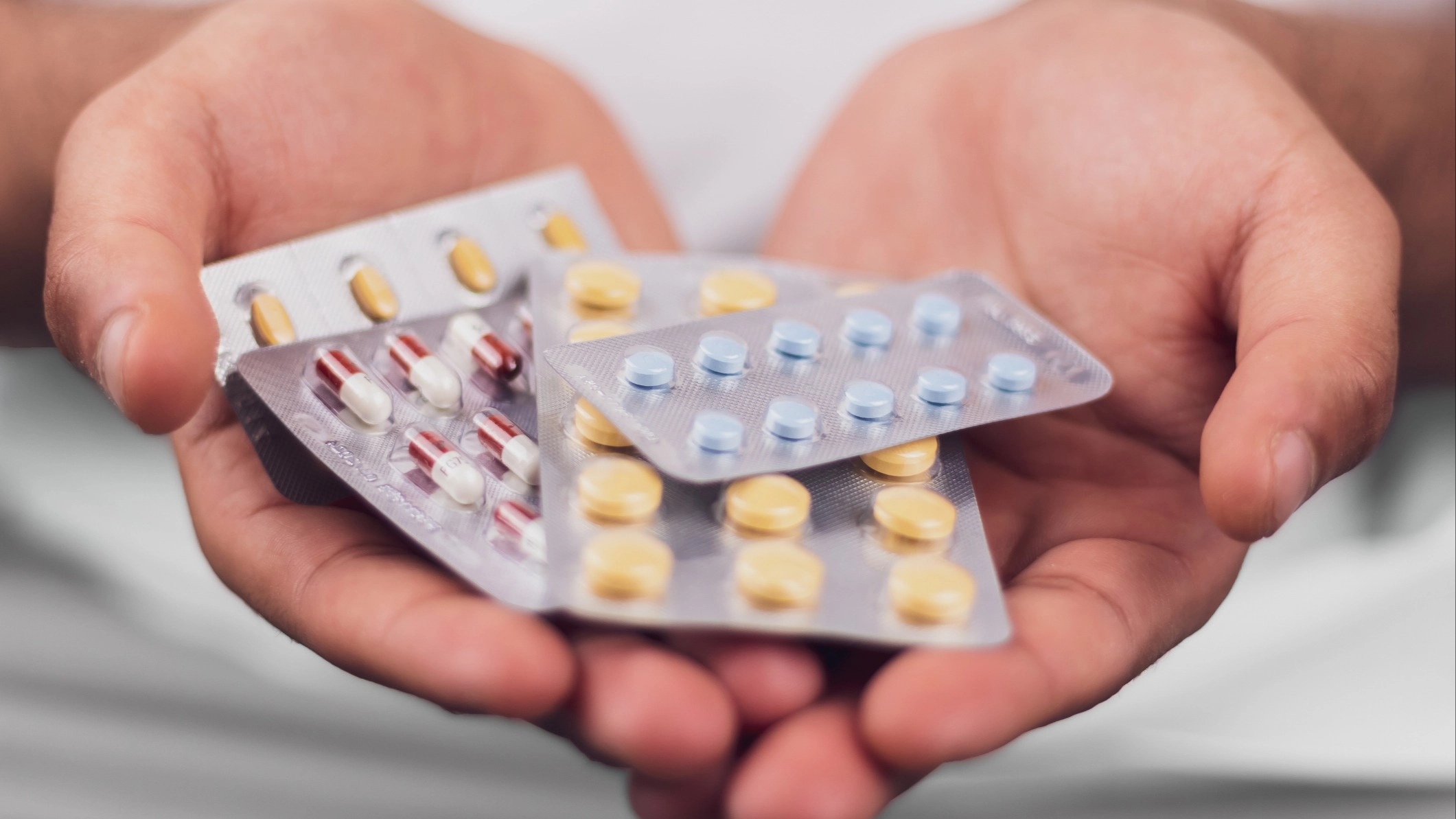
Expert explains why you shouldn’t stockpile medication and what to do if you can’t go without it

A doctor has issued a warning over stockpiling medication as fears are growing surrounding a potential Third World War, cyberattacks, and black sky events.
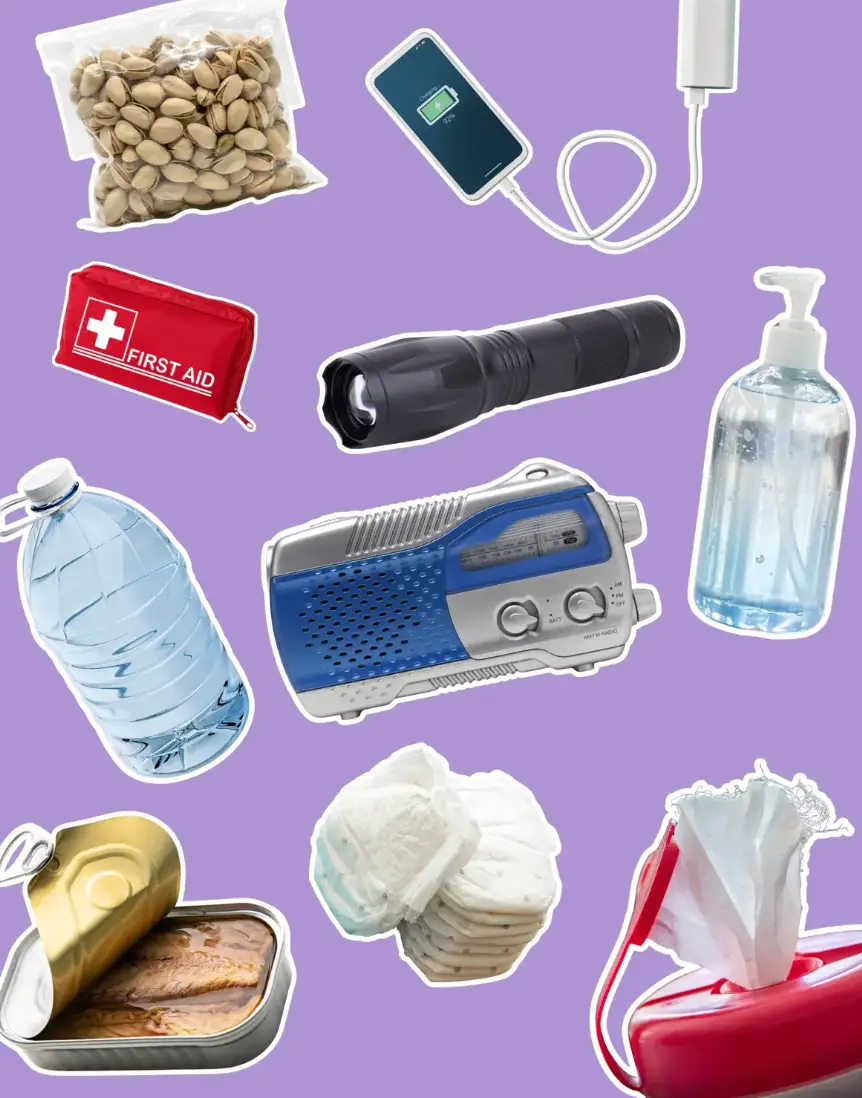
The UK Government’s ‘Be Ready’ campaign has been urging everyone to make sure they have the essential supplies to last three days in case of service disruption during emergencies such as severe weather, power cuts, flooding, wildfires, or cyber incidents.
A checklist released last month lists things like non-perishable food, bottled water, hand sanitizer, and an FM radio.
However, while you can of course stockpile some food and hygiene supplies, the advice on medicine is slightly different.
Advert
When it comes to essential medication and medical supplies, the government urges that you should ‘always leave enough time to request repeat prescriptions so you have less chance of running out in an emergency’.
The website adds: “It’s important to request prescriptions up to five working days before you need your medicine.”

Tyla spoke with Dr. Sarah Bonza, owner of Bonza Health, who has shared why stockpiling medication for emergencies isn’t as great an idea as it might initially seem.
One of the biggest issues is expiration dates, as Dr Bonza told Tyla: “Although some tablets may retain their potency beyond their expiration date, there is no reliable way for patients to determine this at home.
“ This is particularly concerning for lifesaving medications such as insulin, nitroglycerin, seizure medications, and adrenaline auto-injectors, where reduced effectiveness could have serious consequences.”
She warned: “Liquid medications, injectable drugs, and biologics can be particularly vulnerable to degradation. I would not recommend relying on expired medications as part of an emergency preparedness plan.”
There are also risks associated with storing medicine correctly, such as those that require refrigeration, like insulin.
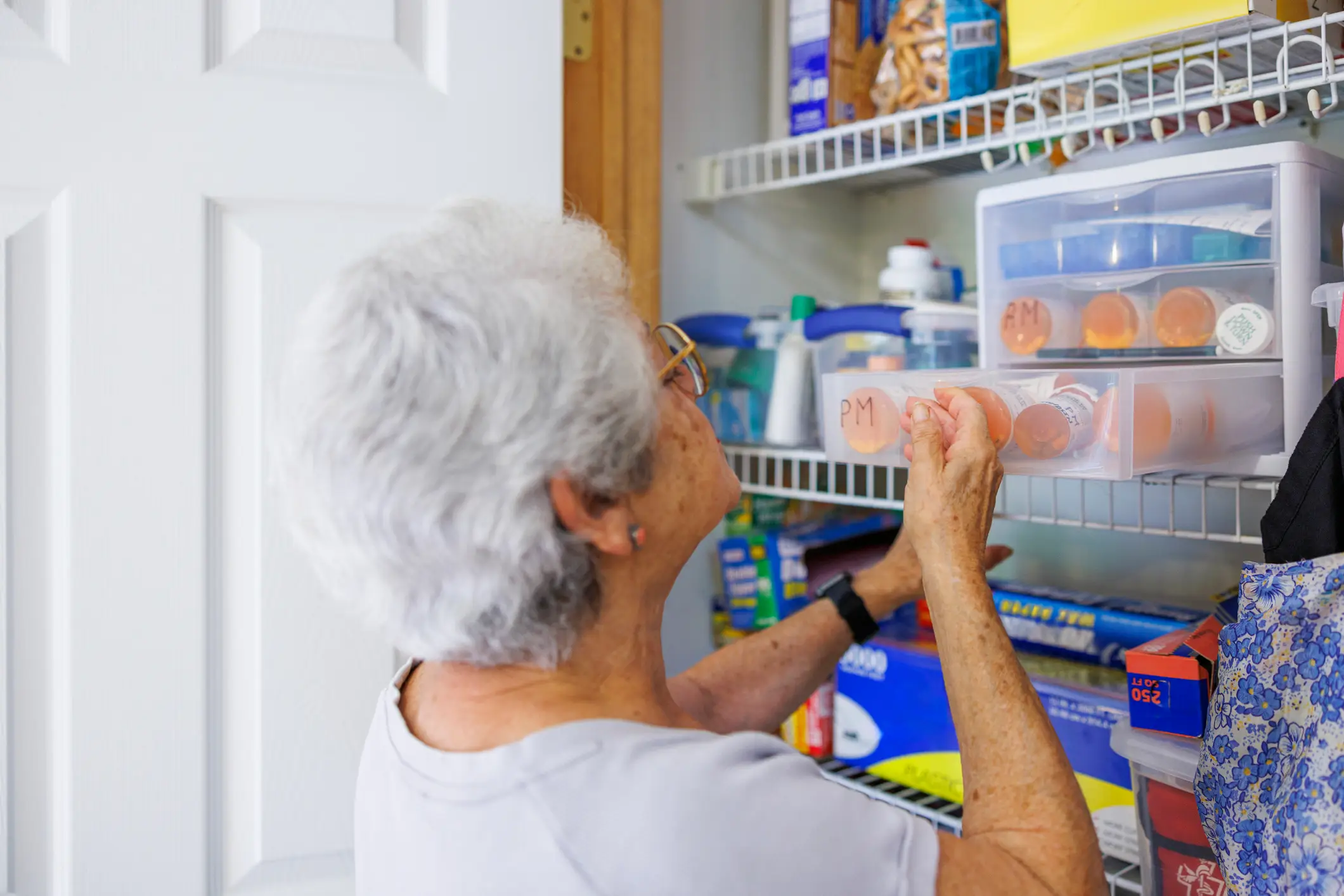
Dr Bonza explained: “Heat, humidity, light, and freezing temperatures can compromise medications, sometimes without any visible changes.
“Unopened insulin should generally be refrigerated between 2°C and 8°C, although many insulin products can be stored at room temperature for approximately 28 days or longer, depending on the formulation.”
She added: “Improperly stored insulin may lose potency, resulting in dangerously elevated blood sugar and potentially diabetic ketoacidosis.
"People who depend on refrigerated medications should have a backup cooling plan in case of a power outage, including an insulated cooler and thermometer, while ensuring the medication does not freeze.
“Even everyday tablets should be stored in a cool, dry place rather than in a humid bathroom.”

The doctor outlined that while she ‘supports reasonable medication preparedness, there is an important distinction between maintaining an emergency supply and hoarding’.
She told Tyla: “Where medically appropriate, a 90-day prescription can provide an additional degree of security, particularly for patients managing chronic conditions.
“Patients should rotate their medications, using those with the earliest expiration dates first, retain the original labeled packaging, and keep a printed list of their prescriptions and dosages. Medications should also be stored securely to prevent accidental poisoning or misuse.”
The expert cautioned: “Excessive stockpiling can create unnecessary shortages for other patients, increase medication waste, and leave households with large quantities of potentially expired medications.”
If you do find yourself in an emergency situation where you’re struggling to access your medication, Dr Bonza says you should try to contact your pharmacist or prescribing physician before your medication runs out.
She advised: “Pharmacists may be able to arrange an emergency refill, locate another pharmacy with available stock, or coordinate an appropriate alternative with your prescriber.
“Never independently reduce your dosage, abruptly discontinue essential medications, borrow someone else’s prescription, or purchase medications from an unverified online source.”
She concluded: “During declared disasters, emergency prescription assistance programs and temporary insurance accommodations may also become available. Patients who depend on lifesaving medications should seek urgent medical assistance if they cannot obtain their next necessary dose.
“The best time to develop a medication contingency plan is before an emergency occurs. Preparedness should reduce your vulnerability without contributing to the vulnerability of others.”
Topics: Life, Real Life, World News, Health
 Madison Burgess