Flu cases are rising earlier than usual this year as doctor shares what women and families need to know

Flu cases are surging across the UK earlier than expected this winter, with hospital admissions rising sharply and health officials warning that the NHS could face a challenging few months.
The UK Health Security Agency (UKHSA) has reported an almost 80% increase in flu hospital admissions in England in just one week, reaching the highest level for this time of year since before the Covid pandemic.
With cases particularly high among schoolchildren and more older people being admitted to hospital, families are being urged to take precautions.
But should we be worried about this year's outbreak, and are women and children more vulnerable to the strain currently circulating?
Advert
Speaking exclusively to Tyla, Ed Hutchinson, Professor of Molecular and Cellular Virology at the Medical Research Council-University of Glasgow Centre for Virus Research, explained what we need to know.
Why are flu cases rising so early?
Professor Hutchinson explained that while flu cases typically rise quickly during winter, this year's season has started particularly early.
"Flu is a winter illness and once the flu season starts, cases always shoot up rapidly," he began. "Flu infections can be unpleasant but most are not serious. However, there will always be some cases that become serious.
"Certain groups are particularly at risk, including older adults, pregnant people, people with underlying conditions and very young children. But even in previously healthy people without risk factors, influenza has the potential to cause severe disease. Because flu is so common, the minority of serious cases quickly add up and put massive pressure on the NHS each winter."
Hutchinson added that although last year's flu season also started early, cases peaked sooner than expected. Whether the same will happen again remains uncertain.
"This year the flu season started early," the medic explained. "Cases are particularly high in school-age children and hospitalisations are rising rapidly, particularly for older adults.
"We saw an early start to the flu season last year too, but fortunately cases peaked early last year so overall the season wasn’t too bad. This year the flu season has started even earlier, and the trajectory is unclear. Will cases start coming down again early like last year, or will they keep on rising throughout the winter? We don’t yet know."
Is this year's flu strain more dangerous?
This year's outbreak is being driven largely by the H1N1 strain, which has changed more than expected.
Professor Hutchinson explained that seasonal flu viruses naturally evolve, meaning vaccines need to be regularly updated.
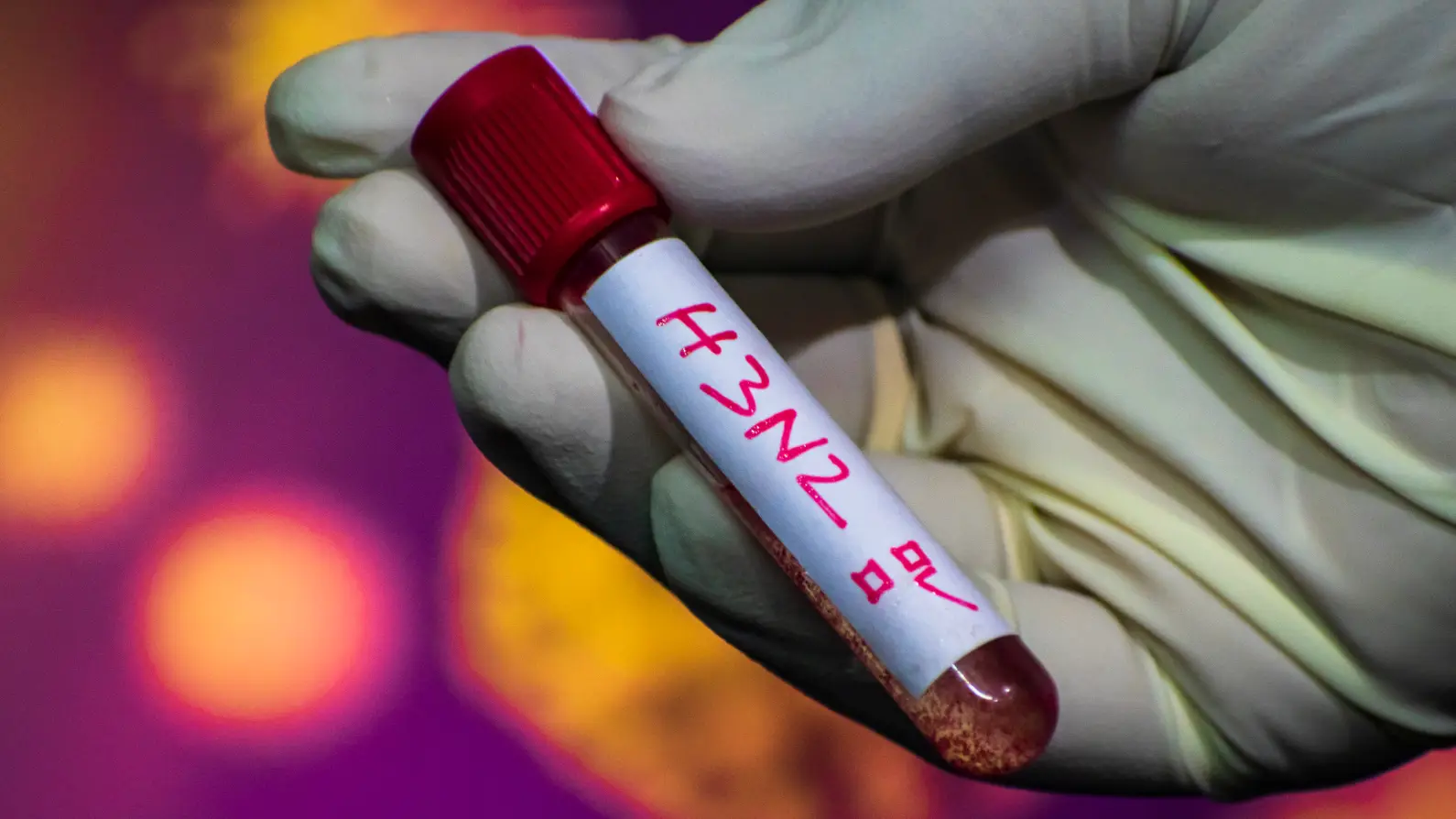
"There are three strains of seasonal influenza virus: two influenza A viruses (H1N1 and H3N2) and an influenza B virus. All change over time, causing vaccines to become less effective unless they are updated," he went on.
"Last year the H3N2 strain of flu changed faster than expected, and the season was dominated by H3N2 cases. This year H1N1 is the one that has changed more than expected and this is currently causing more infections than the other strains.
"As for whether it is the same H1N1 strain as in the USA, yes, as far as I am aware. This is typical, as strains spread rapidly across temperate climates during the winter season."
Are women and children more at risk?
With children playing a significant role in spreading flu, parents may be concerned about how the virus could affect their families.
Professor Hutchinson stressed that there is no evidence this year's strain behaves differently from previous ones when it comes to who becomes ill.
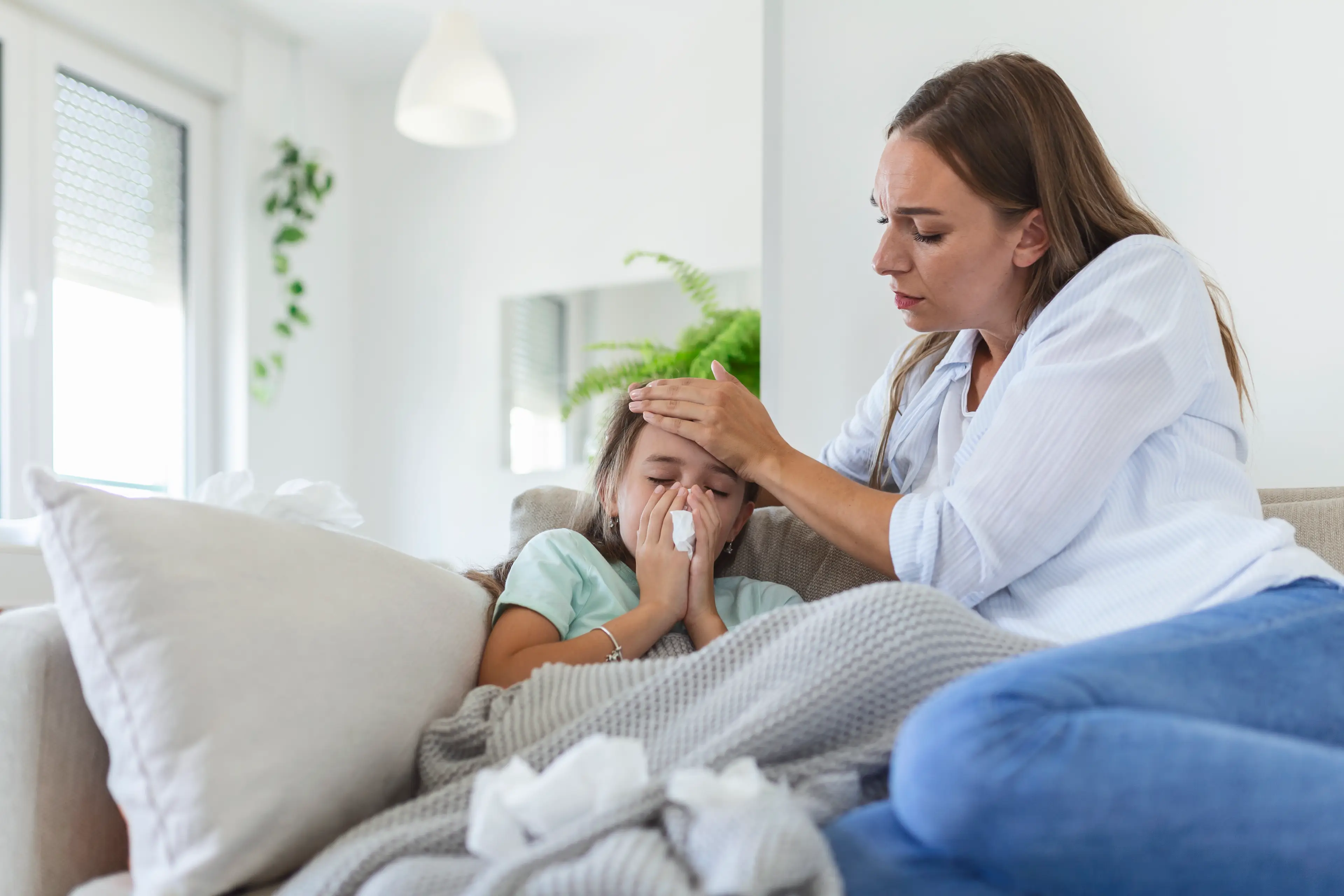
"There is no evidence that this strain is behaving differently from other influenza strains in terms of who gets ill or how severely ill they become," he continued. "Influenza is always spread effectively by school children and is particularly likely to cause severe disease in very young children and pregnant women (as well as other groups, e.g. older adults)."
Should we be worried about hospital admissions?
Despite the sharp rise in admissions, Professor Hutchinson says the current figures are within the normal range for flu seasons.
"At the moment hospitalisations are within a normal range for influenza seasons," he added. "This is increasing pressure on an NHS that is already under significant strain, but it isn’t a crisis yet.
"The difference is that this year’s flu season has started early. If it also ends early (as last year) this might be manageable, but if cases keep on climbing until the time when they normally peak, this could be a very challenging winter."
How can families protect themselves?
Professor Hutchinson says vaccination remains the best way to reduce the risk of serious illness.
"Our best protection against flu is vaccination, which takes about two weeks to become effective. It offers some protection against infection but its most important effects are to reduce the risk of severe illness, and to reduce the risk of passing the virus on to other vulnerable people (which you can do even if you’re not feeling unwell yourself)."
He also encouraged people to consider wearing masks and practising good hygiene, particularly around vulnerable relatives.
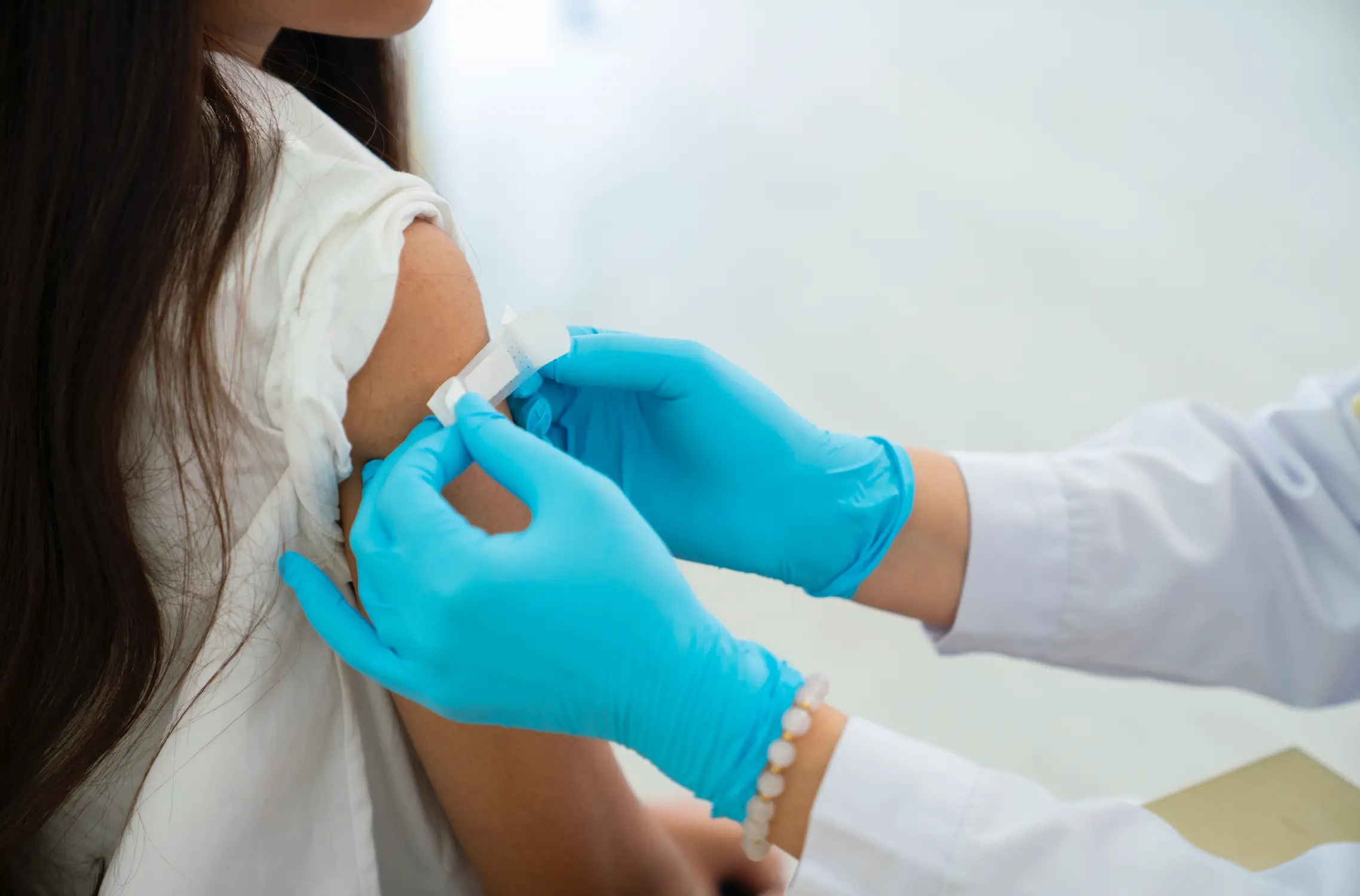
"If you are concerned for yourself or vulnerable people around you, there are other things you can also do to help prevent the spread of flu," he explained. "We know that the measures we used during COVID, including masking, hand-washing, social distancing and good ventilation, can be really effective against influenza viruses as well."
Children, pregnant women and older adults are among those eligible for free NHS flu vaccinations, although uptake has remained lower than hoped.
Professor Hutchinson added: "In the UK, toddlers, school children and people particularly at risk of disease (such as older adults and pregnant people) are entitled to free vaccines through the NHS, but uptake so far this year has been low and it’s really important that people consider getting vaccinated.
"Anyone else can pay for vaccines in pharmacies if they wish. This is what I did myself!"
With cases continuing to rise and Christmas bringing more opportunities for people to socialise indoors, experts are urging families not to underestimate the importance of protecting themselves and those around them.
 Rhianna Benson