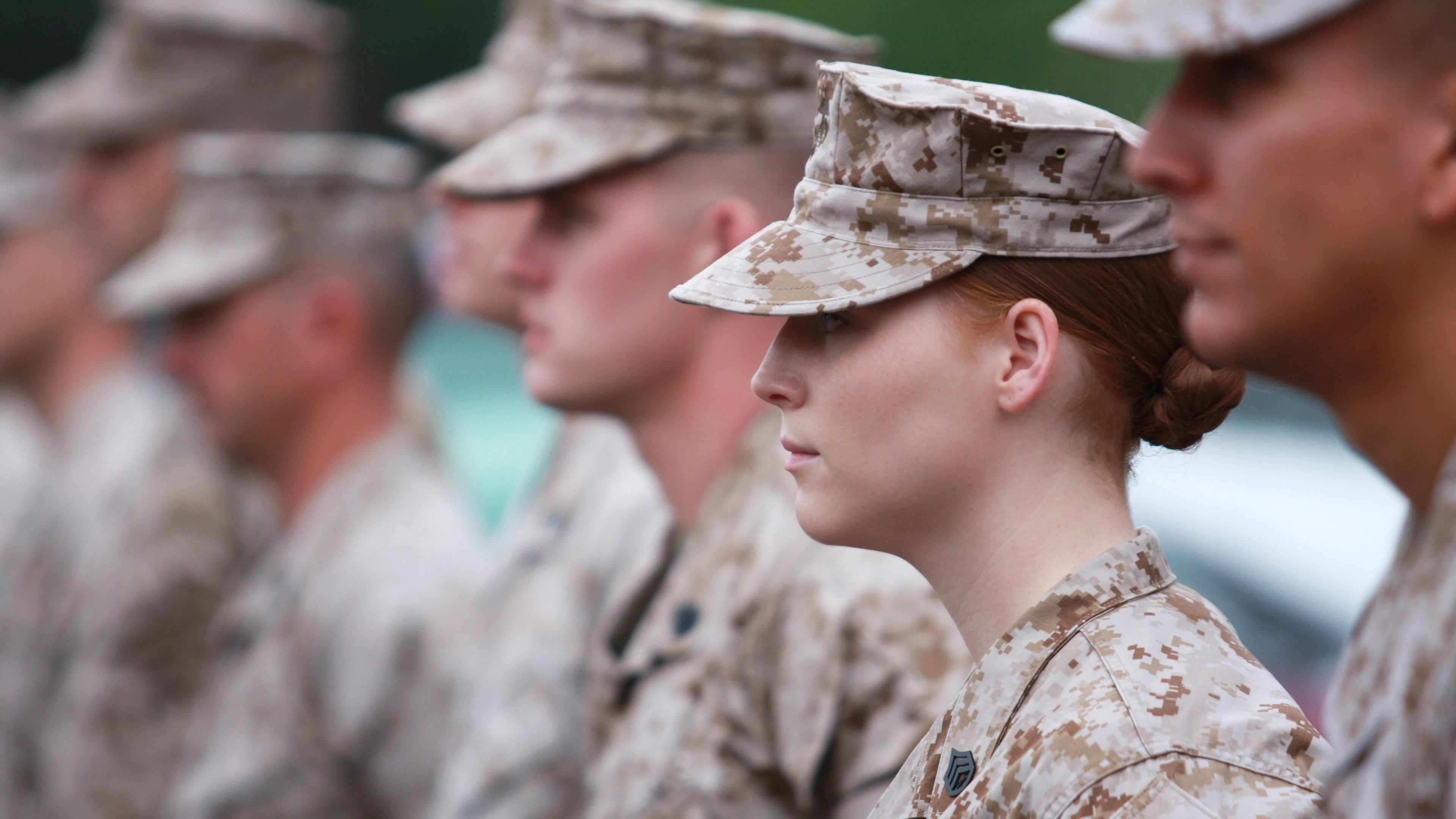
The conscription guidelines for women if WW3 broke out including clause for new mums

Women could be called up for military service if a third world war broke out, while existing Army guidance could give new mothers a three-month grace period before they’re required to serve.
Fears of a wider conflict have sparked fresh questions about whether the UK might bring back conscription, which requires citizens to undertake military or national service, to boost its armed forces.
The Government has repeatedly said there are no plans to reintroduce mandatory service, but rising global tensions have prompted people to wonder how Britain would respond if a major war broke out.
Now, the UK last used conscription in 1960 - and while it’s often associated with men, women have been included in Britain’s wartime recruitment rules before.
Advert
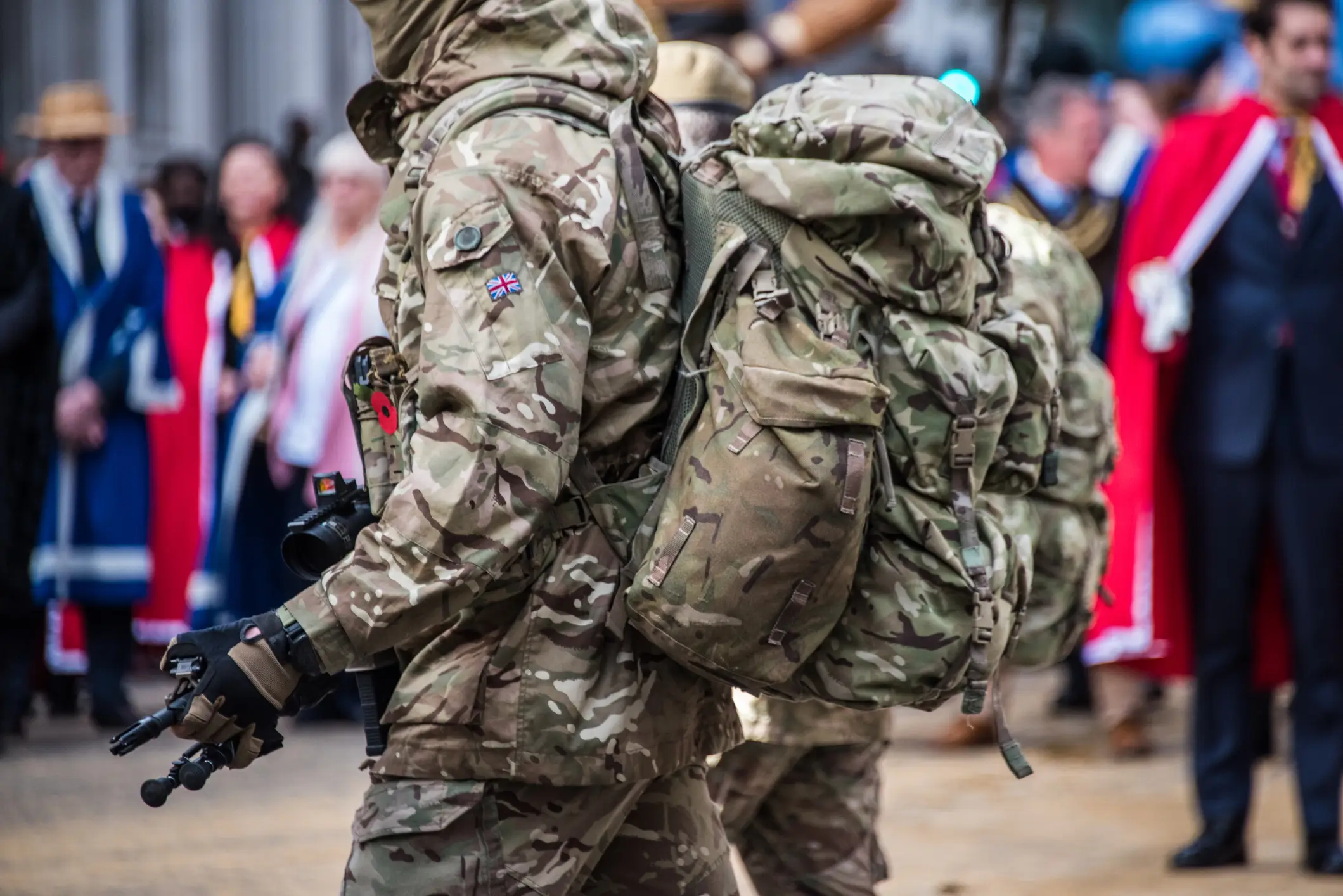
During the Second World War, conscription was first introduced for single men aged 20 to 22 in May 1939. As the conflict intensified and the country faced manpower shortages, the rules were expanded.
In December 1941, Parliament passed a second National Service Act, making unmarried women and childless widows aged between 20 and 30 liable for call-up.
The UK Parliament website explains: "In December 1941 Parliament passed a second National Service Act. It widened the scope of conscription still further by making all unmarried women and all childless widows between the ages of 20 and 30 liable to call-up."
That history means women could potentially be included in a future conscription system but any rules, however, would depend on legislation introduced by the Government at the time.
What would happen to new mothers?
A key question is what compulsory service could mean for women who are pregnant or have recently given birth.
Under current British Army pregnancy and maternity guidance, applications from women who are pregnant or have given birth within the previous three months are delayed.
If similar rules applied to a future conscription scheme, new mothers could potentially be given three months before they had to report for service.
The Army also has procedures for serving personnel who become pregnant, as women must formally notify their Commanding Officer and Career Manager no later than the 15th week before their expected week of childbirth.
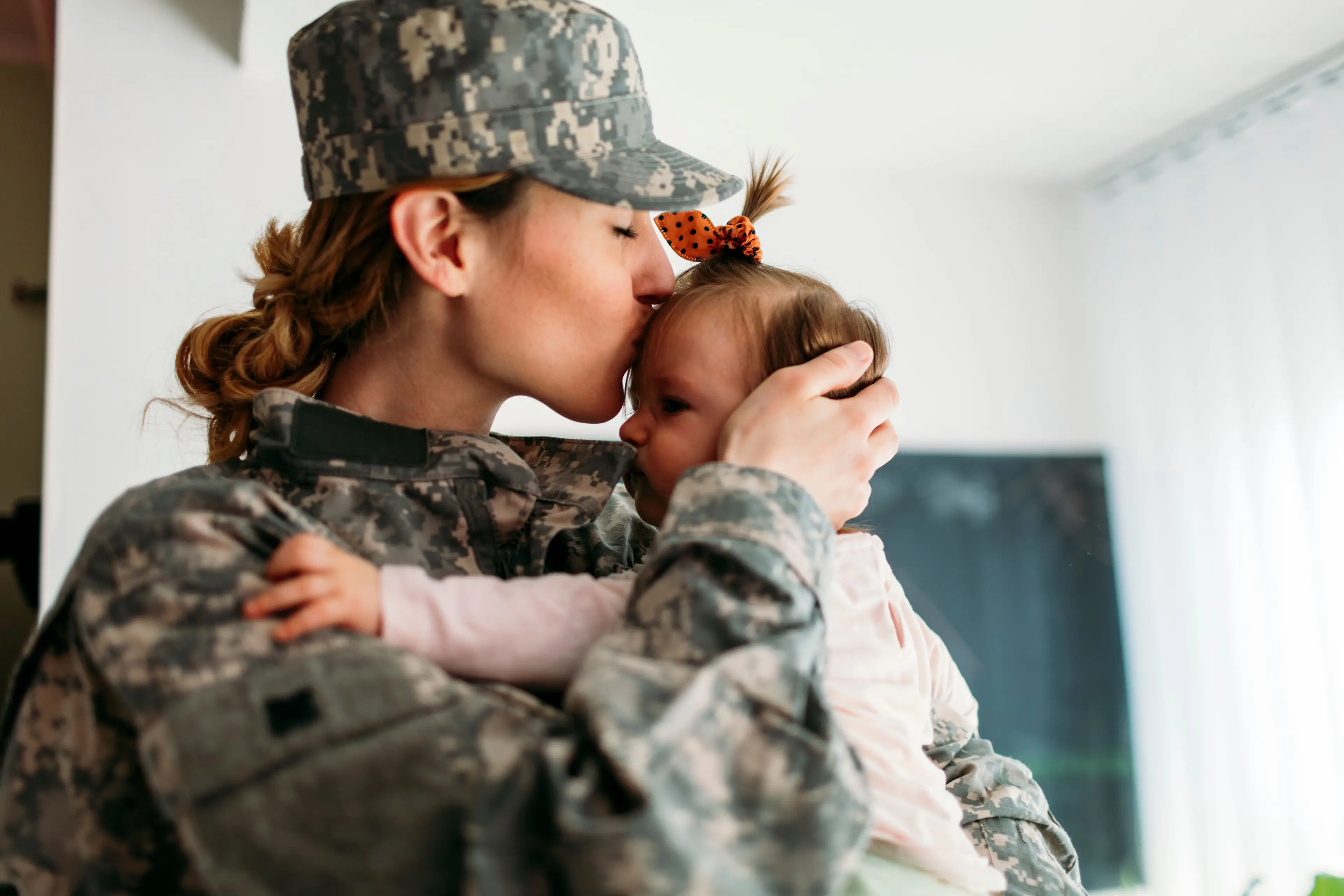
Servicewomen who become pregnant while deployed are returned to the UK so they can receive appropriate maternity care before and after giving birth.
These are current military employment guidelines, however, and are not confirmed exemptions under any future conscription law.
Any arrangements for new mothers would depend on the rules set out if compulsory service were introduced.
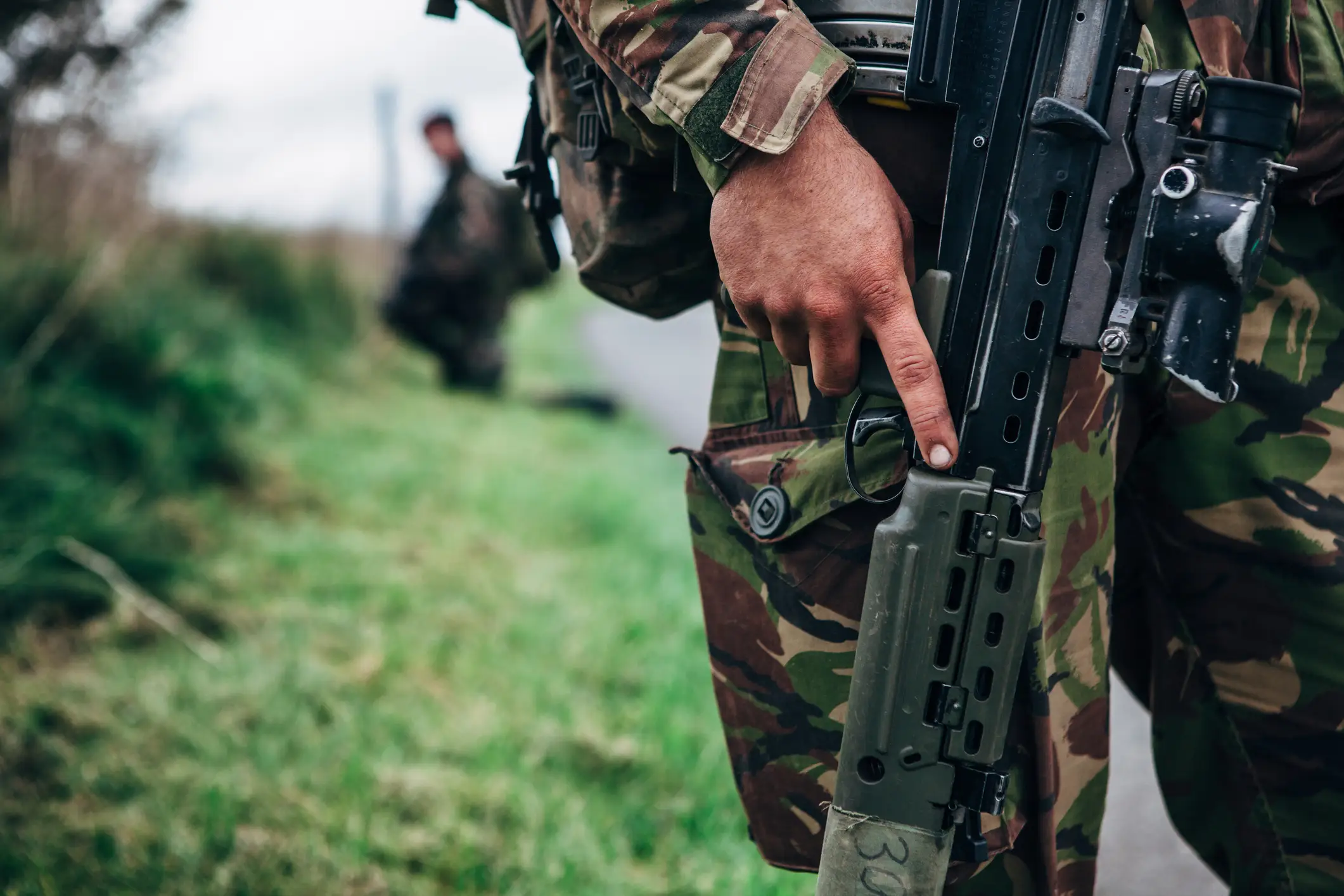
Would women have to serve if WW3 broke out?
Since 2018, every combat role in the British Army has been open to women, and female personnel can serve across all military roles, provided they meet the relevant requirements.
Women currently make up approximately 11.7% to 12% of the UK’s Regular Forces.
There could be significant public support for equal conscription.
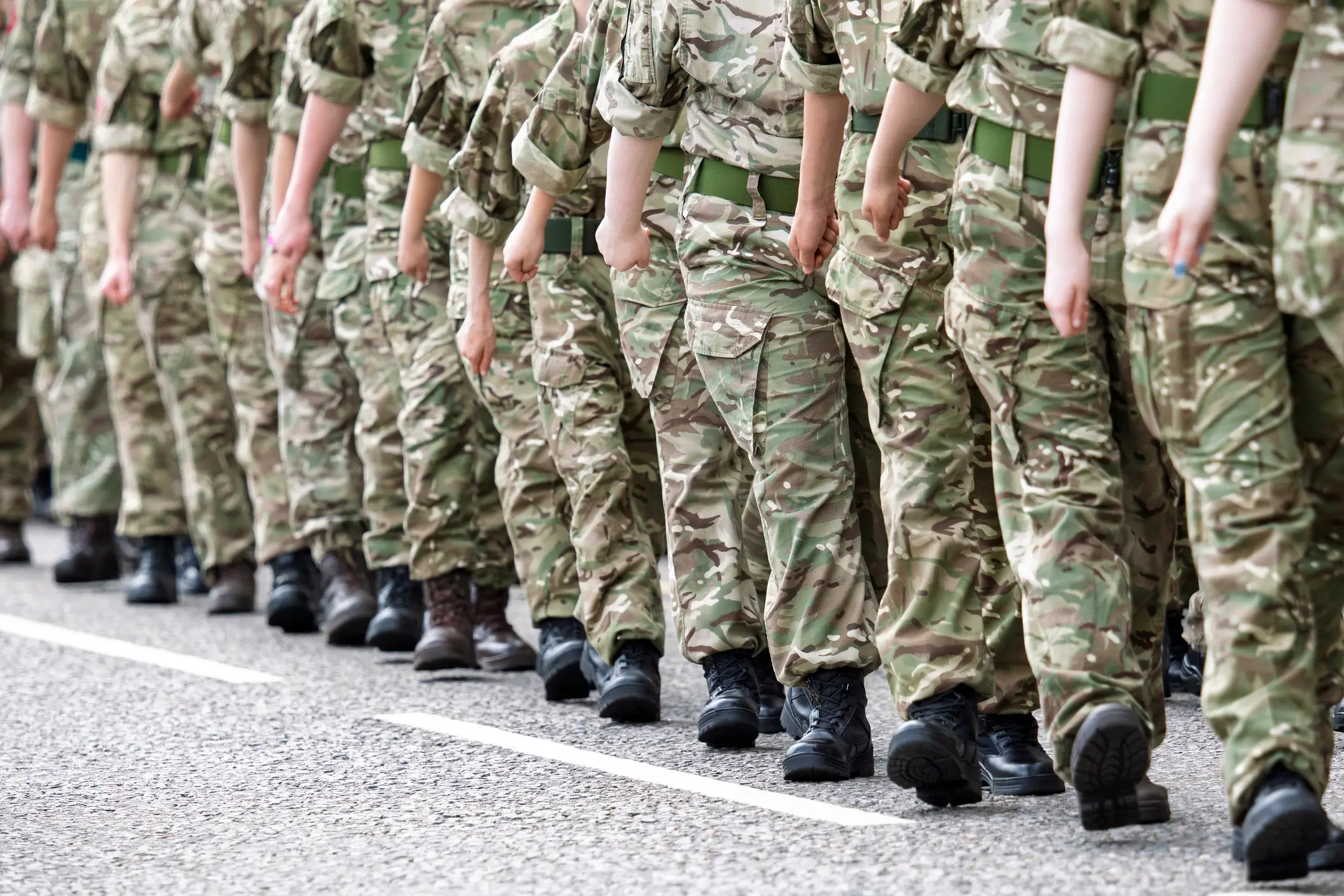
A 2024 YouGov survey found that 72% of respondents thought women should be conscripted if another world war broke out.
Of those, 42% supported women serving on the same basis as men, while 30% favoured some restrictions on the roles they could perform.
The same survey found that 38% of under-40s said they would refuse to serve in the Armed Forces if a new world war broke out. That figure was 30% if Britain faced imminent invasion.
That said, there are currently no confirmed plans to introduce compulsory military service for women or men in the UK.
Topics: UK News, World News, Politics, Parenting
 Rhiannon Ingle