
Gynaecologist warns against viral trend that can wreck ‘down there’

A gynaecologist has issued a stern warning against a trend making the rounds on social media that can bring you a whole load of problems when it comes to your nether-regions.
It's clear that people are always keen to find nifty little ways to improve their sex life, but it's important to tread with caution when it comes to the plethora of 'life hacks' you come across on the internet.
One of which is the recommendation of swapping out your go-to lubricant for none other than a tub of coconut oil - something which OBGYN and MPH Dr Kate McLean, Chief Medical Officer at Evvy, has heavily warned against.
"Coconut oil sounds like it would be a gentle and natural option as a lubricant; however, vaginal health is more nuanced than that," she told the NY Post.
Advert
While coconut oil, which boasts a ton of health benefits, isn't highly alkaline, it can still disrupt the balance of protective Lactobacillus bacteria that help maintain an acidic, healthy vaginal pH.
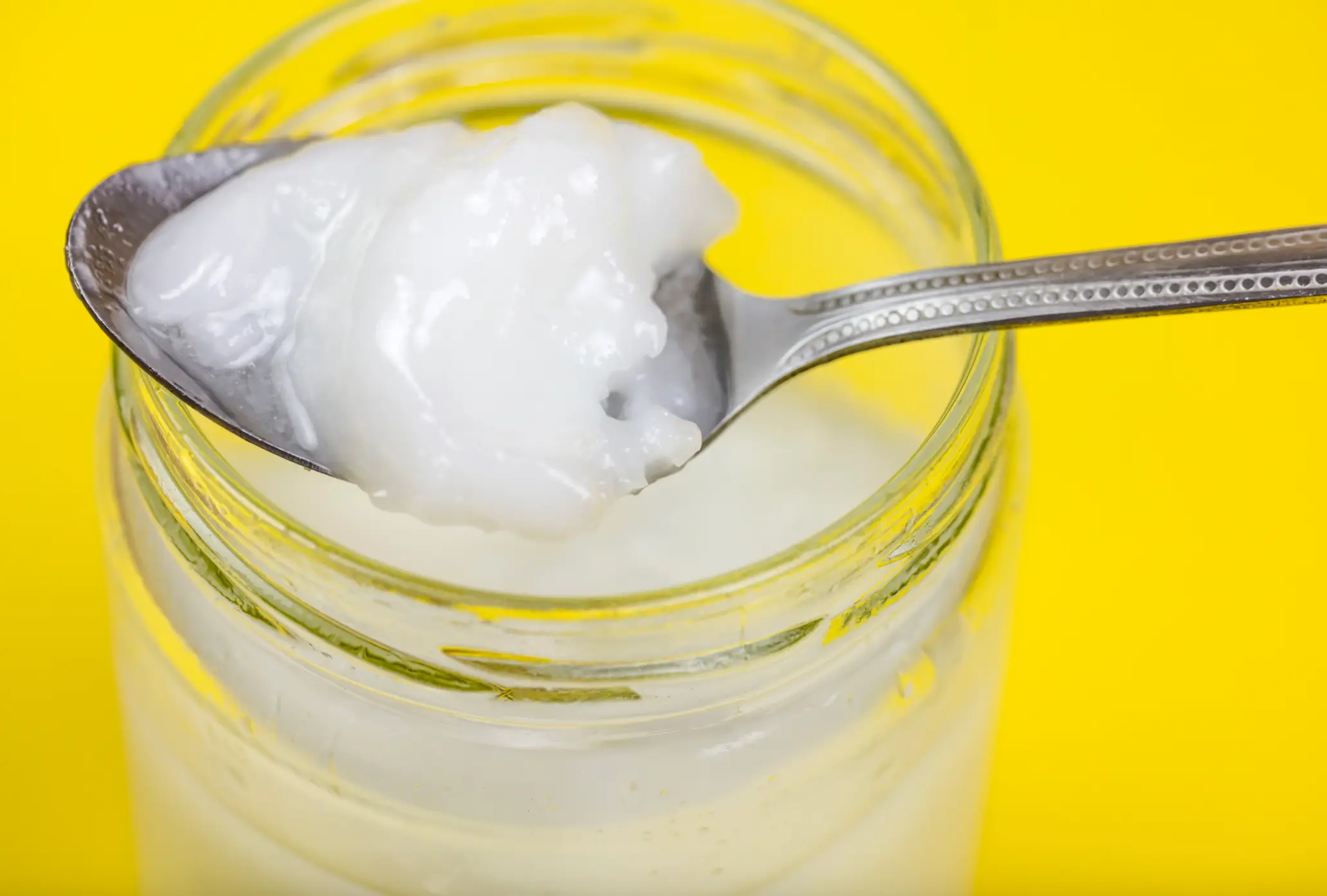
The expert explained: "When you introduce an oil that isn’t designed for vaginal use, it can shift that delicate balance. Coconut oil may coat the vaginal canal and alter the local environment in a way that makes it harder for those protective bacteria to thrive."
McLean continued: "We don’t have high-quality human trials demonstrating that coconut oil, or lauric acid specifically, safely prevents infections in the vaginal environment."
Interestingly, those antimicrobial qualities could even work against the body’s natural bacteria.

"The vagina relies on protective bacteria to maintain an acidic, stable environment," she added. "While we don’t have strong clinical trials specifically showing coconut oil wipes out ‘good’ vaginal bacteria, we also don’t have evidence proving it selectively preserves them."
McLean also outlined that, when it comes to vaginal health, 'virgin' or 'cold-pressed' coconut oil doesn’t meaningfully change the core concerns.
"Those labels refer to how the oil is processed from a medical perspective; the potential risks, like microbiome disruption or condom incompatibility, are essentially the same regardless of whether the oil is refined, virgin, or cold-pressed," she said.
And it's not just your pH, as coconut oil may also weaken latex condoms.
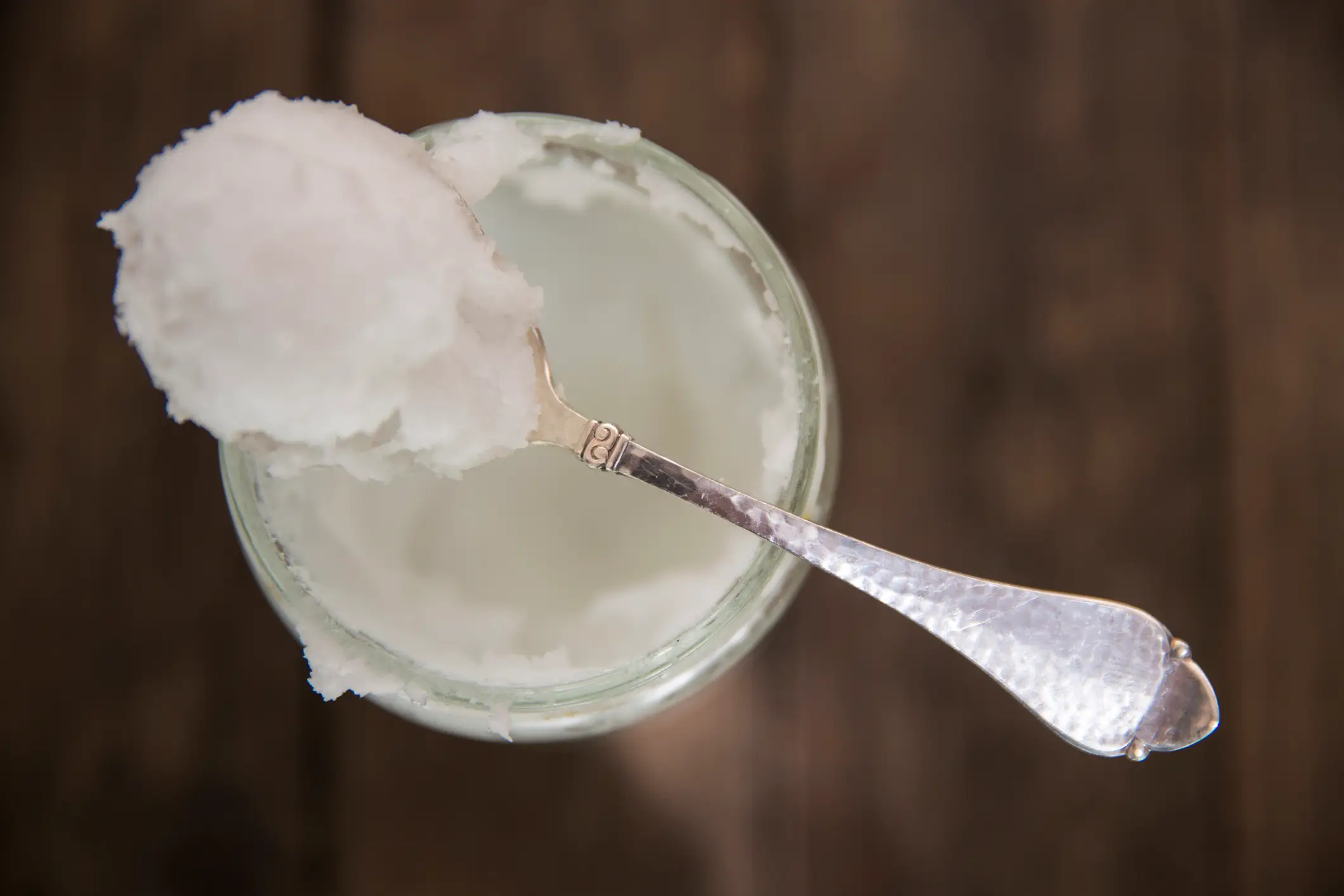
"Oil and latex don’t mix," she stressed. "Coconut oil can begin weakening latex condoms within minutes, making them more prone to tearing even if there’s no visible damage. If someone is relying on condoms for pregnancy or STI prevention, using a lubricant explicitly labelled as condom-compatible is the safest and most predictable choice."
McLean reiterated: "Coconut oil can feel slick and longer-lasting, but it will weaken latex condoms and isn’t specifically formulated or tested for anal tissue, which is more prone to small tears."
Instead, the gynaecologist recommended opting for a high-quality silicone-based product, outlining: "It is usually the safest and most reliable option because it provides a durable glide while maintaining condom integrity and helping protect the tissue from friction."
Topics: TikTok, Social Media, Health, Women's Health, Life, Explained, Advice, Food and Drink, Sex and Relationships
 Rhiannon Ingle