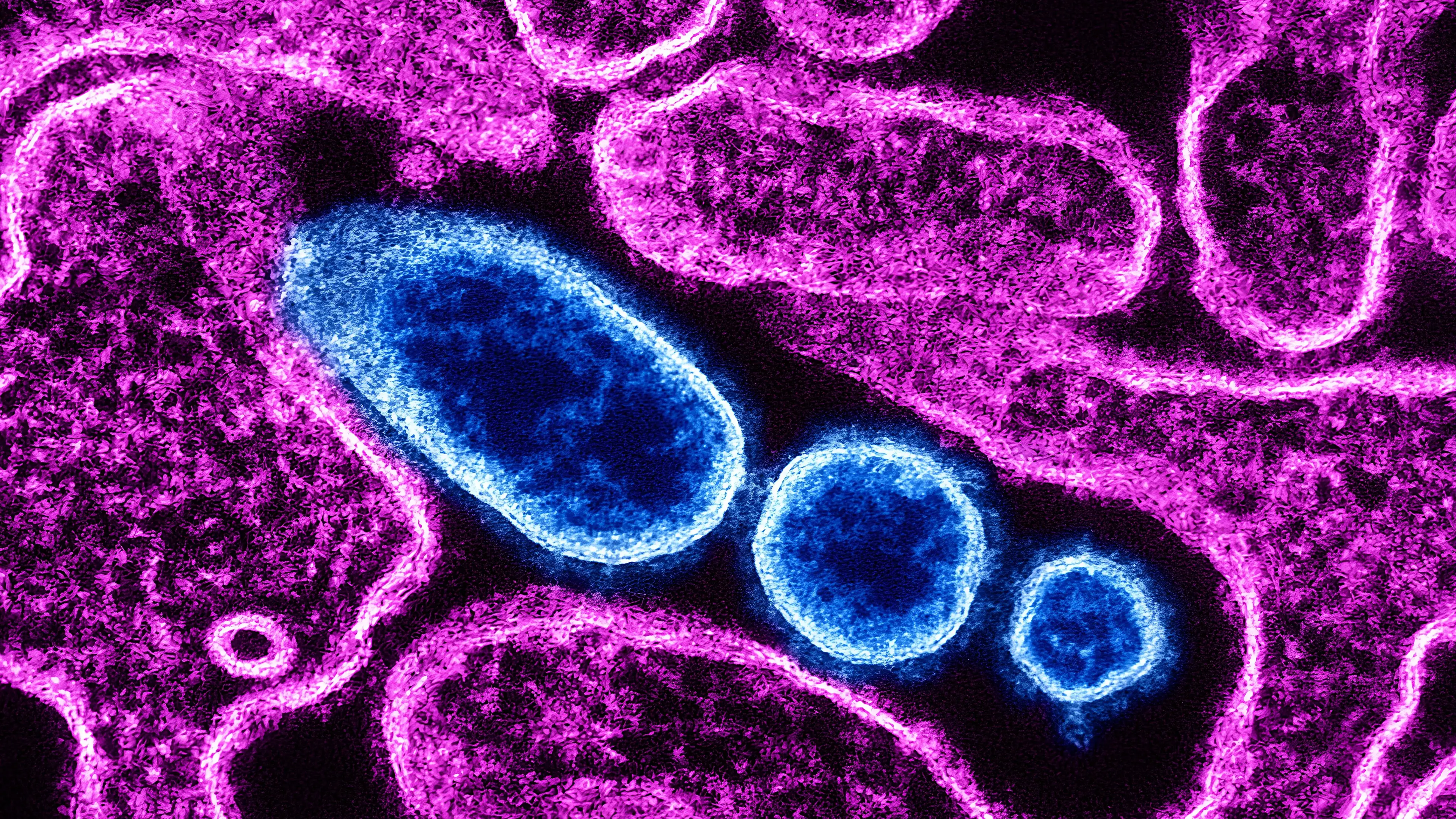
Deadly outbreak of Nipah virus sparks concern in Asia

Screening measures have been tightened across Asia this week in response to a potentially fatal outbreak of Nipah virus.
An alarming number of cases have been reported by doctors in India's West Bengal state recently, sparking concerns for the rest of Asia. 110 known residents of the area were hospitalised with symptoms of the highly contagious condition, and subsequently quarantined.
The outbreak has also resulted in five healthcare workers being infected with the condition, one of whom has been left in critical condition at a private hospital in Barasat, as per BBC. No cases outside of India have yet been reported.
The disease is a zoonotic virus with a high mortality rate. Despite being bat-borne, it can spread to and between humans and other animals through through contaminated food.
Advert

According to the World Health Organisation, Nipah virus is a huge health priority, currently falling into the Top 10 most vital diseases to be treated, alongside the likes of Covid-19 and Zika. This is due to its ability to trigger an global epidemic all by itself.
The initial symptoms of the disease aren't too dissimilar to those exhibited in extreme cases of flu; a high fever, headaches, muscle pain, vomiting, and a sore throat. If it develops, Nipah can inflict a range of increasingly-serious side effects, from drowsiness to altered consciousness and pneumonia. It can also cause a sometimes fatal condition known as encephalitis, that triggers an inflammation of the brain.
The incubation period for these cases is recommended at between 4-14 days.

That said, however, some individuals can carry the deadly infection without showing any symptoms at all, making the virus especially difficult for scientists to retain health statistics on.
This could explain why, to this date, no drugs or vaccines have yet been approved by leaders in the field to treat the condition.
In response to rising records in India recently, Covid-19-esque travel restrictions have reportedly been implemented in other areas of the continent.
Staff at three airports in Thailand, for example - Suvarnabhumi, Don Mueang and Phuket - are screening passengers who arrive into the country on flights from West Bengal. These passengers are also been asked to make health declarations before entering the country.
In Nepal, meanwhile, travellers either flying into Kathmandu Aiport from this area, or crossing land border points with India, are being subjected to the same health checks.

Parks and wildlife areas in these nations have also put stricter screening processes into place in natural tourist attractions.
Health authorities in Taiwan have also responded to the outbreak, proposing to categorise Nipah as a 'Category 5 disease'. This means it'll be considered an emerging or rare infection with major risk to the public.
It's likely that specific control measures will also be put into place here.
Topics: Health, Life, News, Real Life, True Life, World News
 Rhianna Benson