
Anyone taking Vitamin D issued warning over four symptoms

In recent years, NHS doctors have shed light on the ways that Vitamin D can be used to boost a person's wellbeing - especially during the cold, dark winter months.
Apparently, however, anyone hoping to secure the ultimate 'glow-up' this year, or wanting to improve their general health, needs to approach these supplements with caution.
The warning comes in light of four symptoms having reportedly emerged among some patients who've been taking these pills, that are said indicate a person's body isn't adjusting to them very well, or that they're consuming too much.
For those unfamiliar with the benefits of Vitamin D, this specific nutrient is famed for its ability to regulate the amount of calcium and phosphate in the body, which are both vital when it comes to maintaining healthy bones, teeth, and muscle health.
Advert

It also wards off bone deformities, like rickets, as well as painful conditions, including osteomalacia.
The easiest way to soak up this nutrient is from the sun, which poses quite the issue for anyone living in the northern hemisphere, with sunlight being something of a rarity between October and March.
As such, many are turning to Vitamin D supplements to make up for the nutrition they're missing out on over the winter, with the British government recommending UK residents take a daily vitamin of 10mg during this period.
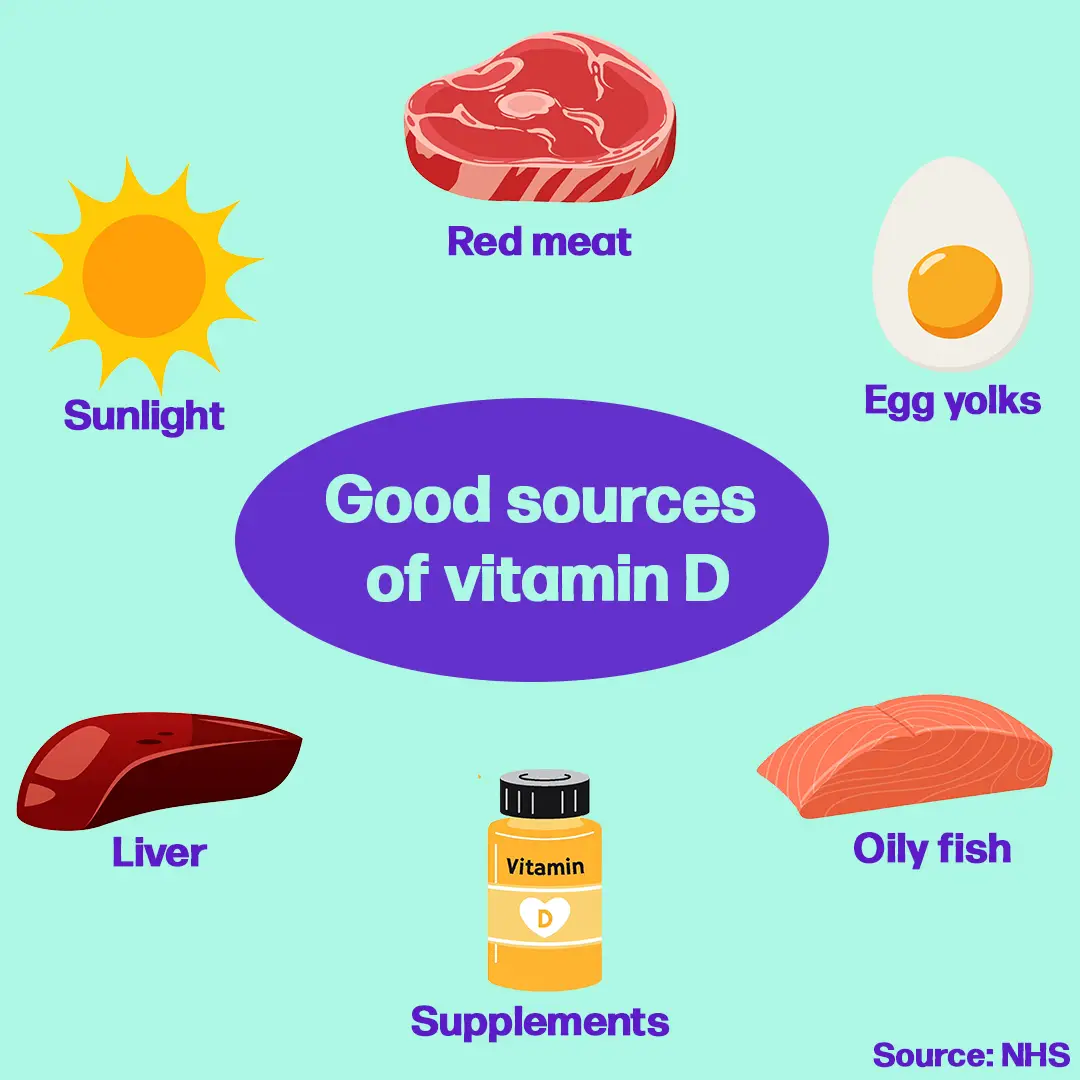
"From October to March we can’t make enough vitamin D from sunlight, so to keep bones and muscles healthy, it’s best to take a daily 10 microgram supplement of vitamin D," the NHS emphasised recently. "You can get vitamin D from most pharmacies and retailers."
However, many medics have recently argued that this shouldn't be a blanket rule, claiming some patients have reported experiencing four indicators that the supplements are having adverse effects on their health.

Biomedical scientist and co-founder of Repose Healthcare Tobias Mapulanga explained: "As the NHS encourages vitamin D in winter, many people are reaching for bottles in the darker months and accidentally overshooting, then blaming the fallout on seasonal bugs, when constant thirst and needing the loo more often, queasiness, tummy pain or constipation, headaches or brain fog, and new aches or cramps appear soon after increasing your intake or adding sprays or gummies, that points to a supplement backfiring.
"The stakes are clear: the right amount supports you, but doubling up can turn a well-meant routine into feeling worse rather than better."
What are the signs of too much vitamin D?
Constantly needing a wee, but still feeling thirsty

If you find some weeks after starting to take Vitamin D supplements that you're needing to urinate more often, and constantly feel thirsty, it could be an indicator that you're taking too much more than you need.
This is because Vitamin D has the potential to disrupt both fluid and salt balance, which can leave a person both parched and needing the loo.
It is recommended in these cases to take absolutely no more than the prescribed 10mg, always to keep water close by.
Feeling nauseous

Enduring general sickness, burping more than you usually would, or suffering from a sour stomach could also be a sign that something is wrong.
This could be because some forms of Vitamin D can contain sweeteners or flavourings that throw off a person's stomach acid levels and trigger irritation in these cases. It's recommended to either take your supplement with a main meal or switch from sprays or gummies to tablets.
Achy bones and muscles

If you notice you're cramping more often, or just feeling generally much more fatigued than usual, it could be a sign that Vitamin D supplements aren't for you. An excessive amount of this nutrient can upset the minerals your muscles rely on, combined with potential dehydration, could cause muscles to cramp.
It's recommended to adjust your amount in these cases, as well as to drink a large glass of water with meals, and to add things like yoghurt, leafy greens, beans, and bananas to your diet.
Struggling to focus

Has your brain felt foggier than usual since you started taking Vitamin D supplements? If so, again, it could indicate you've taken too much.
High doses of this specific nutrient can cause a person's calcium levels to surge, and additives like sweeteners can also muddle their thinking. In these cases, it is recommended that a person take their pill with food or choose a product listing only cholecalciferol as a bulking agent.
How much vitamin D is too much?
The NHS says not take more than 100 micrograms (4,000 IU) of vitamin D a day because it could be harmful. This rule applies to everyone, from adults to children aged 11 to 17.
Meanwhile, children aged one to 10 years shouldn't have more than 50 micrograms, and infants under 12 months shouldn't have more than 25 micrograms a day.
Taking too many vitamin D supplements over a long period can lead to excessive calcium buildup in the body, which can weaken bones and damage the kidneys and heart.
 Rhianna Benson