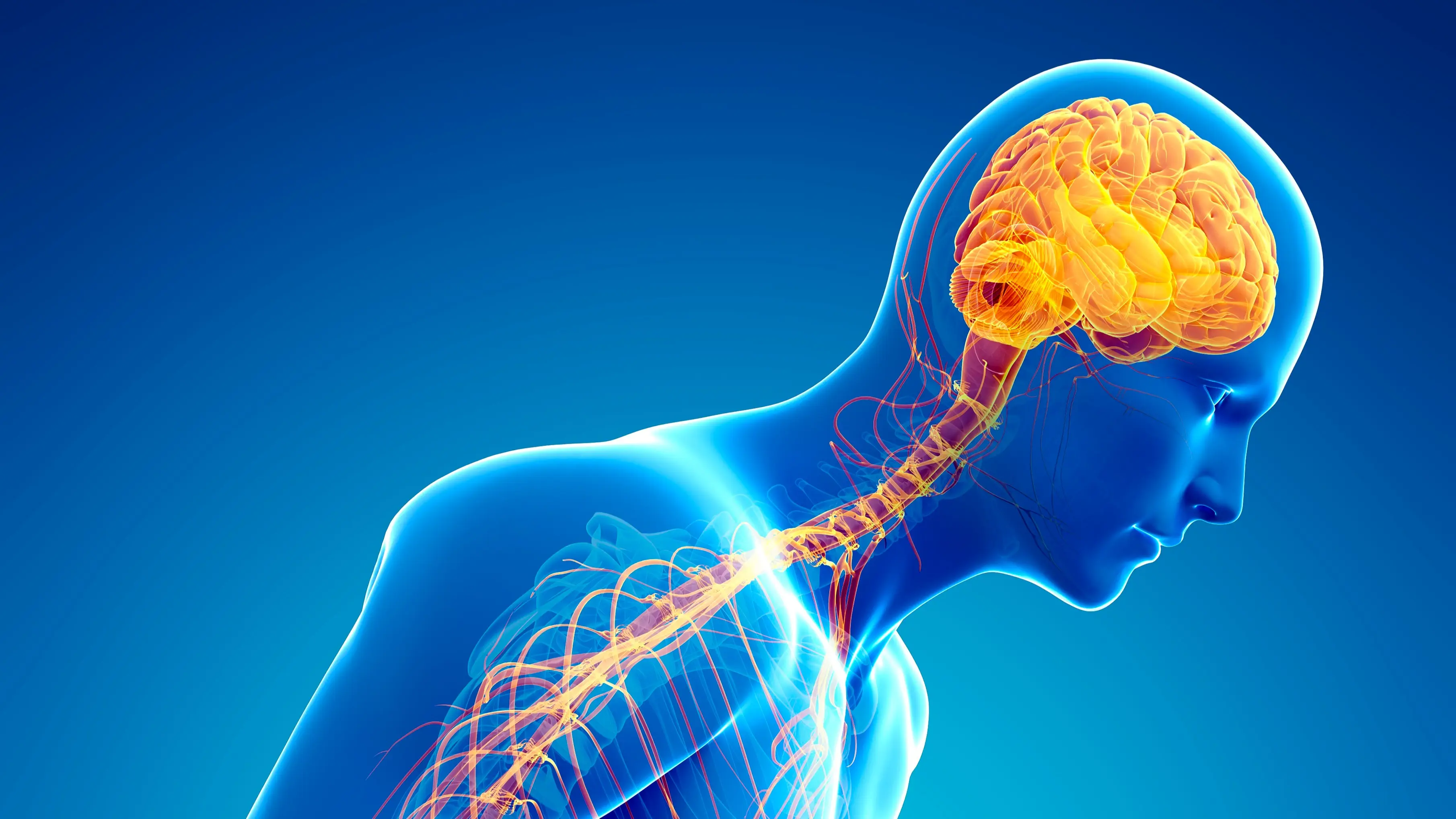
Subtle Parkinson's symptoms that can show up years before diagnosis

If you we were asked to name the quintessential warning sign of Parkinson's disease, I'm sure most of us would suggest the shakes.
Rhythmic shaking occurs due to a patient's lack of dopamine in the brain - a crucial chemical when it comes to smooth movement. This disruption of the motor system's brain signals triggers involuntary muscle contractions and resting tremor.
It turns out, however, that the degenerative neurological disorder is much more complicated than many people realise and that some subtle indicators of the disease - many of which have nothing to do with movement - can kick in years before a medical diagnosis is made.
In fact, according to a recent study by the Washington Post, as many as 20 per cent of people who've been told by doctors they have Parkinson's exhibit no signs of bodily vibration at all.
Advert

"Parkinson's is what we call a movement disorder because it affects our movement, but there’s a whole side of Parkinson's that is non-motor," neurologist Rachel Dolhun told the news outlet.
"We long thought it was just a movement disease, but now we see that it affects the whole body in different ways."
So, which symptoms did they exhibit and how early could these indicators kick in?
Loss of smell
It's not just Covid-19 that has the propensity to permanently affect a person's sense of smell, with over 90 per cent of Parkinson's patients claiming this frustration was inflicted onto them gradually.
Many added that they suffered from an inability to take in new aromas long before they received their official diagnoses - some, as many as several decades prior.

"We know that people who lose their sense of smell have about a fivefold increased risk of developing Parkinson’s in the future," professor of neurology and neurosurgery, Ronald Postuma also told the Post.
"People lose their ability to detect and identify odours, and they are often not very aware because it happens so gradually."
When it comes to the cause of this unnerving sensation, some searchers have suggested that Parkinson's - of which there is yet no cure - actually kicks off in the olfactory bulb of the brain, which is supposed to control a person's sense of smell.
This theory alleges that abnormal proteins in this area damage a person's neurones, causing the disease.
Performing in your sleep
When most people fall asleep, their body becomes temporarily paralysed during an intense phase known as REM (which stands for Rapid Eye Movement).
If a person suffers from a sleep behaviour disorder, however, even when they reach this deep level of sleep, their body refuses to stay paralysed.

In some cases, this could see people fully acting out their dreams in the middle of the night - sitting up, talking, trying to walk and thrashing their arms around.
Apparently, studies into a possible link between these subconscious movements and a subsequent Parkinson's disease diagnosis have found a strong one. Between 50-70 per cent of people who've been told by doctors they have an REM sleep behaviour will be dealt a Parkinson's diagnosis between 5-10 years later.
Constipation
In the vast majority of cases, feeling constipated isn't considered a serious gastrointestinal complaint.
When the inability to go No. 2 drags on for more than two weeks, however, it could be a sign of something slightly more sinister going on within the brain.

According to studies in this area, two-thirds of all people who've been diagnosed with Parkinson's disease suffer from constipation more frequently than they'd like, given that the condition can harm the nerves that line the digestive tract.
Supporting this, further research found that, when people with Parkinson's underwent treatment for this uncomfortable symptom, clumps of abnormal protein were discovered inside these nerves.
Scientists have since established that people who suffer from constipation frequently in their 20s and 30s have a higher chance of being diagnosed with Parkinson's between 30-40 years later.
"So, now we’re starting to wonder: Is the disease affecting the nerves that control the gut, or is being constipated a risk factor for Parkinson’s, as well?" Postuma postulated.
Dizziness
If you're someone that often feels lightheaded when they get up from lying down or sitting, it mightn't simply be a case of mild dehydration, low blood sugar or overheating.

Many people put this sensation down to 'standing up too fast', but they could be wrong, too.
If this specific type of dizziness occurs regularly, it might be 'neurological in origin', as Postuma puts it.
"About half of these patients develop Parkinson’s or a related condition," he claimed. "So it’s a very high risk factor. Most people, though, don’t have a neurologic cause."
When to panic
It's important to note, however, that not everyone who bears these symptoms will go on to develop Parkinson's - in the same way that not everyone who has the disease will suffer from shaking.
They aren't specific enough to single-handedly indicate the condition is kicking in - and in a lot of cases, they're in relation to vastly different and often short-term medical conditions.
"But we know that in some people, these can be some of the earliest signs," Postuma told The Post.
With this in mind, it might be worth checking in with your GP if you're battling any of these symptoms long-term - especially if you have a history of Parkinson's disease in your family.
 Rhianna Benson