
Doctor shares signs you've taken vaping 'too far'

A doctor is loudly sounding the alarm when it comes to the indicators that a person has taken their vaping habit 'too far'.
When first rolled out, e-cigarettes were promoted as a less harmful, cheaper, and less smelly alternative to smoking, providing traditional tobacco smokers the nicotine they crave whilst leaving out many of the dangerous chemicals.
One of the many issues surrounding vaping, however, is that doctors can't be sure of the long-term effects of the habit, given that they've simply not been going for very long.
Another talking point amongst medics is the increasing number of young people taking up vaping due to its low cost and infamous accessibility, many of whom studies found hadn't even smoked a cigarette before trying their first puff.
Advert
As we say, however, in many heartbreaking cases, it can fail to dawn upon a person how potentially hazardous vaping can be until they're dealt a devastating - and often, irreversible - diagnosis first-hand.

Recently, we shared the story of 22-year-old Kayley Boda, who went through 'one vape a week' until she began coughing up blood, only to be told she was battling lung cancer.
Similarly, teenager LeeRay King was forced to undergo life-saving surgery that saw the removal of his 'shrivelled up, black lungs' at just 17, after he'd puffed on four disposables a week for three years.
With these gut-wrenching cases seemingly on the rise as more and more youngsters pick up vaping, clinical director Samantha Marxen is using her medical knowledge as a means of raising awareness of the risks of long-term e-cigarette use.
Speaking to Tyla this week, the doctor - who works at Cliffside Recovery - detailed the earliest signs that the habit has gone too far.
"At first, the body may show signs like continuous coughing, hoarseness, or difficulty in breathing, even when the person makes slight movements," she began.
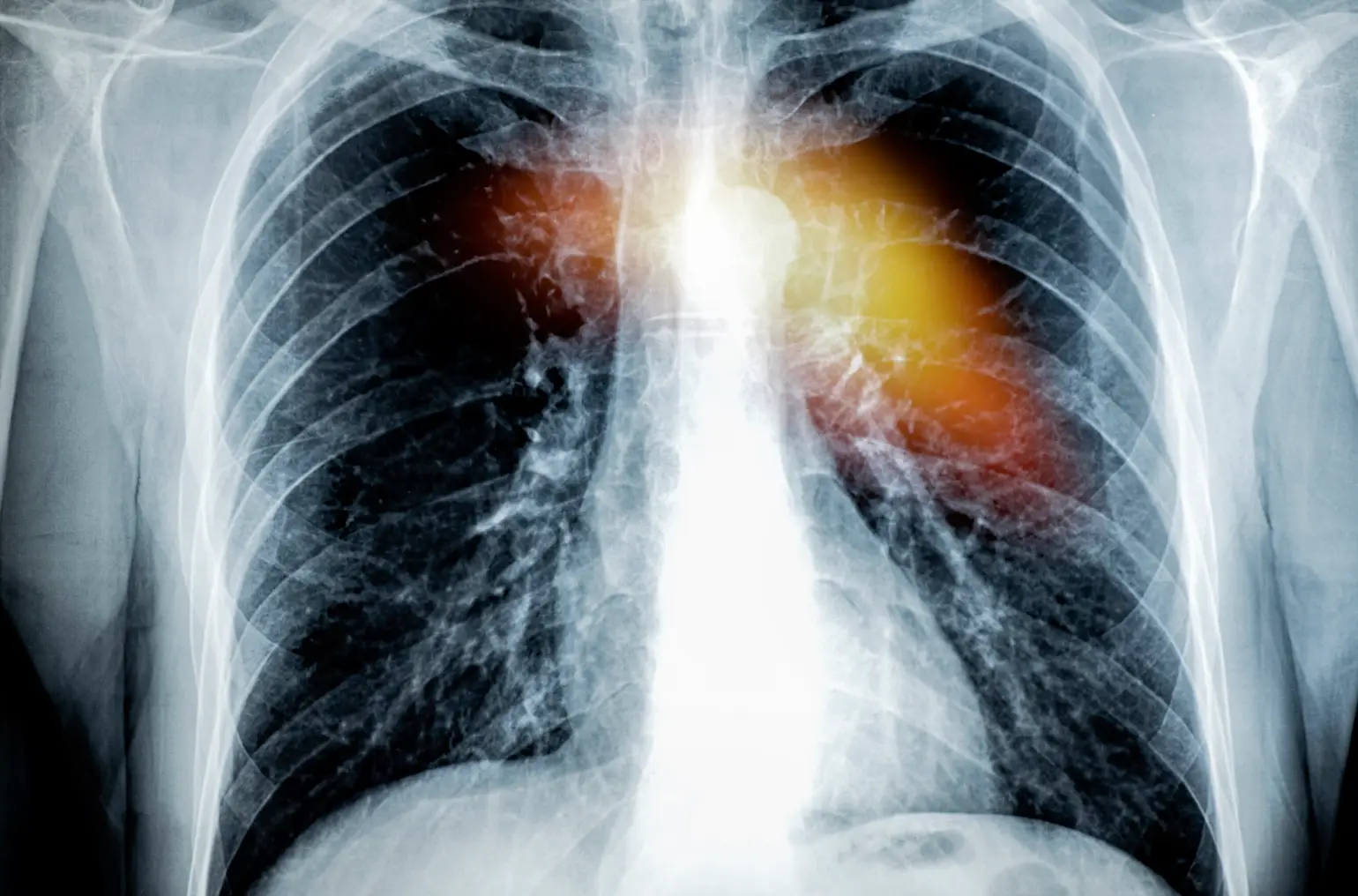
"There are others who experience heaviness in the chest, pressure in the lungs, or irritation in the throat occurring repeatedly.
"Along with these, headaches, vomiting, and loss of balance are some of the other symptoms; in fact, the latter is more likely to occur if the person is using a device with high nicotine content, as the body gets overstimulated."
Marxen, a LCADC, CCS, went on to discuss a symptom nicknamed 'popcorn lung' (technical name, bronchiolitis obliterans), which overarches many of the most severe cases of vape addiction.
Whilst not cancerous, this condition is caused by a build-up of scar tissue in the lungs, which blocks the flow of air. As such, it can prove fatal.
Going on to discuss over signs that someone's relationship with vaping has gone 'too far', she continued: "A person might be in such a situation that they are not able to last even an hour or two without taking a puff, always thinking about the next break or the next activity just to have a chance to vape.

"Becoming irritable, having mood fluctuations, and developing anxiety that is more pronounced when the person is not vaping are the well-known symptoms of nicotine addiction."
Marxen continued: "You may also observe that the person has trouble paying attention, is always on the move, or has disturbed sleep patterns, as high nicotine consumption can interfere with regular circadian rhythms and cognitive functioning."
The medic also believes an addict's social life can be harmed by extreme vaping.
"Some people begin to cut themselves off from their friends or family if they cannot vape in certain places, which, in fact, is an indication that their habit has turned into addiction," she added.
 Rhianna Benson