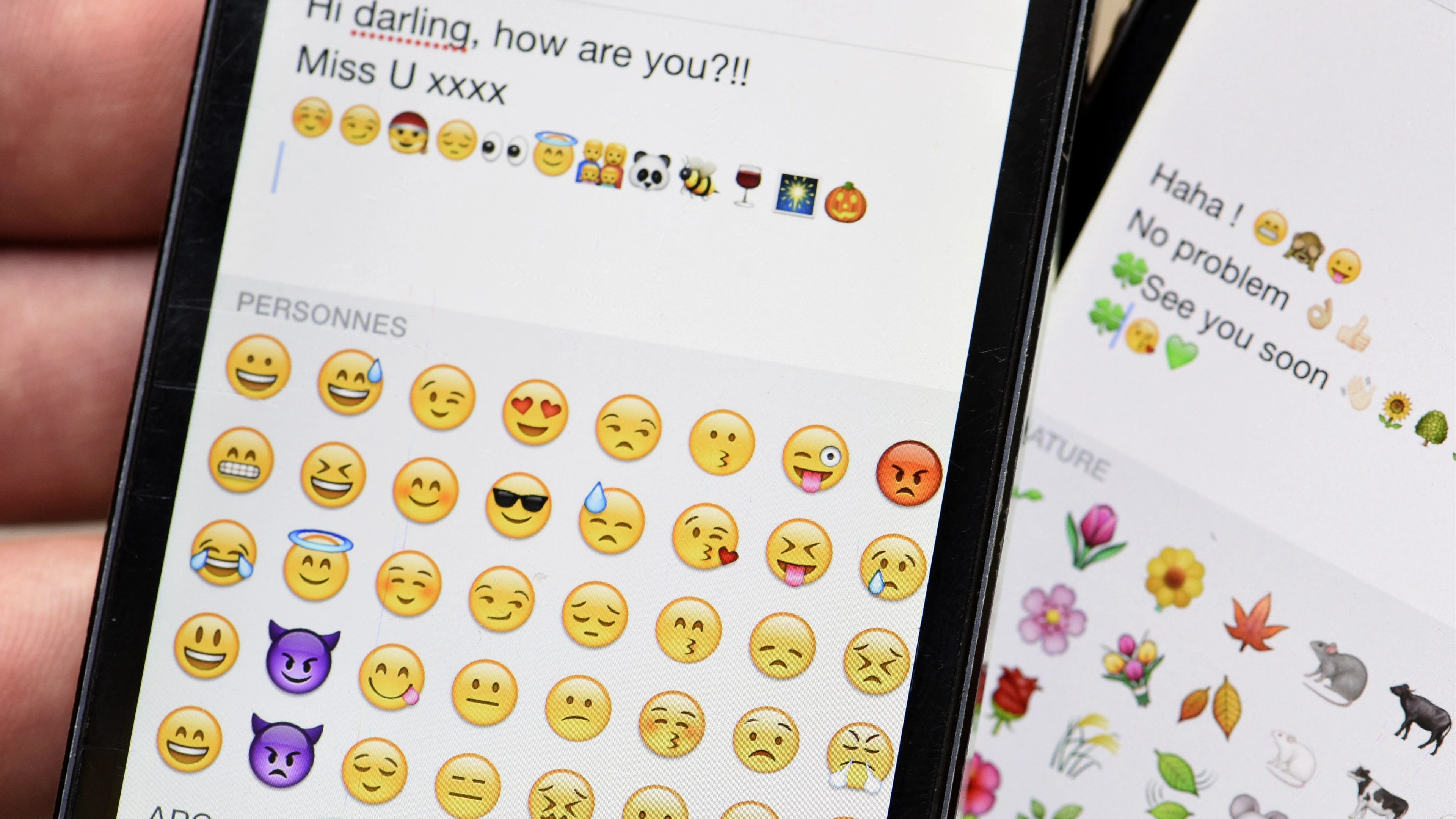
Private investigator has warning for parents who spot kids using these emojis

It's a tough job being a parent in 2025, with the internet churning out never-ending memes, inside jokes and viral trends that often leave mums and dads everywhere scratching their heads.
Don't even get us started on whatever shouting out '41' or 'six-seven' means.
However, on a more serious note, this also comes with an increased need for internet and social media safety so it's important for parents to be as in-the-know as they can be.
A private investigator has now warned that emojis may not be as innocent as they seem as he warned against symbols that predators are reportedly using to secretly communicate with children on social media platforms such as Snapchat, Facebook, Instagram and Whatsapp.
Advert
Chris Thomas from UK Private Investigators explained to MailOnline exactly what to look out for, including the signs for parents to look out for that could mean their child is being groomed using emojis.
He explained: "'Parents are cautious and check photo messages, friends lists and even the content of messages but may not think to question what an emoji means. Predators know this, and that's why they use them."

Lollipop emoji
The first emoji that can allegedly have have a double meaning is the lollipop.
While it may just seem like an innocent sweet, the private investigator has warned that it actually has some dark connotations.
According to the publication, it can be used by predators as a symbol for grooming or offering gifts to children.
Thomas said: "To the parent, it may look like someone is talking about sweets, but it is used in a more sinister way to continue the conversation."
Video game emoji
Similarly, the video game emoji, which looks like a small console handset, is reportedly being used to lure children into online gaming chats.
This is because private chats like this are more difficult for parents to monitor, Thomas warned.
So, if you see this emoji pop up on your child's phone, it's worth checking out just to make sure they're being safe.
 He warned that some emojis are being used by predators and can have a double meaning (Getty Stock Image)
Camera with flash emoji
Third on the list is the camera with flash emoji, which is supposed to look like a picture is being taken.
While this is a common one that's used on Instagram and other photo sharing social media platforms, it's reportedly also being used for a much more sinister reason.
The publication reports that Thomas said 'it is sometimes used to pressure a child into sending pictures that they wouldn't usually send'.
Key emoji
Finally, Thomas warned against the key emoji, which is a probably a lesser used one for children.
According to the expert, it has a double meaning and can be used to symbolise whether a child is alone or not.
He said: "'It can be used to check whether a child is alone or unsupervised.
"The symbol looks harmless to parents but can act as a signal for predators to push the conversation further without being detected."
Chris warned that emojis are being used more by predators because if a parent spots them, it looks harmless and it can be argued that it doesn't mean anything or differ its meaning to something else.
He added: "What's worrying is that these are the symbols that we know about, and there may be others in use that we have not yet identified.
"If you notice random emojis in any of your children's messages, you should be cautious and make sure your child knows who they are speaking to."
The private investigator also wants to remind parents to look out for any behavioural changes their child might be showing while receiving messages.
He explained: "Children who turn their phone away when a parent enters the room, or delete their messages quickly could be hiding something that could put them in danger.
"Often, children are told to keep their messaging a secret from these predators, and your children act like this not to get anyone in trouble."
Topics: Social Media, Parenting, News, Life, Real Life, Crime
 Madison Burgess