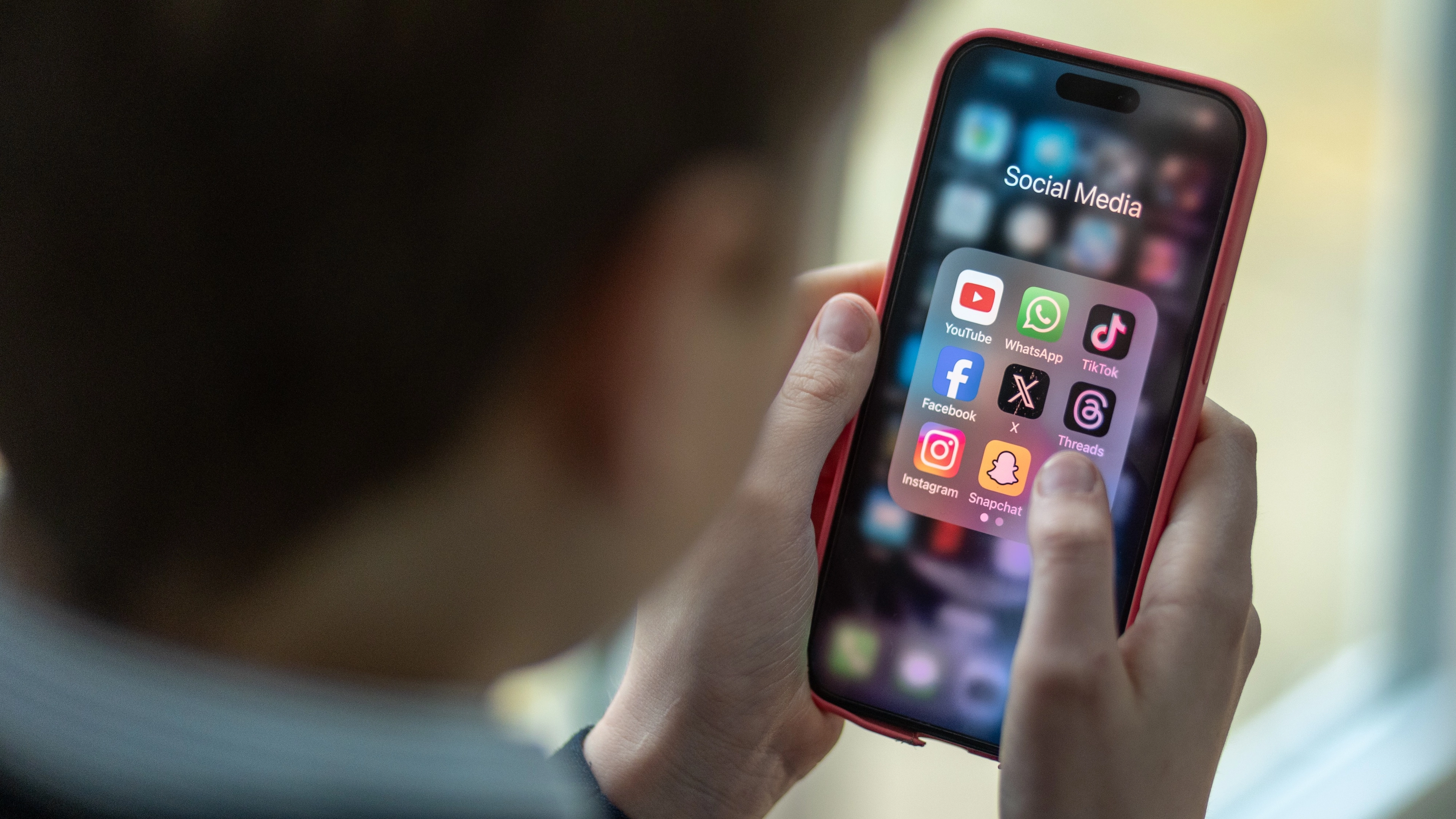
World’s first social media ban for kids has just begun - there’s already one problem

The world's first social media ban begins today, and people are already flagging problems.
If you missed the news, don't panic. It currently only affects under-16s in Australia, so if you're elsewhere in the world, feel free to scroll to your heart's content.
Australian Prime Minister Anthony Albanese welcomed the rule today (10 December) but warned the implementation would be difficult.
He told the Australian Broadcasting Corp: "This is the day when Australian families are taking back power from these big tech companies, and they’re asserting the right of kids to be kids and for parents to have greater peace of mind.
Advert
"This reform will change lives. For Australian kids… allowing them to just have their childhood. For Australian parents, enabling them to have greater peace of mind."
He added: "But also for the global community, who are looking at Australia and saying: well, if Australia can do it, why can’t we?"
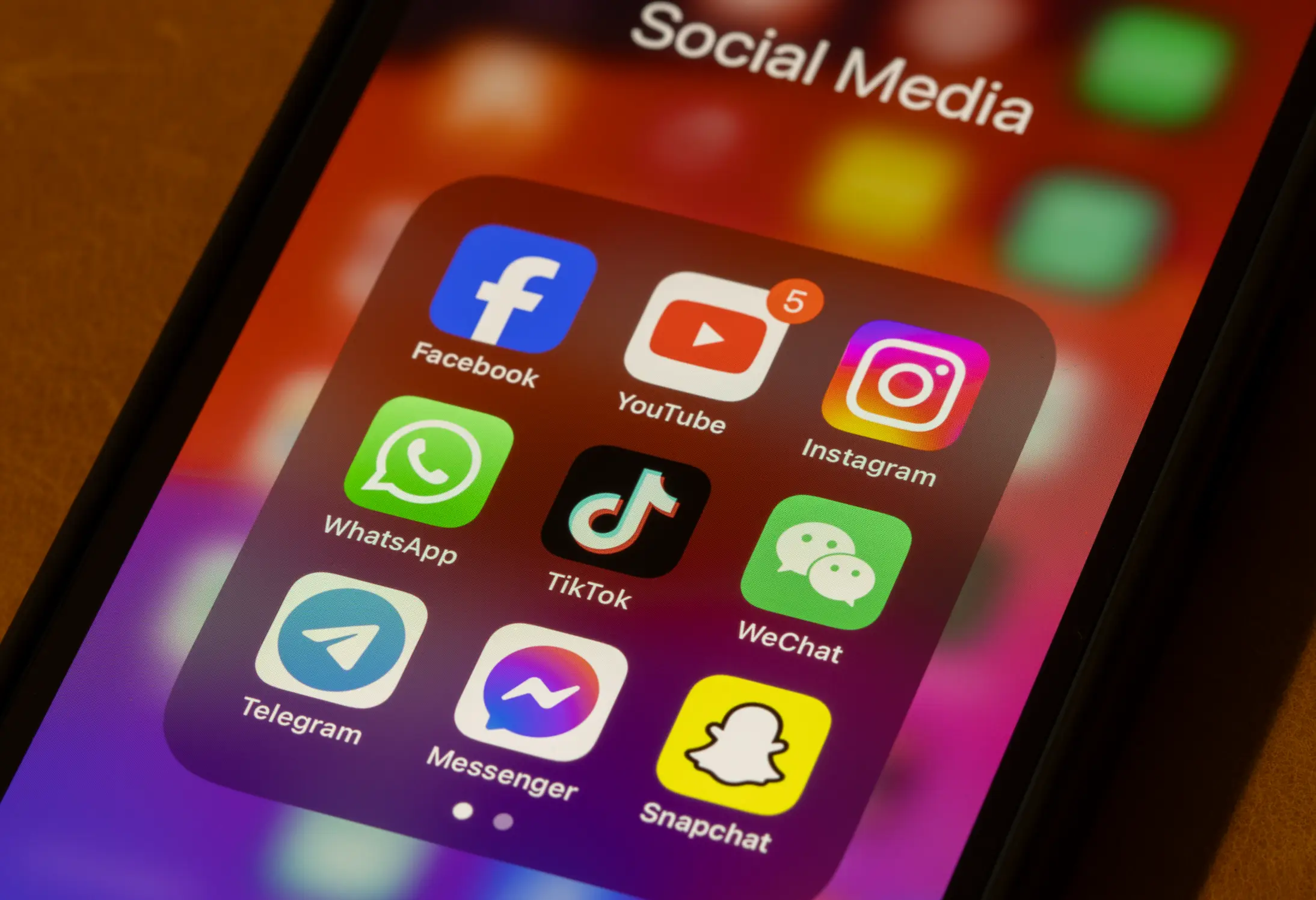
The likes of Facebook, Instagram, Kick, Reddit, Snapchat, Threads, TikTok, X, YouTube and Twitch face fines of up to 49.5 million Australian dollars (£24.7 million) from today should they fail to take reasonable steps to remove accounts belonging to Australian children under 16.
In simple terms, companies will need to deactivate all accounts for users under 16 and prevent those users from holding an account until after they turn 16, with the ban being enforced by Australia’s eSafety commissioner, Julie Inman Grant.
Apps such as Roblox, YouTube Kids, Google Classroom, and job platforms like LinkedIn are currently exempt, but the eSafety commissioner has flagged that if kids move to other services after the ban, those platforms could also be added to the list and would be expected to remove teen accounts.
Understandably, not everyone is on board with the social media ban, including some of the companies themselves, who are warning that it could actually make it more unsafe for kids.
According to BBC News, Rachel Lord, senior public policy manager at Google and YouTube Australia, said YouTube would comply with the law but accused it of undermining more than a decade of work to build 'robust protections and parental controls that families rely on for a safer YouTube experience'.
She said: "Most importantly, this law will not fulfil its promise to make kids safer online, and will, in fact, make Australian kids less safe on YouTube."
Lord described the ban as being 'rushed regulation that misunderstands our platform and the way young Australians use it'.
Meanwhile, Snapchat said in a statement: "Disconnecting teens from their friends and family doesn't make them safer - it may push them to less safe, less private messaging apps.
"We continue to advocate for more privacy-conscious solutions, such as mandating age verification at the device, operating system, or app store level."
On top of this, Sky News has pointed out a lack of data and scientific evidence that proves social media is actually harming children.
The publication explained how, in 2024, a team of scientists from the University of Cambridge analysed 143 studies, looking for a connection between social media use and mental health problems like anxiety and depression.
While it seems to be a coincidence that adolescent depressive symptoms skyrocketed in 2010 after a big social media boom, this specific study only found one, and the correlation was very weak.
I guess all that's left to do is to wait and see how the ban plays out...
Topics: Australia, News, Social Media, World News, Parenting, Life, Instagram, Twitter, Facebook, TikTok
 Madison Burgess