
Deadly cancer is surging in women under 50 - scientists think they know why

New research claims to reveal why we could be seeing a large increase in a deadly cancer in women under 50.
The study, which was published in the journal Jama Oncology yesterday (13 November), suggests that women who eat a lot of ultra-processed food (UPFs) are at higher risk of developing abnormal growths in their bowel, which can lead to cancer.
Experts said that this new scientific study provides important insight into how what we eat can influence early changes in the bowel.
As per the British Heart Foundation, the term ‘ultra-processed foods’ comes from the NOVA food classification system, which was developed by researchers at the University of São Paulo, Brazil.
Advert
The system places food into four categories based on how much they have been processed during their production, and UPFs aretypically described as having typically have more than one ingredient that you never or rarely find in a kitchen.
They also tend to include many additives and ingredients that are not typically used in home cooking, such as preservatives, emulsifiers, sweeteners, and artificial colours and flavours, as well as generally having a longer shelf life.
According to the charity, some examples include ham and sausages, mass-produced bread, breakfast cereals, instant soups, crisps and biscuits, ice cream and fruit-flavoured yogurts, carbonated drinks and some alcoholic drinks including whisky, gin, and rum.
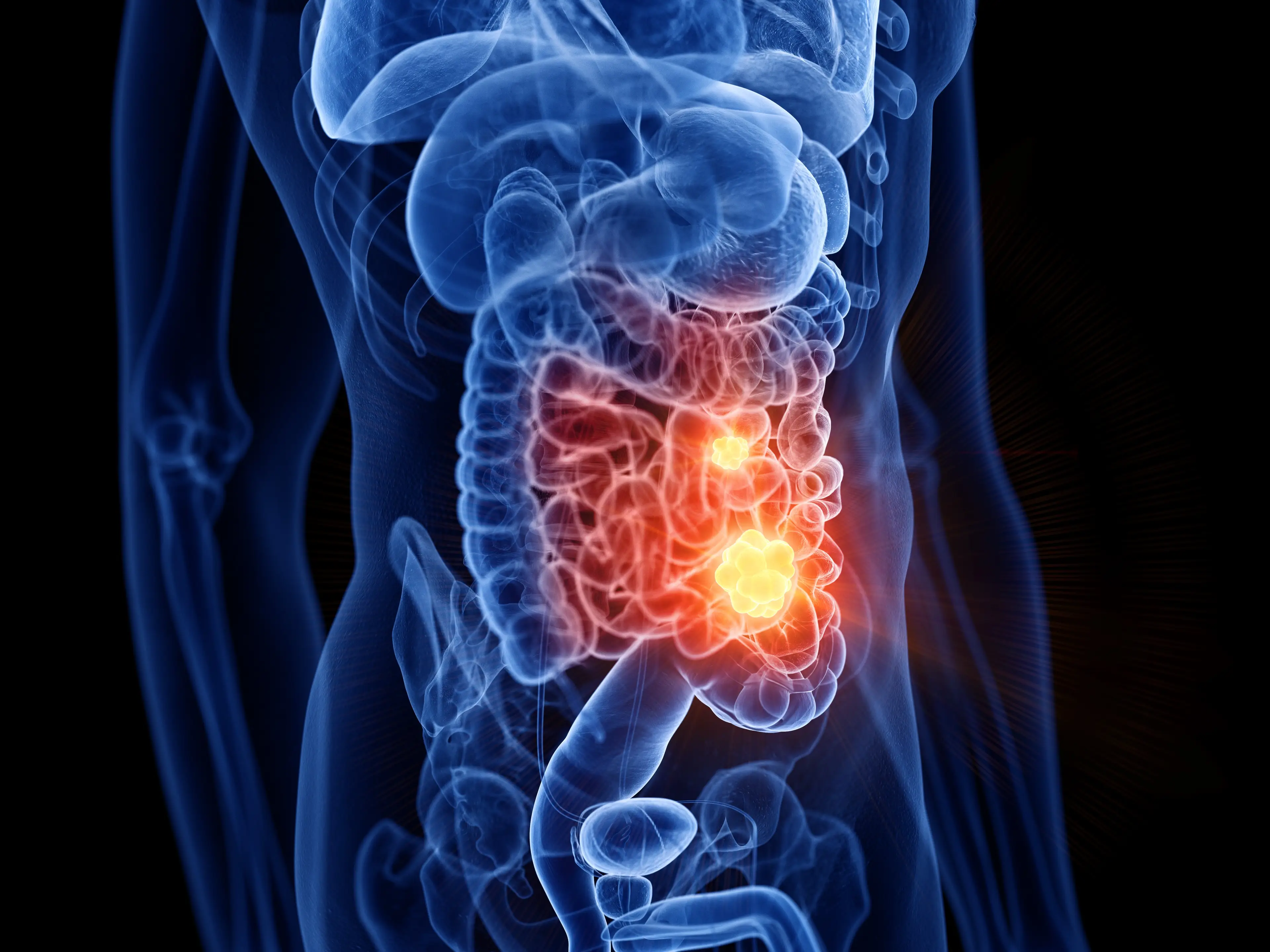
The new scientific research suggests that those who have a diet high in foods like these are at a significantly higher risk of developing a growth in the bowel called an adenoma.
These growths are a type of polyp and are not cancerous, but they can develop into cancer over a long period of time and most bowel cancers develop from an adenoma.
It comes at a time when researchers have been trying to discover the reason behind a rise in bowel cancer cases among younger adults.
According to Cancer Research UK (CRUK), incidence rates of bowel cancer among people aged 25-49 have increased by 62 percent since the early 1990s.

The new study examined information on thousands of nurses in the US who were tracked from 1991 - 2015, and information on UPF intake was gathered using food surveys taken every four years.
Researchers studied 29,105 women with an average age of 45, and among these women, 1,189 cases of early-onset adenomas were identified, according to the study, which was funded by Cancer Grand Challenges - a global research initiative founded by Cancer Research UK and the National Cancer Institute in the US.
It concluded that those with the highest consumption of UPFs were 45 percent more likely to have these early-onset adenomas, compared to those with the lowest consumption of UPFs.
Those who ate the highest proportion of UPFs ate around 9.9 portions a day.
To give an example, Cancer Research UK said a typical diet of this many servings of UPFs could include: one bowl of sweetened breakfast cereal, one slice of white toast with margarine or jam, a flavoured yoghurt cup or breakfast bar for breakfast; a pre-packaged supermarket sandwich, a packet of crisps and a can of coke or flavoured drink for lunch; a frozen pizza or oven chips and chicken nuggets with ketchup and mayonnaise for supper, and an evening treat of ice cream or biscuits.

The authors wrote: "These data highlight the important role of UPFs in early-onset colorectal tumorigenesis and support improving dietary quality as a strategy to mitigate the increasing burden of early-onset colorectal cancer."
Dr Andrew Chan, lead author of the study, from Harvard Medical School and Massachusetts General Hospital in the US, added: "We’re seeing more cases of bowel cancer in younger adults, and we still don’t understand why.
"Our research is exploring possible factors such as diet, lack of exercise and disruption to the gut microbiome, which may all play a role.
"Our study suggests these foods could be linked to a higher risk of developing polyps. However, more research is needed to confirm this link.
"This means looking at larger and more diverse groups of people and investigating how the body responds to these foods to understand their role in early changes in the bowel."
Topics: Bowel cancer, Women's Health, Health, News, Life, Cancer
 Madison Burgess