
'Low-vibrational' boyfriends explained as new term gains popularity

I don't know about you, but I've seen the term 'low-vibrational' all over social media recently, especially among Gen Z circles.
And whether it's people describing their partners or their friends, it's rarely in a positive way - but what does it actually mean, and is it actually a bad thing?
One Twitter user penned: "Do you ever wake up and realise you no longer want to be someone’s friend…. not out of conflict, but because they’re low vibrational and they’re not growing in life."
While someone else brutally took aim at Hilary Duff's husband, Matthew Koma, after he publicly hit back at Ashley Tisdale amid the whole 'toxic mom group' drama.
Advert
They simply wrote: "This is low vibrational husband behaviour," with the tweet racking up more than 3,000 likes.
Someone else desperately penned on Quora: "I love my boyfriend but he’s a very low vibrational person and make poor decisions most of the time. I don’t want to be with him anymore. How should I tell him?"
Beyond that, the term has been used more loosely in the most random of contexts, with social media users writing: "Hate when someone replies with a low vibrational gif and ruins your whole vibe" and "Being married before 30 is low vibrational."
So, what exactly is a 'low-vibrational boyfriend,' or person, for that matter?
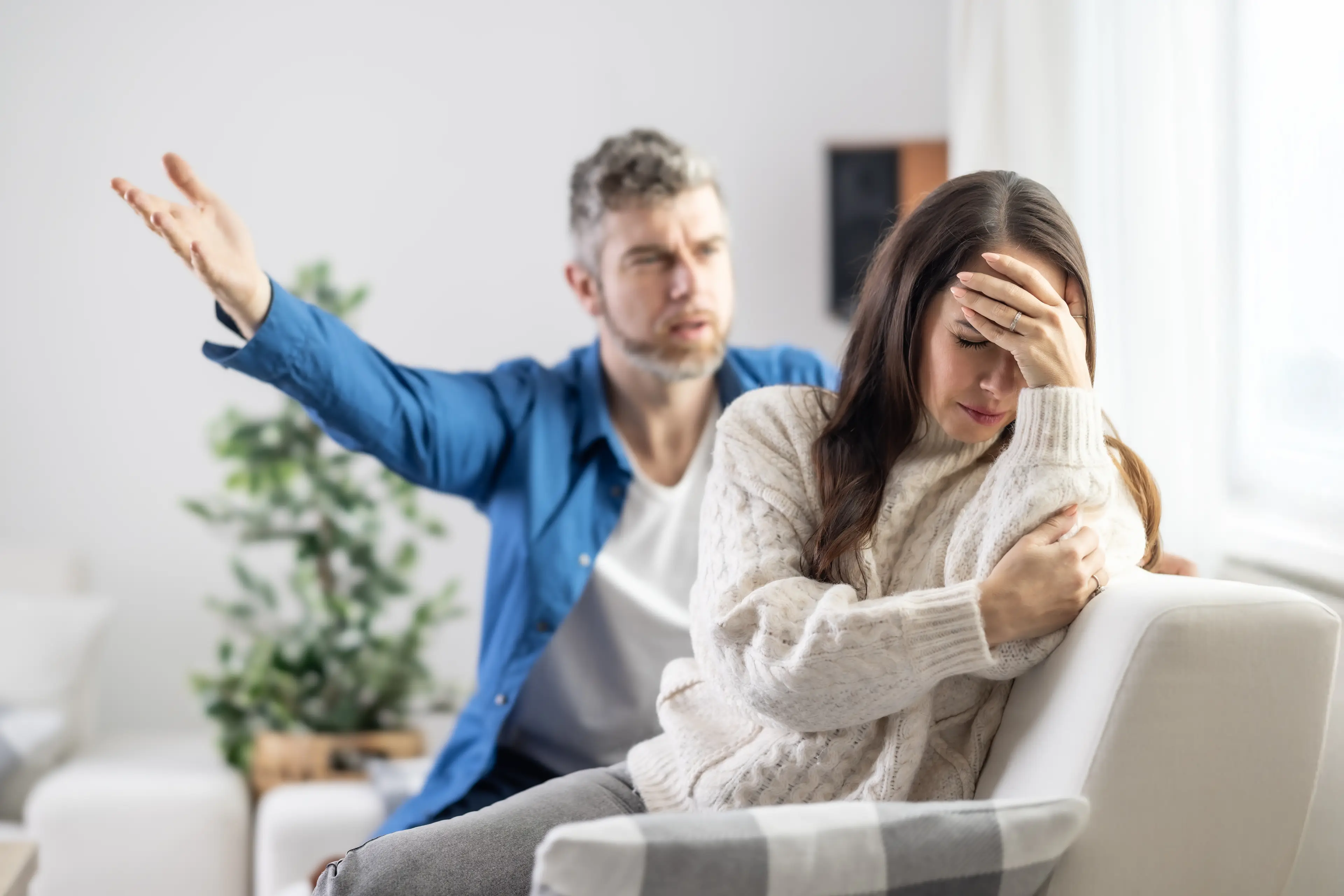
Well, as per Medium, every thought, body, matter, belief, and emotion is a form of energy and everything vibrates at either high or low frequency.
Low vibration, which by the way is not scientifically backed, is essentially a spiritual energy frequency associated with negative emotions.
So you might be considered as 'low-vibrational' if you're glass-half empty kind of person who's outwardly negative a lot of the time, which seems a little bit mean to be honest as you may simply be going through a hard time.
Breaking the trend down, Gemma Logan, a wedding and relationship expert at Book a Party, told Tyla: "As a relationship expert, I see the term low vibrational popping up everywhere right now, especially online, and it’s doing a lot of emotional heavy lifting.
"At its core, low vibrational is borrowed from spiritual and self-help language and is meant to describe a person who feels stuck in negative patterns."
She explained that this might look like 'chronic pessimism, poor decision making, lack of self awareness, emotional immaturity or a tendency to blame the world rather than take responsibility'.
The expert explained that it’s 'less about someone having a bad week and more about a consistent way of being that feels draining to those around them'.
"What’s interesting is why the term is gaining traction now. Many people are becoming more psychologically literate and more protective of their energy, boundaries and emotional wellbeing," Gemma explained.
She added: "Instead of saying someone is toxic or unhealthy, low vibrational can sound softer, more spiritual and less confrontational. It allows people to explain why a relationship feels off without needing a clinical label or a dramatic fallout.
"There’s also a social media influence at play. Short, catchy phrases travel faster than nuanced explanations, and low vibrational neatly packages a complex emotional experience into two words."
However, as expected, the expert has warned how here’s a risk in how the term is used and it can veer into being too judgemental, and as I said, just a bit mean.

Gemma explained: "It can quietly slide into judgement or emotional superiority, where one person positions themselves as evolved and the other as beneath them.
"Relationships rarely thrive when one partner feels assessed rather than understood. Someone labelled low vibrational may actually be struggling with stress, unresolved trauma or low self-esteem rather than choosing to be negative."
She advised that a healthier way to use the concept is 'as a mirror, not a weapon,' so if someone’s energy consistently brings you down, it’s valid to 'acknowledge that mismatch and make choices that protect your wellbeing'.
"The key question isn’t whether someone is low vibrational, but whether the relationship allows both people to grow. Chemistry, values and emotional effort still matter more than buzzwords, no matter how trendy they become," the expert affirmed.
Topics: Gen Z, Mental Health, Dating trends, Dating, Sex and Relationships, Social Media, Life, Real Life, Explained, Tyla Exclusive
 Madison Burgess