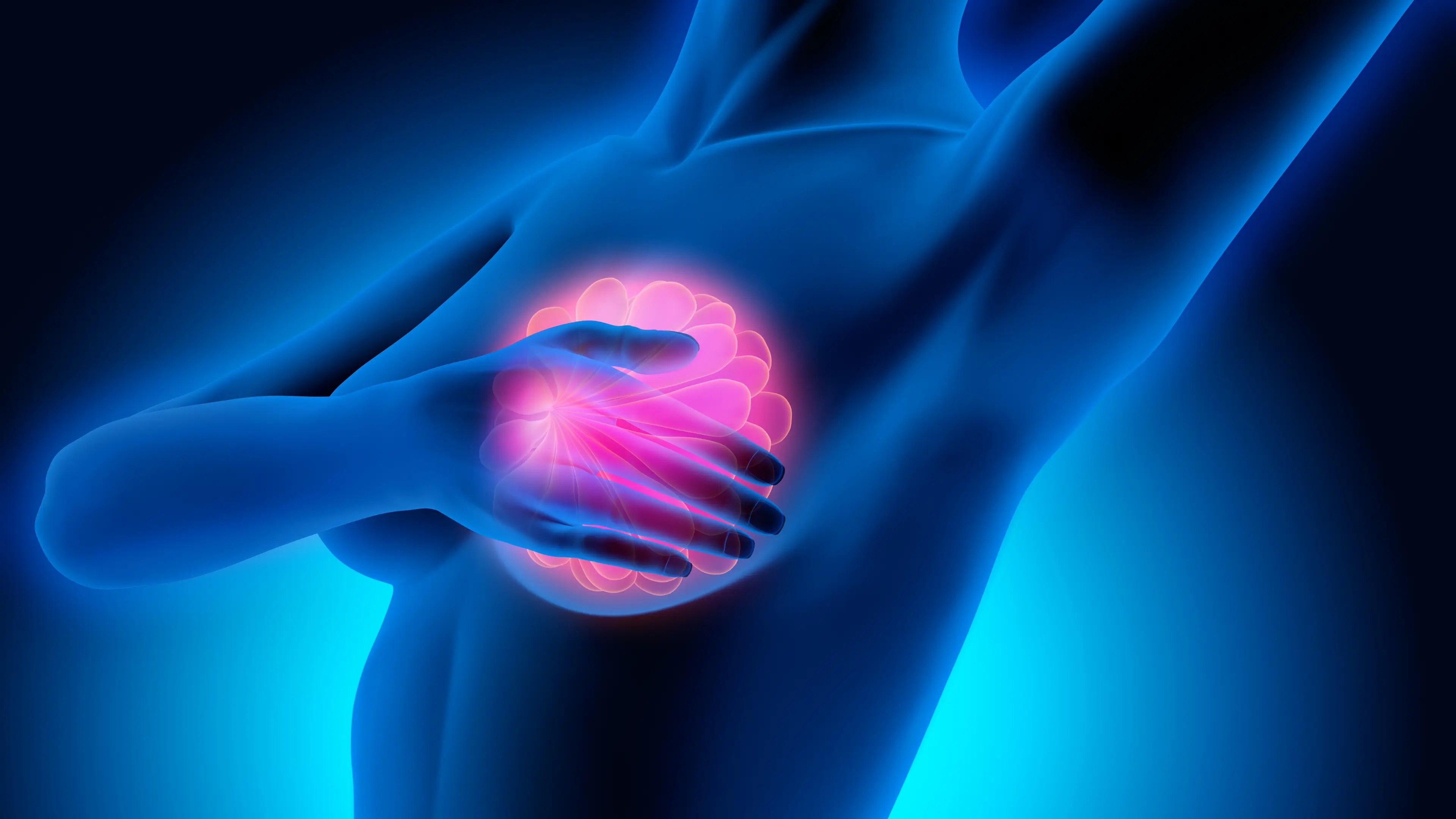
'Sad nipple syndrome' explained as Gen Z women's claims go viral

There's quite a lot of online discourse cropping up on social media all to do with what's been coined as 'sad nipple syndrome'.
Now, every woman out there will no doubt know just how frustrating it is for women's health issues to be severely under-studied, with endometriosis, PMDD and PCOS as some major key examples.
So, it's no surprise that many of us flock to the internet when our doctors and other medical professionals are unable to diagnose our various symptoms to share our experiences in the hopes that fellow women will come to the rescue and share their bodily wisdom, women's health advice and tried-and-tested remedies to help dissipate a problem.
And 'sad nipple syndrome' is a perfect example of such a phenomenon, as millions of Gen Z women have rushed to their corners of the internet to open up about what it is and why it even happens in the first place.
Advert
One TikToker, whose handle is @dumbcrapidiot, took to the platform to share a text post which read: "When I graze my nipple and get a feeling of deep and unexplainable overwhelming sadness and guilt."

It's far from a niche problem, too, given that thousands upon thousands of women rushed to the video's comments, which boast. over 6.8 million views, to sharehat they 'weren't the only one' who felt that way.
And that's just one of the many videos on the app discussing the matter!
Many women in the comments were also keen on finding out the 'science' behind the feeling - given that there's barely any official info out there on the subject, hence why we reached out to a doctor to get their insights on the clearly very relatable experience.
Dr Susanna Unsworth, INTIMINA’s intimate health care expert, exclusively told Tyla: "This is not a phenomenon that I have previously encountered in clinical practice, so it has been really interesting to see how many women describe having similar experiences once the conversation has opened up."
She explained that 'sad nipple syndrome' appears to be a term that has 'emerged largely online rather than through medical research', noting: "Women describe a sudden emotional shift triggered by nipple stimulation, often characterised by feelings of sadness, anxiety, guilt, homesickness, or a sense of dread or impending doom.
"The emotional response can feel intense but is usually brief, settling once the stimulation stops."
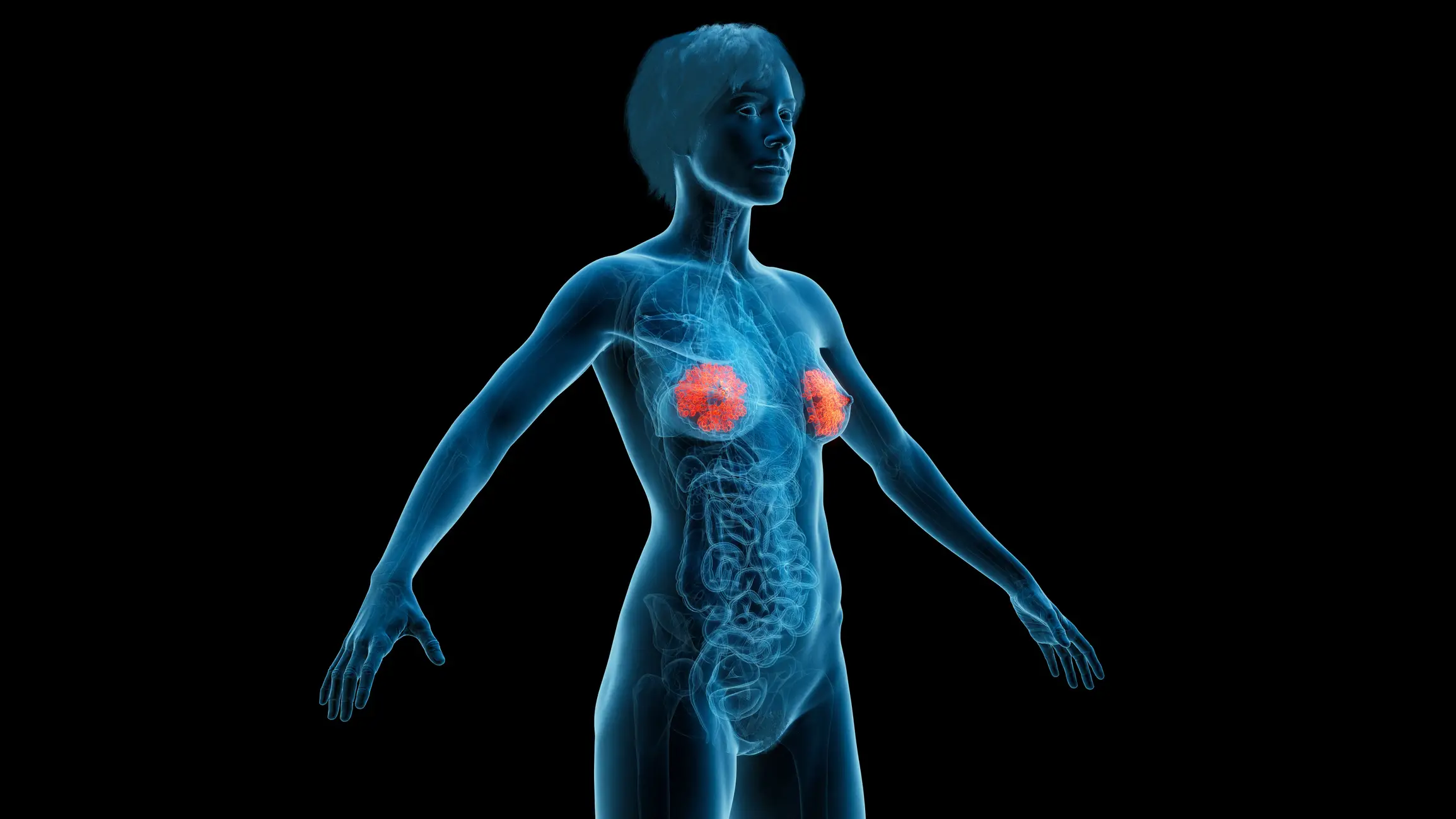
Dr Susanna adds that, from a medical perspective, this has not been formally studied, so we do not have a clear definition or an agreed-upon explanation.
"However, after looking into it, there does seem to be a possible overlap with a recognised lactation-related condition called Dysphoric Milk Ejection Reflex (D-MER)," she tells us. "In D-MER, some breastfeeding women experience a short-lived but profound sense of unhappiness or emotional discomfort at the point of milk let-down.
"Unlike 'sad nipple syndrome', D-MER has been described in medical journals, although it is still poorly understood and often under-recognised."
According to the expert, the leading theories around D-MER focus on neurohormonal changes, particularly rapid shifts in dopamine, alongside prolactin and oxytocin.
"Nipple and breast stimulation are known to affect oxytocin levels, so it is biologically plausible that similar mechanisms could contribute to these emotional responses in some non-lactating individuals too," Dr Susanna continues.
"That said, this remains speculative, and we do not yet know why some people experience these feelings while others do not."

The doctor outlines that there may also be psychosocial factors at play.
She explains: "Hormonal changes do not occur in isolation, and context, stress levels, past experiences and individual brain sensitivity likely influence how these signals are interpreted.
"We see similar variability in conditions such as PMS or PMDD, where hormone levels may be normal but emotional responses differ significantly between individuals."
While there is currently no specific treatment that Dr Susanna is aware of, she does emphasise that reassurance is important, as many people worry that something is wrong with them. "Practical steps can include identifying triggers (such as certain clothing), minimising unwanted stimulation, and using relaxation or mindfulness techniques," she offers.
"If symptoms are distressing, psychological therapies such as CBT may be helpful."
The expert concluded: "Ultimately, this is an area that highlights how much more research is needed into women’s hormonal and neurobiological experiences."
A tale as old as time!
Topics: Explained, Gen Z, Health, Life, Sex and Relationships, Social Media, TikTok, Women's Health, Mental Health
 Rhiannon Ingle