
Everything that happens to your body if you binge drink over Christmas

Between them, the weeks that make up Christmas and New Year are widely considered the booziest of the year.
Time after time, people find themselves plied with free pints at their annual office party, bestowed with bottles of brandy from their clueless 'Secret Santas', and knocking back a Bucks Fizz - or ten - when the big day finally rolls around.
And that's aside from counting down to the 25th on Christmas Eve with a mulled wine in hand, or drunkenly ringing in the New Year, p**sed at the pub.
The tricky thing is that guidelines on alcohol recommend that both men and women only consume a maximum of 14 units a week for drinking to be considered 'low risk'.
Advert
For reference, that's only roughly six pints of average-strength (4%) beer, six medium (175ml) glasses of 13% wine, or twelve 25ml measures of 40% spirits like vodka or gin, spread across at least three non-consecutive days.

Once again, experts are raising awareness of the dangers of binge drinking to such extremes - even if it is 'in the name of Jesus'.
"Many people do not realise that alcohol is a powerful drug and we need to be careful how we use it," Public Health Agency's Michael Owen previously explained. "Drinking too much has a negative impact on you and those around you."
Tissue damage, alcoholic hepatitis and cirrhosis
According to the National Institute of Alcohol Abuse and Alcoholism (NIAA), binge drinking has been observed to damage virtually all tissues in the body.
If this tissue damage affects the liver specifically, this can result in alcoholic hepatitis.
The condition essentially describes the extreme inflammation of this vital organ and the destruction of liver cells, while it produces toxic substances in a bid to break down alcohol.
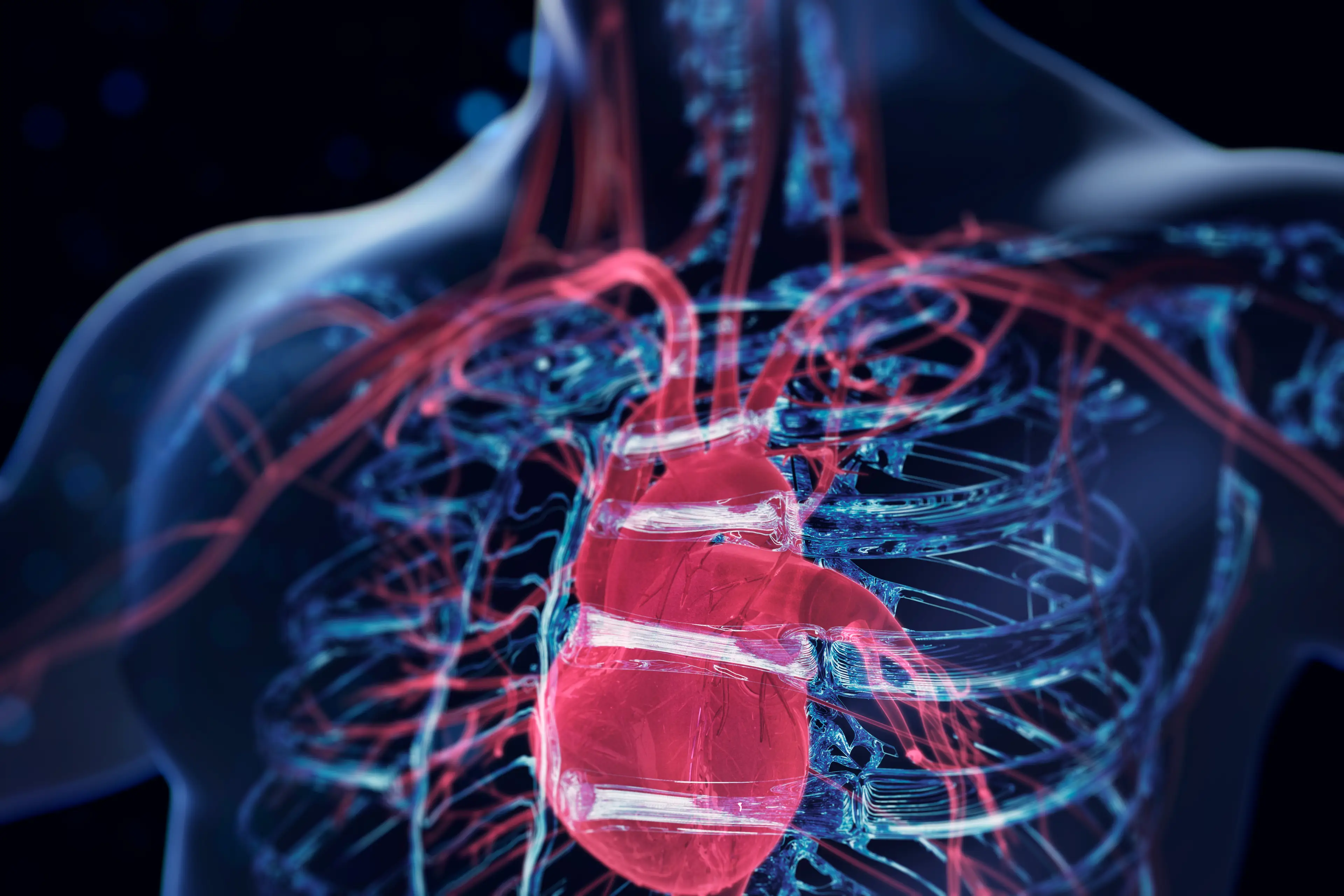
When this happens, the body's immune system tries to help - but frustratingly, this response in itself can cause even more inflammation and damage.
On top of this, binge drinking also weakens the lining of the gut, which allows bacteria and their toxins to enter the liver from the digestive tract, again, intensifying the damage to the liver. And fourthly, excessive boozing triggers fat buildup in this area.
All of these could cause a person to develop a condition called metabolic dysfunction and alcohol-associated liver disease, as well as alcoholic hepatitis, caused by jaundice - again, a liver issue - which sees the tissues around this organ die off.
This can cause scarring, or cirrhosis - the most advanced stage of alcohol-related liver disease - which prevents the organ from working properly and cannot be reversed.
Cancer risks and brain damage
While alcohol affects almost every tissue in the body, the NIAA notes that, with time, repeated binge drinking and ongoing misuse drive liver disease and other chronic conditions, and raise the risk of a number of cancers.
According to Cancer Research UK, drinking alcohol can cause seven different types of cancer, including those of the head and neck, oesophagus, liver, breast and colon.
While drinking alcohol doesn’t mean that you’ll definitely get cancer, the risk is higher the more alcohol you drink.
There are many ways that alcohol can cause cancer, but some of the main ways include: damage to cells, changes to hormones and changes to cells in the mouth and throat.
People might talk about some alcoholic drinks being better or worse for you than others, but all types of alcohol increase the risk of cancer, as it’s the alcohol itself that causes damage, even in small amounts.
So the more you can cut down on alcohol, the more you can reduce your risk of cancer.
Mixing with meds
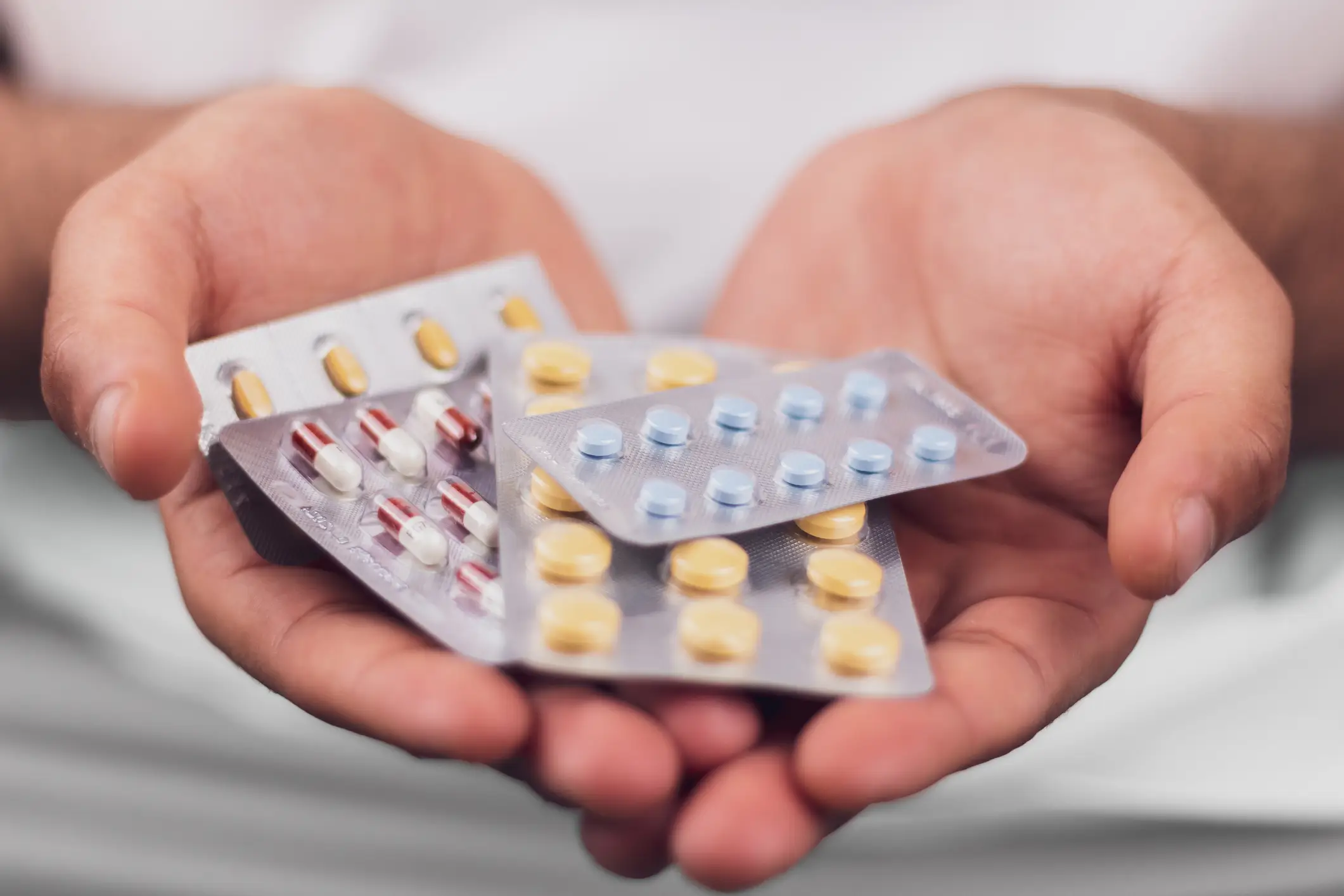
"Something that many people don’t realise is the serious impact that mixing alcohol with other drugs, including prescription medication, can have," Owens continued, adding that binge drinking over Christmas could increase the toxicity of the drug in question.
In the worst-case scenarios, he added, this 'can even result in death'.
"For example, mixing alcohol and cocaine is a toxic mix and could cause your heart to stop. The safest advice is to not take any other drug along with alcohol, or mix any other drugs at all, if you are planning on using them."
Emotional impact
By now, I'm sure we're all familiar with the concept of 'hangxiety'.
You know... Waking up after a night on the town with a crippling fear of what went down the evening before? Yeah, we've all been there.
"Alcohol can also have a major impact on your emotional well-being," Owens explained. "Being hungover can make you feel anxious and low. Some people may already feel down over Christmas, and drinking can make this worse."
Your binge drinking behaviour might also negatively affect your relationship with others - especially if they're always on the receiving end of your drunken rants, or get ditched on a night out.
"It is therefore important that people understand their drinking behaviour and look at their relationship with alcohol, whether it’s a positive or negative one, so that they can enjoy the Christmas holiday," Owens advised.

Lower inhibitions
It might not impact your body directly, but booze is notorious for impairing a person's awareness, providing them with false confidence, and even lowering their inhibitions.
Many of us could feel emboldened enough to do things we mightn't normally do when under the influence.
And while this could be considered a good thing - like giving you the boost to ask a cute boy for his phone number, or ask your office crush on a date - it could also result in regretful decisions that have the potential to land you in jail.
You know, things like kickstarting a bar fight or public disorder.
There's also the heightened risk of engaging in unsafe sexual behaviour while under the influence, which could result in the spreading of sexually transmitted infections and unintentional pregnancy.
Dangerous decisions
On top of that, a false sense of confidence could also result in physical injury. I mean, think about it, how many p*ssheads have you witnessed falling off the table they were dancing on? Or walking along a wall, only to tumble off the back?
And for those celebrating the holiday season somewhere sunny, there might be the temptation to go for a swim following a tipple, which could result in deadly consequences.
"Drinking too much can cause accidents," Owen went on to emphasise. "Which might need hospital treatment. Help protect the health service and yourself by doing all you can to avoid unnecessary problems with alcohol."
Please drink responsibly. If you want to discuss any issues relating to alcohol in confidence, contact Drinkline on 0300 123 1110, 9am–8pm weekdays and 11am–4pm weekends for advice and support.
Topics: Health, News, Christmas, NHS, Alcohol, Food and Drink, Advice, Life, Explained, Cancer
 Rhianna Benson