How to know if you have this disorder which affects 3/100 people in the UK

If winter leaves you feeling more exhausted, withdrawn and low than usual, it might be more than simply hating the dark mornings.
Seasonal affective disorder, or SAD, is a type of depression that follows a seasonal pattern, usually appearing during autumn and winter and easing in spring.
According to the Royal College of Psychiatrists, around three in every 100 people in the UK have significant winter depression, but it's important to note that estimates do vary.
What are the symptoms of SAD?
The symptoms can look a lot like depression, but the seasonal pattern is the key difference.
According to the NHS, you might experience a persistent low mood, lose interest in things you normally enjoy, feel hopeless or worthless, become irritable, struggle to concentrate or feel unusually tired.
Advert
You may also sleep for longer than usual, find mornings particularly difficult and feel hungrier, sometimes craving carbohydrates more than usual.
So, what actually causes it?
The exact cause of SAD isn't fully understood, but the NHS says reduced daylight appears to play an important role.
One theory is that less sunlight affects the hypothalamus, an area of the brain involved in regulating several important body processes.
This can affect melatonin, the hormone that helps control sleep, and serotonin, which plays a role in mood, appetite and sleep.
Reduced daylight can also disrupt your circadian rhythm, essentially your body's internal clock.
So if your body clock feels completely out of whack once the clocks go back, there may be more going on than a strong dislike of 4 pm sunsets.
How is SAD treated?
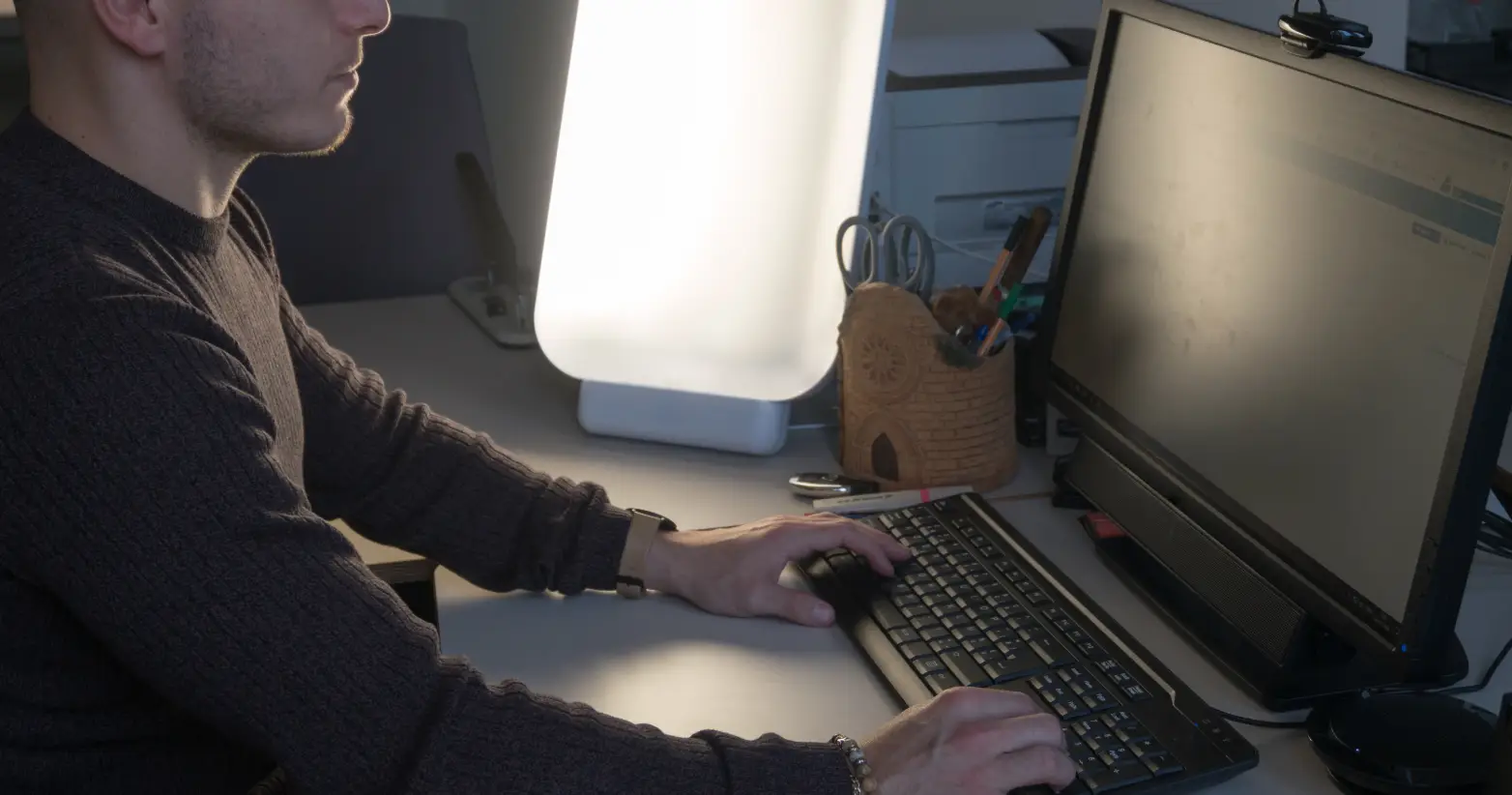
Treatment can include talking therapies such as cognitive behavioural therapy (CBT), antidepressants and light therapy. Your GP can help decide which option is appropriate based on your symptoms.
Harvard Health explains: "If lack of sunlight causes or contributes to seasonal affective disorder, then getting more light may reverse it. Bright light works by stimulating cells in the retina that connect to the hypothalamus, a part of the brain that helps control circadian rhythms. Activating the hypothalamus at a certain time every day can restore a normal circadian rhythm and thus banish seasonal symptoms.
"Light therapy entails sitting close to a special 'light box' for 30 minutes a day, usually as soon after waking up as possible. These boxes provide 10,000 lux ('lux' is a measure of light intensity). That's about 100 times brighter than usual indoor lighting; a bright sunny day is 50,000 lux or more. You need to have your eyes open, but don't look at the light. Many people use the time to read a newspaper, book, or magazine, or catch up on work.
"Although light therapy is at least as effective as antidepressant medications for treating seasonal affective disorder, it doesn't work or isn't appropriate for everyone. Some people need more light, or brighter light. Others can't tolerate bright light—in people with bipolar disorder, for example, it can trigger hypomania or mania. And even though the risk of eye damage from bright light is low, anyone with diabetes (which can damage the retina) or pre-existing eye disease should check with a doctor before trying light therapy."
The NHS also recommends getting as much natural daylight as possible, exercising regularly, keeping in contact with friends and family, maintaining your usual activities and sticking to regular sleep and wake times.
When should you see a doctor?
Speak to your GP if you think you might have SAD, particularly if your symptoms are affecting everyday life or you're struggling to cope.
A GP can ask about your mood and whether your symptoms follow a seasonal pattern.
SAD may be diagnosed when depression symptoms occur at a particular time of year for two years or longer.
If you're experiencing thoughts of suicide or self-harm, seek urgent mental health support rather than waiting for a routine appointment.
Shop our top pick of SAD lamps below:
- Light Therapy Lamp, £33.99 (https://www.amazon.co.uk/Light-Therapy-Lamp-UV-Free-Office/dp/B0GYDSJYLT/?tag=tyla-08-21 )
- Lumie Slim Light Therapy Box, £62.99 (https://www.amazon.co.uk/Lumie-Vitamin-Light-Effective-Therapy/dp/B073P2WNDS/?tag=tyla-08-21 )
- Lumie Task, £279 (https://www.amazon.co.uk/Lumie-Adjustable-Illumination-Improved-Charcoal/dp/B0CB45R4YS/?tag=tyla-08-21)
- Lumie Halo Lamp, £219 (https://go.skimresources.com?id=144000X1608962&xs=1&url=https%3A%2F%2Fwww.lumie.com%2Fproducts%2Fhalo&xcust=Tyla-84 )
If you're experiencing distressing thoughts and feelings, the Campaign Against Living Miserably (CALM) is there to support you. They're open from 5pm–midnight, 365 days a year. Their national number is 0800 58 58 58 and they also have a webchat service if you're not comfortable talking on the phone.
Topics: Mental Health, Health, Life, Weather, UK News
 Rhiannon Ingle