
Reason why you might suddenly be feeling so low this weekend

If you've woken up this weekend feeling weirdly... sad, despite having absolutely no reason to be, believe me, you're not alone.
There's no single obvious reason for it.
Maybe you've had a great summer - enjoyed a couple of holidays, cooked through a handful of heatwaves, spent time in beer gardens with friends, relished the longer, lighter evenings - and yet, suddenly, you're feeling flat.
But why? It's probably to do with Monday 31 August marking the final summer bank holiday.
Advert
And while you might assume it's simply because the weather is changing, the nights are getting shorter and summer is slowly slipping away, there's actually a lot more going on psychologically.
Summer is ending while September is coming thick and fast - and with it comes a whole lot of life admin, expectations and pressure.

According to one doctor, the final bank holiday of summer can be a surprisingly significant moment
It's the end of freedom, apparently
"When spring starts, there’s a general optimism in the air," Dr Nikki Ramskill, GP and founder of The Female Health Doctor, told Tyla. "The days are getting longer, and we know that summer is coming.
"Likewise, there’s something quite psychologically significant about the final bank holiday of summer, except this time it’s going in the other direction. It can literally feel like the end of freedom and fun, giving way to normal routines, darker, colder days and autumn pressures."
And she's right. There definitely is something about the final long weekend of summer that feels like a deadline. Suddenly, September isn't some distant month on the calendar, it's here.
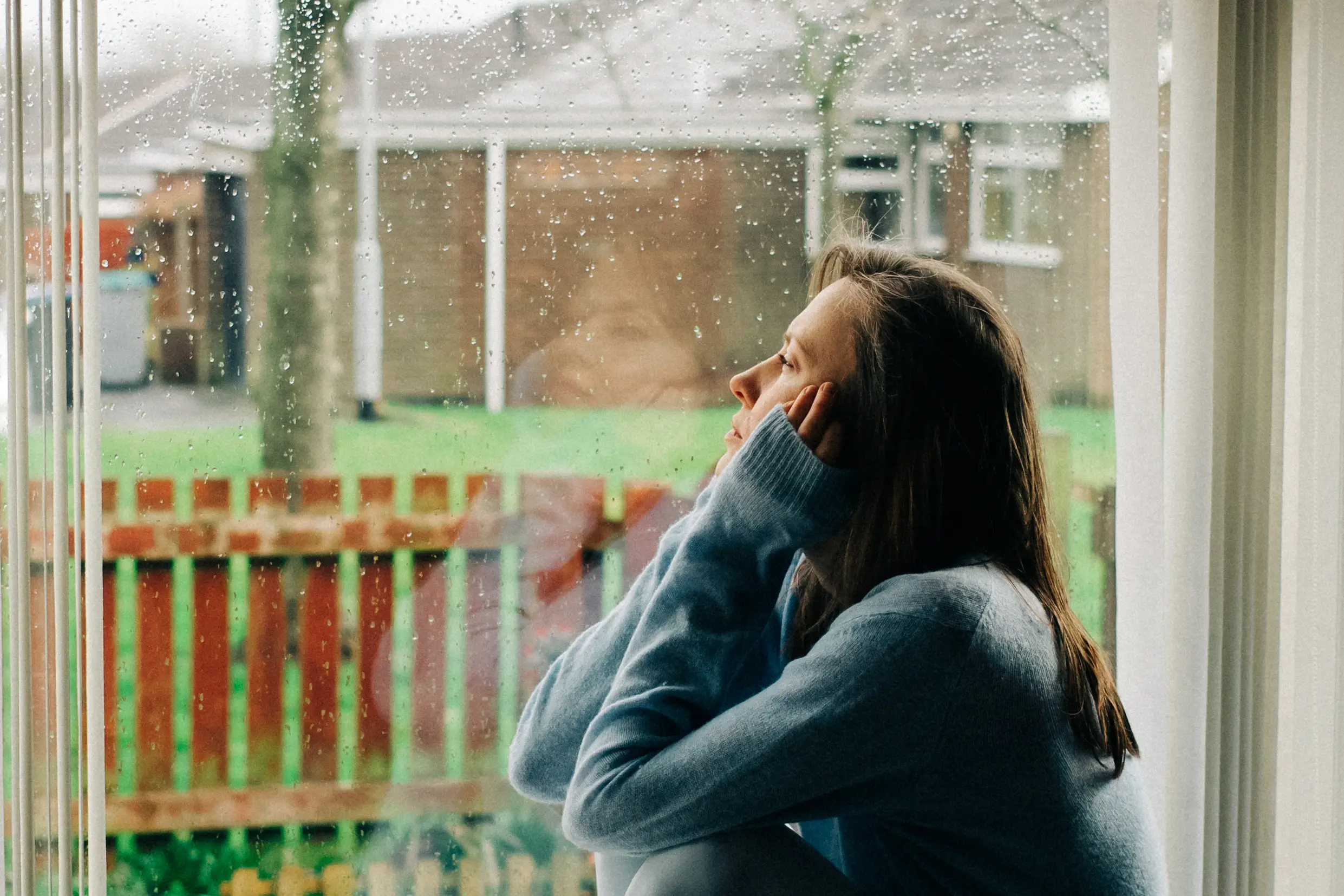
The slower mornings, late evenings and spontaneous plans are about to be replaced by alarms, packed schedules and the general business of daily life.
That isn't to say that the changing of the seasons don't have an impact, though.
It's not just the weather
"By late August, the days are already noticeably shortening, and that change in daylight can affect our body clock, sleep and, in some people, mood," Dr Ramskill continued, pointing out that this doesn't mean that everyone suddenly has seasonal affective disorder.
"But it is completely plausible to notice a subtle shift in how you feel as the seasons begin to change," she added.
So, yes, the grey skies might be contributing, but maybe the bigger problem is everything we associate with autumn.
September is when the pressure starts
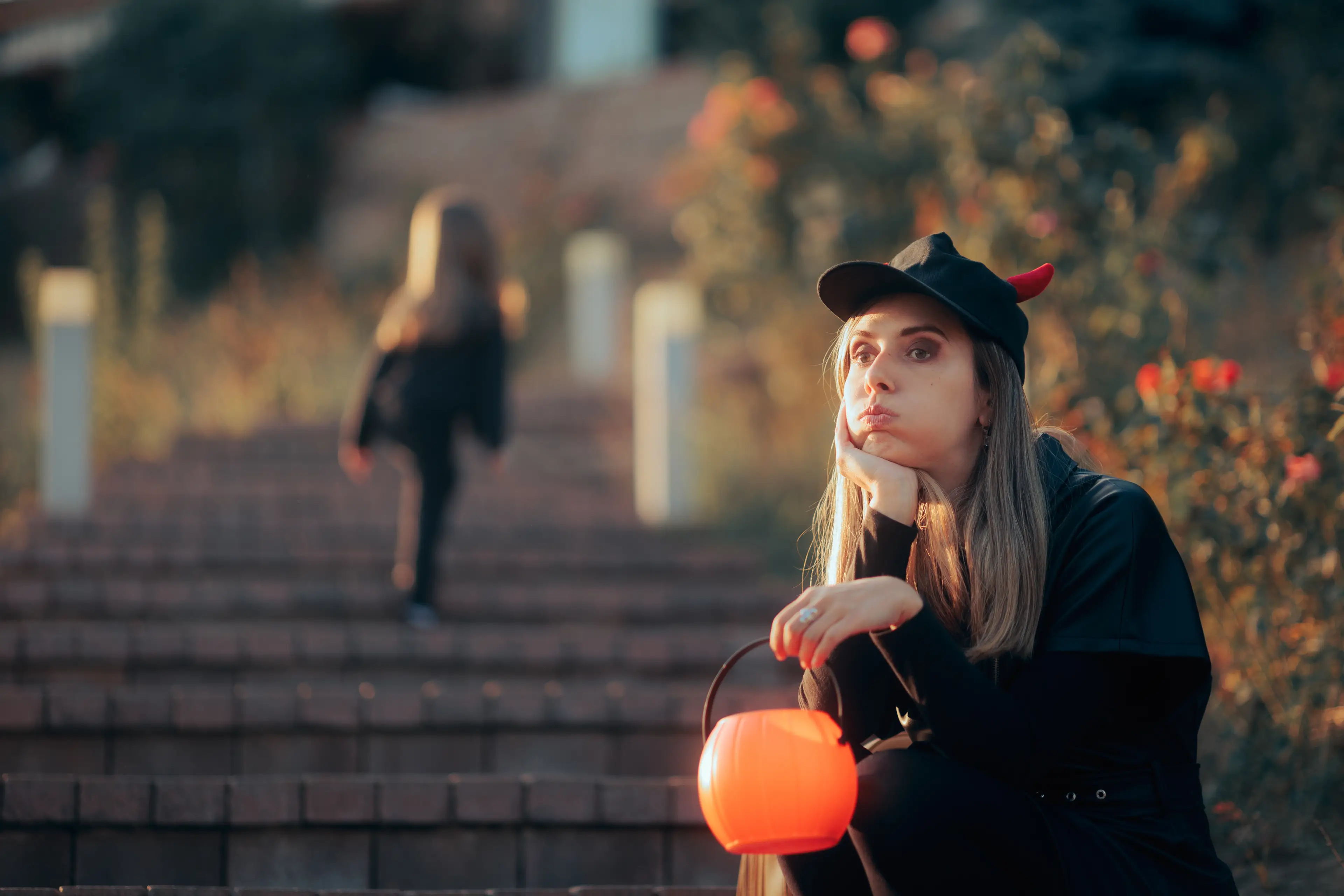
Think ahead to the next four months. Halloween is suddenly on the horizon, then there's Bonfire Night, then Christmas, then New Year, and before you know it, we're already enduring 2027.
It's a period of the year plagued by parties, presents, costumes, nights out, family gatherings, travel and social plans, and the expectation that every single one should somehow be special.
And this 'specialness' isn't exactly cheap.
We're expected to buy Halloween costumes, decorations and sweets, pay for fireworks or nights out, start thinking about Christmas presents, organise festive get-togethers, sorting work secret Santa, book traveling home, forking out deposits for NYE and somehow make it all magical for all invited.
It often feels as though the calendar itself is slowly emptying our bank account.
And if you've got kids, finances are the least of your worries

For many mums and dads, the return to routine can be even more intense than a summer on-hand with the little ones.
Dr Ramskill explained: "For parents in particular, this weekend can feel hectic. You only have to see the queue in Clarks shoes to get an idea.
"The kids are feral from the lack of routine over the last 6 weeks, and definitely need to return to school, but that also means getting uniforms, childcare, clubs, packed lunches and family routines organised again. It’s a lot, especially if work starts to ramp up again."
It's not necessarily just about the faff of buying a new pair of school shoes.
Your child could be starting school for the first time, preparing for their first day at secondary school, moving to a new school, attending open days or preparing to leave home and start university.
Those are humungous milestones - and sure, they're super exciting, but they're also emotional, expensive and stressful.

And while you're busy worrying about whether they've got everything they need, you might also be trying to work out what this next stage means for you.
Existential crises are usually reserved for January, often referred to as the 'January blues'.
But according to Dr Ramskill, the end of summer also inflicts an unnerving worry that something isn't right.
An existential point in the year
September has a way of making us take stock of our own lives. Everyone seems to be starting something - uni, a new job - or buying a new house, or getting married, starting a course, launching a business.
And if you're not undergoing some kind of major life change, you can start to wonder whether you're falling behind.
You ask yourself questions like, 'Why does everyone else seem to have a plan?', and 'What am I doing?', and 'Am I standing still?'
It's a slightly ridiculous pressure, because there is absolutely no rule saying that September has to be the month you reinvent yourself.
But that doesn't mean the feeling isn't real.
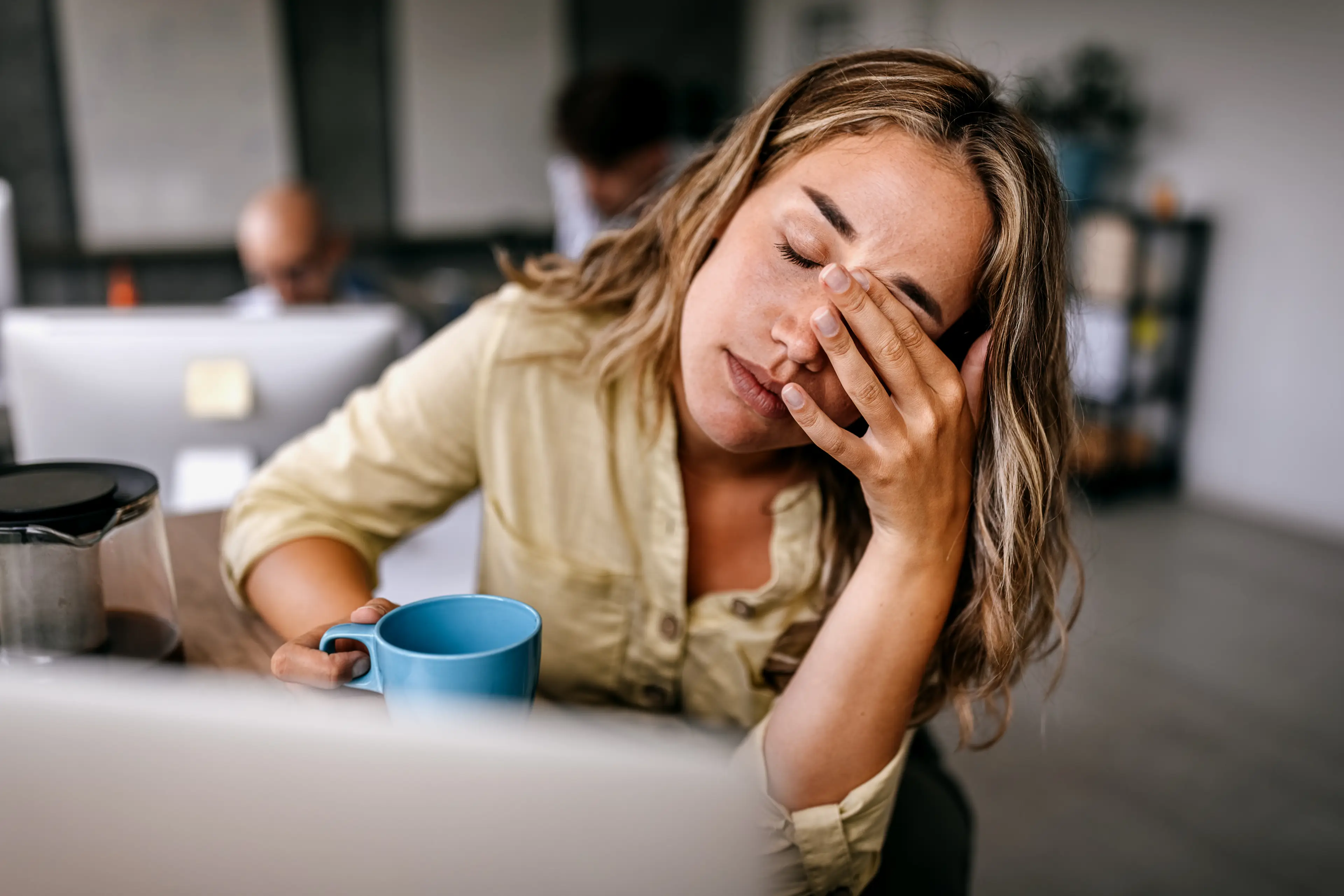
Then there's the summer comedown
There is also the simple fact that summer has probably given you quite a lot to look forward to.
"There can also be a bit of a psychological comedown after something we’ve been looking forward to," Dr Ramskill noted.
"If you’ve spent months thinking about summer holidays, lighter evenings and time off, reaching the final bank holiday can create a sense that the fun is over and it’s now a long stretch until the next break."
And that can hit harder than you'd expect, especially if you've spent months looking forward to your holiday, or you've been making plans around the longer evenings.
Now, you're suddenly looking at the calendar and realising that the next big pause is a long way away.
Women in their 40 and 50s might feel it differently
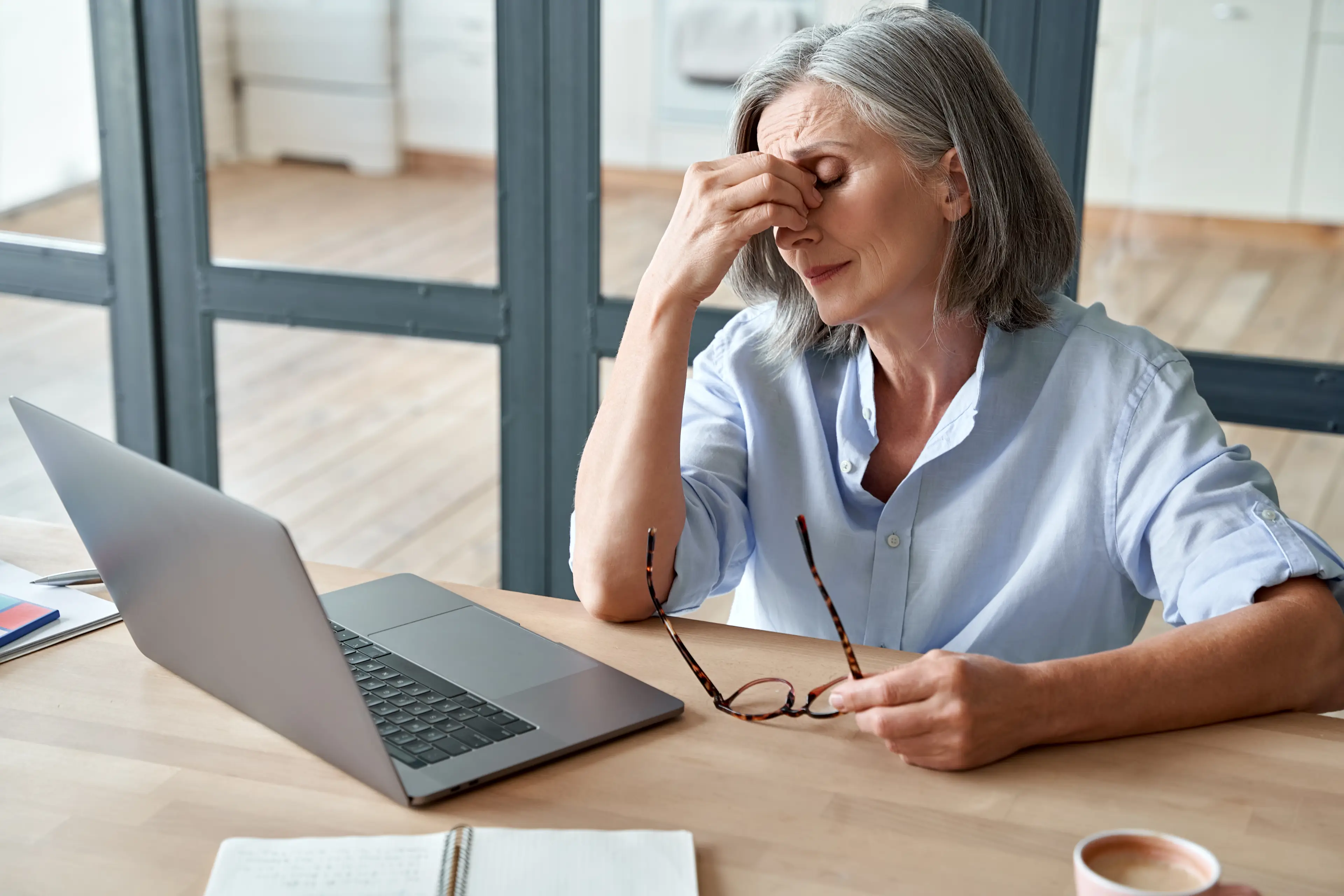
For ladies going through the menopause, the stresses that come with September can feel heightened.
"Perimenopause can affect sleep, mood, anxiety and our ability to cope with stress, so returning to a packed routine after the summer can sometimes expose symptoms that felt more manageable when life was a little slower," the medic explained.
"It can leave women wondering, 'Why am I suddenly struggling when I was fine a few weeks ago?'.
So if you're suddenly feeling more anxious, emotional or overwhelmed, it might not be as simple as needing to get used to the darker evenings.
So, what can we do about it?
Firstly, don't put pressure on yourself to have the perfect final bank holiday weekend.
"My advice would be not to put enormous pressure on yourself to 'make the most' of the bank holiday, but you do you if that’s how you want to celebrate it!" Dr Ramskill urged.
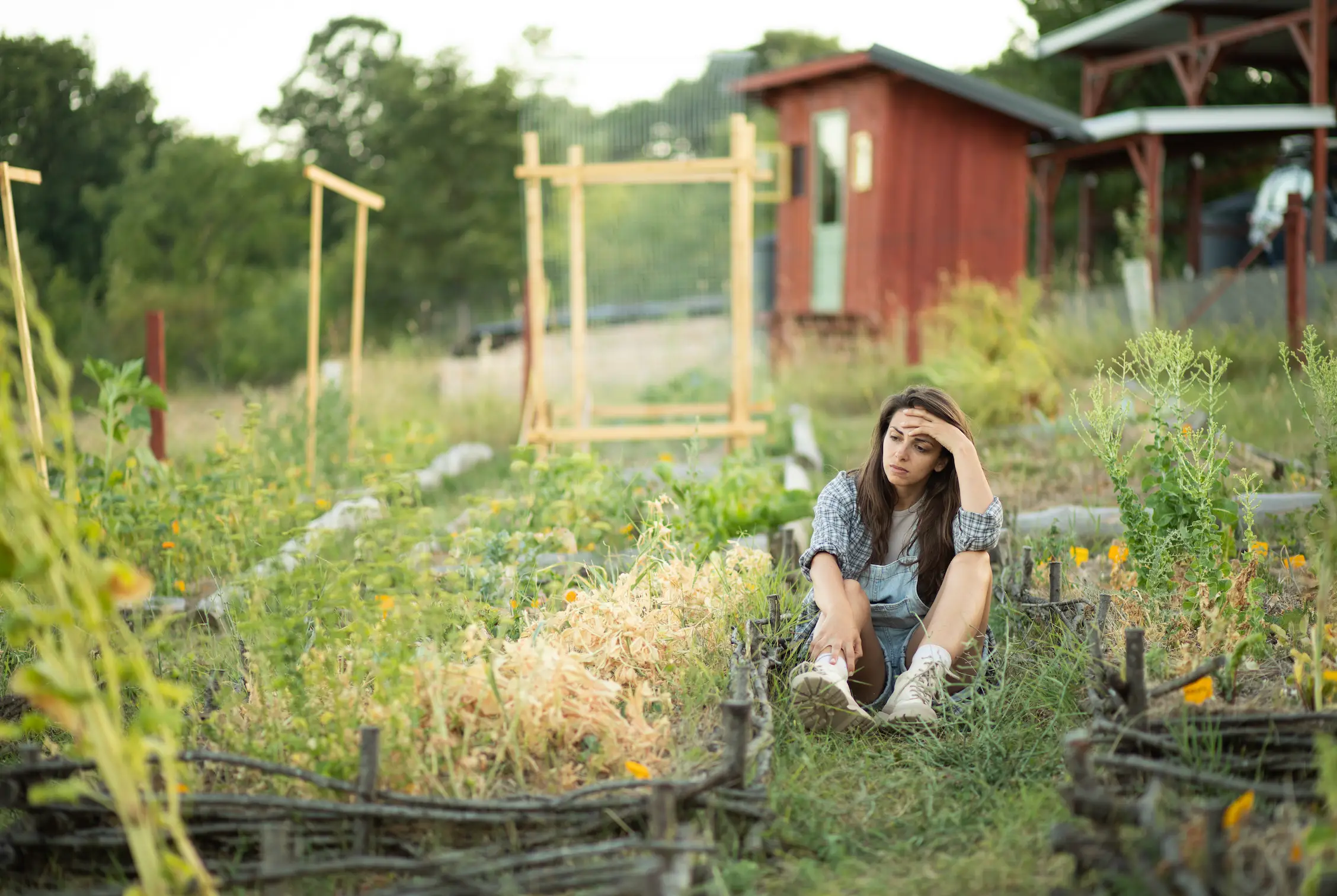
"Definitely get outside during daylight if you can, prioritise sleep, move your body, eat regularly and try not to cram the weekend with jobs in preparation for September. Having one or two things in the diary to look forward to during autumn can also make that transition feel less harsh (and perhaps a trip to TKMaxx for pumpkin spiced candles and a wardrobe update!)."
And maybe don't panic if you don't have a shiny new chapter lined up, because you don't need to start a new job, move house, take up running or completely overhaul your life because everyone else appears to be doing so.
Sometimes, staying exactly where you are is fine.
When it's more than just the end-of-summer blues
Dr Ramskill stressed that several days of feeling flat isn't necessarily something to worry about.
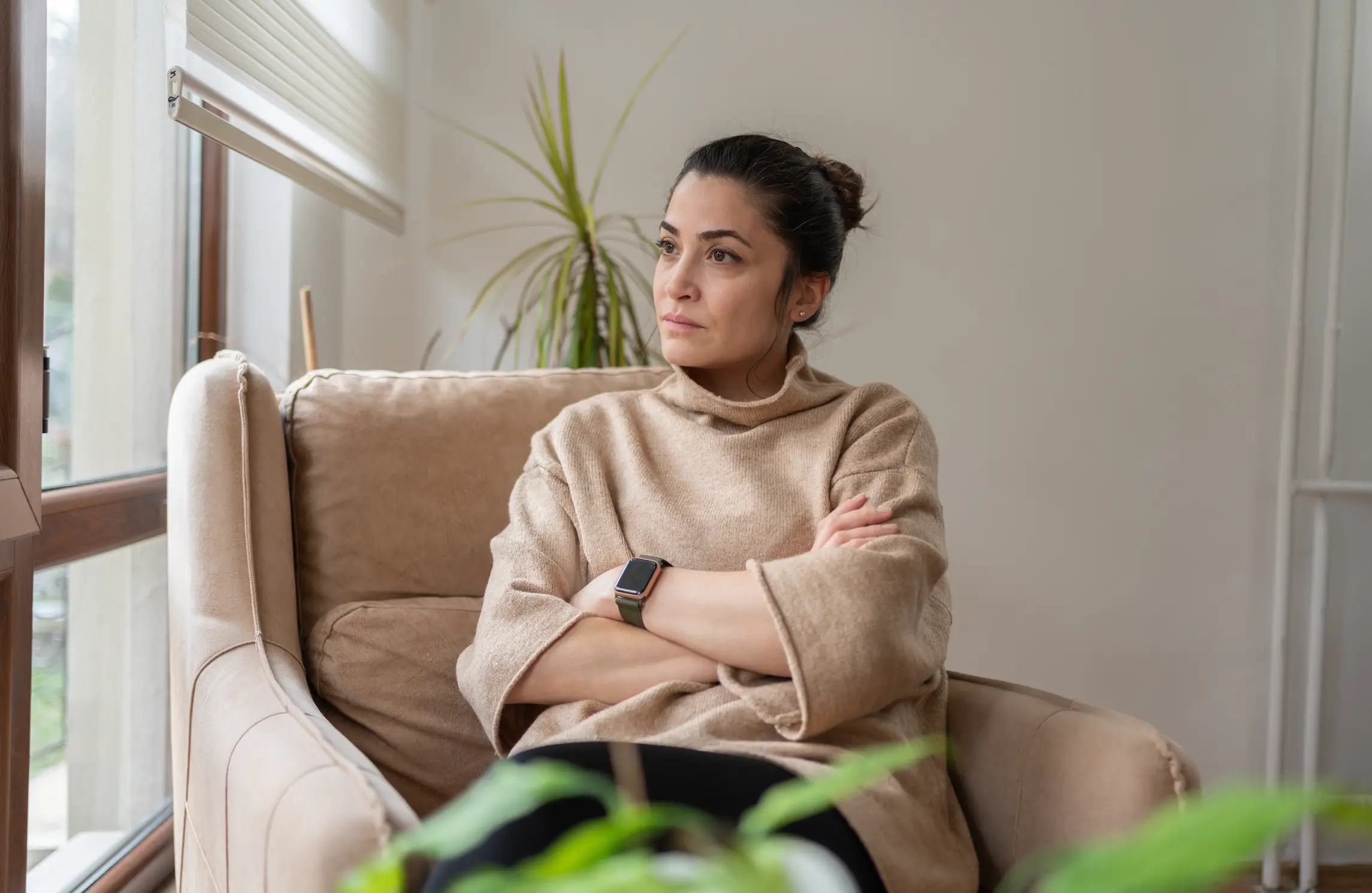
"A few days of feeling flat or apprehensive can be a very normal response to a change in season and routine," she said, adding that, if your mood stays low, you're losing interest or pleasure in things you normally enjoy, experiencing significant changes in sleep or appetite it shouldn't simply be written off.
"If those feelings are continuing or affecting everyday life, it’s worth speaking to your GP," Dr Ramskill said.
Topics: Mental Health, Weather, Parenting, Real Life, UK News
 Rhianna Benson