
Psychologist warns your cosy season obsession could be a sign of something deeper

It’s officially that time of year again - Harry Potter and Gilmore Girls are on TV, pumpkin-themed decor is everywhere, and we’re spending our evenings curled up under a blanket with a candle burning.
Every September, we get more and more obsessed with ‘cosy season,’ whether it’s rushing out to buy new pyjamas, re-watching certain series, or ritualising the first pumpkin spice latte of the season - but a psychologist has warned that there could be a darker side to the trend.
Tyla spoke with chartered clinical psychologist Dr Tracy King, who explained that ‘cosy season’ is often welcomed by people as it ‘offers a socially acceptable reason to allow reduced demands’.
The expert outlined: “Blankets allow us a protective barrier from the outside world and warmth and comfort. Candles reduce the impact and sensory processing of harsh lights, and films or books like Harry Potter allow a magical escape to other worlds.”
Advert
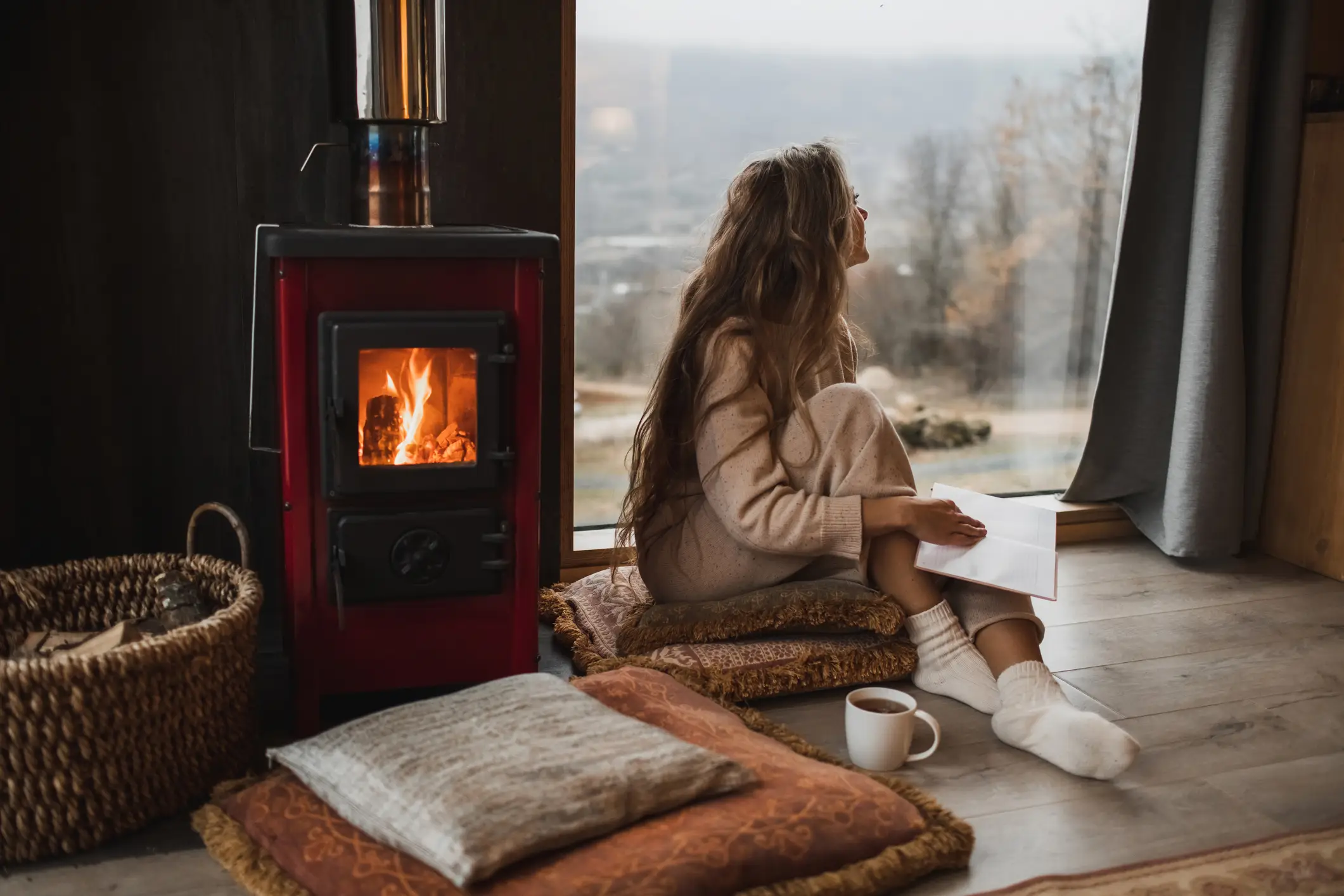
It also comes after summer, which ‘encourages us outwards with its longer days with a pressure to socialise, travel and look good’.
Dr King says: “Especially in the UK or other places where weather may vary, we may think we have that one nice day to get out there. Autumn gives us permission to stay home and less people question why we are on the sofa under that blanket watching the film at 8pm when it is dark outside.”
But the expert warns that, from a psychological perspective, we can translate the need for these small home comforts and the need for safety and comfort after the demands of the rest of the year into the objects we purchase.
She explained: “A new candle or blanket can be a visible cue to the system to slow down. A risk here is that we may impulsively keep buying just one more thing in order to feel safe.
"Advertising knows what to push at this time of year, so we are faced with all those cosy potential purchases every day online with social media and everyone else's perfect autumn retreat living rooms.”

Dr King urged: “However, something far deeper may be happening for some people in terms of their internal lack of safety, and every object bought is just not bringing the safety they hoped. This is the point where therapy may be beneficial to try to understand where that lack of safety comes from. Blankets and candles may help us remember safety, but we can’t do that if we have never felt it.”
Another risk highlighted by the psychologist is that withdrawal can look like self-care when actually it is avoidance.
Dr King says: “If staying in allows us to feel calmer and more able to connect, this is good. But if our external world is becoming smaller and we are avoiding those close to us and ordinary tasks, and our mood is declining with the shorter days and longer darkness, then something else is happening. The question to ask is, 'Am I hiding, or am I recovering?'
"Home is also not a safe place for everyone. Some are grieving, lonely, and maybe at risk due to domestic violence. Darker evenings leave some people unseen and more at risk of harm to self or from others. What is missing becomes intensified."
Rewatching much-loved films like Harry Potter is also a way of regulating our emotions.
“We know the characters and the ending; the brain is not having to deal with unpredictability,” Dr King explains. “If we are tired, novelty is another demand, and a familiar story allows us to be taken into the plot without having to be alert to working out what comes next.”

And this is perfectly okay, as autumn is a great time to rest, recover, and reset for winter.
The expert concluded: “Autumn is also kind of like a ‘soft-January ’; it marks the end of summer and the beginning of a new season and school year without the demands that January brings. It’s like a reset or clean page to begin again.
“There is no expectation of a new fitness regime or resolutions of change, so the reset is one of comfort, not self-improvement. The shift also mirrors nature. The trees shed what is no longer there and begin to conserve resources for the winter ahead.
“Watching the landscape change again is a permission-giving message to allow us to turn inwards and be more reflective. Slowing down is preparation here rather than a stagnation.”
Topics: Mental Health, Life, Real Life, Tyla Exclusive
 Madison Burgess