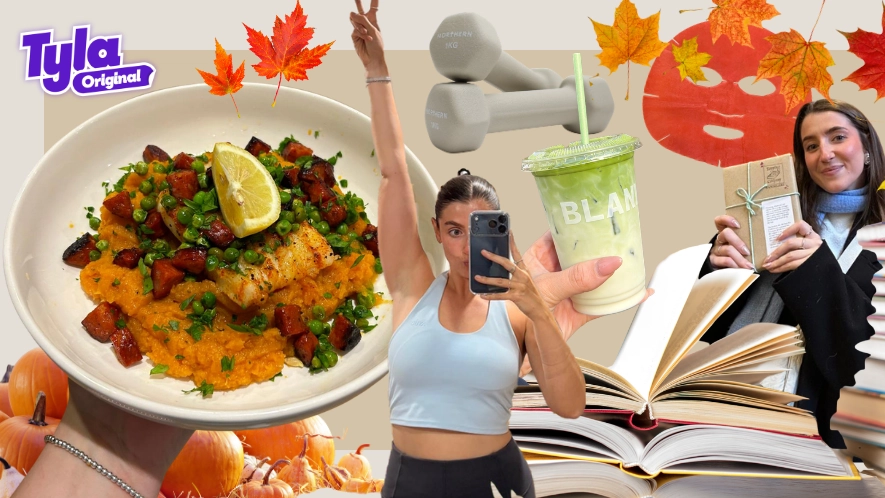
'Every September, I feel like I'm falling behind - here's why I'm breaking the cycle of seasonal improvement'

For years now, there's been something about September that makes me feel like I should be doing more.
I can't quite explain when it started - possibly during my primary school years, when a new school year meant new stationary and shiny new folders - but every year since, as the nights start getting darker and everyone returns from their summer holidays, I get the familiar itch to get my life together.
Suddenly, I need a routine, goals, aspirations, projects.
I need to read more books per month, go to more Pilates classes per week, drink less fizzy drinks, save more money, eat less fast food, meditate every morning and, somehow, become the sort of person who gets up at 6am without feeling like I've been hit by a car.
Advert
It's a feeling I've endured for as many January's as I can remember.
Every New Year's Day, without fail, I print off a checklist of resolutions and convince myself that this will be the year I become a slightly more organised, disciplined, productive version of myself.
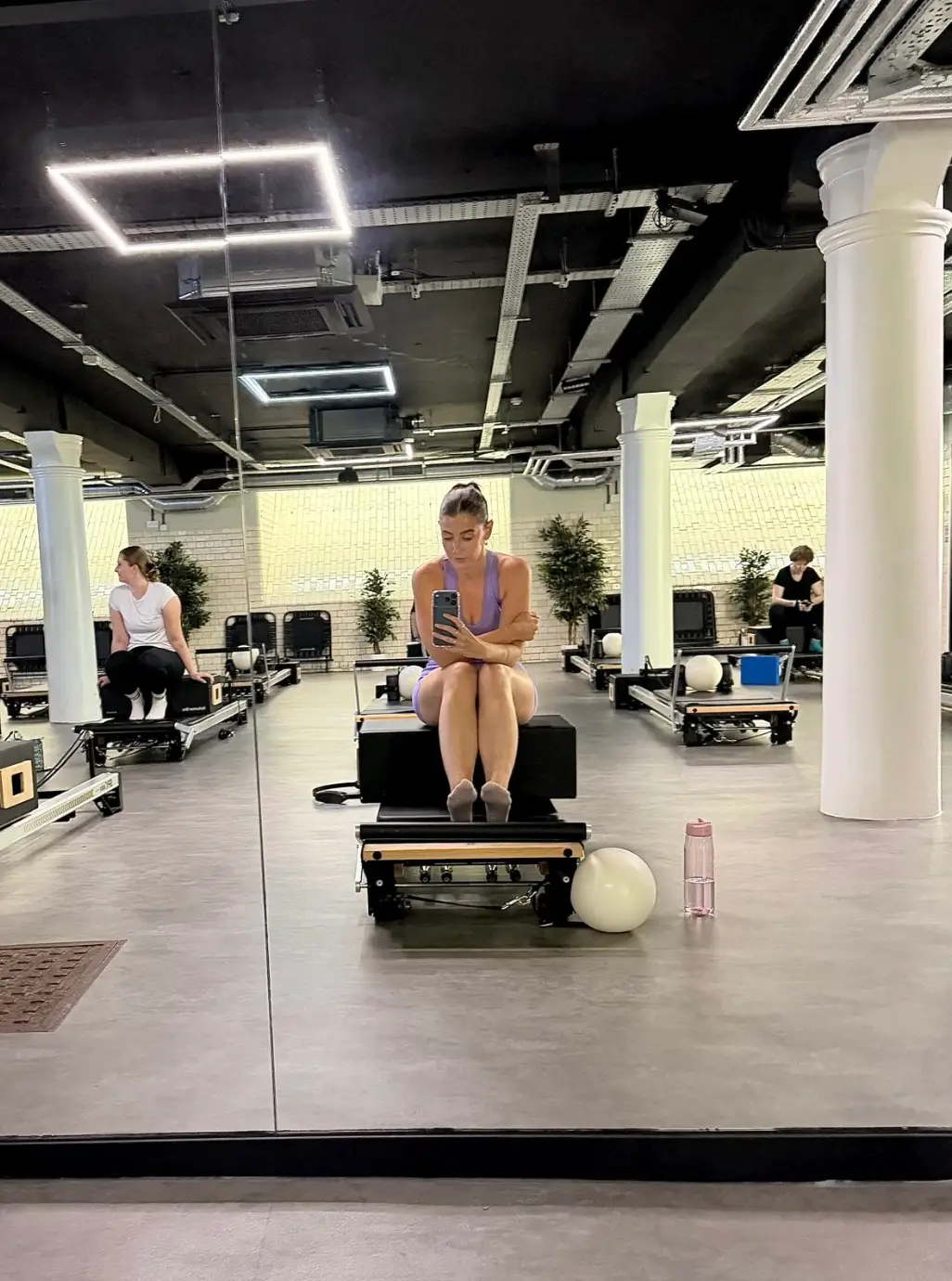
But increasingly, I’ve noticed that I do something very similar in September. I mightn't print it out, but mentally, the list is there.
And I don't think I'm alone.
A few weeks back, I started noticing '#SeptemberReset' doing the rounds on TikTok - women were sharing their plans to get 'back on track' after summer.
Like me, they were resetting their routines, getting back to the gym, eating better, organising their lives and setting themselves new targets.
And when we look at the wider world, it's no surprise as to why, because every man and his dog suddenly seems to be starting something new, whether that be starting university, a new job, a new course, a new business, moving house, getting married.
And if you're not undergoing some kind of major life change when the seasons change, you can start to wonder whether you're falling behind.
Even writing this piece, I'm aware that the pressure is slightly ridiculous.
After all, there's absolutely no rule saying September has to be the month you reinvent yourself - but that doesn't mean the feeling isn't real.

Unlike starting a new school term, however, or kicking off a fresh semester at university, that neat reset button doesn't really exist when you're a full-fledged adult.
So, maybe that's why I've been trying to create my own. If I don't have a big new thing happening at work, I'll find something to work on personally. If I don't have a new hobby, I'll convince myself I need one. If I’m not reading enough, I'll set myself a target.
50 books before Christmas, five gym classes a week, counting my calories, sticking to my skincare routine.
Writing them down, they sound menial, and yet, in the moment, they feel like productive changes to become the more elevated version of myself.
Last September, I decided that saving-money was my new assignment.
Almost immediately after being paid, I put half my pay cheque into a new savings account with interest and became deeply committed to the idea of becoming the female Alan Sugar.

I started saying no to fun things because I was saving. I meal-prepped. I brought coffee from home. I was convinced that this time, I was going to become the kind of woman who looked at her bank account and felt nothing but pride.
The thing is, it never lasts - even if the project is quantifiable. The coffee eventually gets bought from Starbucks at an eyebrow-raising £4.55 per latte. The meal prep gets abandoned. The fun things become fun again.
I think that's the issue - my brain's September checklist usually consists of things I actually want to do, but the pressure I put around them isn't healthy.
And if I inevitably stop keeping up with the version of myself I invented, I can end up feeling as though I've failed.
At a loss ahead of this September, I recently contacted Dr Candice O’Neil, an HCPC-registered counselling psychologist, who firstly reassured me that I'm not a total nutcase, and that there are genuine psychological benefits to the urge for a fresh start.
"These milestones might offer emotional and practical relief or preparation," she explained. "For example, we invest a lot of energy and motivation in summer holidays and travel, which can feel like huge investments in time and energy."

I can understand that. I genuinely like the feeling of a reset, and September does feel like a particularly natural time to take part.
"Fresh starts can also spark hope and optimism but it’s important to be aware of potential feelings of anxiety, stress, burnout and insecurity around them," Dr O'Neil continued.
"Being mindful of these early on and compassionate towards ourselves if our situations don’t change is key."
That advice struck a chord immediately. I realised I don't actually want to give up on the things that make me feel good, like yoga, book club, caesar salads and my 10-step skincare routine.
But would I should be looking to surrender is the feeling that I have to turn those things into evidence that I'm becoming a better person.
Dr O'Neil says the transition from summer into autumn can make that particularly tempting.
"Perhaps summer was a time of letting go or relaxing fitness goals while spending time with family," she went on. "Returning to a ‘back on track’ routine might mean being highly controlled, which can be harmful to emotional and psychological health.

"However, some people thrive on structured routines and the emotional regulation that they think this brings them."
'Controlled', interesting.
Because sometimes my September resolutions aren't really about what I want. They're about regaining control, and convincing myself that if I can just get my routine right, everything else will fall into place.
Maybe it's my womanliness playing a part in this intense pressure?
As girls, we're already surrounded by messages telling us there is always something we could be doing better.
We could be fitter, healthier, more productive, better rested, more organised, more financially responsible. Our skin could be better. Our bodies could be stronger. Our diets could be cleaner. Our careers could be further along. There is always another version of ourselves waiting around the corner.
And social media doesn't exactly help.
Thankfully, as I approach 29, I feel I'm becoming even more aware of trend-based commercialism. I'm noticing the #ad in the caption of a new workout video, in which the instructor rocks in a cherry red two piece gym set that perfectly accentuates her perky bum, or in the corner of a 'get ready with me for winter' make-up tutorials.
I've been wondering how much of the September reset is an urge coming from inside of us, and how much is being reinforced by an endless stream of content telling us that now is the time to step up.
Because there’s another side to this that I hadn't really considered before - someone is making money from my desire to become that new woman. September is basically a marketer's dream.
New season? New wardrobe. Back to routine? New gym kit. Autumn? New skincare. Fresh start? New planner. Want to become financially responsible?
There's an app for that.

Again, on the brink of an existential crisis, I reached out to fashion and consumer psychologist Shakaila Forbes-Bell, who told me the psychology of a fresh start almost certainly makes us particularly susceptible to spending.
"The idea of a 'fresh start' makes us want to spend more money due to its ties with novelty - something we’re hard-wired to be attracted towards," she explained.
"Often, we’ll go out of our way to reach that shiny new thing, and in the case of the ‘September reset’, the ‘going out of our way’ is actually just spending more money on it."
Forbes-Bell also reassured me that this temptation isn't accidental.
"It makes sense that, as humans, we look for novelty within ourselves, too," she continued. "This is especially apparent when it comes to clothing.
"Fashion psychology tells us that, when we wear things that are out of the ordinary, outlandish or a far departure from our 'norm' - even if that’s just changing with the seasons - our brain views it as a form of escapism, which brings the body peace and tranquility."
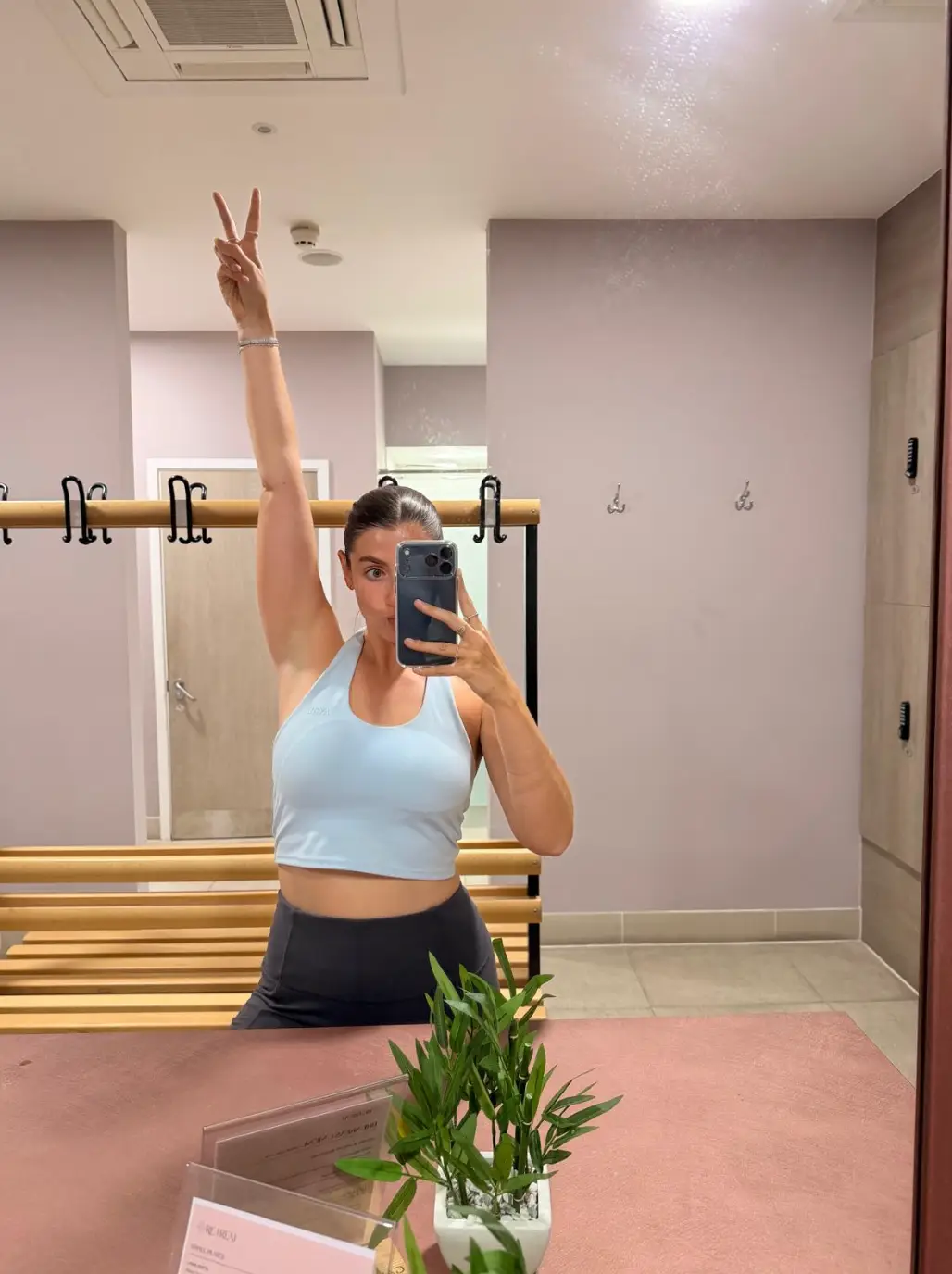
It explains why changing my wardrobe every September can feel like changing myself - but our shopping expert says the same principle applies much more broadly to the idea of seasonal reinvention.
"I think this whole idea of personal optimisation is novelty in a different package. You are trying to reach a higher self - an elevated version of yourself," she noted, and immediately, I recognise my own behaviour.
Last year, I wasn't just saving money. I was trying to become a person who saved money. The year prior, I wasn't just trying to go to the gym. I was trying to become someone disciplined enough to never miss a class. I wasn't just reading. I was becoming the girl who always has a book in her hands.
I'll admit it - there's something seductive about giving yourself a new identity. But when the novelty wears off, you can be left wondering why you couldn't keep up with the person you decided you were going to become.
And that's on top of the financial sting of the situation.

Forbes-Bell warns that taking things too far can mean spending money on a version of yourself you haven't actually had time to work out whether you want to be, and as such, it's a risk.
"For example, if someone who generally has a timid approach to adventure buys themselves a kayak in a bid to 'reinvent' themselves, there’s the risk of having spent the money unnecessarily without having taken the baby steps to identify whether that’s really a project or activity they can or should get behind," she warned. "Big leaps can sometimes prove bad choices."
The kayak example makes me laugh, but the point is painfully familiar. My own version might not be a kayak. It might be a £100 skincare haul, or a new gym membership.
So how do we tell the difference between something we genuinely need and something we’ve simply been persuaded we need because it's September?
Forbes-Bell recommends the '4-3-2-1 rule'.
"It involves, firstly, picturing yourself and your life in four years' time, because studies show that, when we engage in future-thinking, we’re likely to make smarter financial decisions," she begins. "If it doesn’t align with how you see your future self, don’t buy it.
"If it passes that test, then, think of three occasions when you’ll use or wear this item. If you can’t imagine it in use, put it down."
She goes on: "'2' refers to two deep breaths. Shopping, whether online or in-store, causes chemical reactions, so try to slow things down and calm the nervous system before you rush into splurging.
"And if you’re still keen to go ahead, take one good night’s sleep before adding anything to your cart, as you may think differently in the morning."
So, perhaps the bigger lesson isn't simply to stop spending, but to stop buying into the idea that every September requires a new 'thing'.
Going back to social media, Dr O'Neil lastly says wellness culture can absolutely create that unnecessary pressure, particularly when our goals become another way of judging ourselves.

"Yes, this can definitely create unnecessary pressure," she tells me. "However, if we’re planning to nurture our emotional or physical health in ways that benefit our overall wellbeing and we have loose goals that allow for gradual and contained improvement with room for non-linear progress, it can provide a sense of personal satisfaction and achievement.
"That said, sometimes it’s perfectly okay to accept and feel secure in your current situation."
Dr O'Neil concludes: "Self-evolution doesn’t have to conform to anyone else’s ideals; it might simply involve taking time to consider your decisions without feeling impulsive or pressured by comparison to others, that self evolution might sound like 'in the next quarter, I want to take time to think about my decisions without feeling rushed or pressured by others'."
Finally, I see where I've been going wrong all along.
I don't actually need to stop having September goals. I like having something to work towards, and I’m not suddenly going to cancel my ClassPass membership, purchasing Amazon books, saving money or buying an unnecessarily expensive coffee.
What I do need to stop doing is treating those things like a test of whether I'm becoming the ultimate woman.
This September, I'm allowing myself to have routines without turning them into rules, and goals without attaching my self-worth to whether I achieve them.
Because there will always be another reset, another trend, another woman online who appears to have her entire life figured out by 9am.
But I'm starting to realise that not changing everything doesn't mean I'm falling behind.
Maybe sometimes the most productive thing I can do is look at my life and decide that I actually quite like it as it is.
Topics: Real Life, Social Media, Life, Mental Health
 Rhianna Benson