
Warning to anyone who uses weight loss jabs as 'eye stroke' side effect revealed

Medicine regulators have issued a warning to anyone considering a prescription for weight loss injectables, over the emergence of a side effect that's been dubbed an 'eye stroke'.
GLP-1 medications, like Ozempic, Wegovy and Mounjaro, have sky-rocketed in popularity in recent years, despite first being rolled out to tackle the symptoms of type 2 diabetes.
Some believe the global surge stems from the number of celebrities who have credited jabs for helping them lose weight. Others put their popularity down to accessibility, given that some of the jabs are now readily available on the NHS under a strict eligibility criteria.
The drugs work by mimicking certain hormones, as well as regulating blood sugar and balancing energy levels. The latter creates a feeling of fullness and reduces a person's appetite.
Advert
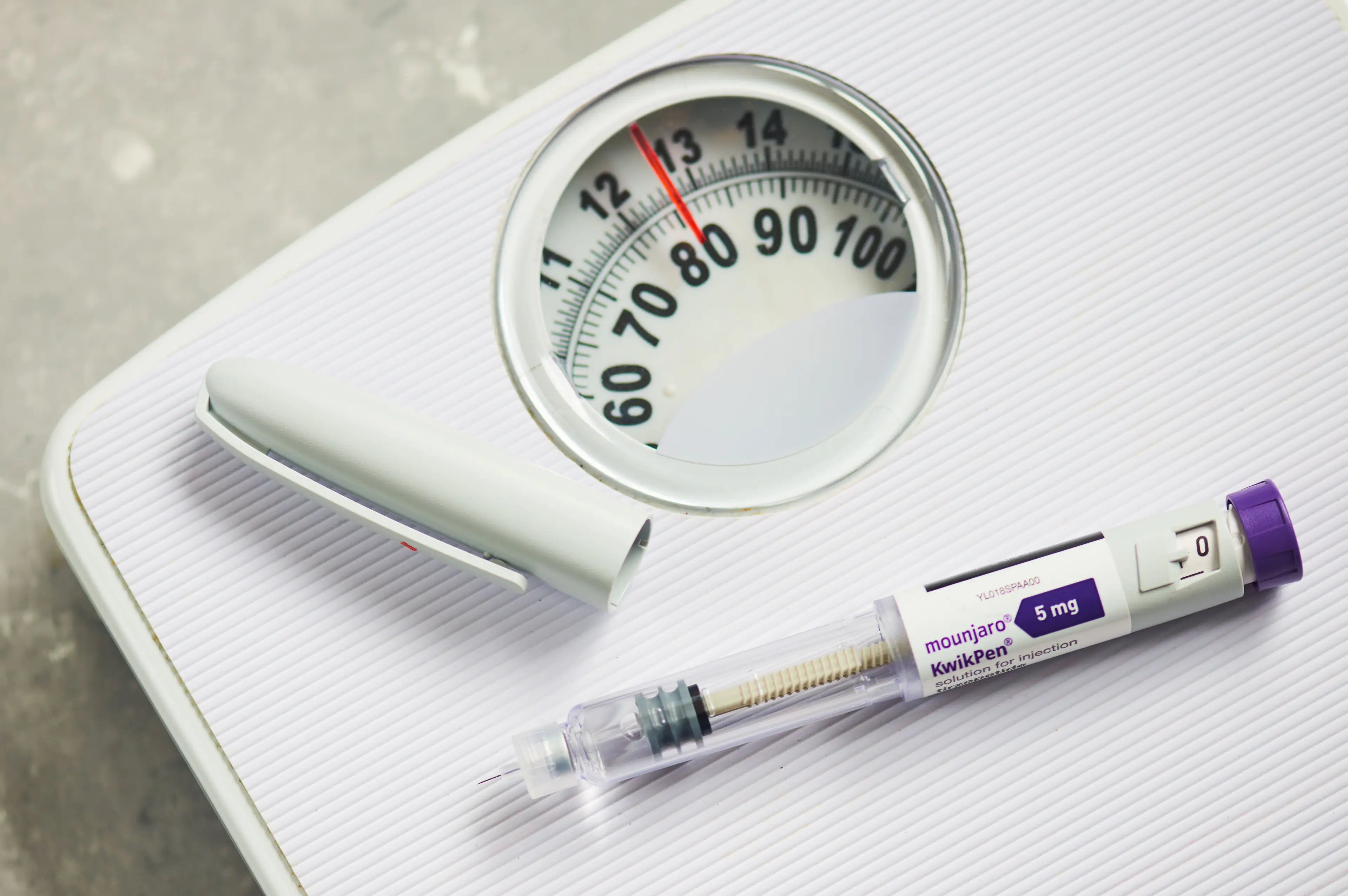
As is the case with newly-introduced medications, doctors are still learning about potentially long-term side effects of taking weight loss drugs.
The most common grievances reported among patients are nausea, constipation, diarrhoea, stomach discomfort and heartburn.
However, another, arguably more obvious side effect has been unearthed by experts, who've warned potential consumers to tread carefully.
Studies have linked jabs that contain semaglutide to an increased risk of being diagnosed with an eye condition that could cost a person their vision.
In several cases, these drugs triggered inflammation in a patient's eye, which blocks the flow of blood to this vital organ.
The latter occurrence has seen Harvard professor Dr David Sinclair refer to the condition as an 'eye stroke', after the emergency that is sees blood flow to the brain blocked or blood vessels burst, both of which cause brain cell damage.

When the optic nerve fails to receive any blood flow, it is deprived of oxygen. As such, the nerve can sustain either partial or whole damage.
Technically, the condition is referred to as non-arteritic anterior ischemic optic neuropathy (NAION).
A number of cases were recorded among patients in the US last year, all of whom developed 'severe vision issues' after taking semaglutide (Wegovy, Ozempic) or tirzepatide (Mounjaro, Zepbound).
Getting into the specifics, experts recording the numbers were forced to consider whether it could have been their rapid drop in blood sugar caused by the jabs, that resulted in this blood vessel damage.
This sudden drop has the potential of pushing fluid out of delicate vessels in the retina, which triggers swelling and, as such, stunts blood and oxygen flow.
It's important to note that despite these figures, UK health chiefs believe this occurrence is still 'very rare' among weight loss jab users.

The Medicines and Healthcare products Regulatory Agency's (MHRA) Chief Safety Officer, Dr Alison Cave, said: "Patient safety is the MHRA’s top priority and we continually monitor the safety and efficacy of all licensed medicines. While the potential risk of NAION for patients prescribed semaglutide is extremely small, it is important that patients and healthcare professionals are alert to the associated symptoms.
"If you, or someone you care for, is taking semaglutide and you notice sudden loss of vision in one eye, then we advise you to urgently attend eye casualty (if available in your area) or A&E and report it via our Yellow Card scheme."
The latter system, for reference, allows doctors and patients to report adverse reactions to prescribed medication, as well as drugs they purchased over the counter, which can see drugs being reviewed and necessary health warnings issued.
The MHRA has since published a Drug Safety Update for 'healthcare professionals to alert them to the risk of NAION'.
A spokesperson for Novo Nordisk told LADbible Group: "Patient safety is our top priority, and we take any reports about adverse events from the use of our medicines very seriously. We work closely with authorities and regulatory bodies from around the world to continuously monitor the safety profile of our products."
They added: "Based on the totality of evidence, we concluded that the data did not suggest a reasonable possibility of a causal relationship between semaglutide and NAION and Novo Nordisk believes that the benefit-risk profile of semaglutide remains favourable."
Topics: Ozempic, Mounjaro, Health, Life, Real Life, True Life
 Rhianna Benson