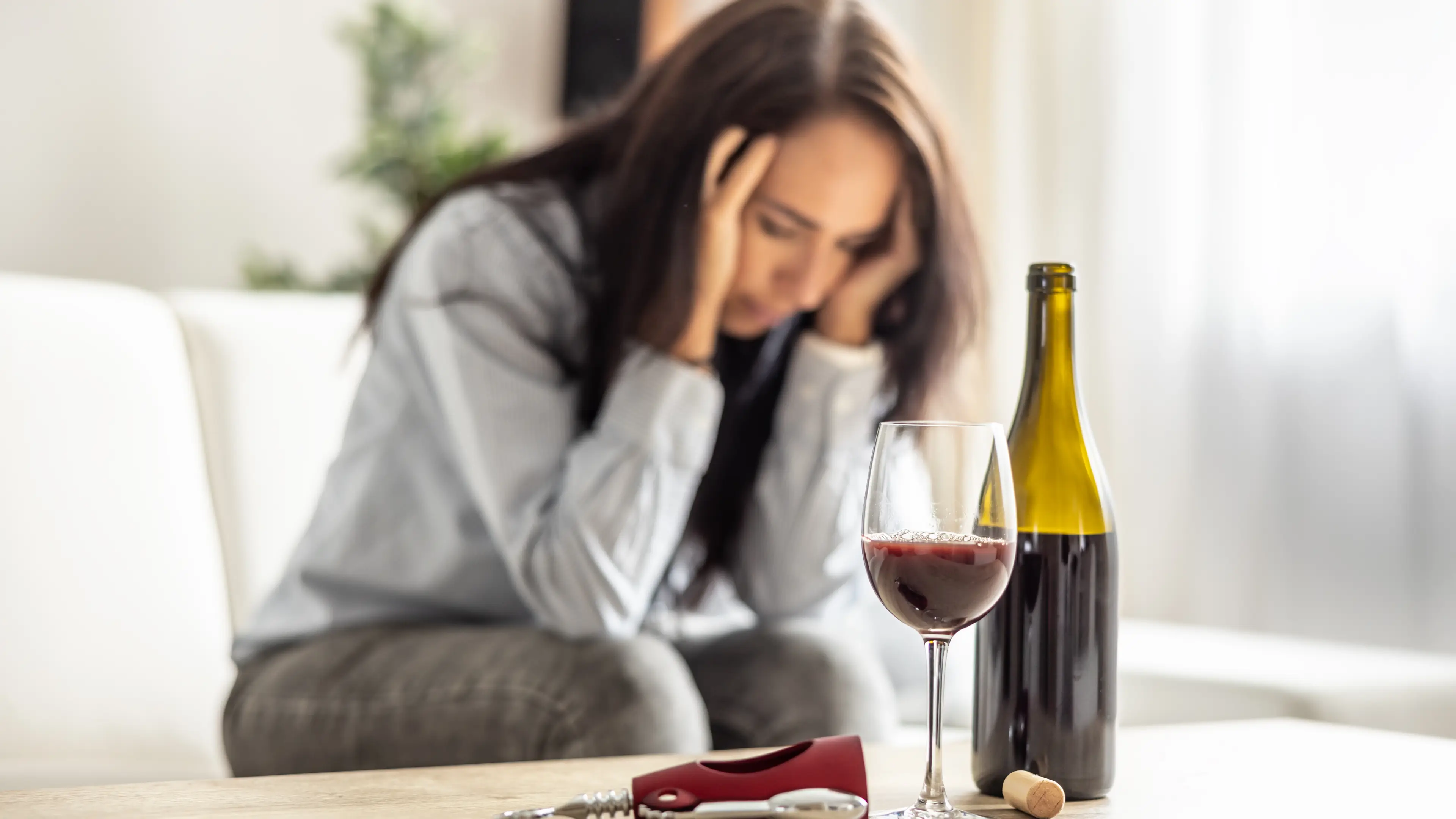
What happens to your body when you drink alcohol after 31 days of sobriety

Many people all over the world have been taking part in Dry January, but once it’s all over, there’s a few things to be aware of before consuming alcohol again.
Whether you’re doing it for health reasons or just want to challenge yourself, giving up alcohol is something that a lot of us are interested in doing recently.
According to Alcohol Change UK, 41 percent of people in Greater London were interested in giving the 31-day challenge a go this year.
But you don’t have to wait until January to start, as some people choose to cut alcohol out at any point, which typically brings about a positive impact.
Advert
For example, per the NHS, the short-term benefits of drinking less alcohol include feeling better in the mornings, being less tired and more energetic, better-looking skin, and saving money.

It’s no surprise that people report feeling better without alcohol... but what happens when they drink for the first time after 31 days of sobriety?
It’s not great. According to a Reddit user who tried it, drinking alcohol again came with some setbacks.
They explained in the 'r/StopDrinking' subreddit that they 'drank after 31 sober days' after being a 'heavy daily drinker for decades'.
Having tried to stop 'many' times, they decided to give themselves a year to abstain, as it felt more realistic.
However, after 31 days, they treated themselves to two pints before their meetings the next day during a business trip.
At this point, they admitted they 'didn't get much out of it' and were only 'mildly groggy' the next morning.
But shared they had felt anxious for the first time since quitting alcohol.
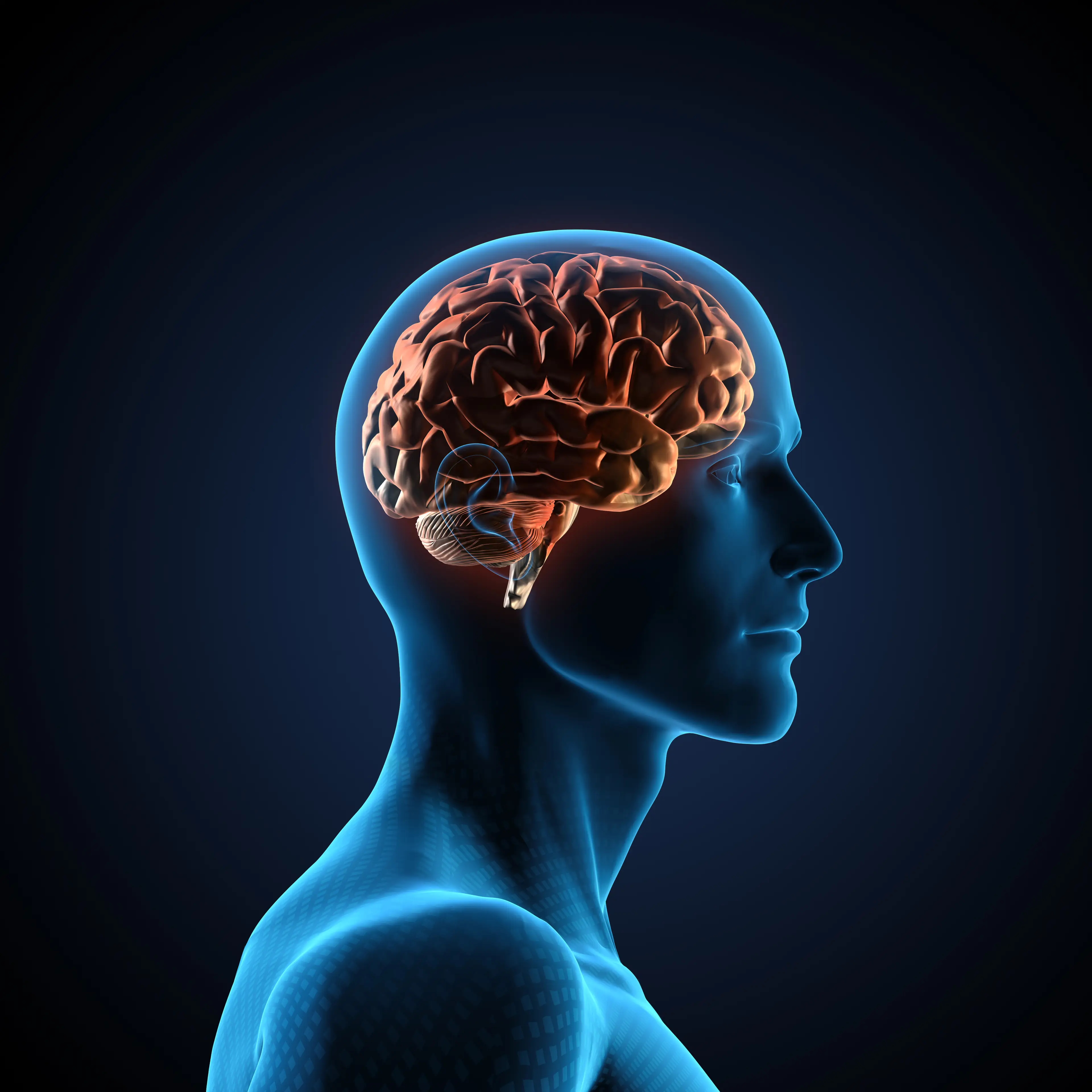
“Next day I had one pint, again no big deal. Came home, had 2 very large gin tonics,” they admitted before revealing that as soon as they woke up, they experienced the following issues:
- Anxiety
- Agitated and frustrated
- Sweating, I can't believe this came back so immediately
- Craving shit food
- Lethargy
- Depressive symptoms
- Sleep has been absolute shite
- Acid reflux
For the Reddit user, this felt like a reason to stop for good and they wanted to help others by listing the ways reintroducing alcohol impacted them.
As for the long-term impact, according to Alcohol Change UK, it can help people to lower blood pressure, lower risk of stroke, hypertension, cancer and liver disease, lower cholesterol levels, be in a better mood, have a more positive memory and quality of sleep, and also help with weight management.
Per the US’ CDC, quitting booze can even help people with preventing diabetes complications, obesity and fatty liver disease, heart complications and more.
Abbas Kanani, pharmacist at Chemist Click, said as per The Telegraph: “The main benefit of going sober for a month is breaking a habit.
“It takes around 30 days to form a habit so not drinking for four or five weeks can help you stop.”
However, he went on to add: “30 days without drinking is not long enough to reverse any long-term damage. If you go straight back to drinking, it will have been a waste of time.”
Before going cold turkey, though, make sure to check in with your healthcare provider to go over the safest route.
Please drink responsibly. If you want to discuss any issues relating to alcohol in confidence, contact Drinkline on 0300 123 1110, 9am–8pm weekdays and 11am–4pm weekends for advice and support.
The NHS offers support here, with Alcohol Change UK also providing advice and help through its charity services.
Topics: Alcohol, Health, NHS, Reddit, Food and Drink
 Britt Jones